
Types of organic fertilizers: characteristics and expert advice on application
Content
What are organic fertilizers?
Organic matter is produced naturally, without human intervention. This fertilizer contains many beneficial microelements. This natural mixture enriches the soil with magnesium, nitrogen, silicon, phosphorus, and carbon dioxide.
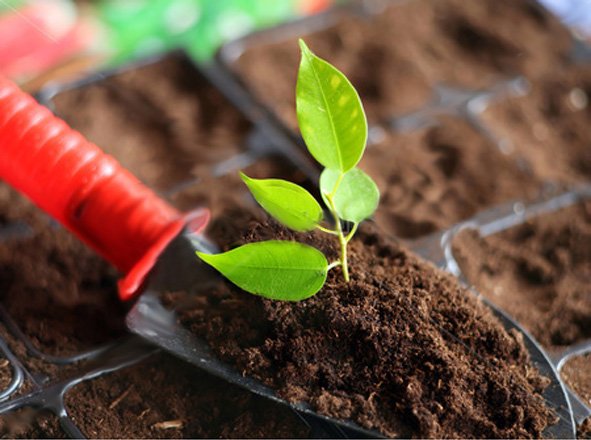
Organics contain many useful microelements.
Video: "Types of Organic Fertilizers"
This video presents various types of organic fertilizers and describes the methods and standards for their use.
Types of organic fertilizers
A variety of fertilizer types allows gardeners to choose the right one depending on their soil and crops. Each type of fertilizer has its own composition of nutrients that helps improve soil fertility.
Manure
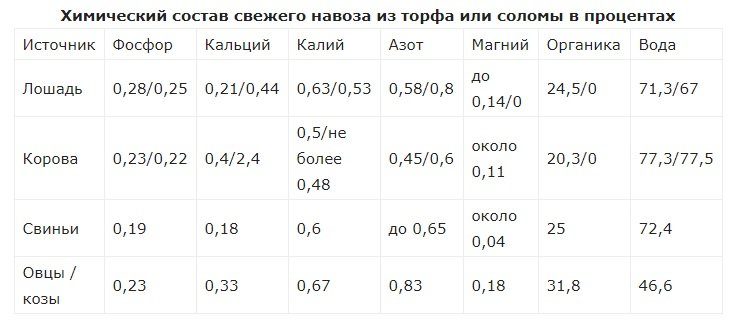
Cow, pig, and horse waste are used to fertilize crops. Cow manure is the most popular because it contains potassium, nitrogen, and phosphorus. However, it has low nutritional value, so it must be applied in large quantities to poor soils.
Horse manure is considered more valuable due to its high nutritional value. It contains twice as much nitrogen and calcium as cow manure.
Pig manure is the most caustic because its nitrogen content is twice that of horse manure.
Humus
This type of fertilizer is made from manure or crop residues that rot over a short period of time. It contains the least amount of moisture and is highly nutritious. Humus can not only increase yields but also significantly alter the soil structure.
The advantage of this fertilizer is that it is non-toxic, can be used year-round, and has a positive effect on crops and soil. Furthermore, it can be used as biofuel.
The negative aspects of natural fertilizer include high consumption, a long period of rotting, and the need for a large area to store the fertilizer.
Bird droppings
Gardeners consider bird droppings ineffective, as evidenced by their nitrogen content, which is twice that of pig manure. However, bird droppings can and should be used. To prevent them from harming plants, they must be disposed of properly. Use fresh droppings as fertilizer or compost them.
Chicken manure is effective for fruit trees. It accelerates fruit ripening, is versatile in use, improves the crop's protective properties, and has a long shelf life. For maximum effectiveness, it's important to use fertilizer from your own farm, not store-bought.
Rabbit droppings
This type of fertilizer is considered one of the best because it's easy to transport and contains no pests or weeds. These wastes can be made into a powder for mixing with potting soil. However, avoid using fresh soil to avoid damaging the root system. Crops require rabbit manure due to its high magnesium content.
To preserve their value, waste should not be exposed to high temperatures. The same applies to exposure to boiling water. Manure is used to make compost or an aqueous infusion. It has high biological value, is versatile, and is free of pathogens and weeds.
Compost
Compost is natural remains that have decomposed without any intervention. To create this fertilizer, you can use parts of crops, manure, peat, leaves, eggshells, and human and animal feces. You can make your own compost pit. The rotted fertilizer can be applied to any crops in the garden or at home.
The advantages of this type of fertilizer include its versatility, the absence of bacteria and weeds, and its low cost. However, the value of compost depends on the raw materials used. Furthermore, keeping such a pile on your property will inevitably produce an unpleasant odor.
Ash
Burning trees produces ash, which can also be used as fertilizer. Ash works well with highly acidic fertilizers such as urea, azophoska, nitrophoska, and potassium nitrate. The following advantages of this fertilizer are worth mentioning:
- harmlessness to people and crops;
- ease of production of fertilizer;
- low consumption;
- convenient transportation;
- neutral odor;
- versatility.
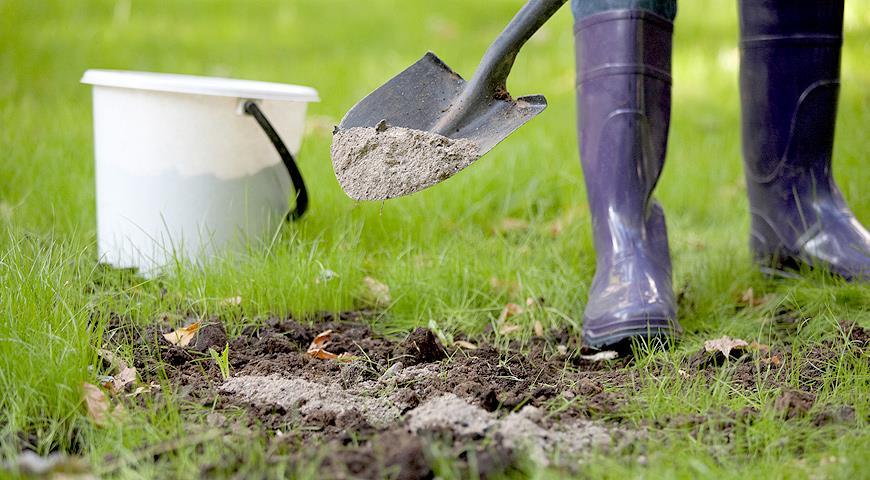
Ash interacts well with highly acidic fertilizers.
Among the negative aspects, we highlight the following points:
- not suitable for processing crops growing in acidic soils;
- The usefulness of the waste depends on the species of trees burned.
Making ash yourself is cost-effective, so you can easily increase crop yields and reduce soil acidity.
Peat
This is the decomposed and compressed remains of crops and animals. This substance consists primarily of humus, so it can only be used in combination with other amendments. Due to its high nitrogen content, peat should not be used in high doses, as it acidifies the soil.
The advantages of this fertilizer include ease of transport, increased soil flowability, and the ability to be used for indoor plants. The disadvantages include high cost and strong soil oxidation.
You should not allow the peat to dry out, as it is difficult to soak.
Biohumus
It's waste that's been restructured by worms. This mixture contains minerals and beneficial elements. Liquid vermicompost contains bacteria that have a beneficial effect on plant health.
Essentially, vermicompost is a highly concentrated black soil. Therefore, it significantly increases fruit production. It's versatile, free of harmful bacteria and weeds, and doesn't need to be watered down. However, the fertilizer is quite expensive, and it's impossible to produce it yourself without specialized worms. Furthermore, the process of producing vermicompost takes a long time.
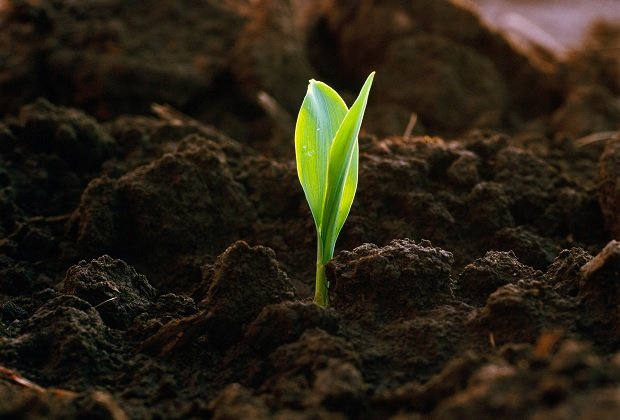
Green manures, or green manures
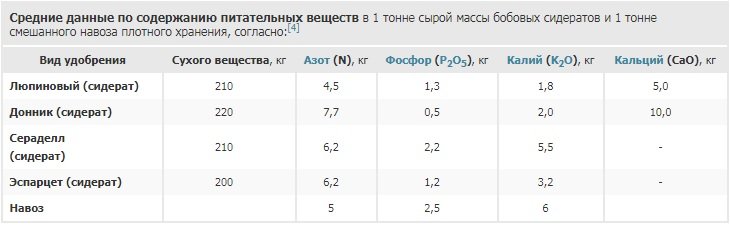
These plants provide the soil with easily digestible nitrogen. These include legumes, mustard, rapeseed, and buckwheat. Sowing this fertilizer improves the soil composition and increases yields. For example, you can plant peas to create such a mixture. Wait until they turn green, work them into the soil, and after a while, plant your main crops in this soil. As they decompose, the peas provide the plants with beneficial elements.
Green manure poses no threat to plants or people, and it doesn't require much storage space. The fertilizer is versatile, and overdosing is virtually impossible. The downside is that it can't be transported long distances, and it depletes the soil, depleting it of nutrients.
Bone meal
It consists of crushed fish and animal remains. The fertilizer contains phosphorus and calcium, as well as various biologically active elements. However, keep in mind that overdosing on it will cause plants to age quickly. Furthermore, bone waste reduces the soil's acidity.
The substance is free of weeds and harmful bacteria, is reasonably priced, and has a long shelf life. It's virtually impossible to make this flour at home. If used incorrectly, the soil will be unusable for several years.
Wood sawdust
They are used as a soil amendment to protect plants from weeds and extreme temperature fluctuations. They can be used as a composting agent, in mulching, or in combination with other beneficial substances. The substance must be fresh, so that the wood chips absorb a large amount of beneficial elements.
Silt
Silt is best applied to sandy soils to retain moisture. When applying silt, it's important to strictly adhere to the required concentration, as it retains water and reduces air permeability. Having a nearby river from which you can obtain this additive is a plus. Store-bought silt may contain harmful elements that will negatively impact plant growth.
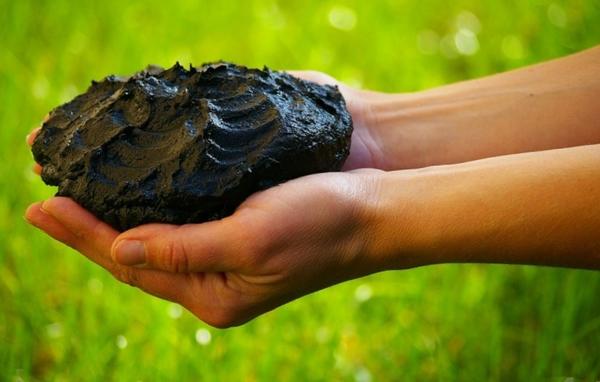
Marsh silt is best used on sandy soils.
Feces
To avoid harming plants, this fertilizer should be used in conjunction with peat or sawdust. To completely eliminate pathogens, the mixture must be left to soak for at least a year and a half. This is typically used by villagers, who fertilize their plants and empty their cesspools simultaneously.
Industrial organic fertilizers
Industrial natural fertilizers are easy to use, but currently account for only a third of the organic market. Let's look at the most popular types of these fertilizers.
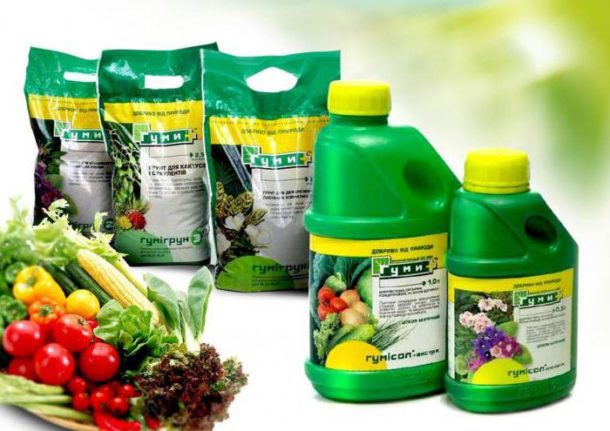
Gumi
One of the most popular commercial organic concentrates, it contains humic acids, which promote accelerated cell growth. This mixture is of natural origin. It promotes the growth of green mass in plants and also strengthens their defenses against disease.
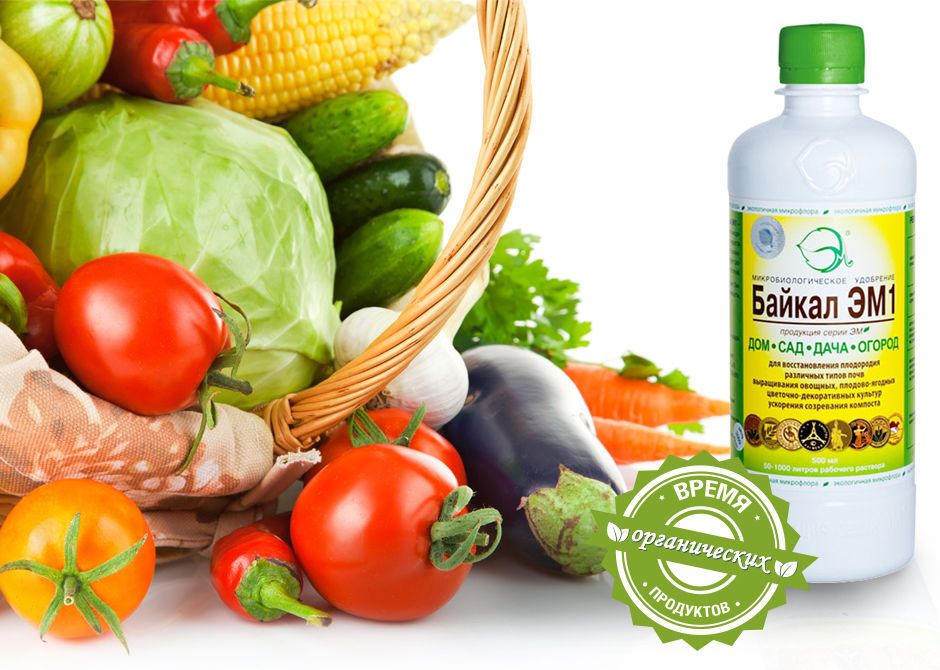
"Baikal"
This concentrate is used to balance soil. It contains lactic acid bacteria, making it essential for crop growth and health. Furthermore, the mixture converts organic waste into compost and reduces nitrate levels in crops by binding heavy metal salts.
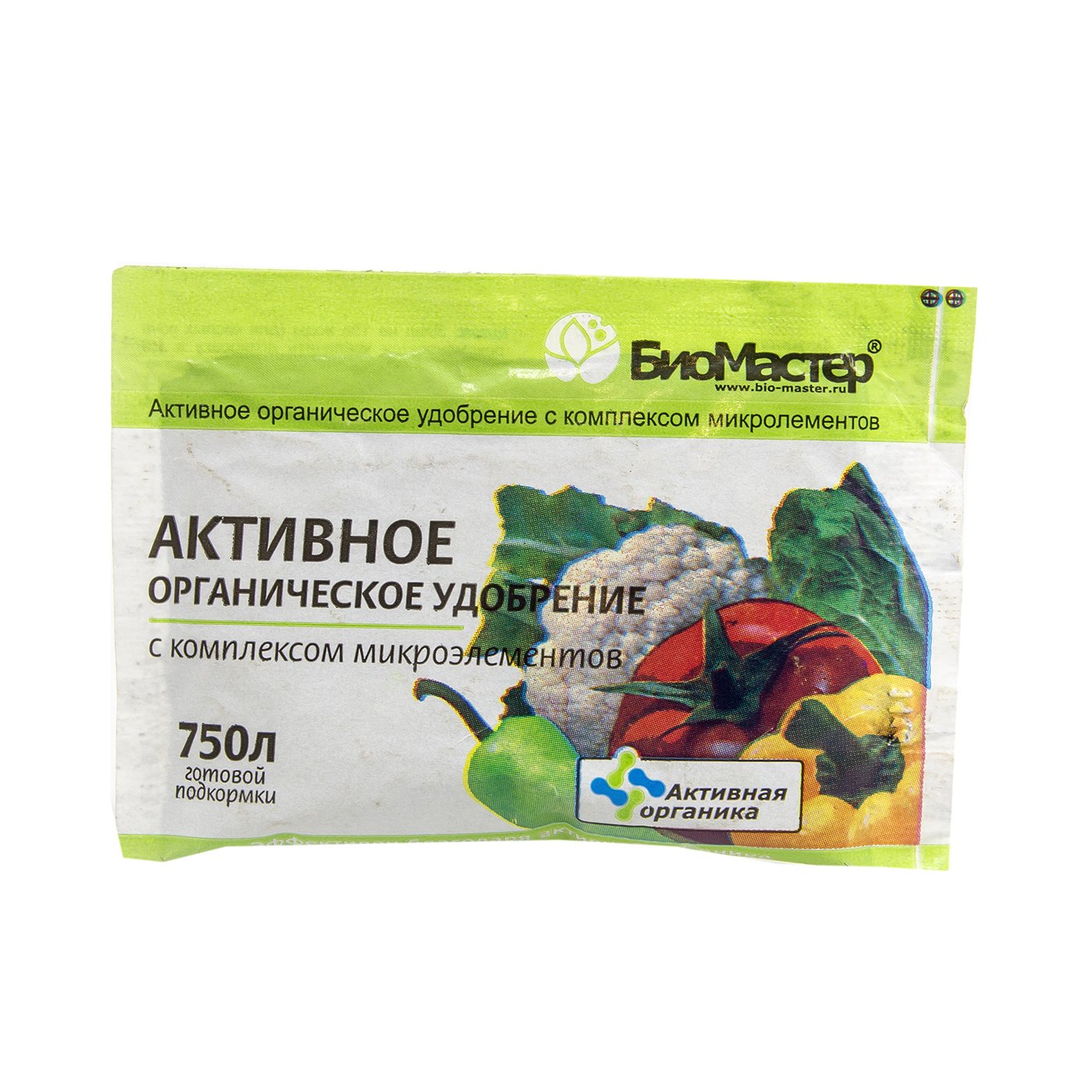
BioMaster
This universal fertilizer contains a complex of beneficial microelements. It is used in professional crop production as well as on private plots. The basis of this fertilizer is an extract of relict sapropel. Essentially, this element is ordinary dirt with a disinfecting effect.
The mixture has a natural composition, so it is suitable for garden and indoor plants.
Rules for the use of organic matter
Organic matter can be added to the soil before planting in both fall and spring. In some cases, fertilizing the soil in winter is appropriate. The fertilizer is simply scattered over the soil, and then the soil is dug over. In the spring, you can create warm beds to speed up the harvest, and then collect the compost.
Natural waste has a positive effect on the fertile soil layer. Therefore, it can be used in the post-sowing period, after the third leaf has fallen. Fertilizer application methods include root and non-root. The former involves treating the root zone of the plant with a liquid mixture, while the latter involves soaking the seeds before planting and applying them to the foliage using a sprayer.
Organic fertilizers enrich the soil and ensure healthy crop growth. These days, no gardener can do without them. But remember the proper preparation instructions to maximize your harvest, not ruin it.