
Soil mulching – what is it and why is it necessary?
Content
What are the benefits of mulching the soil?
Mulching is the application of natural or synthetic materials to protect garden crops from frost and strong winds. In addition to its protective function, mulch offers several advantages:
- It is considered a unique method of soil fertilization.
- Prevents destruction of the upper soil layers under the adverse influence of environmental factors (wind, water).
- It insulates the roots of garden plants in winter and serves as a kind of cooler in summer.
- Stops moisture evaporation from the upper layers of soil.
- Protects the root zone from the invasion of insect pests and small rodents.
- Creates favorable conditions for the reproduction of microorganisms that are beneficial to plant life.
- Protects the soil from weathering and leaching of useful microelements.
- It makes the soil much softer and looser, which makes digging the garden much easier.
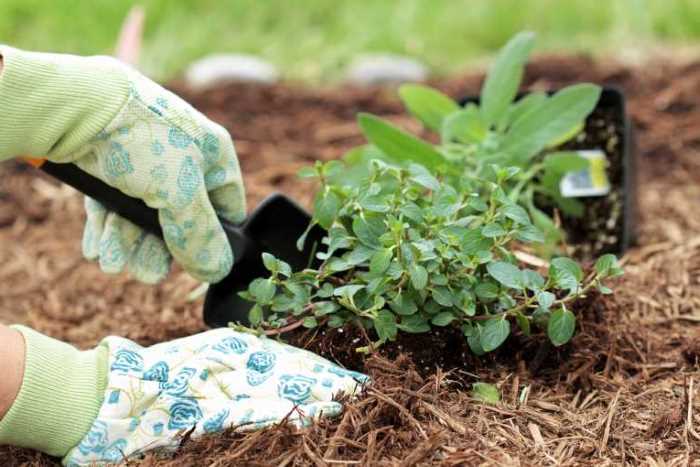
Mulching protects plants from frost and strong winds.
Video: "Expert Advice: Why Mulch"
In this video, experts explain how to properly mulch the soil.
Organic materials
Organic mulch, when it comes into contact with the soil, decomposes, transforming into nutrients. This, of course, improves soil fertility. Many types of natural mulch are available today.
Wood mulch, or sawdust
Wood sawdust does not contain resin, so it is often used to cover garden beds. However, when choosing this type of mulch, it is important to keep in mind that deciduous sawdust increases soil acidity. Also, before applying wood sawdust to the soil, it should be thoroughly dried. Otherwise, the plant's root system will rot and become moldy.
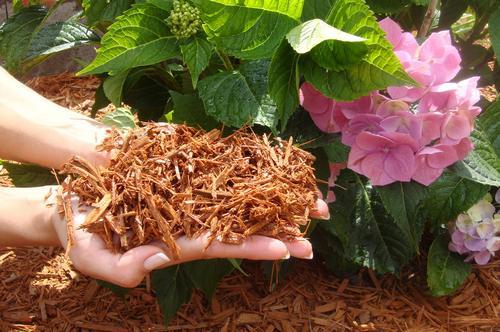
Wood sawdust is the most common type of mulch.
Hay and straw
Hay and straw are the byproducts of threshing cereal crops. This type of mulch is considered universal, as it is suitable for virtually all types of crops.
Peat
When using peat, it's important to choose the highest quality product. It should be finely ground, free of large particles. Dark brown peat is most commonly used. This product is suitable for both clay and sandy soils. Peat is great for eggplants, tomatoes, and berry bushes.
Grass mulch
This type of cover can be created from lawn grass and weeds. Grass mulch is not recommended for use on garden beds. High-quality organic material should eventually decompose, while grass clippings, exposed to direct sunlight, will dry quickly without having time to rot. Grass mulch should be distributed between garden beds and around the trunks of fruit trees and shrubs.
Humus and compost
This is rightfully considered the best type of organic mulch. It's extremely nutritious and beneficial for the roots of garden plants. However, humus or compost has a significant drawback: due to its predominantly dark color, it will attract heat. This is acceptable if the plants are located in a shaded area of the garden. If mulching is done in a sunny area, however, light-colored compost should be used.
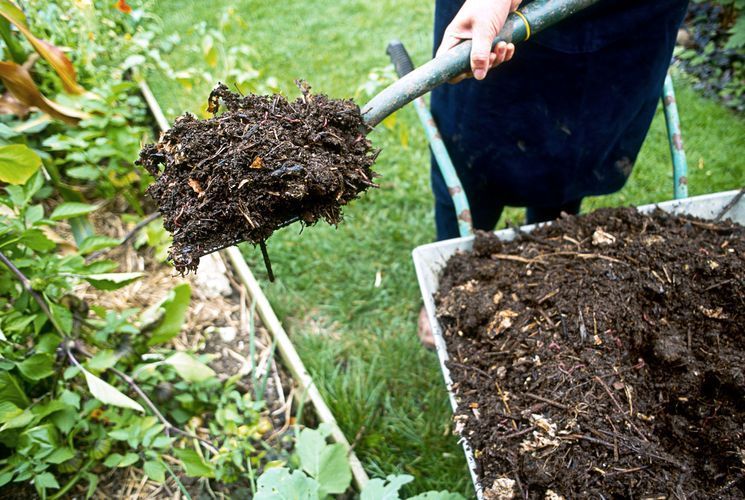
Humus is considered the best type of organic mulch.
Moss and turf
Mulch the soil with this type of organic cover around the trunks of fruit trees and shrubs. Forest moss, considered the most nutritious, is ideal for this purpose. Individual fragments of turf or virtually any ground cover can also be used.
Sheet mulch
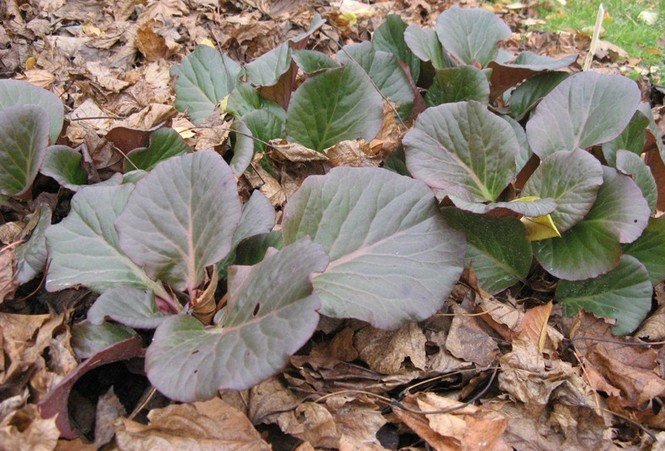
This type of cover is used primarily in the fall. However, fallen leaves are considered a rather risky method of covering garden crops. This is due to the large number of fungal microorganisms they contain, which can cause serious plant diseases.
If you decide to mulch the soil with leaves, you should thoroughly treat the material with special insecticides. Finally, dry the leaves.
The best option is to add leaves to compost. This mixture will be as beneficial and safe for garden crops as possible.
Inorganic mulch
These substances are characterized by a lack of nutrients and the ability to decompose. The primary functions of inorganic compounds are considered to be decoration and protection. Given their resistance to decay, inorganic substances retain their original appearance for a long time—from several months to several years.
Gravel and crushed stone
These materials are used to create a unique garden design: embellishing rock gardens, flower beds, and the trunk areas of fruit trees. Gardeners using crushed stone or gravel should keep in mind that weeds will grow in the cracks between the stones. Therefore, it makes sense to address this issue before laying the cover.
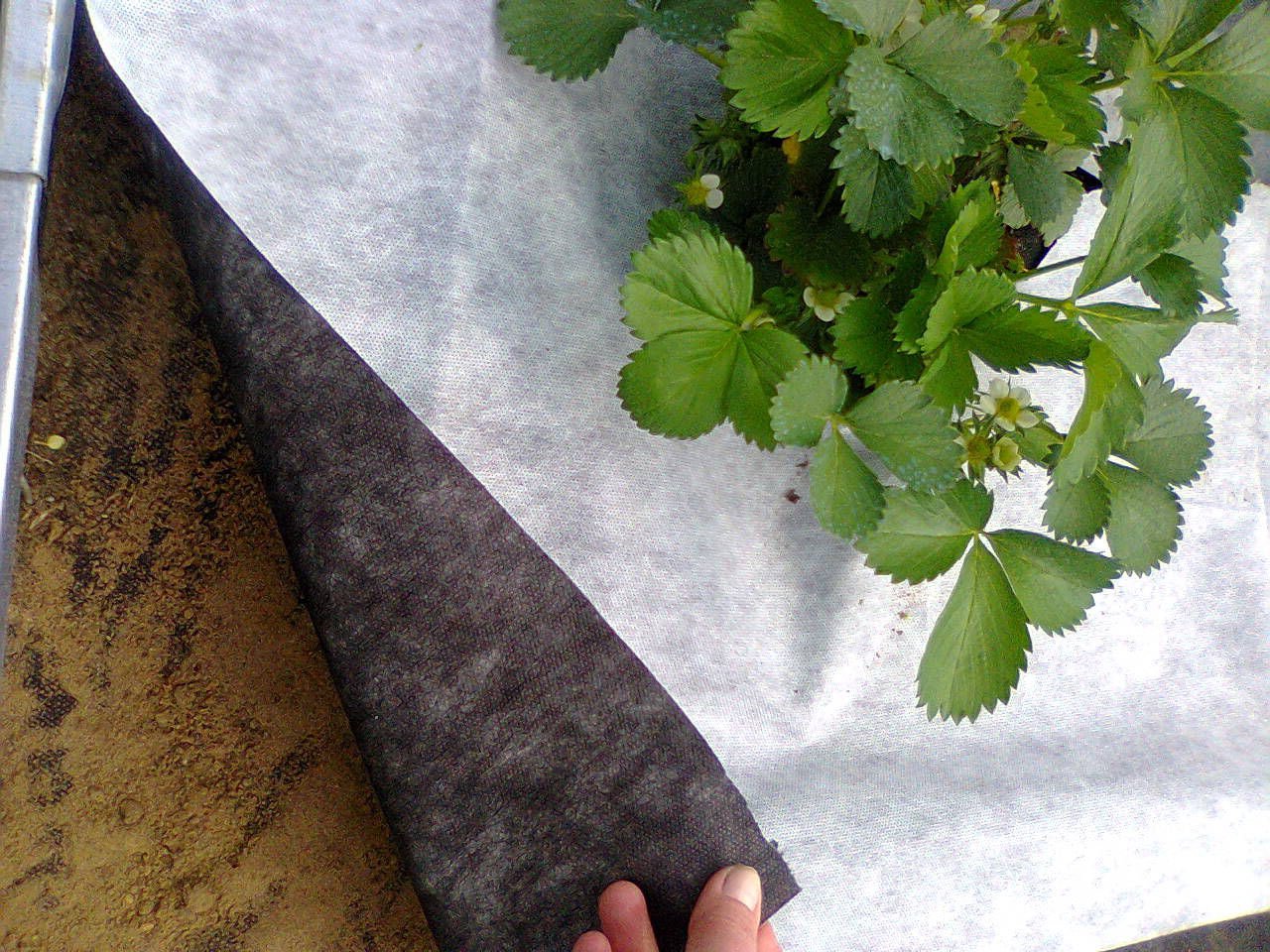
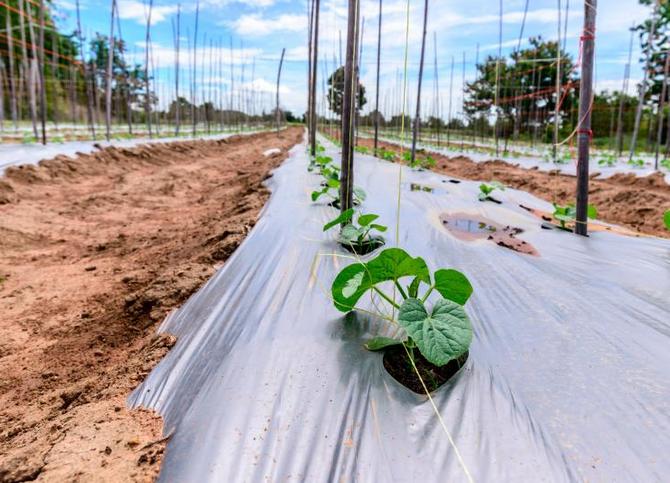
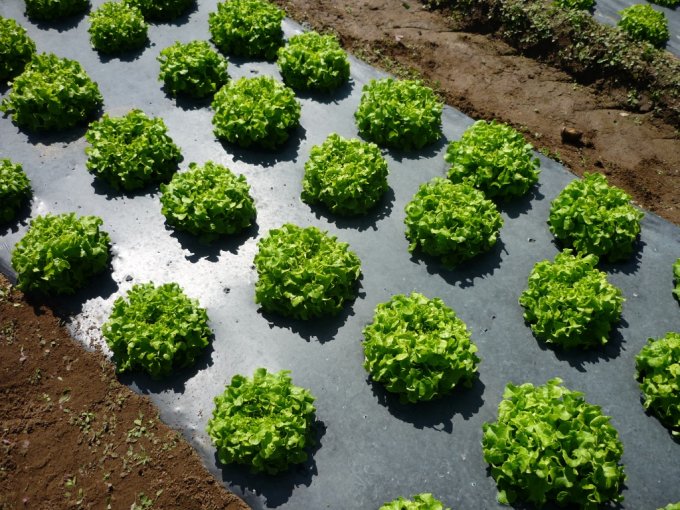
Film and non-woven covering
The film's popularity stems from its moisture-retaining properties. Furthermore, weeds generally don't grow under this material. However, black film also has a number of disadvantages:
- Difficulty in watering. You'll have to manually moisten the soil by pouring water through the film holes. To solve this problem, you can install a drip irrigation system in your garden.
- Heating of the upper soil layers. Black soil attracts sunlight, so the soil will always become overheated. If exposure to sunlight is combined with excessive soil moisture, plant roots can rot.
Most often, non-woven material and film are used for mulching potatoes, strawberries, and tomatoes.
Paper waste
This covering is used only as a supplement. It should be combined with other types of mulch for maximum effectiveness. The main advantage of paper waste is its ability to absorb moisture. Therefore, plants covered with paper are reliably protected from overwatering.
Paper scraps are also used to prevent weeds. Cardboard is placed under any type of natural cover to block sunlight.
How to properly mulch the soil
To obtain high-quality material, you don't need to buy ready-made mulch. You can make mulch at home. You'll need a lawn mower equipped with a grass shredder. A garden shredder is ideal for creating organic cover from bark, straw, grass, and branches.
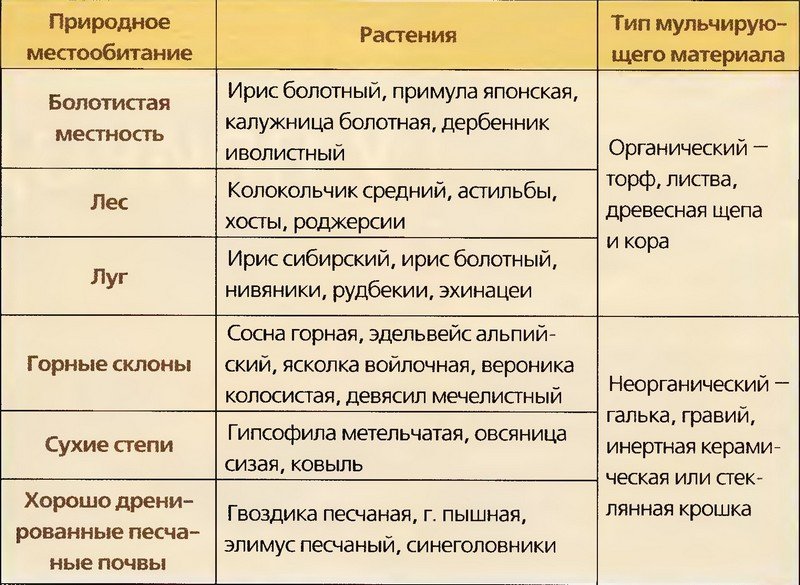
Types of mulch for different garden crops
Mulching is a fairly simple process, but it still requires following certain guidelines. The process of treating the soil with specialized organic or synthetic materials consists of the following steps:
- Soil clearing. The soil should be thoroughly cleared of weeds, rotting plant debris, and other debris.
- Leveling the top layer of soil. The soil should be lightly leveled and compacted.
- Watering. Watering should be generous. If mulching is done on dry soil, the plant's root system will not receive sufficient moisture.
- Applying mulch. The layer of lightweight components should be thick, about 7–8 cm. If denser materials are used, the covering layer should be thinner, up to 5 cm.
- When treating the root zone of trees and shrubs, avoid covering the trunks. Over time, excess moisture will accumulate there, causing rotting, and the plant may rot.
Mulching is a technique used by experienced gardeners. It helps protect plants from freezing, retains essential moisture, and improves soil fertility. However, poorly selected cover or improper soil cultivation can harm plants, encouraging fungal diseases and insect pests.