
Kornevin for stimulating root growth: effective use in the garden and at home
Content
Composition of the drug "Kornevin"
The active ingredient in this root-stimulating biocomposition is indolebutyric acid. It contains auxin phytohormones, which are responsible for the growth and development of plant roots.
When the product comes into contact with the flower, it irritates the underlying tissues covering the stem and cuttings, stimulating the formation of new young cells. When it reaches the soil, the acid is converted into the phytohormone heteroauxin, which promotes the development of new roots.
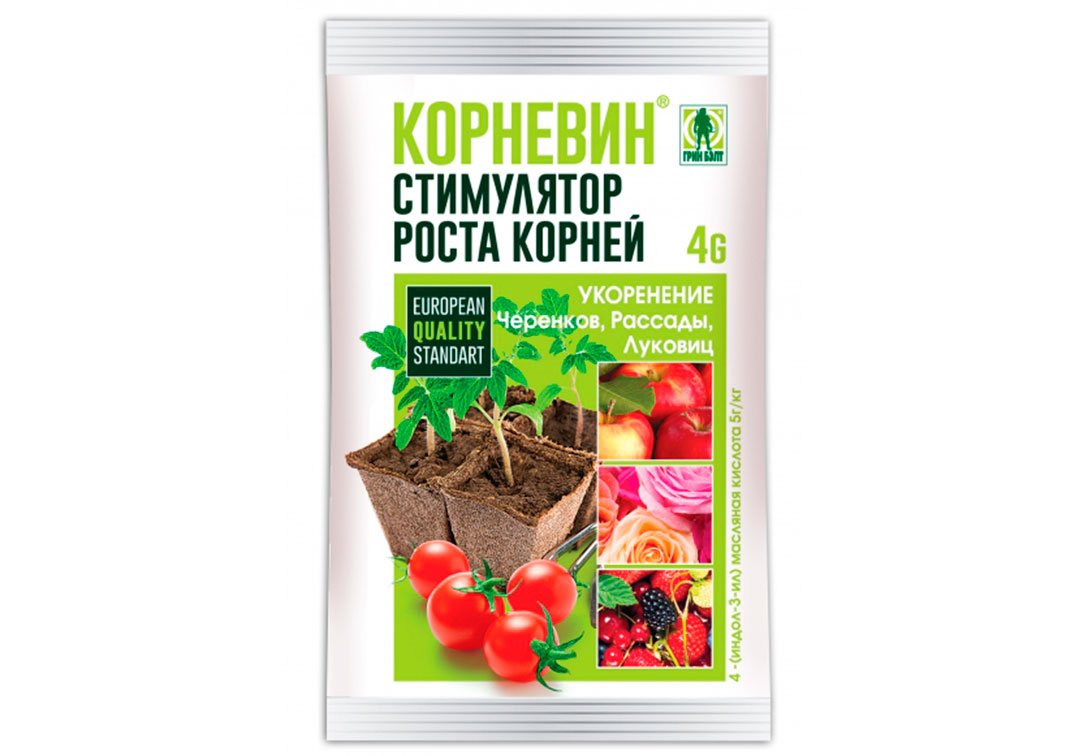
The active substance of the drug is indolebutyric acid
In addition to indolebutyric acid, Kornevin contains chemical elements found in essential mineral and organic fertilizers. Therefore, combining the fertilizer and the product has its own nuances.
Potassium and phosphorus in the product provide mineral enrichment, which intensifies photosynthesis and improves oxygen-carbohydrate metabolism. Molybdenum provides the required amount of vitamins, carotene, and ascorbic acid. Manganese acts as an antiseptic, strengthens, and promotes vigorous growth.
Video: "Biostimulator "Kornevin" - benefit or harm?"
This video explains the advantages and disadvantages of this drug.
What is it used for?
It is recommended to use growth stimulants in the following cases:
- when planting cuttings, including lignified ones, in a permanent growing location;
- when growing seedlings from seeds;
- in order to increase the yield of some self-pollinating vegetables, fruits and berries;
- to stimulate ornamental bulbs for the growth of lateral shoots;
- for the purpose of accumulating nutrients and strengthening the root system of ornamental flowers (for example, to strengthen the root system of roses before wintering);
- when grafting cuttings for successful engraftment of scions;
- to save and restore valuable exotic plants (for example, orchids).
Seed treatment to improve germination results is pointless.
Effect on the plant
The use of a biostimulant not only promotes new root formation but also stimulates cell growth, which facilitates rapid recovery from mechanical damage. "Kornevin" promotes the successful rooting of seedlings and saplings and promotes proper root system development.
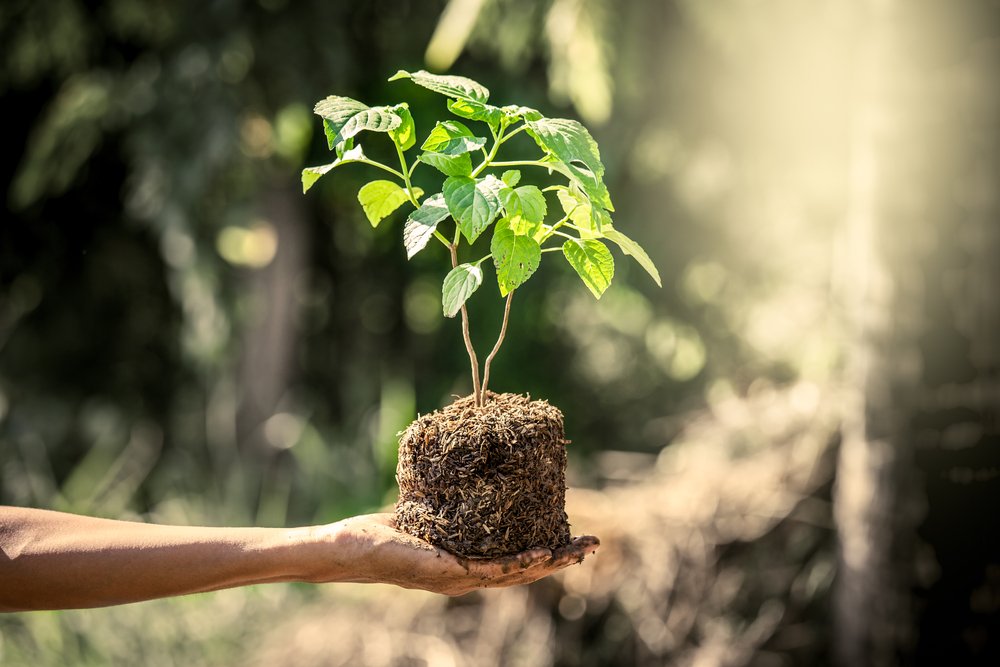
The use of a biostimulant promotes the formation of new roots
Active ingredients and chemical elements provide access to all the necessary nutrients to enable the plant to cope with adverse climatic and weather conditions: cold, drought, excessive moisture, temperature fluctuations, etc. Indolebutyric acid significantly accelerates the formation of new tissue, which promotes rapid healing and development.
Advantages and disadvantages
"Kornevin" has a number of advantages that allow the drug to be used in almost all cases related to the growth and healing of agricultural crops and ornamental houseplants.
- promotes the rooting of plants in the garden, vegetable garden and at home;
- contributes to increased crop yields;
- strengthens plant immunity to increase resistance to adverse environmental conditions;
- restores dying plants that have suffered mechanical damage or inadequate care;
- strengthens roots and promotes fruit size increase;
- A strong concentrate of the preparation helps in the fight against weeds.
- the action of an aqueous solution does not always have the intended effect;
- not suitable for complete weed control;
- overdose can have the opposite effect;
- It is not safe for humans or animals, so precautions should be taken when handling plants.
Contrary to popular belief, this product has little beneficial effect on seed germination. However, when using a biostimulant, one should also consider its drawbacks.
Instructions for use
Kornevin can be used either dry or as an aqueous solution. However, the intended use should be taken into account, as well as the fact that an aqueous solution may not always produce the expected effect.
Application of aqueous solution
An aqueous solution is prepared at a rate of 1 g of the product per 1 liter of warm water. The water should be warm, preferably around 36°C. Mix the ingredients thoroughly until the powder is completely dissolved in the water. Soak the tubers, bulbs, and seeds in the solution for 24 hours. The material can then be rooted in the soil.
When planting seedlings and saplings, pour the solution into the holes, then water the seedlings again 20 minutes after planting. The amount of solution depends on the size of the plants: up to 3 liters for trees and large shrubs, 300 ml for small shrubs, and 50 ml for flowers and vegetable seedlings.
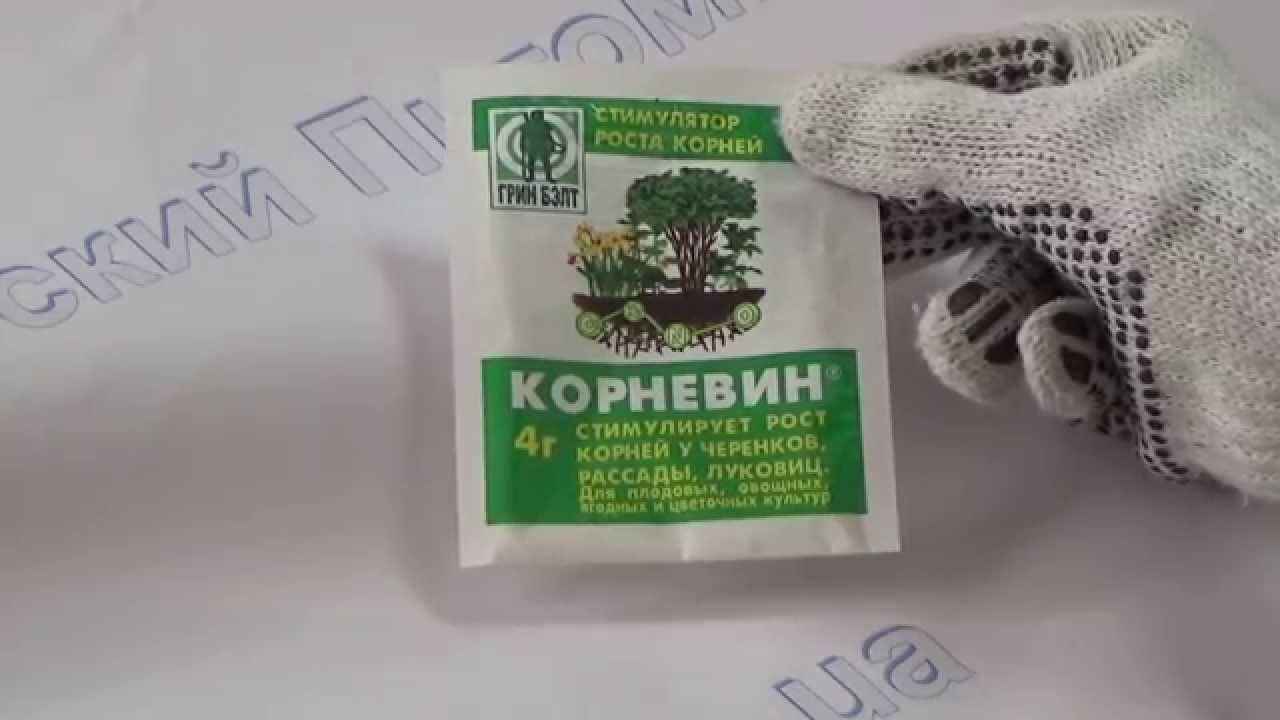
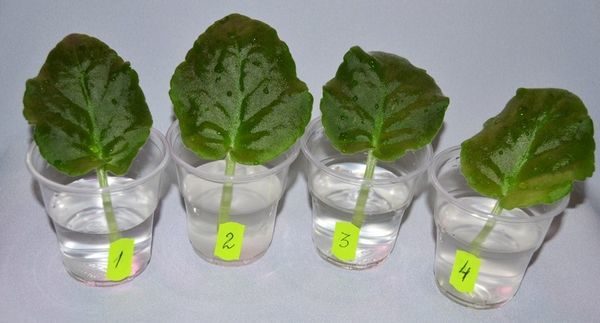
Dry application
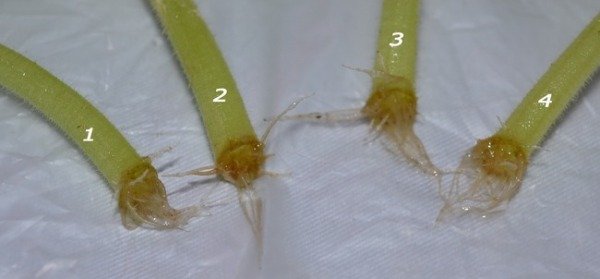
Using the product in its pure form is even easier: sprinkle the powder on the plant roots. The powder can also be mixed with crushed activated charcoal. In this case, the mixture will also act as a disinfectant.
For cuttings, dip the cut surface in the powder and then soak in water. Remove any remaining powder before planting.
It is recommended to treat scions with the preparation in combination with a fungicide to stimulate the plant’s protective properties.
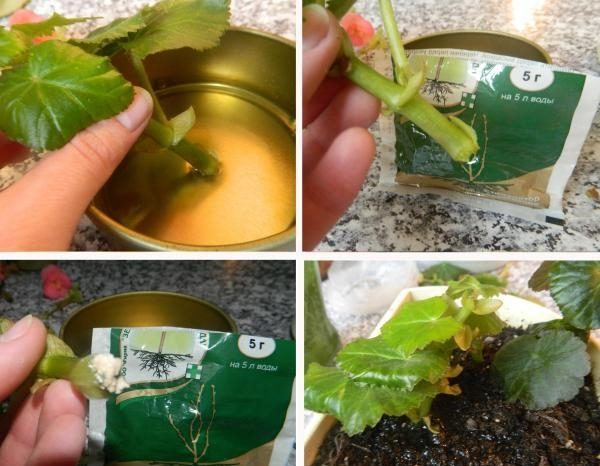
Treating geranium cuttings with Kornevin
To treat planting material, you should strictly follow the recommended doses and method of preparing the solution:
|
Name of crops |
Preparation of the solution |
Time and dose of exposure |
|
Bulbs, tubers, rhizomes |
5 g per 5 liters of warm water |
6 p.m. |
|
Tree seedlings |
5 g per 5 liters of warm water |
Watering under each plant in the amount of 2 liters |
|
Berry and ornamental shrubs |
Dilution 5 g per 5 l |
Watering each hole with 350 ml |
|
Vegetable seedlings |
Dilution 5 g per 5 l |
Watering at the root with 50 ml of the prepared solution |
|
Seedlings of flowers and ornamental grasses |
Dilution 5 g per 5 l |
Watering at the root with 40 ml of diluted solution |
Precautionary measures
As noted earlier, Kornevin is unsafe for human and animal health and is classified as hazard class 3. Therefore, when treating plants, especially when using an aqueous solution, it is important to adhere to the following rules:
- use personal protective equipment and special closed clothing;
- After treatment, thoroughly wash any areas of skin that may have come into contact with the preparation and rinse your mouth;
- During preparation and processing of the drug, drinking, smoking and eating are prohibited;
- the packaging must be wrapped in a bag and taken to a specially designated trash bin;
- To prepare the solution, you must use containers that are intended for such work, and completely exclude the possibility of using these containers for food in the future.
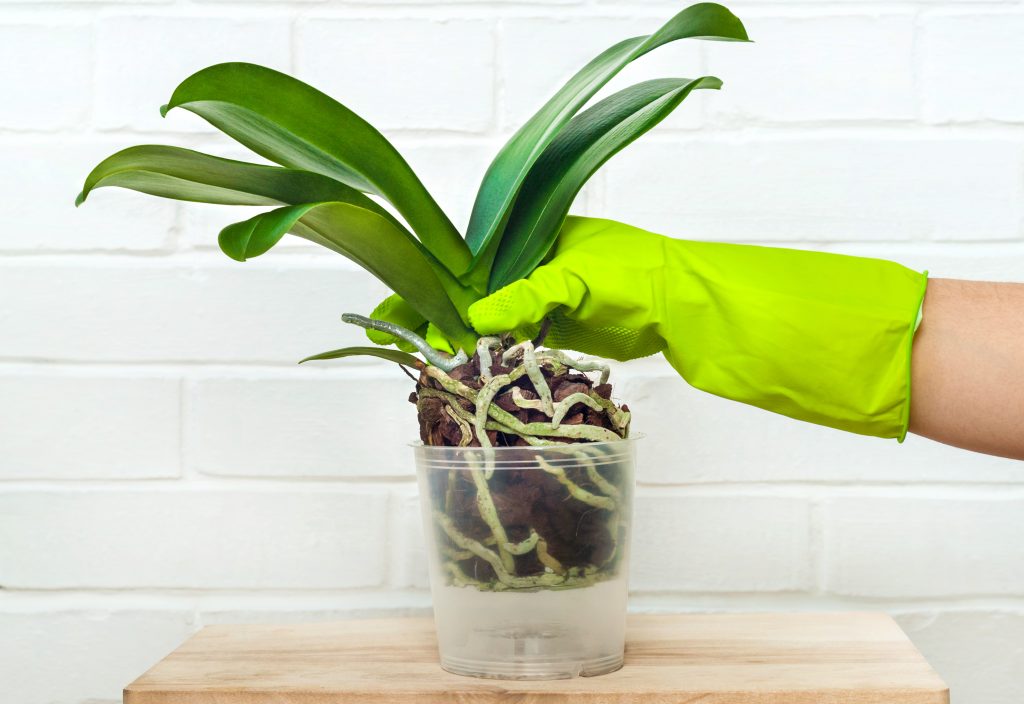
When working with a biostimulant, you must use personal protective equipment.
Compatibility with other drugs
Kornevin can be used with other chemicals, particularly fungicides and insecticides. However, it's best to test before use: mix equal amounts of the components in small doses. If no sediment is observed, the mixture is safe to use. Otherwise, consider finding a replacement.
The drug should be combined with fertilizers only on the recommendation of a specialist.
Storage conditions and shelf life of the drug
It is recommended to store the medication out of the reach of children and animals, protected from direct sunlight. The temperature should not exceed 25°C.
The shelf life of an unopened package is 3 years. Once opened, Kornevin should be stored in a special container, protected from moisture and air.
We recommend purchasing only the amount of product needed for treatment, which will be used immediately, and strictly following the instructions for use.