
Pros and cons of using the fungicide "Horus" to treat plants from diseases
Content
- 1 Detailed description of the fungicide "Horus"
- 2 Video: "Horus Fungicide for Plant Protection"
- 3 Pros and cons of the drug
- 4 Rules for preparing the solution
- 5 Instructions for use of Horus
- 6 Storage and shelf life of the drug
- 7 Analogues and compatibility with other fungicides
- 8 Toxic properties and personal safety measures
- 9 Reviews from gardeners and vegetable growers
Detailed description of the fungicide "Horus"
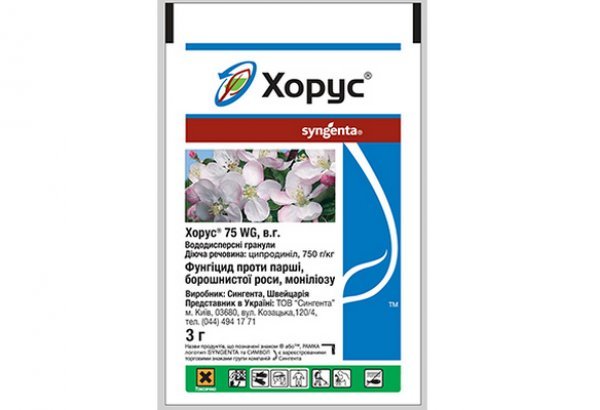
This systemic agent is particularly effective against diseases caused by fungi. The fungicide is used for treatment and prevention, helping to preserve grapevines, fruit trees, and stone fruit trees.
Sold in 1g, 3g, 15g and kilogram packages.
Active ingredients
The main active ingredient is cyprodinil, with a concentration of 75% or 750 g per 1 kg of product. The product is a beige powder, readily soluble in water, and odorless. It is more effective at lower temperatures. The long-lasting formula maintains its effectiveness even after precipitation.
Mechanism of action
The fungicide "Horus" is more effective in the early stages of plant disease. It is recommended to apply it in early spring, on cool days. This doesn't mean the product is ineffective in summer—even at 25°C, the product is effective for the first 30 minutes, but then quickly loses its effectiveness. The protection period for treated plants ranges from a week to 10 days.
Action of the drug:
- actively penetrates plant tissue through foliage, spreading to all parts of the plant;
- slows down the formation of amino acids and proteins in parasite cells, interrupting the life cycle;
- kills spores of fungi of the ascomycete, basidiomycete and deuteromycete groups during their “wintering” period, preventing them from penetrating into plant tissue;
- does not wash off in rain 2 hours after treatment;
- most effective at temperatures from +5 to +20 °C;
- The best effect can be achieved by treating the affected plant within the first 2 days after infection.
Horus is ineffective against mature mushrooms that have entered vigorous growth and have overtaken a large area of the crop, as cyprodinil is immobile and unable to penetrate thick layers. The product is ineffective when sprayed on mature crops.
Scope of application
The fungicide is approved for use in agriculture, private gardens, and orchards. The following are the ailments for which it is effective:
- Moniliosis. It causes the death of inflorescences, drying of foliage, individual branches, and shoots. Sometimes it can destroy 80–90% of the crop.
- Alternaria leaf spot. A fungal infection that affects fruit trees, vegetables, berries, and fruit crops, as well as shrubs.
- Scab. It destroys all parts of the tree – spots appear on the leaves, branches and fruit become deformed.
- Powdery mildew. It most often affects shrubs and grapes. A white, droplet-like coating appears on the surface.
- Monilial blight. Affects stone fruits such as cherries and sour cherries. Causal agents include gray mold and fruit rot.
- Berry rot of grapes. It destroys bunches during flowering and ripening. It also damages the comb and wood of the grape bush.
These are very common diseases with widespread effects; fungal spores are carried by insects and winds from the infected area to the surrounding area.
-
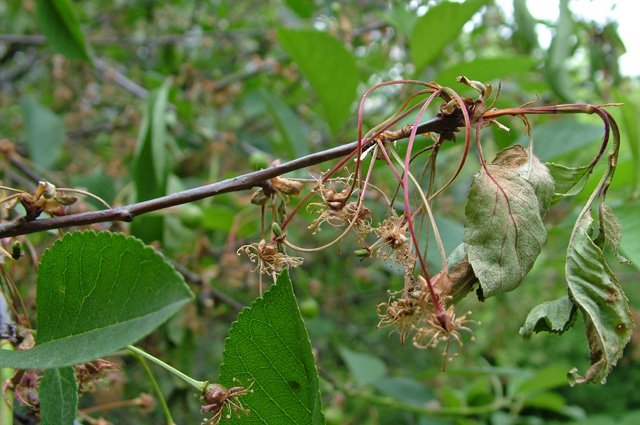
- Moniliosis
-
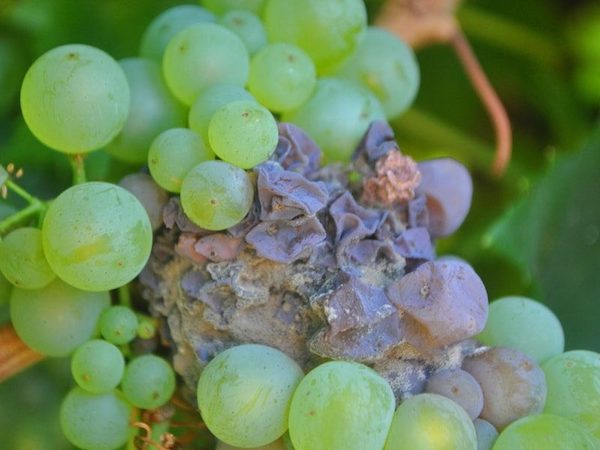
- Gray rot of grapes
-
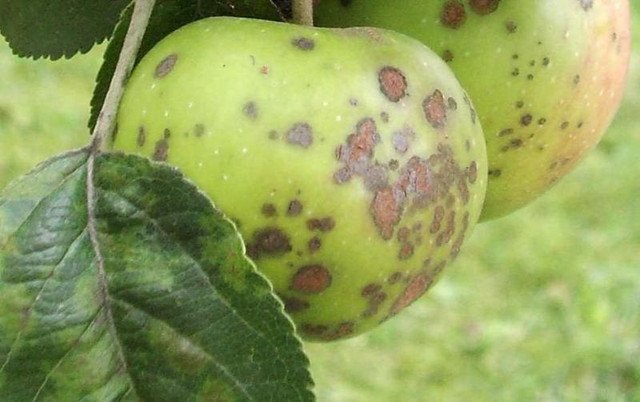
- Scab
-
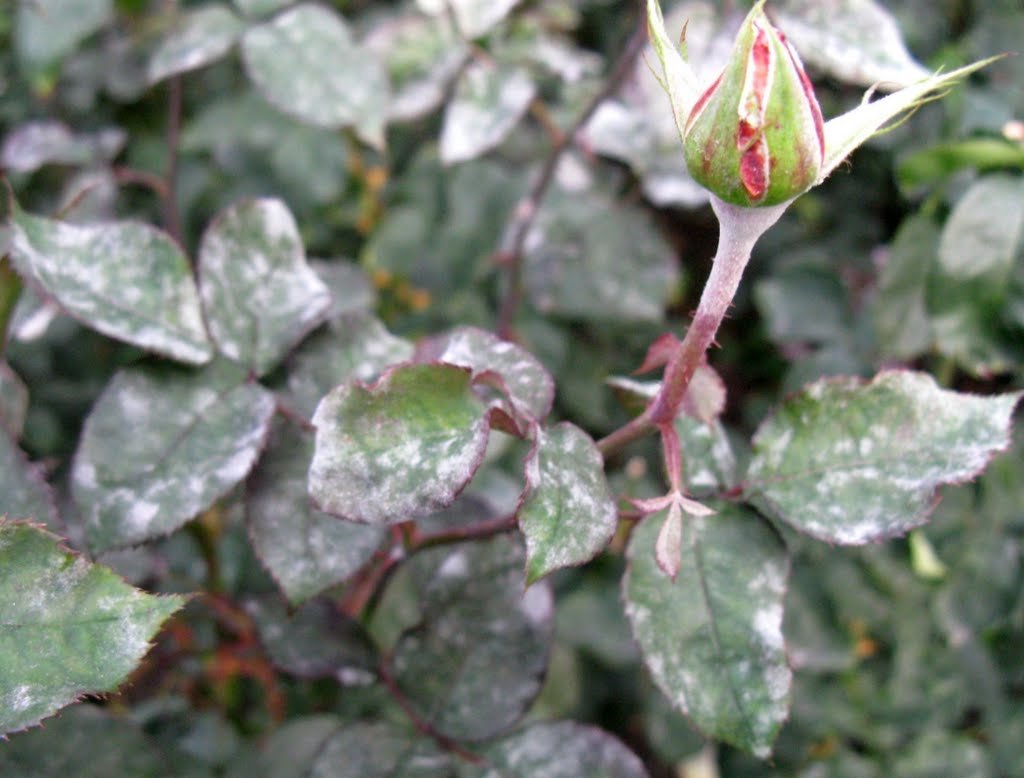
- Powdery mildew
Video: "Horus Fungicide for Plant Protection"
In this video, specialists talk about the specifics of using the drug.
Pros and cons of the drug
Experts use this composition more often than similar ones for several reasons.
- lower concentration with greater efficiency;
- rapid action (within 2-3 hours);
- does not penetrate into the soil and does not harm future plantings;
- universal application – treatment, protection, prevention;
- effective in cold and damp weather;
- protects late harvest from rot.
- efficiency drops when the temperature rises to +20 °C and above;
- It only affects the sprayed plant and does not spread to neighboring plants – the entire affected area must be thoroughly treated;
- ineffective when spraying mature crops.
Rules for preparing the solution
To ensure the product remains as effective as possible yet relatively safe, it must be prepared and used correctly. The following are the preparation guidelines:
- 10 liters of clean water are poured into the sprayer;
- add 2–6 g of the composition (the concentration depends on the plants being treated);
- stir until completely dissolved.
This dose is enough to spray several large trees or shrubs over an area of 100 m2.
Instructions for use of Horus
Treatment should be carried out in calm, dry weather. The cooler the air, the better. Ideal conditions: temperatures of 3–10°C. For prevention, spray twice:
- the first time - before flowering begins;
- the second time - immediately after its completion.
The final treatment of grapes, strawberries, and wild strawberries should be performed a week before harvesting. Otherwise, the chemicals will not have time to decompose, making the fruit unsafe to eat. Fruit sprayed with the product should be eaten no sooner than a month later. Harvesting earlier is permitted, especially since the product prevents rapid rotting.
The solution remaining after treatment is not suitable for reuse—the active components decompose within 2 hours. Let's consider the differences in fungicide application for different garden crops.
For fruit crops
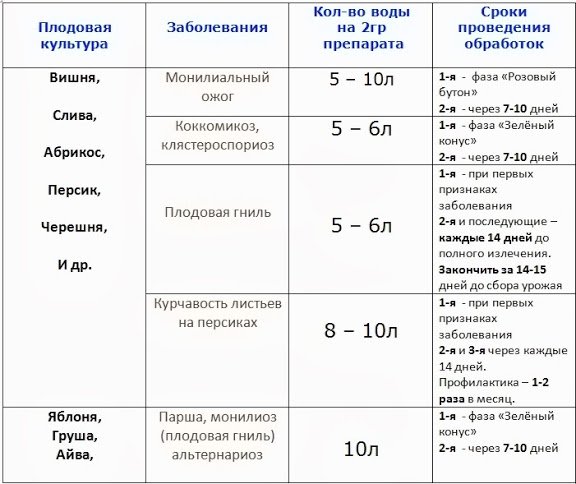
The dosage of the preparation is 2 g per 10 liters of water. Spraying is carried out according to the following rules:
- peaches and apricots: the first spraying at the stage of bud formation, the second – after 1 week;
- apple, pear and plum trees: the first – at the stage of budding, the second – after 2 weeks;
- stone fruit crops: first treatment one week before harvesting, repeat treatments are performed twice every 7 days.
For coniferous trees
Horus is a good preventative against needle browning. Spray in the spring (May) during the active shoot growth stage. For reliability, repeat the treatment after 10 days.
For grapes
The dosage of the preparation is 4–6 g per 10 liters of water. Spray the shrub three times per season:
- during the formation of buds;
- during berry formation;
- until the fruits are ripe.
For strawberries and wild strawberries
The dosage of the product is 2–2.5 g per 10 liters of water. The emphasis is more on prevention, as it is difficult to completely cure the remaining leaves on the ground.
The treatment is carried out twice:
- after collection;
- in the fall, during the preparation stage for winter.
For roses
The dosage of the preparation is 1 g per 5 liters of water (a little less than 2 liters is used per bush).
Spray in early spring before buds form, choosing a time after sunset. One treatment is sufficient for prevention, and for treatment, repeat after 10 days.
Storage and shelf life of the drug
Store Horus in a cool, dry place in its original packaging. Its shelf life is 3 years. After dilution, it retains its potency for 24 hours.
Analogues and compatibility with other fungicides
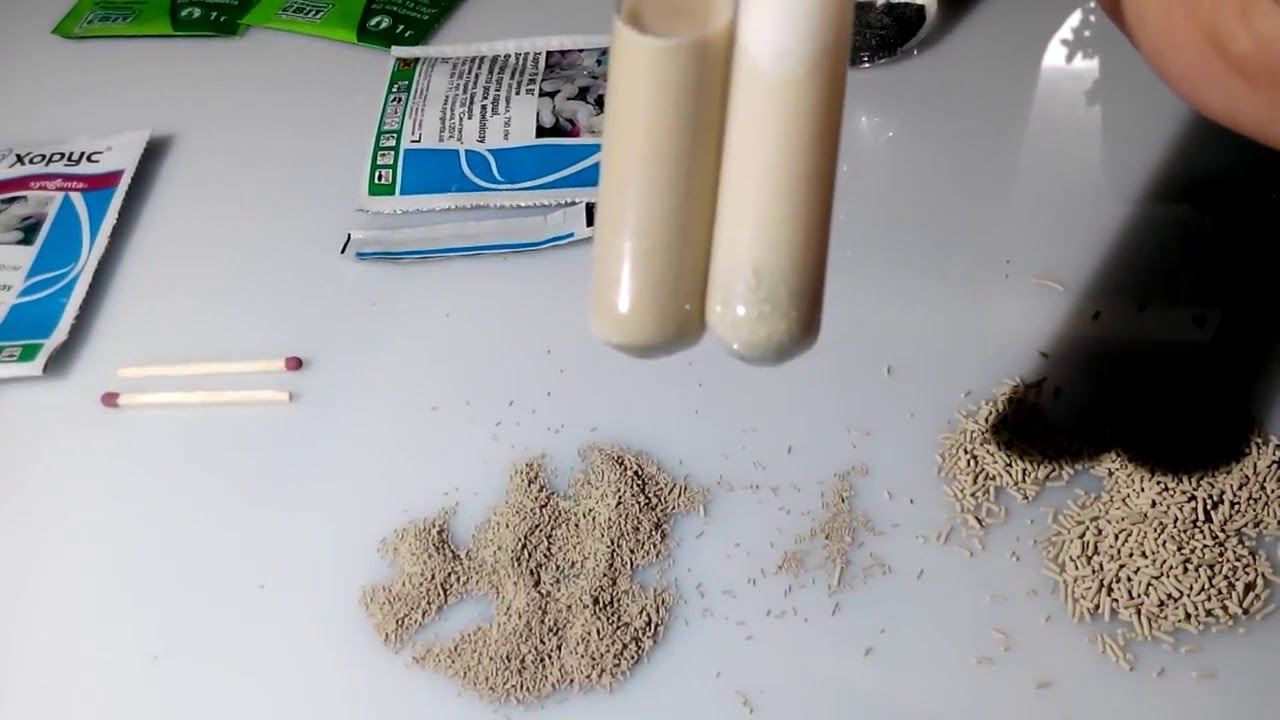
It can be used in conjunction with other fungicides, but it is advisable to check compatibility beforehand. To do this:
- make solutions of Horus and the substance being tested;
- mix;
- The mixture is left for a couple of hours, then checked for sediment.
If the sediment is minimal and does not differ from the standard, compatibility is normal. Gardeners and summer residents successfully use Horus with:
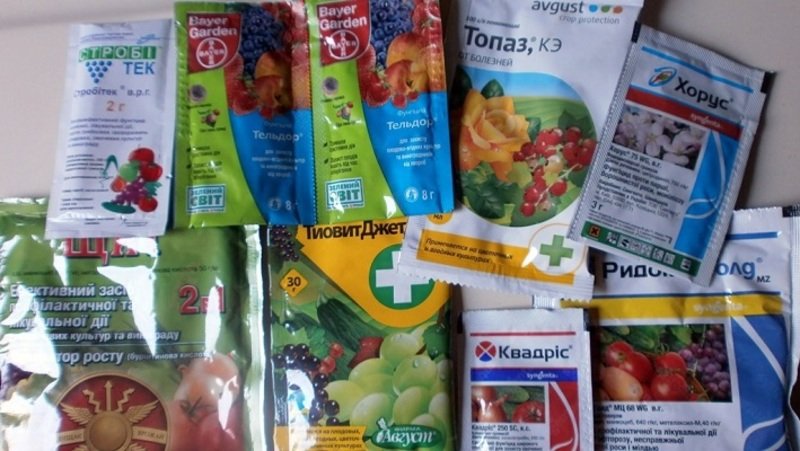
- "Aktaroy";
- "Coming soon";
- "Sumition";
- Topaz.
An analogue of the fungicide "Horus" is the product "Guardian" from the company Ukravit.
Toxic properties and personal safety measures
Belongs to toxicity class III, i.e. the preparation does not cause any significant harm to beneficial pollinating insects, domestic warm-blooded animals and people if safety rules are observed.
However, the product is toxic to fish and is not recommended for use near inhabited bodies of water.
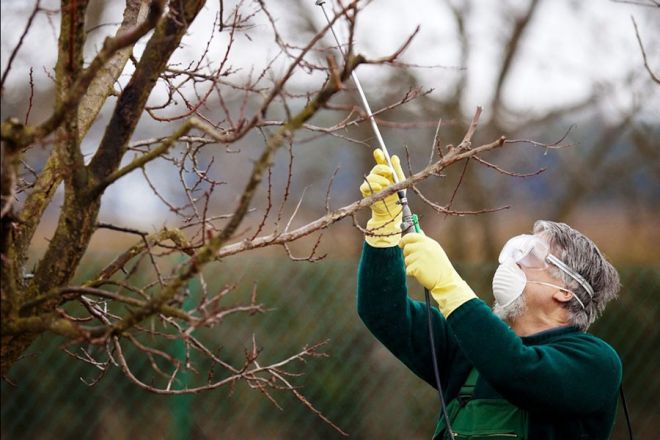
Since you have to work with chemicals, you need to follow safety rules when spraying:
- wear a protective suit with a respirator and glasses;
- do not eat or drink during the process;
- ensure that the solution does not come into contact with eyes or mucous membranes (if it does come into contact with eyes, rinse with water);
- Do not allow strangers or animals into the treatment area (15 m).
After finishing the treatment, rinse the sprayer with clean water and wash your hands with soap.
Reviews from gardeners and vegetable growers
"Based on feedback from my neighbors, I started spraying the grapes with this anti-rot product. It's been working great for the second season now; it's a good product."
I spray my apricot trees before flowering. Previously, the harvest would decline significantly by the end of the season, but now I can save everything. I highly recommend it."
The product has proven itself as a preventative measure and a cure for common diseases in their early stages. Its broad spectrum of action and early application prove that every self-respecting gardener should have Horus in their medicine cabinet.