
Soil fungicide Gliocladin: instructions for use and application tips
Content
Detailed description of the biopreparation
Gliocladin is a biological fungicide that protects plants from fungal infections. It has a mild action, so there are no restrictions on its use. However, it's still important to be aware of its properties.
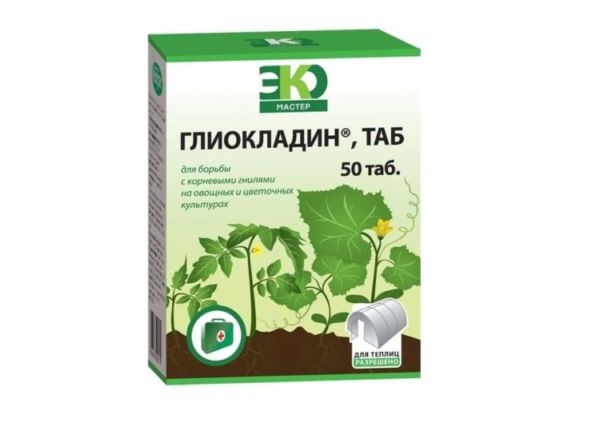
Gliocladin protects plants from fungal infections
Video: "Gliocladin Biofungicide for Plant Treatment"
This video describes a biological product against fungal and bacterial diseases on any crop.
Release form and manufacturer
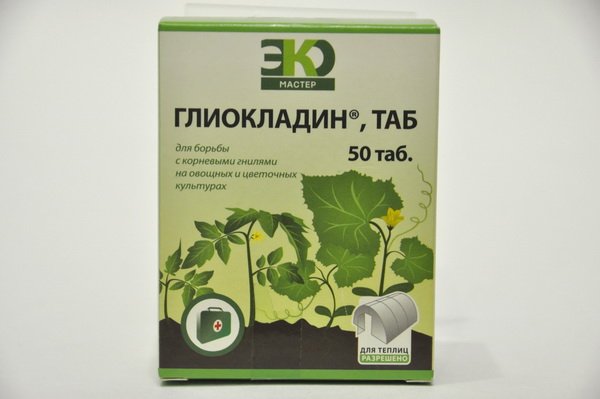
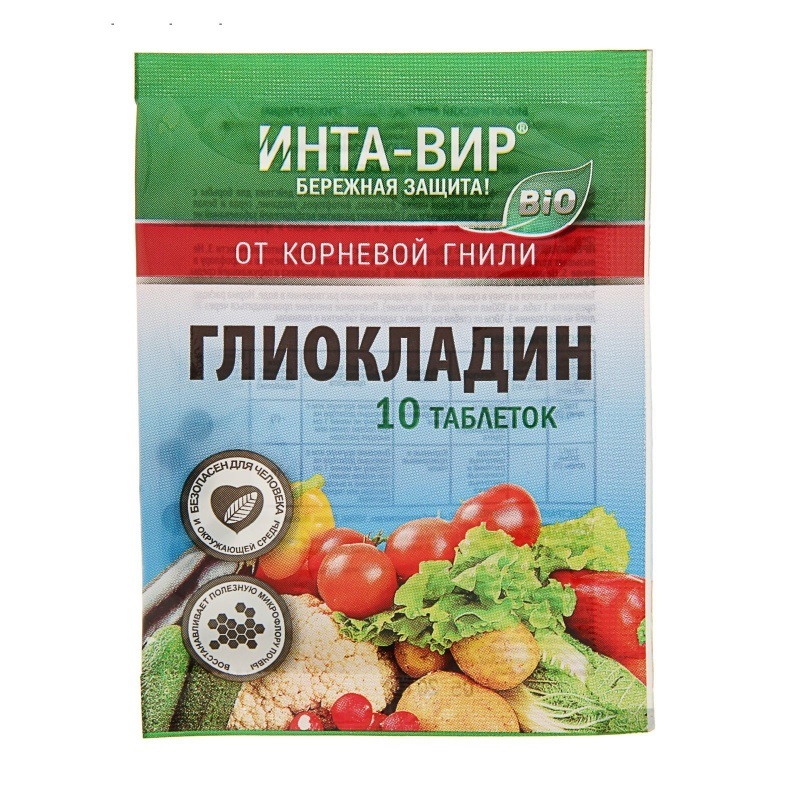
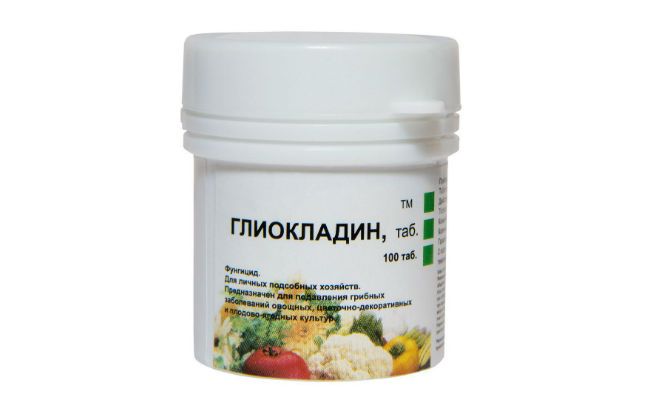
The biofungicide "Gliokladin" is manufactured by Agrobiotekhnologiya CJSC (Moscow). It is available in tablet form. The tablets are packaged in various sizes or in plastic jars containing 100 or 1,000 tablets. The product is also available in powder form. It is used to prepare a suspension for soil treatment. Prices range from 75 rubles and up.
Composition and principle of action
This biological product is based on the fungal microorganism Trichoderma harzianum (strain VIZR-18). It destroys pathogenic fungi and bacteria and inhibits their growth. The active ingredient retains its properties for 3–7 days after treatment, depending on environmental conditions. The fungicide continues to protect the plant for another 1.5 months, until the next application.
Trichoderma enters the soil, grows rapidly, and attacks the cells of pathogenic microorganisms, dissolving them from the inside. The infection is blocked in a different way: Trichoderma harzianum forms hyphae that surround the harmful fungi, preventing their further development.
Application and dosage
The biofungicide "Gliokladin" is a universal preparation suitable for vegetable, fruit and berry crops, as well as indoor plants. It is used to treat root system damage caused by various putrefactive diseases, including brown spot, wilt, rot, black scab, and late blight. It is also used to treat the soil before planting or sowing, as a preventative measure.
The instructions do not recommend foliar spraying, as Trichoderma is only active when it penetrates the soil to a depth of 1–8 cm. Beneficial microorganisms require certain conditions to form hyphae:
- humidity – 60–80%;
- temperature – 20–25 °C;
- acidity – pH 4.5–6.
One fungicide tablet is suitable for 300 ml of soil. Gliocladin tablets are not water-soluble. The powder is used at a ratio of 50 g per 1 liter of liquid. The prepared suspension is suitable for use within 2 hours. One liter of the product can treat up to 1 hectare of area.
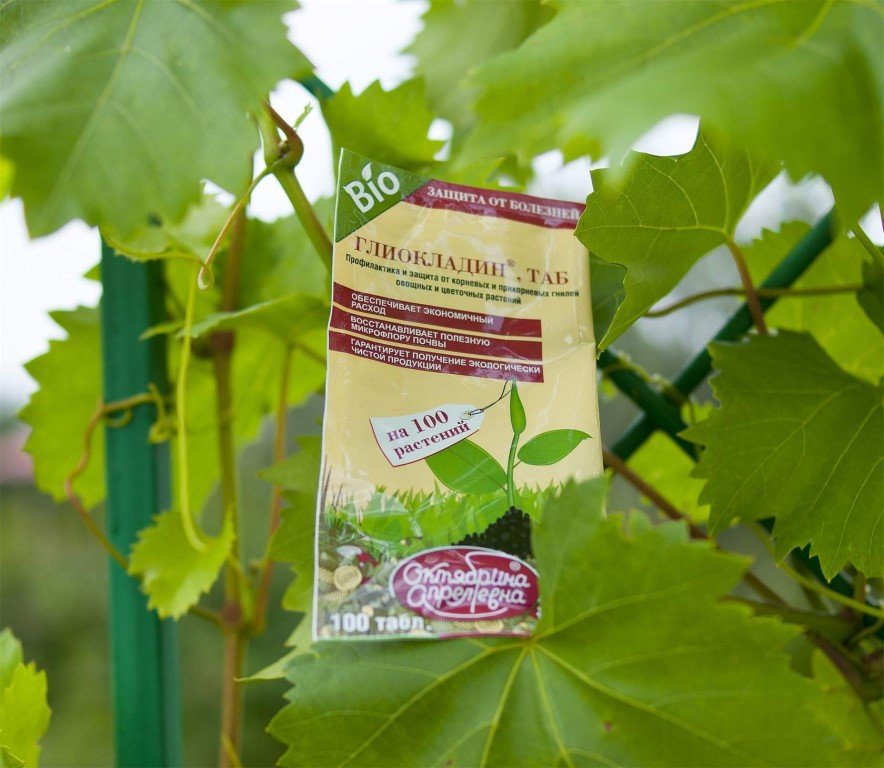
Biofungicide "Gliokladin" is a universal preparation.
Advantages of the drug
"Gliocladin" is not a chemical fungicide, but it has undeniable advantages over other drugs:
- non-phytotoxic;
- highly efficient;
- environmentally friendly;
- does not contain any chemicals;
- restores the balance of soil microflora;
- restores soil after the use of chemicals;
- can be used at all stages of crop growth and development;
- increases the shelf life of the harvest.
Instructions for use
Gliocladin tablets are applied to the soil whole. There is no need to crush or grind the tablets. Their porous texture allows them to disintegrate naturally when exposed to moisture.
When growing vegetable crops
Tomatoes, cucumbers, and other vegetable crops can be treated with Gliocladin even during the fruiting period. The fungicide is applied as follows:
- Before planting the seeds, the preparation is deepened into the prepared soil mixture, well moistened and left for 7 days.
- For an affected adult crop, it is sufficient to place 1–2 units of fungicide at the base of the plant.
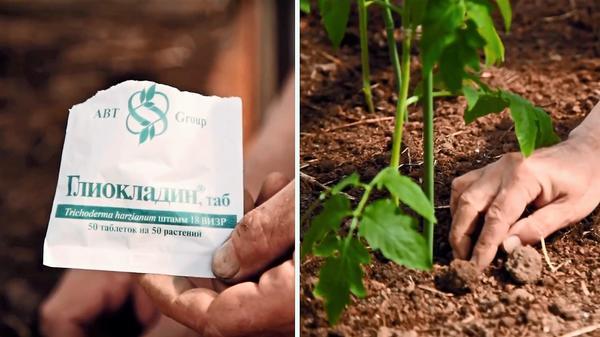
- When transplanting, place half or a whole tablet under each seedling.
- As a preventative measure, it is enough to place one unit of “Gliocladin” into the planting hole before planting the seedlings.
For ornamental flower plants
Gliocladin treatment for ornamental plants is similar. It differs from treatment for vegetable crops only in the duration of the product's activity. Trichoderma harzianum's activity period also lasts 1.5 months, but is limited to the warmer months.
Trichoderma dies in winter, so the fungicide must be applied to the soil again in spring.
For indoor flowers
Preventative soil treatment is performed twice: in early spring and fall. The dosage is the same as for other crops: 1 tablet per 250–300 ml of soil.
When repotting flowers, apply one tablet of fungicide to a pot smaller than 17 cm in diameter. Place the tablet in the top layer of soil, close to the base of the plant. If the pot is larger, apply three tablets, inserting them directly into the root system. For a pot with a diameter of 20 cm, use four tablets, evenly spaced around the root system. The biofungicide begins to work fully 7 days after application.
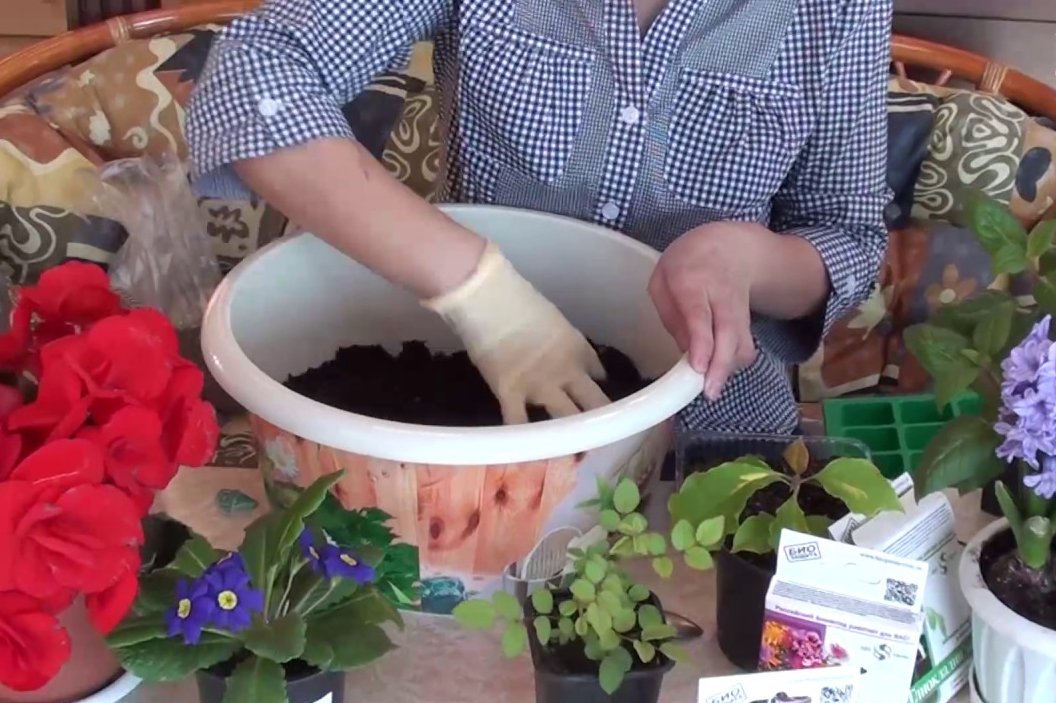
Biofungicide is used when replanting indoor flowers.
Compatibility with other drugs
The only product that can be combined with Gliocladin is Planriz. This biological fungicide has a bactericidal effect, slowing down putrefactive processes.
The use of biofungicides with chemicals is strictly prohibited. Chemicals inhibit Trichoderma harzianum fungi, causing their death. Treatment should be carried out two weeks after tablet administration.
Biological products with the same active ingredient are also not recommended for use in combination with Gliocladin. Fungicides targeting different Trichoderma strains are an exception. The interval between treatments with the two products should be at least 5 days.
Toxicity and precautions
The biofungicide belongs to toxicity class 4 and poses no hazard to humans. The product has no effect on the plants themselves and can also be used near apiaries and fish farms. Although the product is harmless, minimal precautions should be taken:
- When working with Gliocladin, it is necessary to use gloves;
- Do not dilute the powder in food preparation containers;
- do not transport by air;
- If the tablet is accidentally swallowed, induce vomiting and take an absorbent;
- If it gets on mucous membranes, rinse them with plenty of water.
It is recommended to treat flowerpots with indoor flowers using a caustic soda solution (2%).
Storage terms and conditions
Gliocladin should be stored separately from food and other medications. Store in a dry, dark place, out of the reach of children and animals. Maximum storage temperatures are -30°C and +25°C. The fungicide is shelf-stable in sealed packaging for six months from the date of manufacture.
Gliokladin is a universal product with no analogues. Numerous positive reviews demonstrate the biofungicide's effectiveness in combating pathogenic microorganisms.