
What is mycorrhiza and how does it benefit plants?
Content
What is mycorrhiza?
Mycorrhiza is a mutually beneficial coexistence between a plant and a fungus. The fungi must be non-pathogenic. The literal definition of the term "mycorrhiza" means "fungus root." Indeed, fungal spores penetrate the plant's roots, creating a dense network. This increases the shrub or tree's ability to absorb soil moisture.
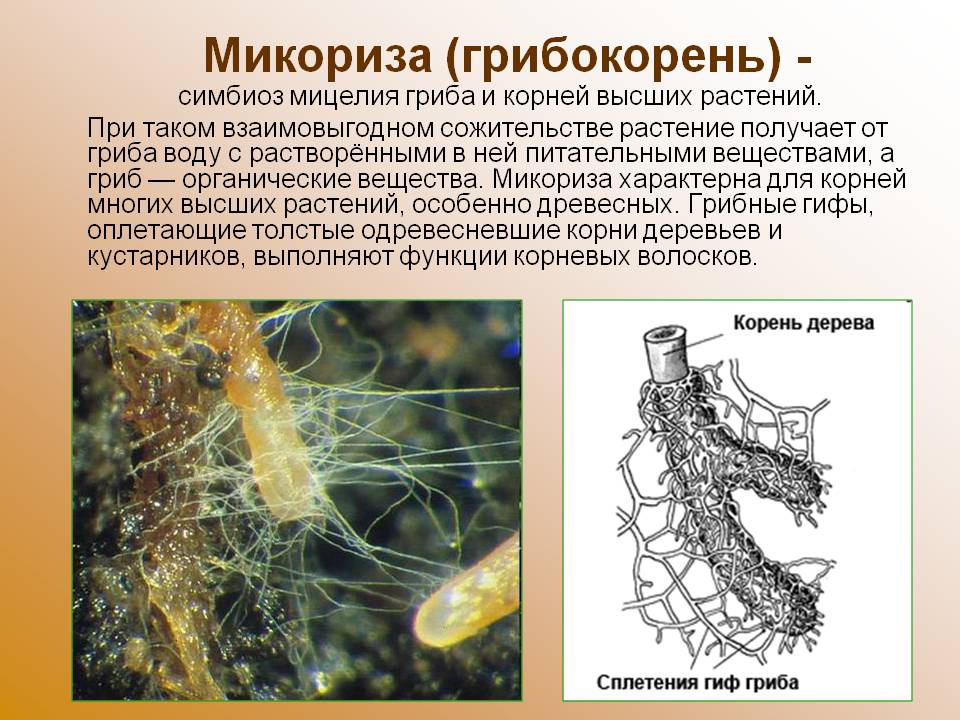
Mycorrhiza is a mutually beneficial coexistence between plants and fungi.
Video: "The Benefits of Mushroom Root for Plants"
In this video, experts explain what mycorrhiza is and what role it plays in plant life.
Habitat
The phenomenon of mycorrhiza has been around for many years. About 80% of all plants form a symbiotic relationship with non-pathogenic fungi, known as mycorrhiza. However, such associations are often found in their natural habitats—forests. In home environments (gardens, vegetable gardens, and front yard gardens), mycorrhiza is rarely encountered. This is due to the introduction of chemicals—fertilizers and insecticides—into agriculture and home gardening.
Beneficial properties
Agronomists have found that mycorrhiza has a positive effect on the growth and development of virtually any plant. Much of this benefit is due to the soil's content of the protein glomalin, which is essential for normal plant life. According to scientists, this substance is formed in the soil by non-pathogenic fungi.
Furthermore, mycorrhizal fungi have a beneficial effect on the soil, improving its quality characteristics, such as porosity and fertility. At the same time, the symbiosis stimulates aeration processes (oxygenation of the topsoil).
Plants in such a union are in a rather advantageous position. The main advantage of mycorrhiza is that it increases the ability of roots to absorb nutrients. Fungal spores, penetrating the root system of a tree or shrub, form numerous fine threads. These fibers easily penetrate the soil's pores, extracting nutrients that are then transferred to the plant.
It is worth noting that the length of mycorrhizal fibers can reach 50 m.
In addition to nutrients, non-pathogenic fungi provide their "host" with a type of antibody. These antibodies help plants become more resistant to adverse environmental factors, minor pests, and diseases.

The role of fungal root in plant life
Noticeable effect of action
The most successful example of mycorrhiza are forest mushrooms. After all, they are the fruiting bodies of a mycorrhizal fungus that lives in symbiosis with the tree's roots. A quick look back at your biology lessons will remind you that some mushroom species grow in close proximity to certain crops.
For example, porcini mushrooms can be found under oak, spruce, and pine trees. Saffron milk caps thrive primarily under coniferous trees, while chanterelles are less demanding—they can easily inhabit almost any coniferous or deciduous tree.
Advantages and disadvantages of using mycorrhiza in plant life
The main positive qualities of the coexistence of mushroom and plant cultures include:
- Increasing the area of absorption of nutrients by the plant.
- Increasing the amount of moisture received by a tree or bush.
- Increasing the level of stress resistance and resistance to diseases.
- Improving the yield of fruit and berry crops.
- Strengthening the plant's root system, which is due to the receipt of a much larger amount of useful macro- and microelements.
- Stimulation of crop growth and development by mycorrhiza.
The only drawback of this symbiosis is the complex technology of producing the mycorrhizal fungus, or more precisely, the vaccine containing its spores.
Types of mushroom root
Mycorrhiza is a naturally occurring phenomenon. However, many gardeners, having learned about the beneficial properties of this coexistence, decide to plant non-pathogenic fungi in their gardens.
Endotrophic mycorrhiza
This type of mycorrhiza is characterized by the mycelium penetrating the roots of a tree or shrub. This form of symbiosis is more productive, as the plant receives the maximum amount of nutrients. This is why this type of symbiosis has become widespread in agriculture.
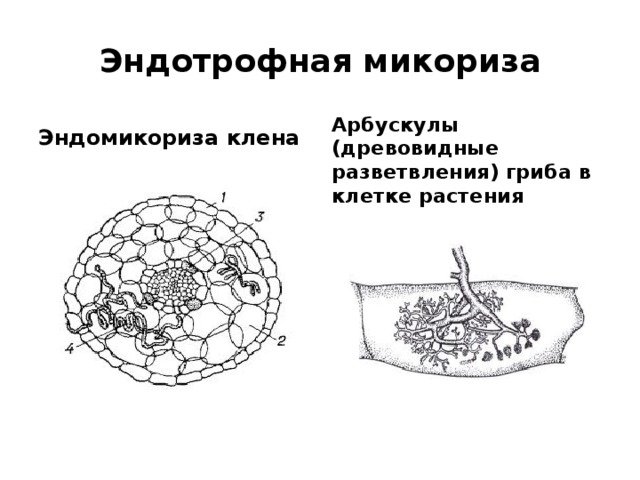
Endotrophic mycorrhiza involves the penetration of mycelium into the roots of a tree.
Exotrophic mycorrhiza
This form of symbiosis is characterized by the external intertwining of fungal spores with the roots, without penetrating the root fibers. This type is less productive from an agricultural perspective. This is due to the one-sided symbiosis; in other words, only the fungus receives nutrients.
Mixed mycorrhiza
This type is characterized by the spread of fungal spores along the surface of the root system, penetrating into the roots. In nature, this type of mycorrhiza is often found in woody species.
Mycorrhizal vaccinations
Mycorrhizal vaccines contain fungal spores. Today, numerous mixtures have been developed that are suitable for garden crops. Formulations for flowers, including orchids, hydrangeas, roses, and deciduous and coniferous plants, are in high demand.
Mycorrhiza mixtures for lawn grass are quite popular.
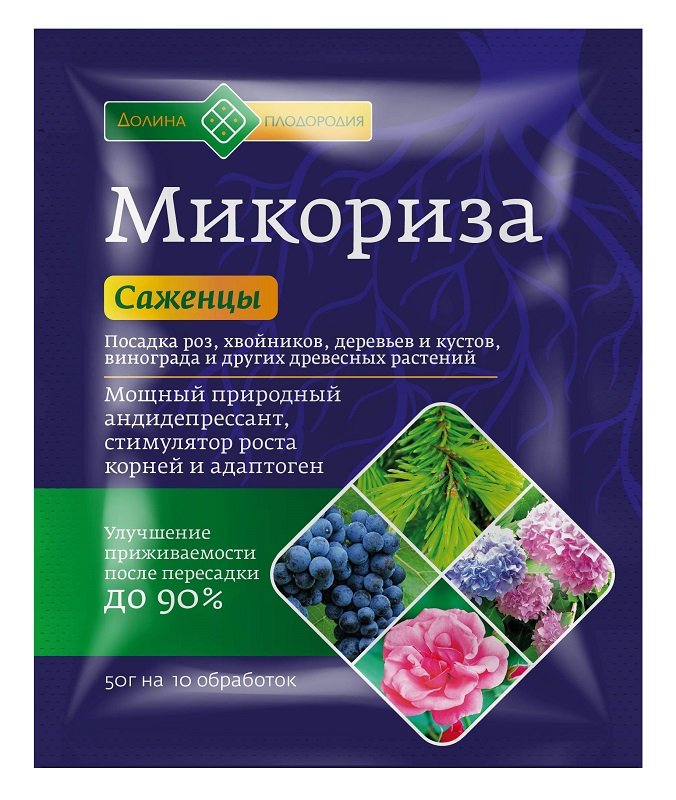
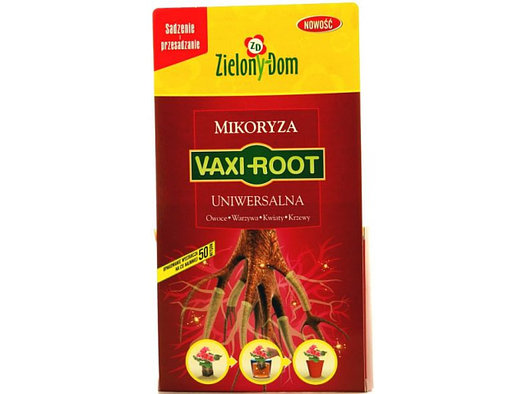
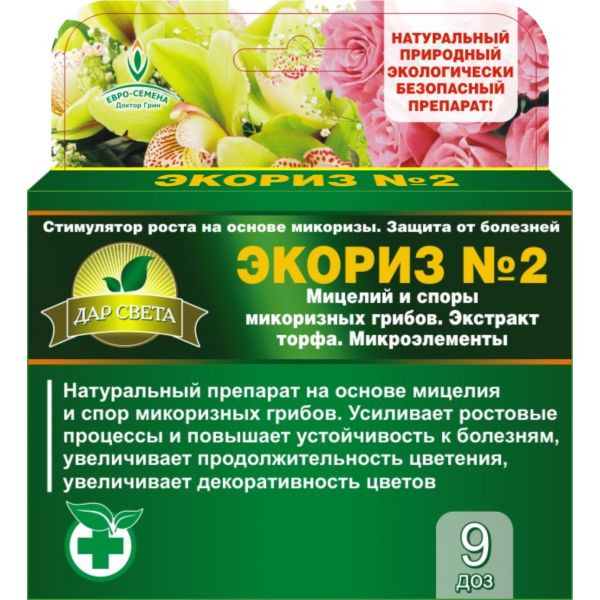
Rules for the use of mycorrhiza vaccine
Gardeners who decide to introduce mycorrhiza into their gardens often ask about the highest-quality and most effective mixtures. Before choosing a formula, it's important to understand the important aspects of using a mycorrhiza vaccine:
- Powdered formulations are sprinkled into the potting soil and watered. Suspensions and emulsions are injected into the top layers of soil using a syringe.
- Fungal spore vaccines are not very reliable because they depend on environmental conditions. Mycelial hyphae are considered much more stable. When planted in soil, they immediately establish a symbiotic relationship with the plant's root system. Gel-based hyphae are the most reliable. This consistency prevents the mycelium from drying out, which is considered essential for maintaining the fungus's vitality.
- After the mycelium has been introduced into the plant's roots, avoid applying fertilizers or fertilizers for 2–3 months. Insecticides should also be avoided.
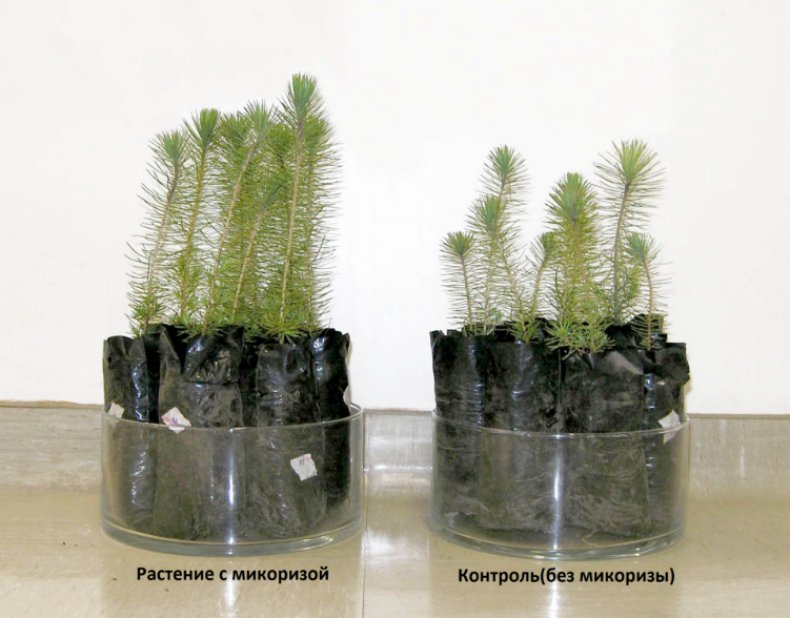
Mycorrhizal vaccines improve plant viability
It's important for a beginning gardener to understand that there's no universal mycorrhizal fungus suitable for absolutely all plants. Each crop requires a specific type of mycorrhizal fungus.
Mycorrhiza is considered the optimal measure for maintaining plant life. The fundamental advantage of this symbiosis is that a single dose of fungal spores can last the entire life of the plant.