
General description and main traditions of Apple Savior
Content
History of the holiday
The history of the holiday and the numerous traditions associated with its observance date back centuries. It is believed that the celebration originated in ancient Palestine around the 4th century AD. According to the Gospel, the feast day was celebrated 40 days before Easter, but the Orthodox Church decided to move the holiday to August 19 (August 6, old style), when Lent is not observed.
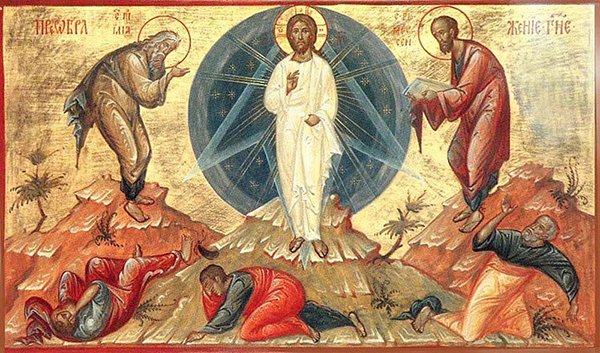
The history of the holiday in Orthodox teaching is closely linked to the parable of the Savior. When Christ, along with three disciples, journeyed to Mount Tabor, where his destiny was revealed to him 40 days before his crucifixion, he was illuminated by a bright divine light that transformed the Savior. Christ forbade the disciples who witnessed this miraculous phenomenon to tell anyone about it, instead commanding them to gather the fruits growing in the garden beneath the mountain and bless them in the temple.
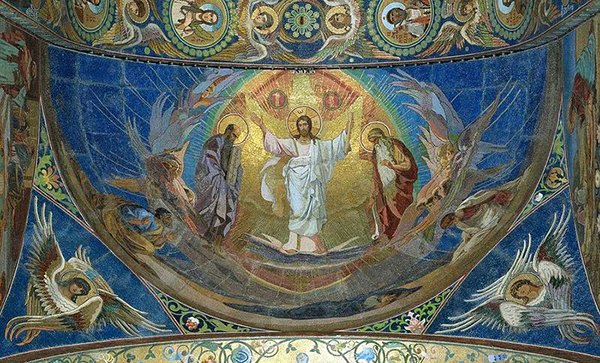
In Orthodoxy, this holiday is considered a great one, and a solemn liturgy is traditionally celebrated on this day. Apple Savior has always been especially revered by faithful Orthodox Christians in Rus'.
Video "Apple Savior"
In this video, you will learn the history of the holiday and the traditions of Apple Savior.
It's time to celebrate
As mentioned earlier, the harvest festival (sometimes known as Apple Savior) is celebrated on August 19th. It is believed that this day marks the end of the summer natural cycle and the beginning of the autumn one. During this period, Mother Earth generously gifted people with a harvest. Apples harvested at the end of summer are traditionally blessed in church, and afterward, Lenten dishes are prepared from the blessed fruit.
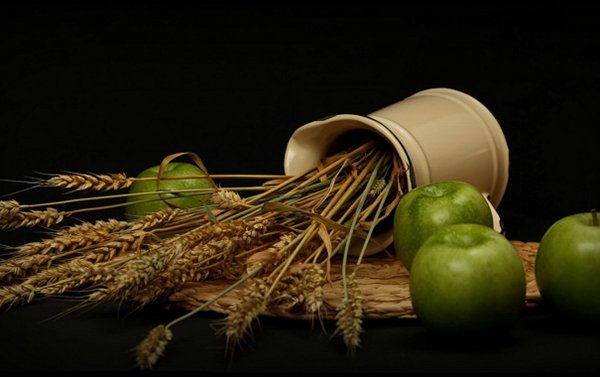
People took a small portion of the blessed apples to the cemetery to place on the graves of deceased relatives. Along with the apples, they blessed wheat or rye ears to ensure the safe storage of the grain harvest.
Traditions and customs
Now you will learn about the traditions and customs associated with Apple Savior:
- The main Christian custom associated with the holiday is the prohibition on eating fruits of the new harvest until the Savior's Day. It is believed that this practice strengthened the believers' resistance to temptation. In addition, superstitious people believed that deceased children whose parents did not observe this prohibition would be deprived of treats in the next world;
- On this day it was customary to wear festive white clothes and to attend church;
- On the Second Savior in Rus', the poor were especially treated—this was done for the glory of God. At the same time, those who refused the poor a good deed were strongly criticized and condemned;
- On the day of the holiday, any work other than harvesting and preparing food is strictly prohibited;
- there is a ban on entertainment, because the Dormition Fast is underway;
- The only public event allowed was a sunset viewing party in a field. Young people danced in circles, sang ritual songs, and held themed festivities. Girls used apples to tell fortunes about their future husbands;
- Numerous superstitions are associated with the Savior's Day. For example, if the weather is hot on this day, it means there will be little snow in the coming January, and if a fly lands on your hand twice, good luck will be with you throughout the year.
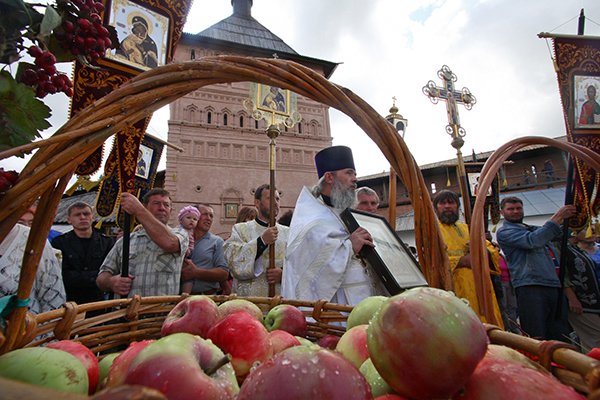
The Slavs living in the southern and western regions initially performed rituals not with apples, but with grapes—they were just beginning to ripen at this time. However, over time, the tradition evolved, and the ripe apple became the main "hero" of the holiday.
Many customs that come from ancient times have survived to this day and are revered by people with special reverence.