
What you need to know about the traditions and history of Nut Savior
Content
The history of the holiday
The story of the Nut Savior began two thousand years ago. According to legend, the king of Edessa, Abgar, fell ill with a terrible and incurable disease—leprosy. His thirst for life was so strong that he sent his painter to Jesus Christ asking for a cure. However, when Ananias, the king's painter, saw the Savior, he was so amazed that he wanted to depict him on canvas. Unfortunately, numerous attempts failed to produce the desired result.
However, the Savior asked Ananias to give him an ordinary towel, with which he washed his face. The Savior's face was imprinted on the cloth, which the artist brought back to his master. Thanks to the miraculous power of the canvas, the king was cured of his incurable illness.
The canvas itself was soon stolen by Muslims, and nine centuries passed before the great Byzantine Emperor Michael III was able to redeem the sacred relic. On August 29, 944, the canvas was transferred to Constantinople by order of the famous Emperor Constantine Porphyrogenitus. It is this date (August 29) that is considered the beginning of the celebration of the Third Savior.
It is believed that less than two hundred years later, this ancient artifact was stolen by the Crusaders, but the ship carrying the relic was wrecked. For this reason, the canvas with the face of the Savior is considered lost. According to legend, it was from this miraculous image that the first Byzantine icons were painted.
Video: "Nut Savior Cookie Recipe"
This video will show you how to make delicious shortbread cookies for Nut Spas.
Celebration period
It is not without reason that this Savior is called the Third, because it is preceded by two other Saviors – Honey and Apple.
The Dormition Fast ends with the Nut Savior, and it is celebrated for only one day – August 29.
Commonly accepted traditions and customs
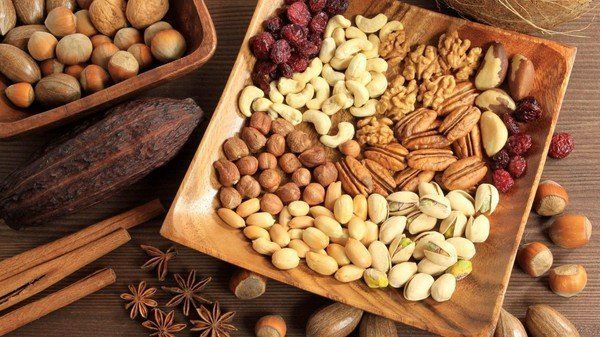
- On this day, it is customary to bless nuts in church. Also, from August 29th, nuts from the new harvest can be eaten.
- It's not just nuts – the women bake pies using the flour they harvested this year.
- There used to be a ritual in which women would send men off to work in the field with bread and salt (after a common prayer at home), and would place three sheaves of grain on a cart, and then rye in sacks on top, so that the field could be sown with it.
- It's no coincidence that one of the names of this holiday is "Koshchovy" (Linen). This is a tribute to a legend we've already mentioned. On this day, fairs were held where canvases were sold. It was said that if you were stingy and didn't buy anything, you'd spend the entire year in poverty.
- Besides nuts, bread was also blessed and eaten, which is why this holiday is also called Bread.
- Since the Dormition Fast ended on this day, women prepared a variety of dishes. Although meat and fish were permitted from this day on, bread, honey, apples, and nuts were still considered the main decorations of the table. Mushroom pies were especially prized.
- Among other things, one could try to make weather predictions. For example, if all the cranes had flown away, it meant there would definitely be frost on the Feast of the Intercession. A thunderstorm, however, was considered a harbinger of a warm autumn.
- The next custom is the consecration of wells or healing springs.
- On this day, bath brooms were made from hazel. Such an object was believed to possess magical powers and could cure any ailment. However, such brooms could not be stored near other brooms or allowed to dry.
- On this day, everyone could tell fortunes with nuts and try to find out their future.
- On this day, superstitious people left special treats for the wood goblins to appease the forest spirits.