
Tips for choosing and using Agrotex covering material
Content
Where it is applied
"Agrotex" is a special type of non-woven covering material that can be used for growing plants year-round. It has a loose structure that resembles non-woven fabric. It is an excellent alternative to other types of covering fabrics used in gardening.
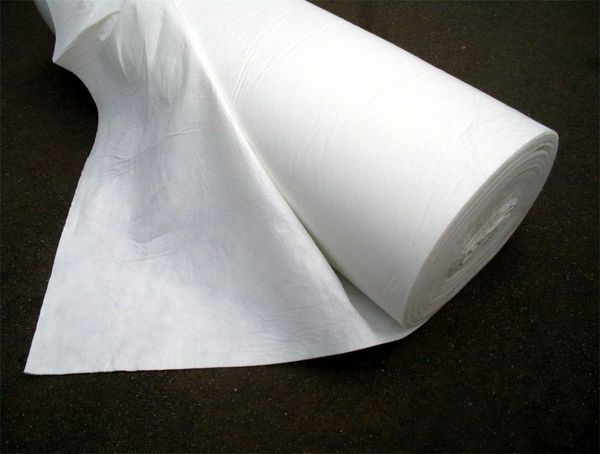
Agrofibre has a wide range of applications. It can be used for the following purposes:
- germination of seeds for seedlings;
- protection of crops from spring frosts;
- mulching of covered soil;
- retaining moisture in the soil with the possibility of watering without removing the film;
- protection of plantings from weeds, birds and pests.
The fabric is suitable for finishing frame greenhouses and year-round hothouses. When constructing such structures, care must be taken to ensure that the stretched material does not come into contact with sharp objects (staples, nails, etc.). Otherwise, the risk of tearing increases.
Video: "Types of Agrotex Covering Material and Their Applications"
This video will tell you why it is recommended to cover plants for the winter with Agrotex material.
Properties
Main characteristics of the covering non-woven material "Agrotex":
- small thickness;
- ease;
- high breaking load;
- small dust capacity and dust resistance;
- resistance of the fabric to abrasion and creasing;
- affordable price;
- good thermal insulation properties;
- resistance of the material to various atmospheric influences.
All of the above characteristics are considered advantages of agrofibre. However, the material has one drawback: insufficient fiber cohesion. As a result, the fabric is at increased risk of permanent deformation.
The above properties of the material allow it to be used in different periods of the year. In spring, the soil is covered with the product to ensure faster and more thorough warming. The material protects the beds from freezing and sudden temperature fluctuations. This allows for earlier sowing of seeds for seedlings.
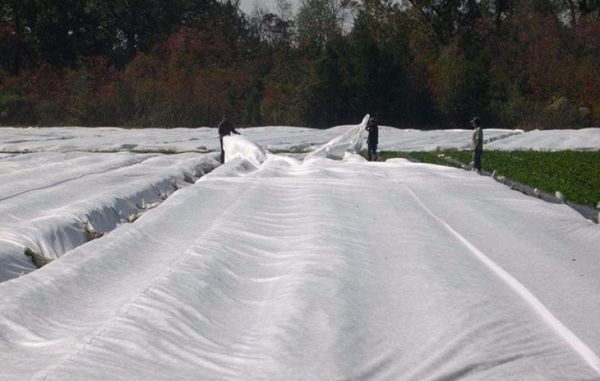
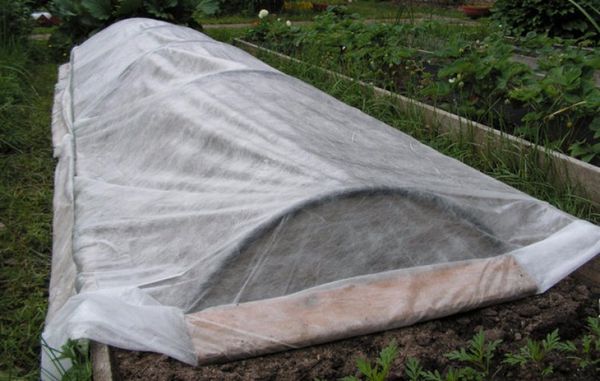
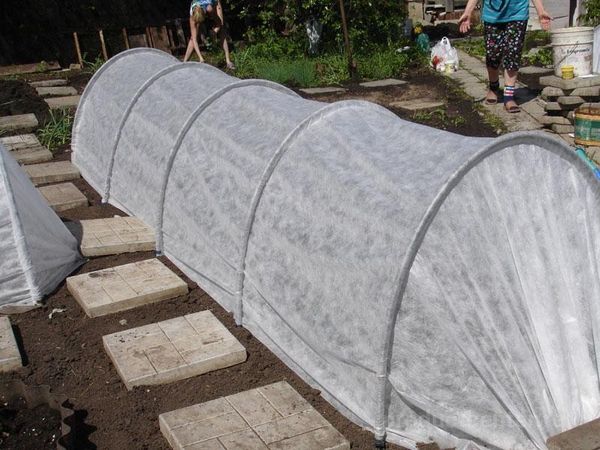
During the summer months, agrofibre protects crops from pests, birds, and any adverse weather conditions. With this cover, plants are protected from storms, hail, heat, and other harsh weather conditions. In the fall, the material helps extend the fruiting period of late-planted crops. In late fall and winter, the covering fabric protects plants from the weight of snow and freezing temperatures.
During each season, Agrotex performs a specific function. Once its intended purpose is fulfilled, the material is removed from the garden bed.
Tips for choosing
To ensure that the covering material successfully fulfills its intended purpose, it's essential to choose the right type. Currently, there are three types of Agrotex:
- white;
- black;
- foil-coated.
Each type of material has its own characteristics and subtypes. Let's take a closer look at them.
White agrotextile is made of polypropylene. The fabric is environmentally friendly and contains no harmful impurities. Special light-stabilizing additives make the fiber resistant to sunlight. This extends the product's lifespan to up to three years. The fabric does not rot in the ground. The only rule to remember when using "Agrotex" is to avoid keeping it taut for long periods of time.
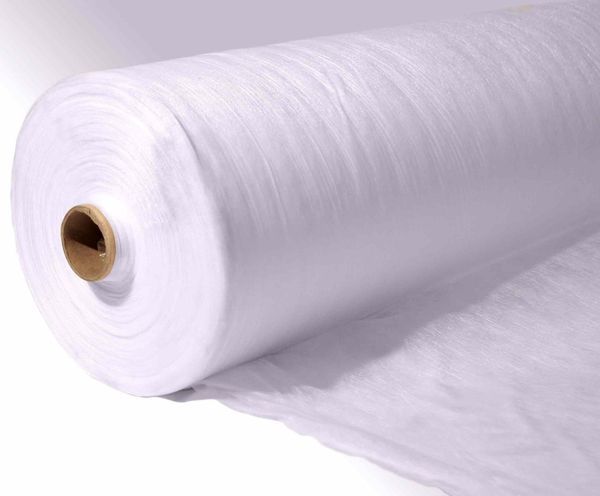
White agrofibre varies in density:
- "17" is the lightest type with a density of 17 g/m². It is used to protect beds from spring frosts. It accelerates seedling growth without damaging young, tender shoots. Plants are watered through the cover, as the fibers are permeable. Moisture is distributed evenly, preventing overwatering. The fabric can be used for greenhouse linings for heating and energy savings.
- "30" and "42." Both types are designed to protect crops from moderate frosts (down to -6–8°C). These materials are denser than the "17" grade. Both varieties can be used for the same purposes as "17."
- "60." This type of agrofibre has a density of 60 g/m². It is considered the most durable product available. The material protects plants from frosts down to -9°C. It is often used in the construction of year-round frame greenhouses. It is suitable for frost protection of ornamental shrubs and young, tender plants.
Black "Agrotex" is used to inhibit plant growth, making it ideal for weed control. Crop species are planted in special slits in the fabric.
The black material is available in only one density. It effectively warms the soil and helps retain moisture.
There's also a foil covering material. It features a silver coating with excellent reflective properties. It directs sunlight toward plants, thereby stimulating their growth by increasing photosynthesis.
How to use
The use of Agrotex depends on the type of material chosen and its intended purpose. Regardless of the type of material, there are specific rules for working with it.
Thus, non-woven agrofibre should not be kept taut for long periods. The edges of the fabric should be secured lightly, avoiding contact with sharp fasteners. It is important to prevent the wind from tearing the edges of the material. Installation with screws, nails, and other fasteners is carried out using special spacers.
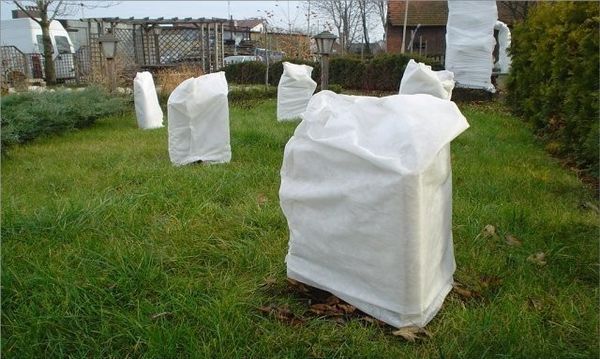
If the covering material will remain in the beds throughout the growing season, then the crops should be planted in pre-cut cross-shaped slits. This method is suitable for species with delicate leaves.
During periods of heavy and prolonged rainfall, the agrofibre should be additionally covered with film. This will prevent excessive moisture accumulation under the fabric.
In greenhouses, during severe frosts, plants can be covered with agrofibre marked “17” as additional protection.
Operational errors
Despite the ease of use of this material, many gardeners still make serious mistakes when using it. As a result, its use doesn't produce the desired results.
The most common mistake is improper installation of the product. Due to the specific manufacturing process, agrofibre can be easily torn with a sharp object.
Another common mistake is choosing the wrong agrofibre density. This parameter directly affects the material's properties and applications. Therefore, it's important to clearly define the intended use of the material before purchasing.
Mistakes in the care of Agrotex are also common. After removing it from the beds, the cloth should be cleaned of dirt. It is machine washable, but should not be wrung out. Water should drain naturally.
Agrotex is an excellent material for stimulating active plant growth. If you follow the guidelines described above, the material will become a reliable assistant in your garden or vegetable patch.