
Do barberries need to be covered for the winter and how to do it correctly?
Content
Care Features
In autumn, drought-resistant shrubs should be watered with 10 liters of water only if there is no frequent rainfall. If the site contains a young shrub 2-3 years old, protect it from the cold by mulching the area around the trunk with peat, spruce branches, or a layer of dry leaves. Two-year-old plants are fed with nitrogen fertilizers and urea. The next application of fertilizers is at 5-6 years of age, and Kemira Universal is used before flowering. Suitable natural fertilizers include bird droppings and cow manure. The first fall pruning is performed at 1-2 years of age, with branches shortened by a third to half their length.
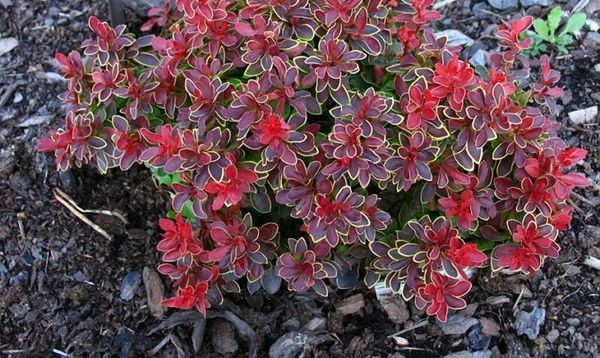
Video: "How to Properly Cover Plants for Winter"
In this video, a specialist will explain how to properly cover plants for the winter.
Preparing for winter
Preparing barberries for winter includes pruning after fruiting has finished. Pruning is acceptable before frost sets in, that is, in September-October. Before winter, shrubs require sanitary, formative, and rejuvenating pruning. The first is to remove diseased, damaged, and dried branches. The second is to achieve the desired shape, such as a columnar or spherical form. The third pruning is performed on 10-year-old plants to restore the shrub's ornamental appearance.
The area is cleared of cut branches and organic debris, and large branch cuts are coated with garden pitch. If fertilizer was applied in the fall, no additional fertilizer is needed. Otherwise, use potassium and phosphorus-containing products.
In general, the shrub is undemanding to the composition of the soil, so the fertilizer applied during planting is enough for it to last the entire year.
Proper insulation
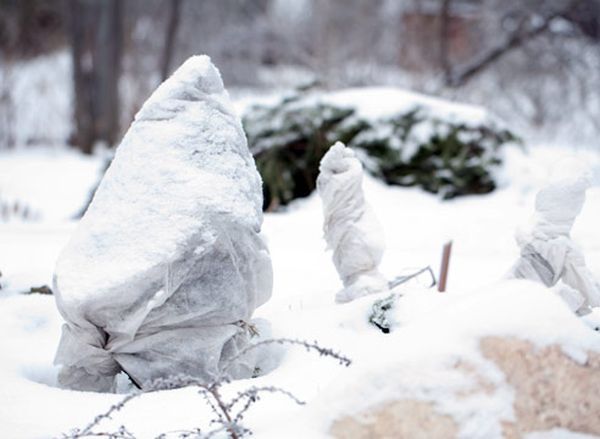
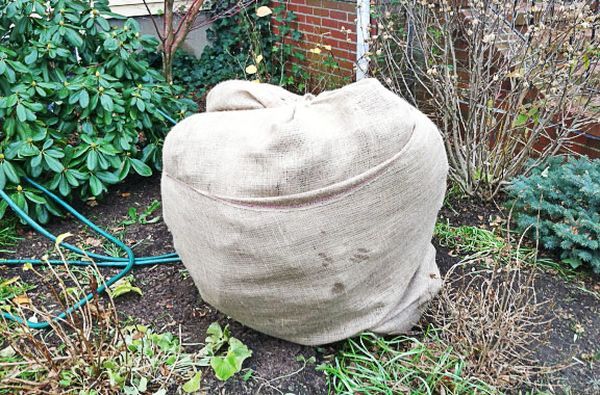
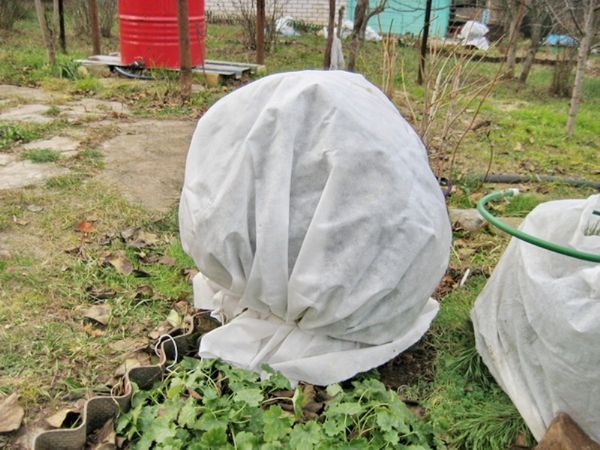
The advisability of winter protection for a crop depends on its varietal characteristics. Thunbergii, Ottawaii, and common shrubs, as well as species native to Canada, thrive best in temperate climates. If there's a lot of snowfall during the winter, these plants can easily survive without additional protection.
Hybrids, particularly columnar varieties, don't tolerate low temperatures well. It's important not only to purchase the right materials but also to know how to insulate shrubs depending on the growing region.
Selection of material
When preparing plants for winter, it's important to remove the inert peat in which the seedlings were grown and fill in the soil with soil from the planting hole. In the fall, hill up the root collar to a height of 12 cm. Heat-loving, newly planted or transplanted plants should be covered by gathering the shoots into a bundle. Materials such as burlap or spunbond, available at the store, are used. They are wrapped around the branches, secured with thick rope for security, but not over-tightened to prevent damage.
Peculiarities of care in different climatic zones
Many shrub varieties are highly frost-resistant and can withstand temperatures as low as -40°C. If the specific winter protection requirements for different regions are not taken into account, the shrub will freeze or rot.
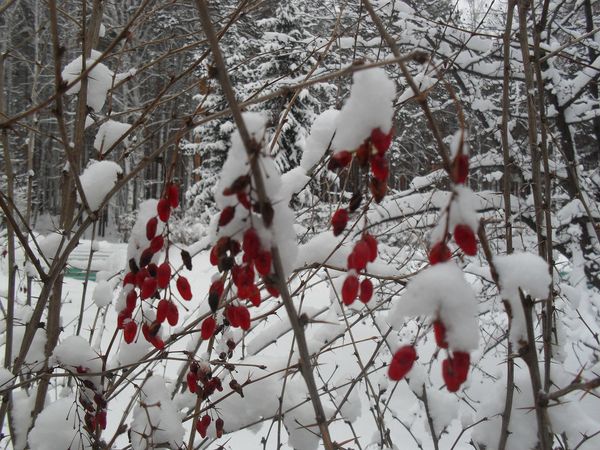
When growing the plant in regions with harsh winters, particularly in the Urals and Siberia, it's important to securely protect the plantings by gathering the shoots by hand and tying them with rope. A metal mesh cylinder, 10-15 cm larger in both width and height, is created over the bush. The remaining space should be filled with dry leaves from the area. Once the cylinder is created over the bush, it should be wrapped in a thick material, securing it with wire or rope to prevent wind or snow from disturbing the structure.
Gardeners in the Volga and central regions should prepare the shrub for winter, then earth up the root collar using dry soil. The shoots should also be collected by hand, wrapped in a thick material and secured with rope wrapped several times around the shrub. After snowfall, regardless of the growing region, it should be raked to the base of the shrub. A snow cap provides excellent protection, as the dormant buds at the base will not freeze even in harsh winters, and new shoots will emerge from them in the spring.
If done correctly, the material can be removed in spring, when severe frosts are no longer likely. When creating the cover, ensure there's an opening in the ground through which the lower branches can receive vital oxygen.
When planting, remember that the crop feels best in areas that are well-lit by the sun, protected from wind and drafts, in air- and water-permeable soil.