
How to cover figs for the winter and ensure their safe overwintering
Content
Why do you insulate a plant?
The fig tree, or Carian fig, is a subtropical plant belonging to the genus Ficus. Its native land is Asia Minor. The fig tree's fruit, the fig, is known throughout the world. Sweet and with small seeds, it is most familiar to most people in its dried form. However, with the arrival of autumn, fresh figs can also be found on store shelves.
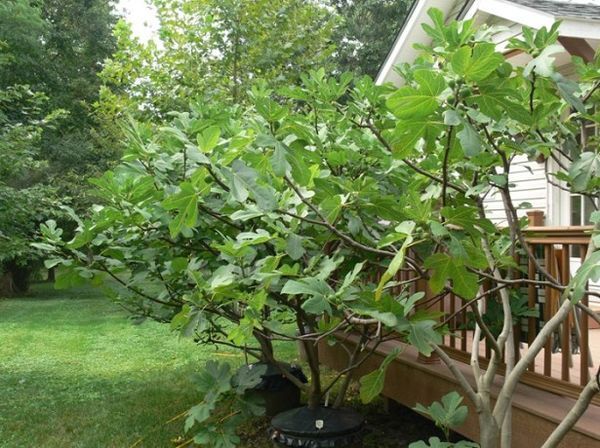
Its main advantage is its high potassium content, second only to walnuts. Furthermore, the fruit is rich in phosphorus, fiber, iron, and vitamins. The fruit is prescribed medicinally for cardiovascular diseases, gastrointestinal problems, and colds. Besides its health benefits, figs have an incomparable taste. These sweet fruits are suitable for children, dieters, and those with a sweet tooth.
Thanks to the work of breeders who have created winter-adapted fig varieties, this exotic plant thrives in the vast expanses of Russia. However, gardeners who claim that preparing figs for winter is not at all necessary are gravely mistaken. A fig's future harvest is determined from the moment it is planted. This explains why, even with the right care, the Carian ficus fails to bear fruit. It's pointless to argue that the quality of its fruit depends on how the fig is insulated for the winter.
The main points of preparing a ficus for winter include:
- Watering after fruiting. If the autumn is rainy, cover the tree's trunk area with plastic to prevent the soil from becoming too wet.
- Fertilizers containing potassium and phosphorus are applied during fruit formation. After harvest, the plant is not fed, signaling the onset of a dormant period.
- Pruning. This is done for decorative and sanitary purposes. To achieve an aesthetically pleasing appearance, the tree is cultivated by removing obvious branches. Sanitary pruning involves cutting off damaged, dry, and diseased branches. The cut is treated with garden pitch. Ficus are also often pruned to simplify insulation work. After all, a small bush is much easier to cover than a full tree.
Video: "Shelting Fig Trees for Winter"
This video will show you a simple way to cover fig trees for the winter.
Materials
Despite the emergence of frost-resistant varieties of figs, they still need to be insulated before wintering. Otherwise, the tree may die from frost or excess moisture during snow melting.
The most common materials used to cover a fig tree are:
- sackcloth;
- agrofibre;
- lutrasil;
- tent fabric.
How to cover a tree
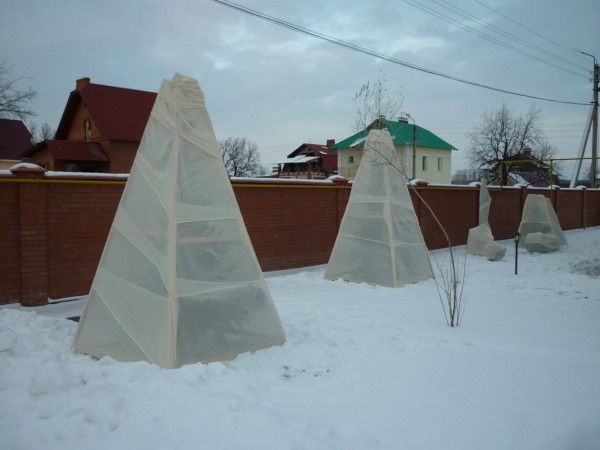
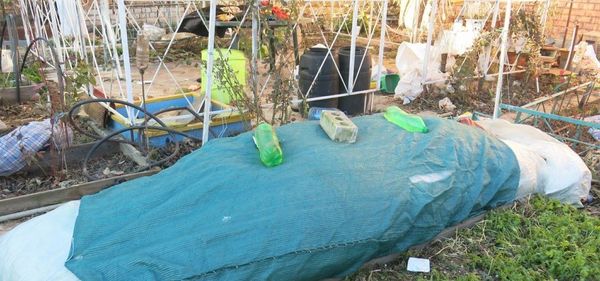
Proper autumn care for a fig tree involves protecting the root system. To do this, the area around the tree's trunk is covered with a thick layer of straw and humus. Next, a wooden frame is installed around the perimeter and covered with plastic. Burlap is used for additional insulation.
Insulation of the bush
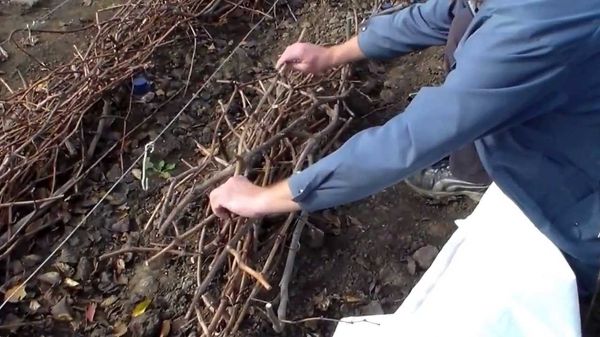
A Carian ficus bush must be prepared before insulating. First, the area around the trunk is thoroughly moistened. This will ensure elasticity and flexibility of the branches, which must be carefully bent to the ground. The procedure is carried out in several stages, with an interval of 4-5 days between each stage. After all the branches are bent, they are secured with pegs and twine. When the temperature drops, the tree is covered with a special material, such as canvas, burlap, polypropylene covers, and agrofibre. The main criterion when choosing insulation is its breathability. The tree is secured with planks and additionally covered with soil.
Subtleties of preparation in different regions
Methods for insulating fig trees vary depending on the region. Residents of the southern regions (Crimea, Stavropol, Krasnodar, Kuban) often forgo any insulation, limiting themselves to mulching the root zone. They claim that the light frosts typical for this region not only won't harm the fruit tree, but will actually benefit it by hardening it.
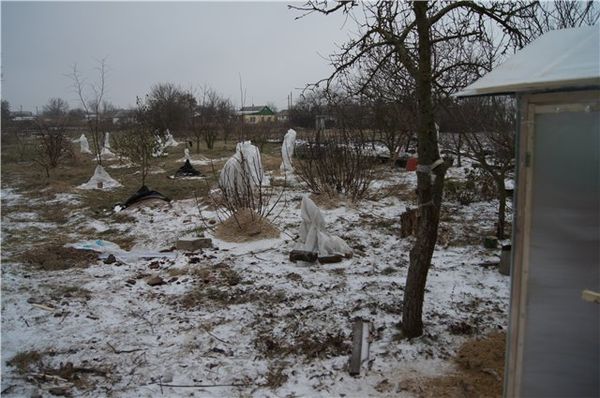
In the Moscow region, gardeners cover their fig trees with foam or car tires when temperatures drop sharply. In the Volga region, the plant is wrapped in warm materials and hidden in a trench. In Siberia, where frosts are particularly severe, figs are pruned to bush size, wrapped in insulating materials, and covered with soil.
Fig is a particularly delicate plant that loves warmth and attention.
A gardener who has spared no time and effort will be fully rewarded with a rich exotic harvest.