
How to properly cover cherry trees for the winter with your own hands
Content
Stone fruit trees in winter
One of the reasons for poor fruiting or a complete lack of a stone fruit harvest is improper wintering. Unlike cherries, peach and sweet cherry trees are characterized by weak winter hardiness and relatively low tolerance to various precipitation conditions and temperature fluctuations. These fruit crops are often called southern fruit trees because they thrive in mild, warm climates.
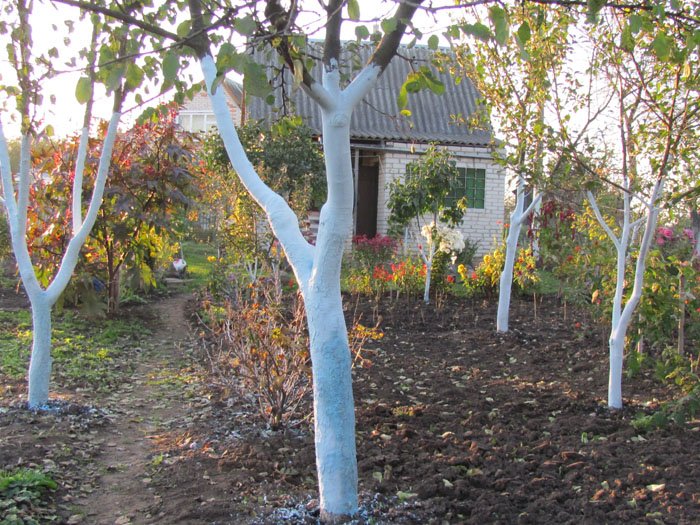
According to fruit tree varietal descriptions, cherries have varying degrees of frost resistance. For example, the average winter hardiness of a cherry tree is -27°C, with fruit buds freezing at temperatures of -18°C and below. Proper selection of planting material can prevent frost damage in an orchard. The following winter-hardy cherry varieties are suitable for northern and central regions, including the Moscow region: Bryanskaya Rozovaya, Tyutchevka, Lyubimitsa Astakhova, Pamyat Astakhova, Odrinka, Ovstuzhenka, Veda, Italianka, Fatezh, Sadko, Raditsa, Revna, Iput, and others.
When choosing a seedling, carefully examine its characteristics. Unfortunately, it's not uncommon for fruit trees with different winter hardiness to be crossed during grafting. In such cases, the scion is taken from a frost-resistant variety, and the rootstock from a more heat-loving variety. Such a young seedling won't even survive its first winter.
Video: "Shelter Cherry Trees for Winter"
After watching this video, you will be able to prepare your cherry tree for the upcoming drop in air temperatures.
Preparing for winter
Preparing cherries for winter begins in early autumn, when the harvest from almost all fruit crops grown in the garden plot has already been collected. The gardener's task is to protect vegetation from various damages and frosts during the winter cold snap.
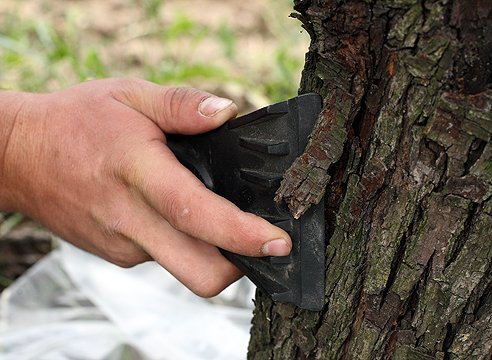
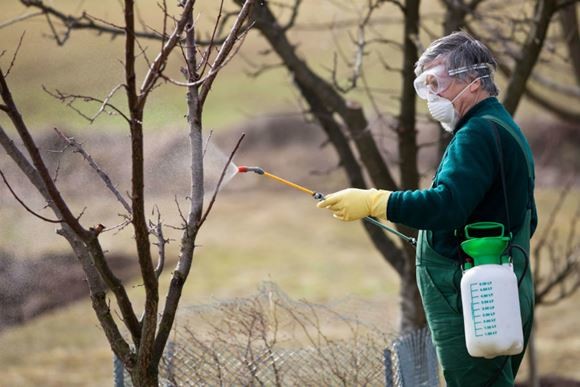
First, inspect the trees for characteristic signs of parasites and symptoms of various diseases. If the cherry tree is old, it is recommended to clean the trunk by removing the rough bark. Harmful insects and their egg clutches can be found under the old bark. To prevent parasites or fungal infections, treat trees in the garden with a copper sulfate solution (3-5%) and the microbiological preparation "Fitosporin-M."
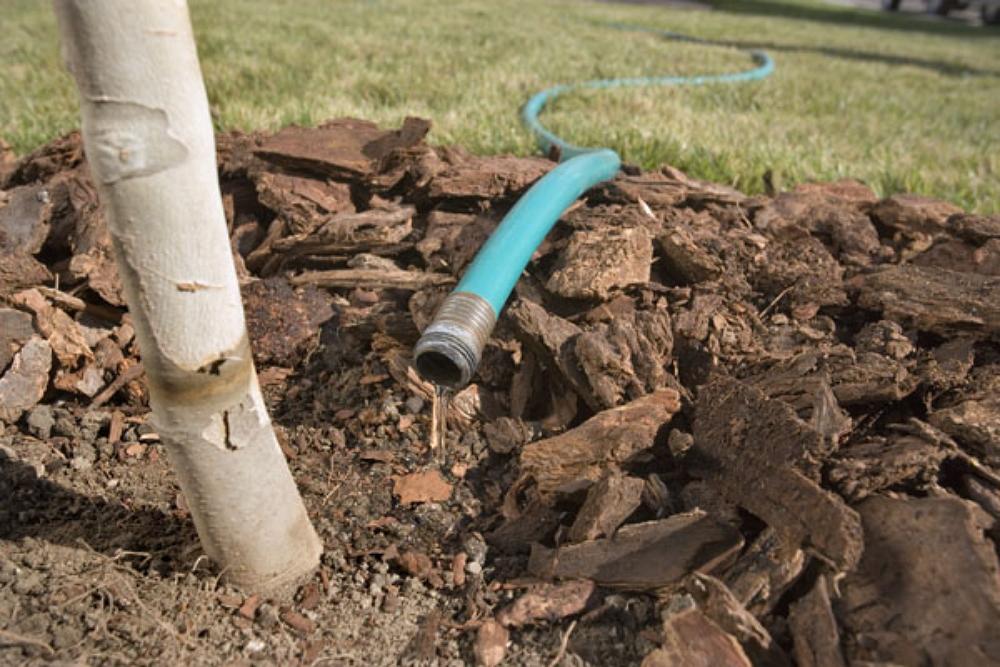
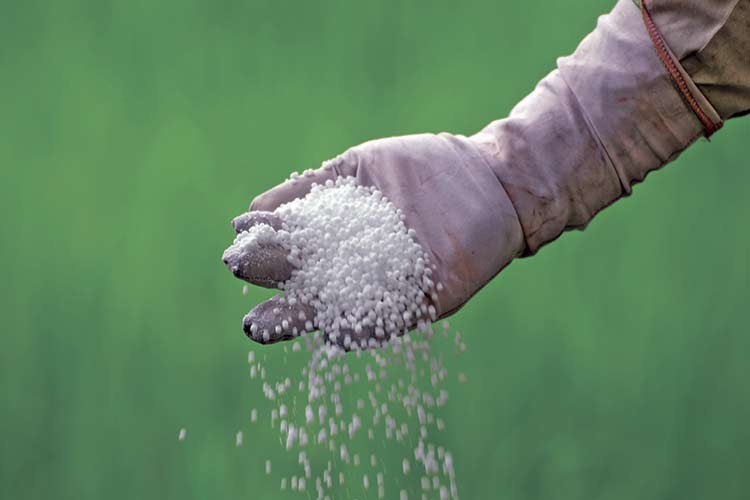
In September and October, soil preparation for winter is essential. Weed removal, application of potassium and phosphorus fertilizers, moisture-replenishing irrigation, and soil loosening are essential autumn care procedures for cherry trees. A 4-6-year-old tree requires 40-50 liters of water. The soil should be moistened not only in the trunk circle but also around the entire perimeter of the tree's crown. If autumn is heavy with precipitation, the amount of water used for irrigation can be reduced several times. If the soil is too moist, water will remain on the surface for a long time, interfering with further work.
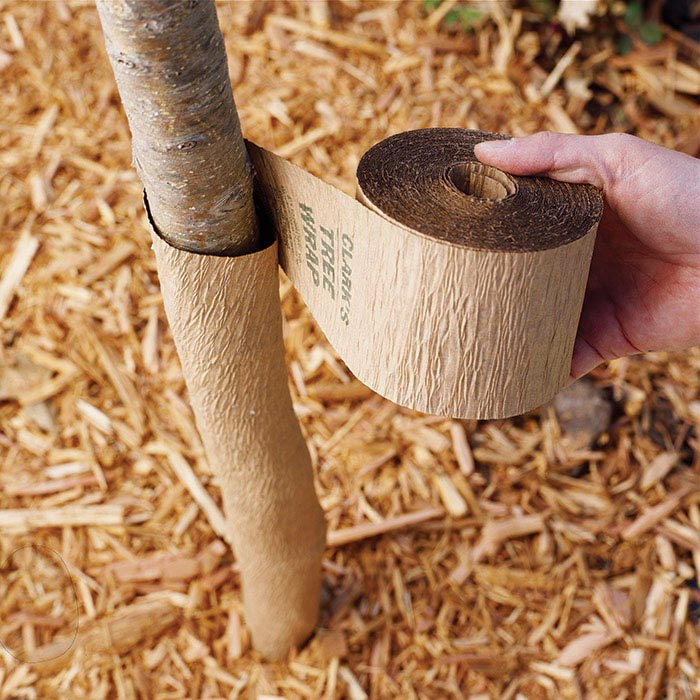
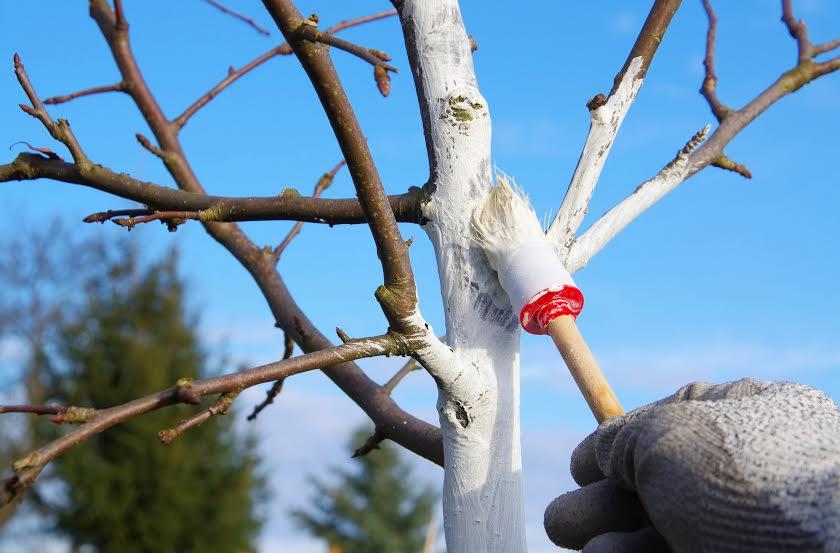
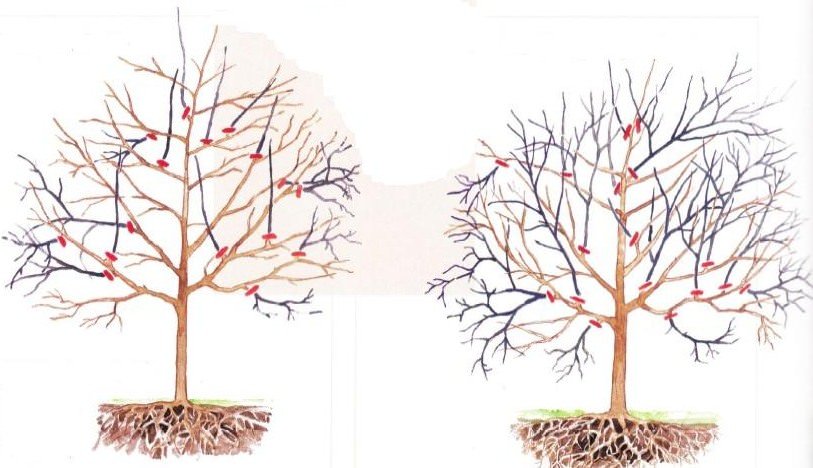
Don't forget to protect your garden trees from rodents and the scorching sun. Whitewashing the trunk with lime minimizes the impact of ultraviolet radiation on plants. Wrapping trees with strips of cardboard, special thick paper, felt, and other materials can be used to repel rodents. Autumn is the ideal time for sanitary pruning. At this stage, old branches and those damaged by wind and natural elements are removed, as well as shoots damaged by harmful insects and infected with diseases. Fresh wounds should be covered with a layer of garden pitch or oil paint.
Proper insulation of wood
Many beginning gardeners wonder when to insulate cherry trees for the winter. Covering stone fruit trees depends on the climate zone, variety, and age of the tree. Young trees, those weakened by disease, and those with low winter hardiness should be insulated before the first frost. Mature, hardy cherry trees can be covered in winter after snow falls and the first frosts have passed.
Selection of material
Various materials can be used to insulate ornamental and fruit trees. Some gardeners wrap the trunk and skeletal branches of the tree with newspapers, parchment paper, thin corrugated cardboard, burlap, white polypropylene bags, and even old rags. Using plastic film or roofing felt is inadvisable, as such materials cause more harm than good. The lack of ventilation leads to moisture accumulation on the inner walls of the shelter. Excess moisture and the creation of a greenhouse-like microclimate cause the tree trunk to rot. Unfortunately, a cherry tree that has begun to rot will not survive the winter: a damaged and weakened tree will not withstand the frosts.
A more reliable and effective way to cover stone fruit crops for the winter is to use modern nonwoven materials. These include lutrasil, geotextile, jute fabrics, and spunbond. Nonwoven covering materials protect from sun, wind, sudden temperature changes, and frost. Nonwoven fabric allows plants to "breathe" and prevents mold from forming inside.
Saplings
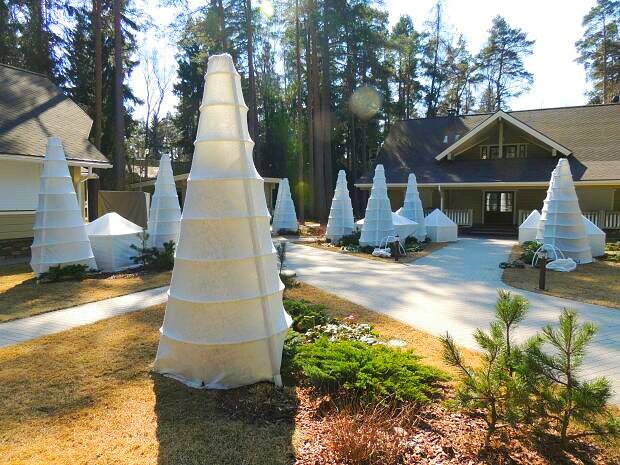
Young fruit tree seedlings require careful winter protection. To ensure the tree survives the winter successfully and begins to grow vigorously in spring, it must be completely covered. To protect cherry tree seedlings from cold and frost, special frames made of metal arches and non-woven covering material are used. A layer of fallen leaves and pine branches are placed under the "hood," as the frame structure is often called for the winter.
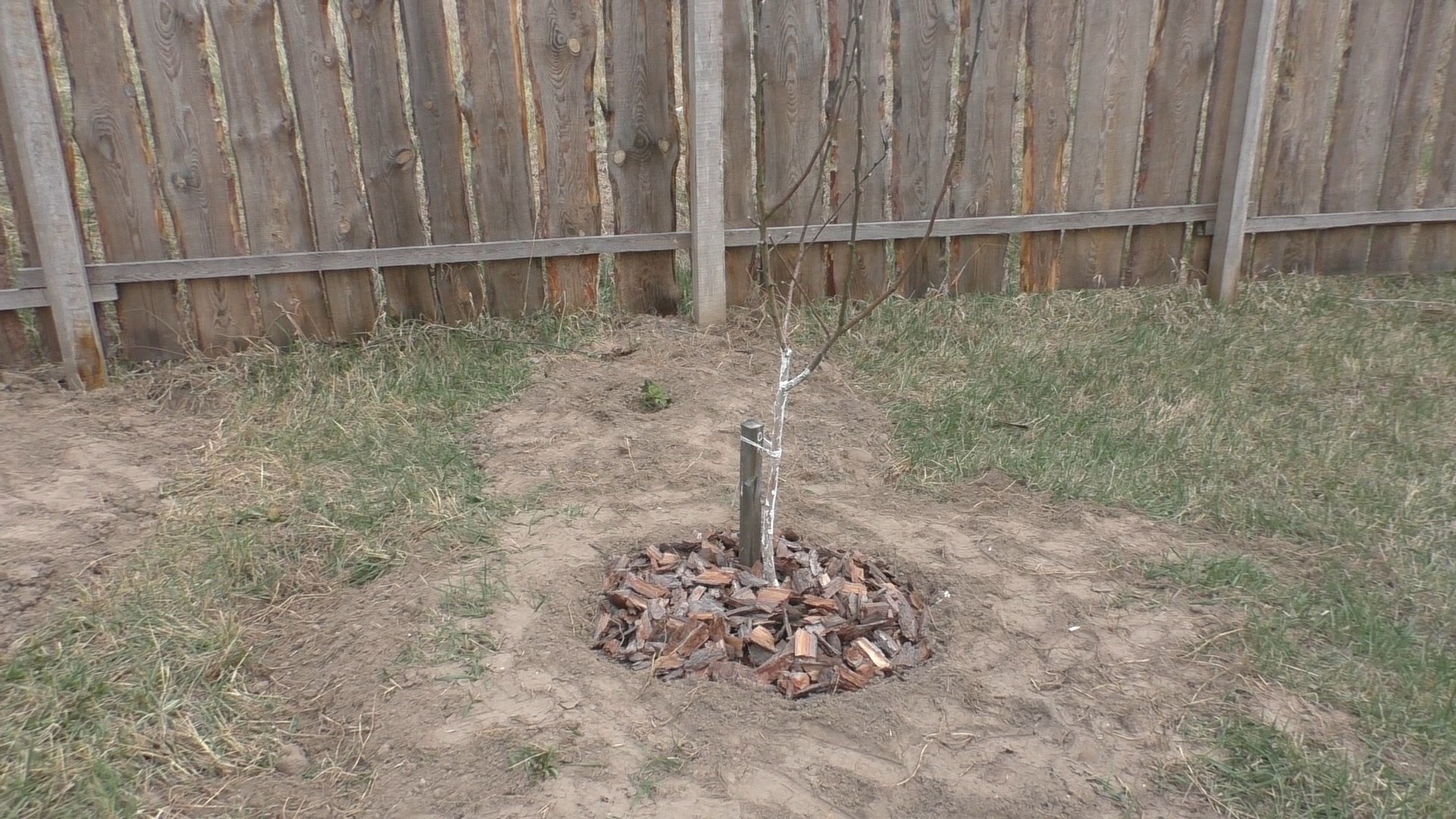
Mulching the soil around the tree trunk is a necessary step for insulating stone fruit crops. The mulch depth for young seedlings should be at least 30–35 cm.
Mature trees
For mature trees, the root collar and skeletal branches of cherry trees require special attention in anticipation of winter cold snaps. The root collar is mulched with a mixture of peat, coarse river sand, dry soil, tree bark, straw, hay, and small spruce branches. The average mulch layer is 15–20 cm thick.
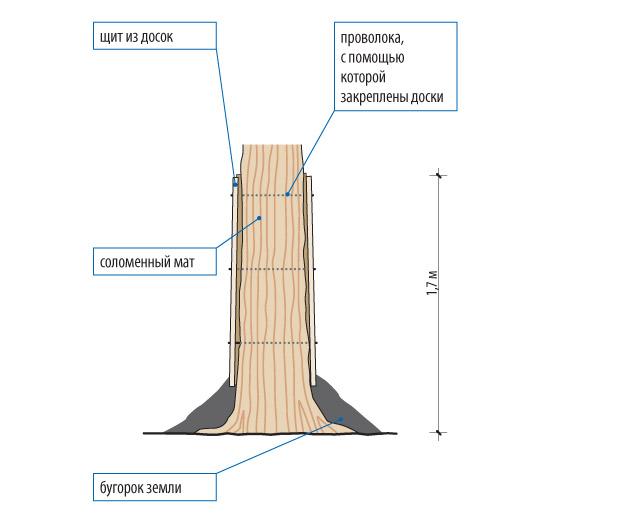
Moisture loss leads to decreased tree vigor and reduced fruit production. To prevent this problem, it is recommended to wrap cherry tree branches with parchment paper or non-woven fabric. The covering material should be secured with regular twine or soft wire.
Features of wintering in certain regions
Through the efforts of domestic and international breeders, numerous cherry varieties have been developed that are adapted to various climate zones. Care requirements for this fruit crop, including preparation techniques and winter shelter, depend on the climate of the growing region.
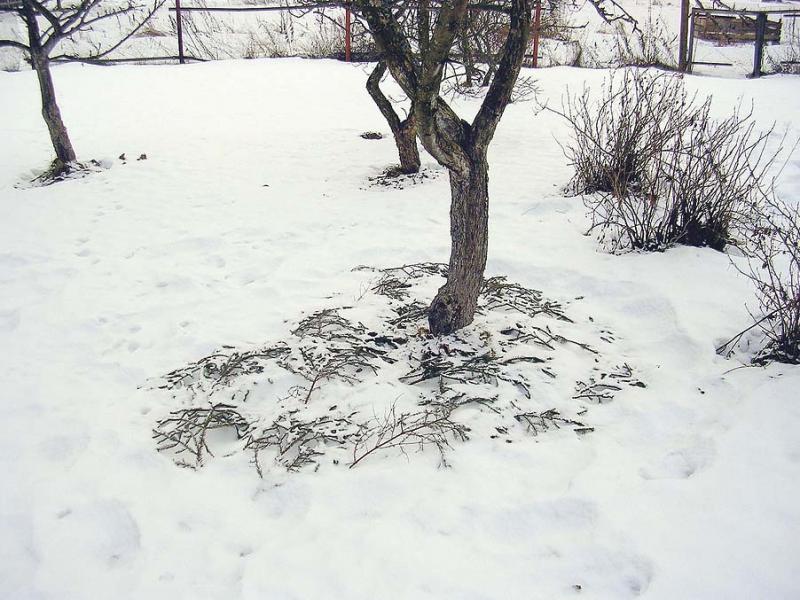
Central Russia is characterized by a temperate climate. With abundant snow cover, stone fruits can overwinter without additional cover. To ensure successful overwintering, only the base of the tree is mulched and insulated.
In the Moscow region, where severe frosts alternate with unexpected thaws, it's important to monitor the moisture level around the tree trunks. During sudden cold snaps, melted snow freezes and forms an ice crust, which leads to the freezing of small root shoots.
In Siberia and the Urals, where winters are harsh and long, cherry trees need to be well insulated. Mature trees are covered with spruce branches and wrapped in protective material. Young cherry trees are recommended to be bent to the ground and completely insulated. A layer of dry soil and sand, as well as sawdust and fallen leaves, can be added on top of the protective material.
Cherry trees open earlier than many other fruit crops. However, don't rush the tree's development; late spring frosts can negatively impact fruiting.