
How and with what can you protect actinidia from winter cold?
Content
Basics of autumn care for actinidia
This is a heat-loving plant, which means actinidia requires careful autumn care. After all, how the shrub survives the winter determines not only its appearance but also its yield.
Watering and fertilizing the soil
Liana is a moisture-loving shrub, so care must be taken to ensure the soil does not dry out. However, standing water can be just as damaging. To prevent this, ensure drainage is provided in advance. Water the plant in the fall if there has been a prolonged absence of rain. Apply 5-8 buckets of water under the roots. Fertilize with mineral or organic fertilizers.
The soil around the trunk is dug shallowly, then horse manure or cow dung is added. Approximately 3-4 kg of manure is required per square meter. Superphosphate, potassium salt, or ready-made multi-component fertilizers can also be used. The vine is often fed with garden compost. One bush requires 3 buckets of fertilizer.
How to trim correctly
You should begin pruning the shrub once it has shed all its leaves. This is when sap flow slows, and pruning will be painless. Actinidia has several species, and pruning techniques vary for each. For example, the polygama vine produces fruit on short branches, so pruning them can significantly reduce yield.
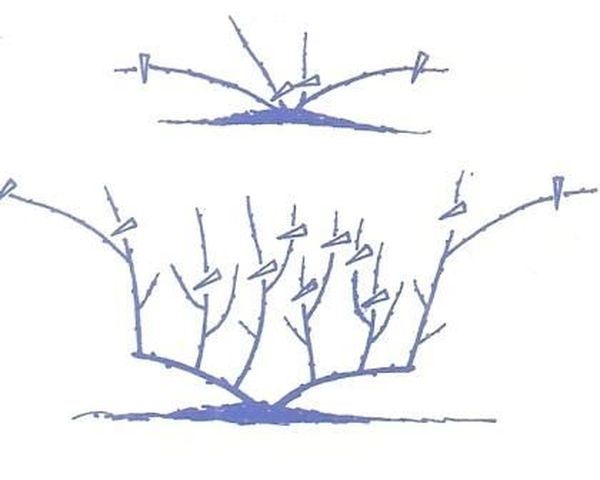
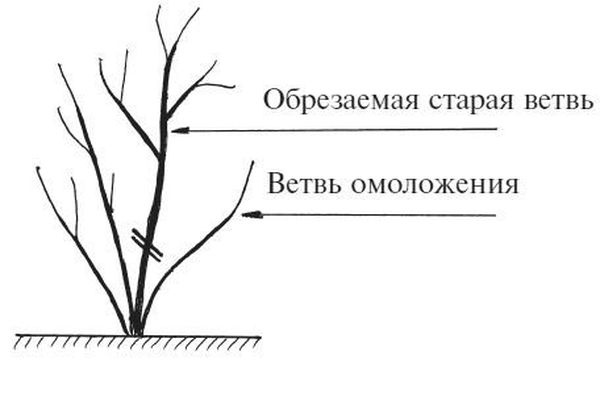
Pruning should begin in the fourth year of the bush’s life. If the branches grow too densely, the plant is thinned. Dry and deformed shoots are then removed. Branches that have borne fruit for several years are replaced with new ones. In late autumn, rejuvenation pruning is performed. For this, the branches are shortened so that only the growth remains, 50 cm above the ground.
Care after pruning
After pruning in the fall, don't fertilize the plant; simply treat the cut branches with garden pitch. You can buy it at the store or make your own. To do this, you'll need:
- ceresin;
- wax;
- paraffin.
The foliage and pruned shoots are burned. Then the vine begins to prepare for winter.
Video: "How to Cover Actinidia for Winter"
This video will show you how to prepare actinidia for winter.
Why do you need to cover actinidia for the winter?
Owners of fruit vines often don't know how to prepare actinidia for winter. First, you need to determine the plant species and its frost resistance. Some varieties tolerate cold well, requiring no protection. For others, low temperatures can be fatal. The need to prepare the shrub for winter also depends on its age. Young vines up to two years old require additional care.
How to cover actinidia for the winter
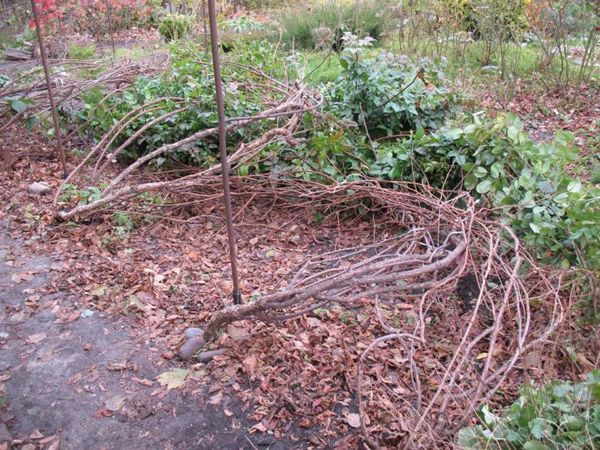
Insulating actinidia begins with protecting the root system. To do this, mulch the area around the trunk with sawdust, straw, peat, pine needles, or leaves. The layer should be at least 5 cm thick. The shrub is removed from its support and carefully laid on a cloth. The shoots are covered with a thick layer of mulch and pine branches to protect them from the wind.
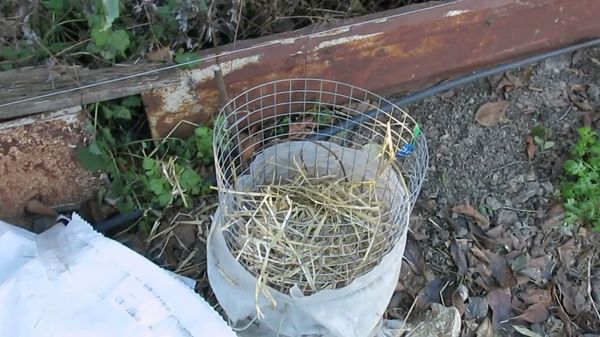
Less frost-hardy actinidia species are covered more thoroughly for the winter. First, the branches are gathered into a bundle and laid on the ground. Next, a thick layer of insulating fabric is applied, followed by polyethylene. The cover is then covered with a 30 cm layer of soil. The vines are uncovered when the temperature has more or less stabilized, usually in April.
However, don't forget about possible spring frosts. Otherwise, the vine's barely awakened buds may die. To prevent this, cover the actinidia with spunbond or lutrasil. These are specialized covering materials that retain heat well, thereby protecting the plants from frost. These materials have similar properties, but spunbond has a wider range of applications. It also contains a substance that blocks sunlight.
The most common mistakes gardeners make when preparing vines for winter are:
- Pruning during sap flow. The wounds left on the trunk do not heal, and the shrub gradually dies.
- Standard pruning for all types of actinidia. Each variety has its own unique characteristics, so these must be taken into account before proceeding.
- Covering too early. When the air temperature isn't low enough, the wrapped vine ends up in a so-called greenhouse. Poor air circulation causes the shoots and root system to rot, leading to the death of the shrub.
Actinidia is an exotic plant with useful fruits from Southeast Asia, but this does not prevent it from feeling great in our region.
With proper and timely care, the bush will reward the gardener in full – not only with its exotic appearance, but also with a bountiful harvest of berries.