
Characteristics of the covering material "Agrospan" and its 5 important properties
Content
Material properties
"Agrospan" is a type of non-woven covering fabric designed to simplify the process of growing crops in garden beds. The material has the following five properties, which have made it so popular among gardeners:
- Its porous structure allows the fabric to breathe well, creating a favorable microclimate in the garden beds.
- Water permeability. The product is highly permeable, so it doesn't need to be removed before watering. This simplifies plant care and prevents damage to the agrofibre due to frequent rolling and unrolling.
- Rot resistance. Watering crops through the fabric requires constant contact with moisture. Without rot resistance, the fabric would quickly become unusable.
- Protects plantings from weeds, birds, and pests. This feature allows for minimal garden bed maintenance while simultaneously stimulating higher-quality fruit production.
- Easy to operate and maintain. Agrospan is easy to use and requires minimal maintenance.
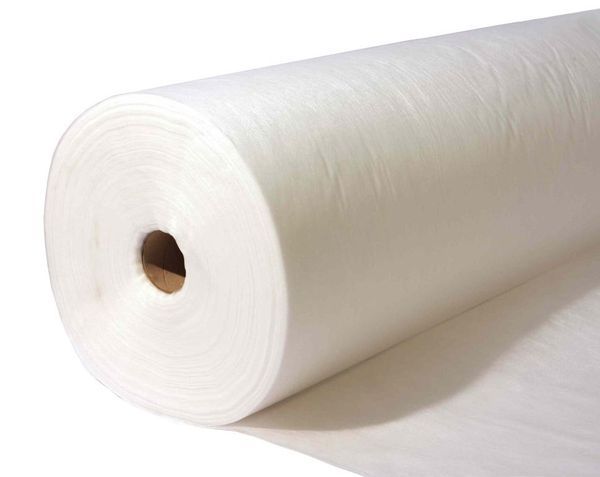
The properties of the material described above allow it to stimulate the growth and development of crops, grow stronger and more robust plants, and also obtain a bountiful and tasty harvest.
Despite this list of advantages, agrofibre has one significant drawback: it easily breaks when exposed to sharp objects and when stretched for long periods. Because of this property, special protective pads or other safe fastening methods that prevent sharp objects from coming into contact with it should be used during installation.
Video: "A Simple Way to Secure Agrospan from the Wind"
This video will show you how to properly secure Agrospan to prevent it from being blown away by the wind.
Types and purpose
The Agrospan series of covering materials is currently available in several modifications. Each brand has its own characteristics and features. First of all, they depend on the density of the product and its main purpose.
The fabric markings always include a numeric element (e.g., "30"), which reflects the density in g/m². Let's look at the most popular markings among gardeners:
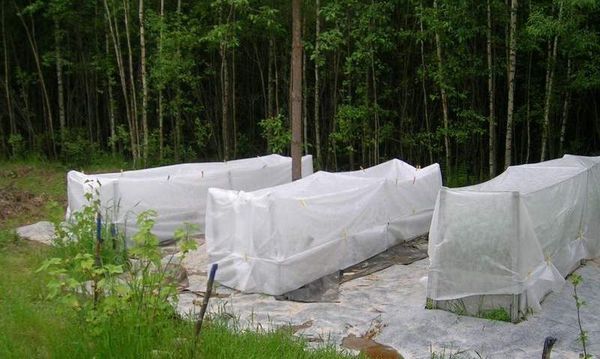
- "42" and "60." This fabric is designed for finishing year-round frame greenhouses. It should be used in the same way as greenhouse film. However, a greenhouse made of agrofibre is permeable to air, creating a milder microclimate inside the structure and avoiding the problems associated with film greenhouses.
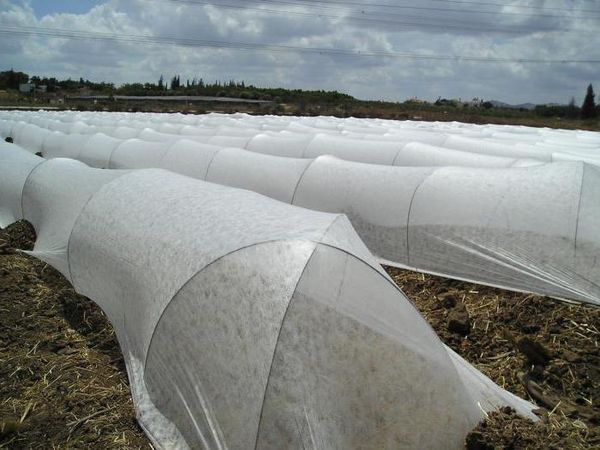
- "17" and "30." Agrospan fabric with this marking is used to cover garden beds. It should be laid out without tension, directly on the ground. Its edges are secured with soil to prevent tearing or the beds from opening up in strong winds. Due to its low density, the fabric allows seeds to germinate, resulting in stronger and more resilient seedlings.
- "60." This product is designed for weed control and is suitable for growing berry bushes.
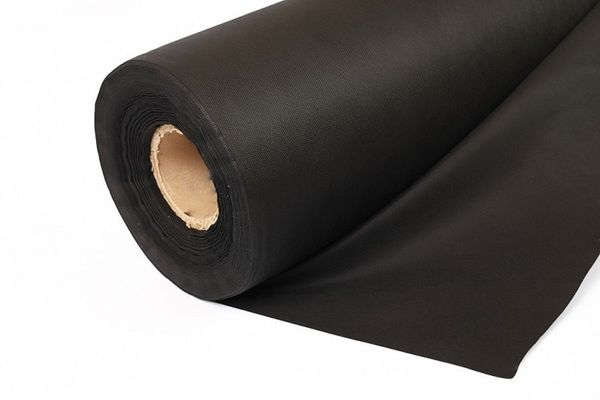
The varieties described above are white agricultural fabrics. Black material is also available. It has a single density and is used to protect garden beds from weeds. Despite its relatively high density, the material is durable, lightweight, and environmentally friendly.
The black color of the agrotextile allows it to better absorb sunlight and transfer more heat to plants. This prevents weeds from receiving sunlight and kills them. Plants are planted in pre-drilled cross-shaped holes. The fabric remains permeable to water and liquid fertilizer. Using this type of agrotextile minimizes plant maintenance without sacrificing yield.
Foil-coated and reinforced materials are also available. The former allows plants to receive more sunlight, while the latter is designed for covering greenhouses and hothouses.
Rules of application
The material "Agrospan" is most often used to facilitate planting and protect plants.
Let's consider each option for its use in more detail.
For planting plants
The fabric is spread over the beds if the crops will be grown outdoors. This approach is impractical in greenhouses. Here, a lightweight, less dense fabric can be used to provide additional protection from low temperatures during the cold season.
The fabric is simply spread over the beds, and its edges are secured with soil. If crops are to be planted in the black material, holes are made in it beforehand. These holes are then used to plant the plants.
The material remains in place until the harvest is complete. It doesn't interfere with watering or fertilizing the plants. It also provides excellent protection against pests and weeds.
As a shelter
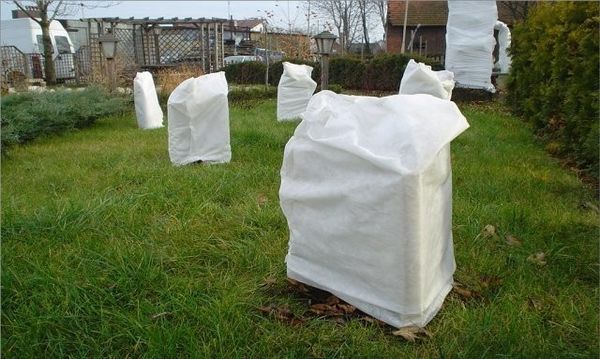
High-density agrotextile can be used as a cover during the cold season. This application is possible both in open ground and inside a greenhouse. The fabric is also used for covering the frame structure. To prevent excess moisture from accumulating inside the greenhouse, the agrotextile should be covered with regular garden film.
Thanks to its unique properties and versatile applications, Agrospan is now widely used in gardens and vegetable plots. It not only simplifies plant care but also promotes higher-quality and more abundant fruit production.