
Helpful tips for preparing and insulating your garden for winter for novice gardeners
Content
Action plan
A beautiful, flourishing garden that yields a bountiful harvest of berries and fruits is every gardener's dream. However, planting a bush or tree correctly is only half the battle. Plants grown in a garden require proper care, including preparation and winterization.
Preparing plants for the upcoming cold and frosty weather helps increase their hardiness and resistance to mechanical damage in adverse weather conditions. Garden cleaning, spraying plants against harmful insects, fertilizing with micronutrients, moistening the soil, and pruning the crowns have a beneficial effect on the winter hardiness of cultivated crops. Failure to prepare for winter and properly cover plants leads to a decrease in the survival rate of garden plants.
We offer you a brief overview of preparing and insulating a garden for winter for beginners.
Video: "How to Prepare Your Garden for Winter"
After watching this video, you will know how to protect ornamental and fruit crops growing in your garden from the upcoming frosts.
Cleaning the area
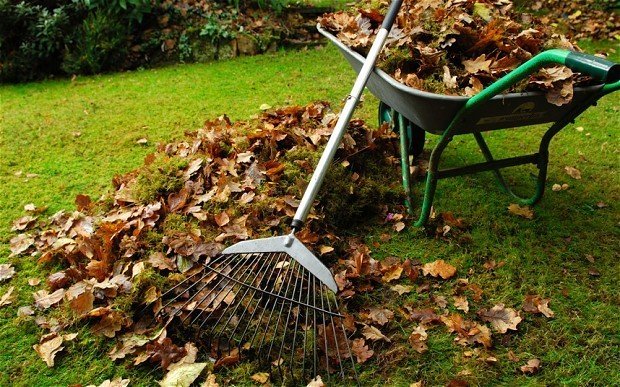
At the end of the growing season, the garden plot is cleaned up. Leaving tops, fallen leaves, and other vegetation on the surface increases the risk of various fungal and bacterial infections affecting cultivated plants. With the arrival of spring, harmful insects that overwintered in the remaining vegetation emerge and begin actively destroying trees, shrubs, and seedlings in vegetable gardens.
To prevent the spread of pests and pathogens, it is recommended to clear the dacha area of weeds, fallen leaves, and branches. Vegetation from diseased trees and shrubs should be removed from the property and burned. The remaining leaves can be composted for future use as a fertilizer for growing crops.
Plant care
Autumn garden plant care involves a number of simple steps: removing weeds, watering, loosening the soil, fertilizing, protecting against pests, and shaping the crown. When preparing plants for the upcoming cold weather, it's important to consider the varietal characteristics of each crop. For example, apple, mulberry, peach, walnut, plum, quince, fig, and other fruit trees have different winter hardiness ratings.
Fertilizing and watering
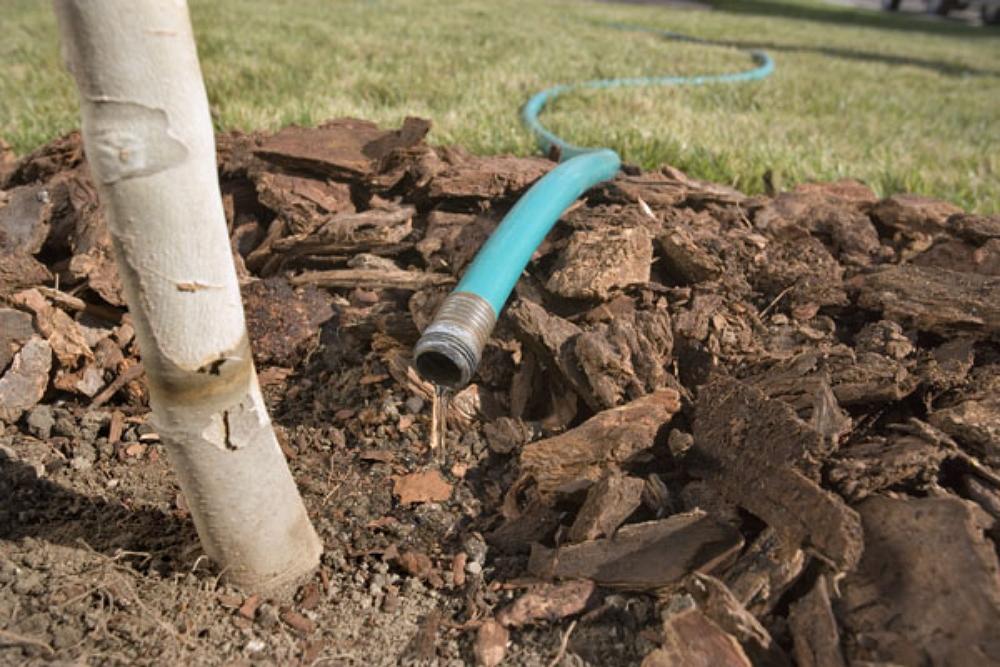
Soil preparation is an important step in autumn garden care. During the dormant period, the root system needs to receive sufficient oxygen, moisture, and nutrients. Removing weeds and tilling the topsoil enriches the soil with oxygen. Moisture-recharging irrigation, which is carried out in September or early October, is necessary to thoroughly moisten the soil. However, during heavy precipitation, it is recommended to reduce the amount of water applied or skip irrigation altogether. Excess moisture in the fall and winter can have negative consequences for trees and shrubs, as it can cause root rot.
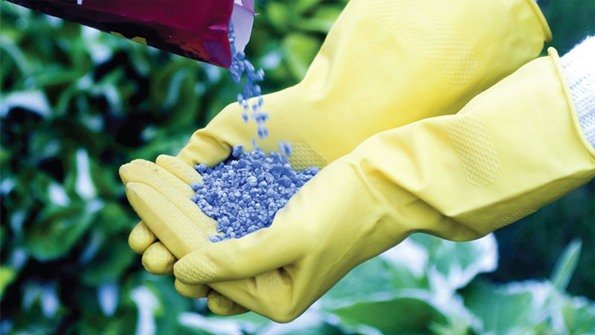
Shrubs and trees growing in a garden require a variety of nutrients and minerals. Fertilizing should begin after watering to replenish moisture. Applying fertilizer to dry soil can burn the roots. Complex mineral mixtures that do not contain nitrogen are used for fertilizing ornamental and fruit crops. Potassium-phosphorus fertilizers increase plant hardiness and winter hardiness.
Trimming
From mid-September to mid-October, trees and shrubs undergo sanitary pruning. All old and lifeless branches, as well as shoots damaged by wind, hail, and other natural disasters, must be removed. Don't forget to prune off any branches affected by various diseases or damaged by insects or rodents. The resulting "wounds" should be treated with oil paint or garden pitch.

A properly formed crown allows for the plants to be properly insulated for the winter. For example, pomegranates, figs, Japanese chaenomeles, and persimmons growing in gardens in Siberia, the Urals, and other regions with harsh climates are pruned more carefully. Most branches are cut back almost to the base. Only the strongest and most viable shoots, those with healthy buds, are left.
Pest control
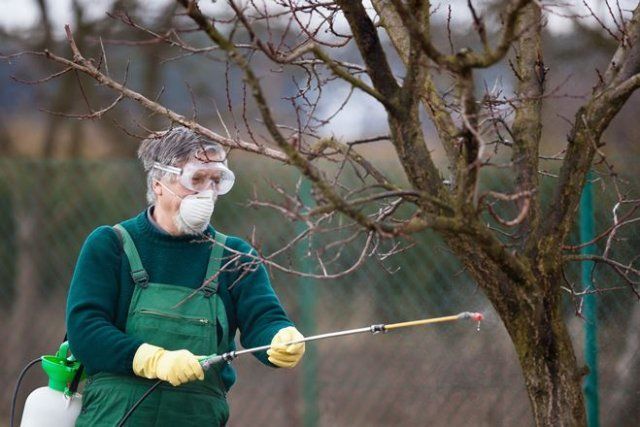
Autumn is the optimal time for preventative garden treatment. To prevent the proliferation of parasites and the spread of various diseases, each tree and shrub is treated with a copper sulfate solution (3–5%) and the microbiological agent Fitosporin-M. Follow the instructions for use.
Remember to take personal safety precautions: wear protective footwear and clothing, a respirator, goggles, and gloves. Keep in mind that treating fruit and ornamental plants in the garden should only be done in dry and sunny weather. During significant drops in temperature and heavy rainfall, treating the garden for disease prevention is not advisable.
Insulation
Garden plants begin to be covered in mid-autumn. Young seedlings, exotic plants, and trees and shrubs weakened by disease and insect infestations require early insulation. Plants with a low winter hardiness threshold may die at the first frost, which is not the case for more resilient fruit trees. For example, most domestically bred stone fruit species and varieties are covered after the first frost.
The success of the upcoming growing season depends on proper winter plant insulation techniques and the correct choice of covering material.
Selection of material
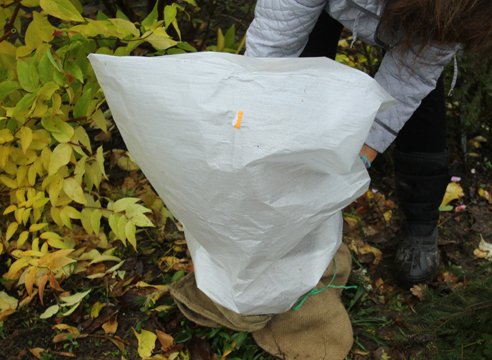
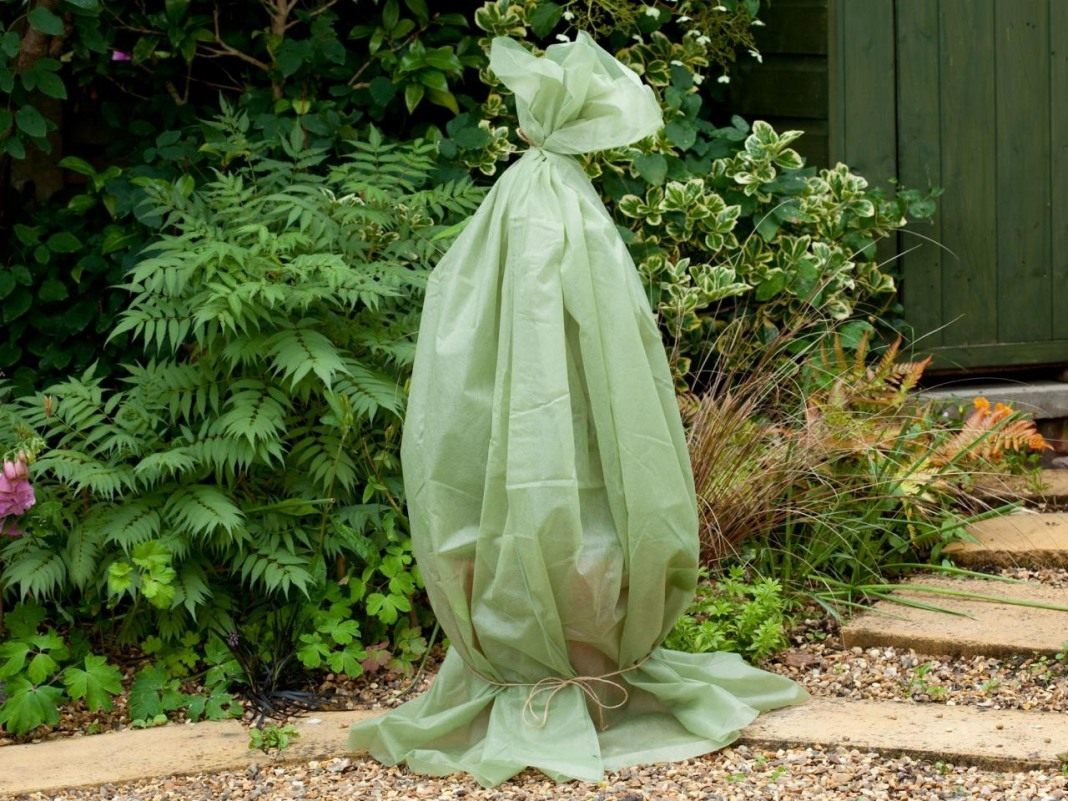
To protect plants from cold and frost, it is recommended to use modern non-woven covering materials: spunbond, geotextile and jute fabrics, lutrasil, and Obernit and Udacha 60 fabrics. Thin fabric with a density of 17 g/m² is suitable for insulating rough and oakleaf hydrangeas, garden roses, calla lilies, honeysuckle, Chinese privet, and other ornamental plants growing in Crimea and the Kuban region. For central regions, including the Moscow region, it is better to use a denser material. For example, agrofibre with a density of 42 and 60 g/m² is used to insulate young walnut trees, columnar peach varieties, and Japanese cherry trees.
The plastic film so beloved by novice gardeners will do more harm than good. The lack of air holes leads to moisture accumulation on the inner walls of the film. Excess moisture is the main cause of fungus and mold growth on covered trees and shrubs.
Shrubs
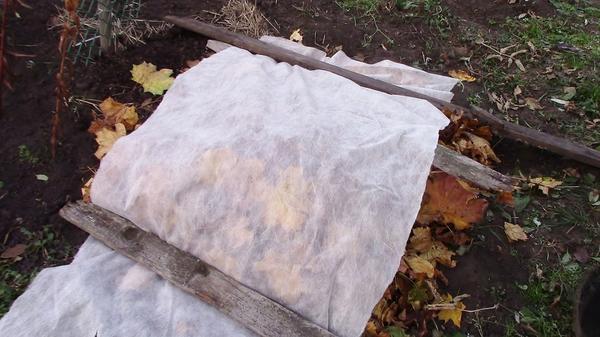
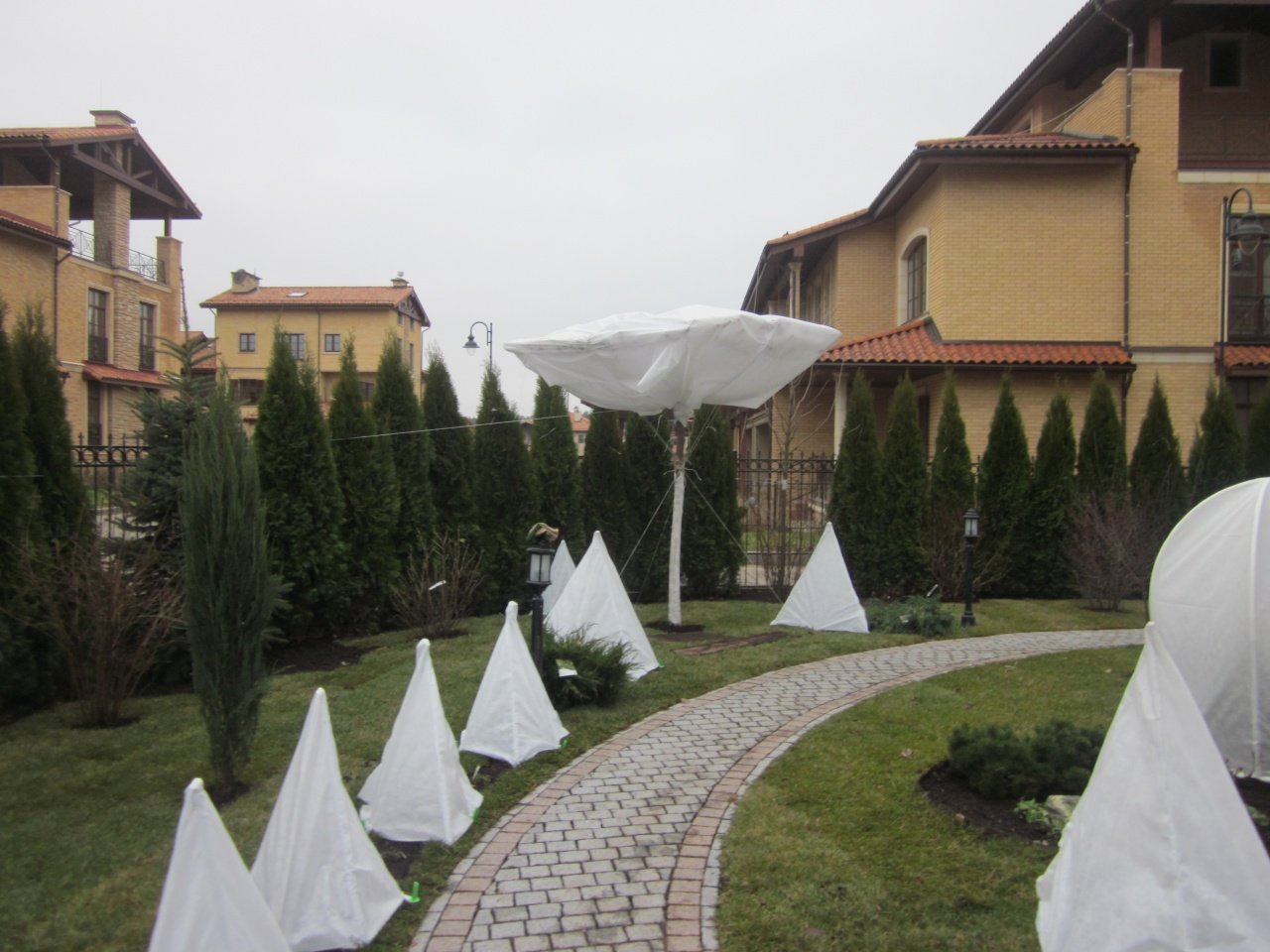
Most shrubs are completely insulated for the winter: a layer of mulch is placed under the base of the bush, and the crown is covered with non-woven fabric. Frame covers and tunnels, which can be quickly and easily removed during unexpected warming, are popular among gardeners. In areas with warm and mild winters, frost-hardy species and varieties of barberry, honeysuckle, spirea, and other ornamental plants may not require covering.
Trees
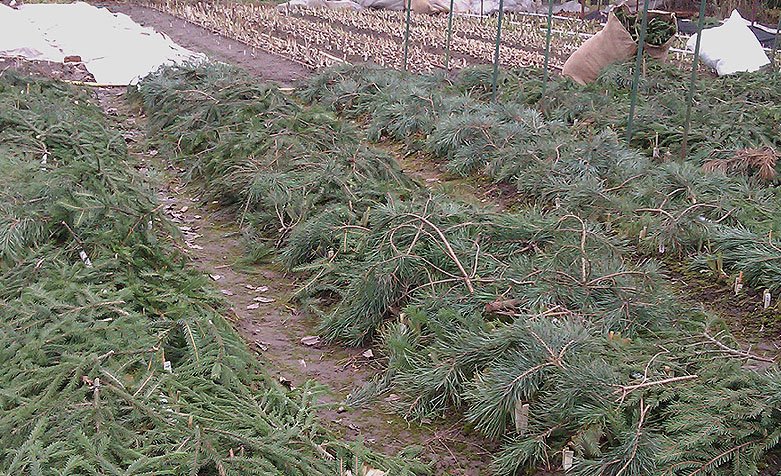
Trees aged four years and older are protected according to the needs of the variety. Mulching the soil around the entire perimeter of the tree's crown protects the root system from icing. Mulch is a mixture of peat, tree bark, hay, straw, spruce branches, dry river sand, and black soil. The average mulch layer is 20–25 cm deep. Some fruit trees—apples, pears, plums, etc.—require protection from rodents. The tree trunk is wrapped in thick cardboard, roofing felt, dense geotextile, or covered with netting.
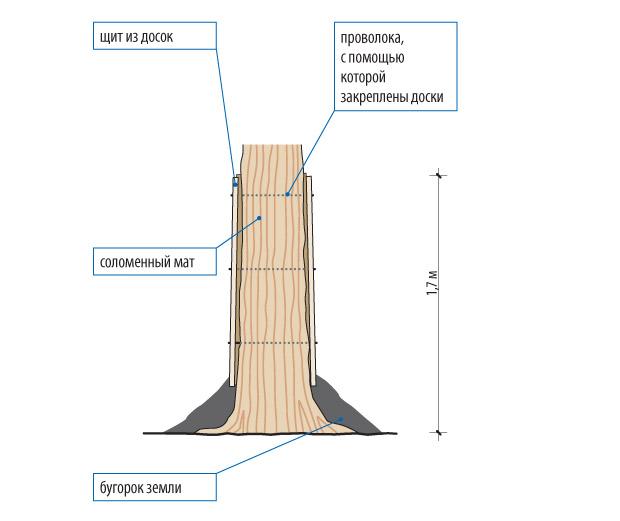
To prevent moisture loss, skeletal tree branches should be covered with regular parchment or thick packing paper. Completely covering fruit trees is only used in extremely cold regions and for exotic crops.
Young seedlings
Newly planted young trees in open ground are completely covered for the winter. The root collar and trunk are insulated with a layer of mulch. The seedling itself is placed under a protective cover. Making a protective cover doesn't take much time or effort: form a frame from metal rods or wooden slats and stretch the covering material over it.
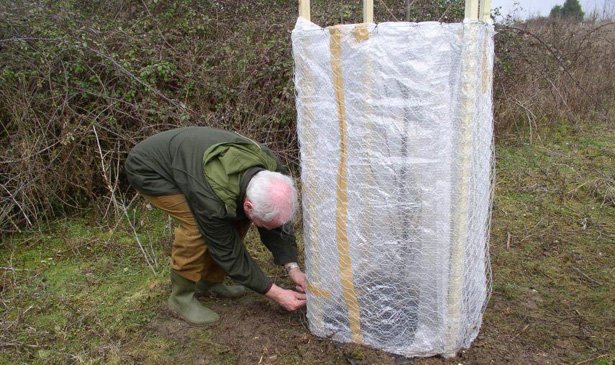
Experienced gardeners recommend that even with complete cover, young seedlings can freeze in severe frosts. Additional insulation—insulating pine branches inside the frame—can prevent the death of a young garden.
The technique for covering plants for the winter depends not only on the varietal characteristics of the crops being grown but also on the regional climate. The Volga and Moscow regions have a variable climate. Heavy snowfalls alternate with sudden thaws or, conversely, significant drops in temperature. Sudden temperature fluctuations negatively impact plant vigor. The use of breathable covering materials helps stabilize the situation and protect crops from climate change.