
Rules for preparing your lawn for winter
Content
Why prepare your lawn for cold weather?
A well-maintained lawn is rightfully considered the crown jewel of any garden and a gardener's pride. Despite the low maintenance nature of lawn grasses, they still require care—both during the warmer months and in the fall. The main reasons for fall care are preparing the lawn for winter and protecting it from freezing.
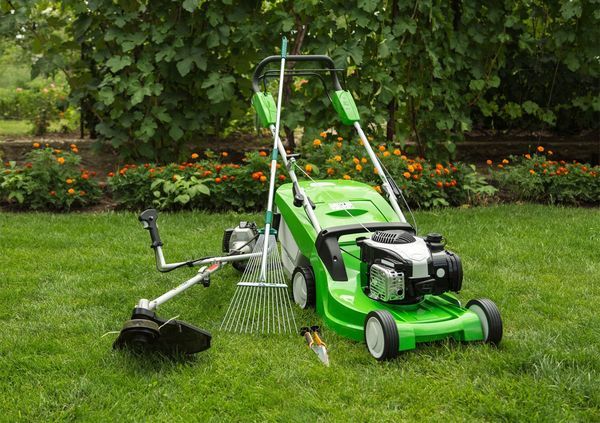
Video: Preparing Your Lawn for Winter
This video will show you how to prepare your lawn for winter in the fall.
Work plan
To ensure your landscaping maintains its vibrant color, prevents thinning, and survives the winter, a number of maintenance steps are necessary. The primary focus of care is on the root system, as the above-ground portion of the grass gradually rots with the onset of autumn.
The main procedures for preparing your lawn for winter include:
- cleaning;
- watering;
- top dressing;
- aeration;
- haircut;
- insulation.
Cleaning
Gardeners often ask whether it's necessary to clear their lawn of fallen leaves and other organic debris. The answer is a resounding yes. While dry leaves can be a good insulator, they also provide a refuge for insect pests and small rodents. Furthermore, dry grass blades impede oxygen supply to the lawn's root system. Therefore, gardeners' first step in preparing their lawn is tidying up the area. This is done as the leaves fall.
The following devices are used for this:
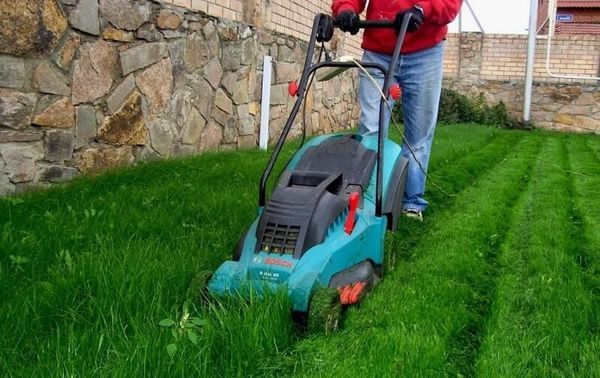
- A lawn mower with a grass catcher. This method allows for two simultaneous operations: collecting debris and mowing the lawn. However, it's important to keep in mind that this procedure should be performed a couple of weeks before the first frost. Otherwise, the mown grass won't have time to adjust to "sleep mode."
- Garden vacuum cleaner. This method allows you to quickly clear the area of leaves and dry grass.
- A fan rake. The ideal option for collecting debris. The teeth are available in plastic and metal. To avoid damaging the roots of garden grass, use a tool with flat teeth. An adjustable working width allows the gardener to control the size of the area being worked.
Watering and fertilizing
If autumn is rainy, watering is completely avoided. If there is no precipitation, water the soil twice a week. Sprinkler irrigation is considered one of the best watering methods because it distributes the water evenly across the entire lawn. Puddles can be detrimental to the root system of the lawn. Before watering, inspect the area for depressions, holes, and uneven areas. If any are present, level the lawn. Sand and leaf mold are used for this purpose. The mixture is spread into all depressions and compacted thoroughly.
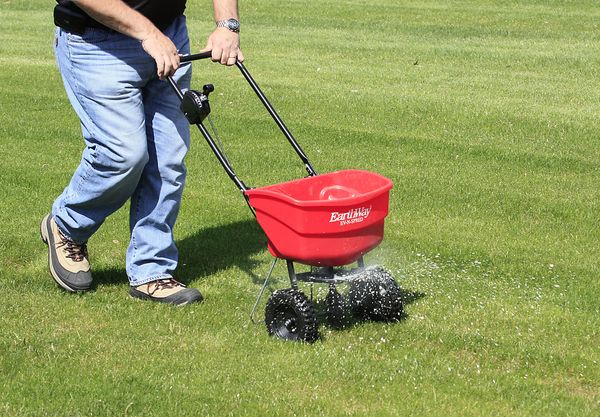
In early autumn, garden grass is fed with nitrogen fertilizers. The concentration should be minimal, otherwise the lawn will not begin to grow and will not "go dormant" in time. Superphosphate is another supplement that strengthens the grass, particularly its root system, and stimulates new growth. Potassium-rich compounds improve the plant's resistance to stress and facilitate better absorption of nutrients.
An alternative is to use complete lawn mixtures, which contain all the necessary components. Organic fertilizer enthusiasts use wood ash, dolomite flour, or slaked lime. These substances nourish the soil, thereby improving the condition of the grass.
Aeration
Aeration is a type of lawn ventilation that improves oxygen supply to the soil. This procedure prevents water stagnation, which can lead to root rot and bare spots on the lawn. Aeration is performed in dry weather. A garden fork is used to lightly poke the soil, lifting it. This results in loosened soil. After aeration, the lawn should not be walked on; it needs to be allowed to "rest."
Mowing the grass
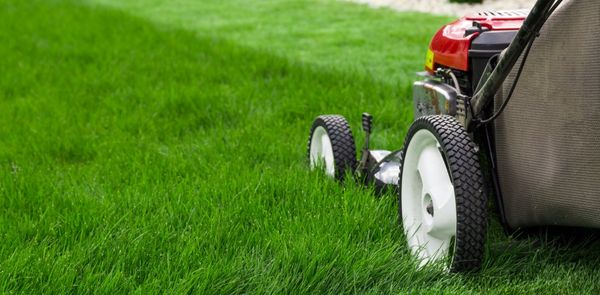
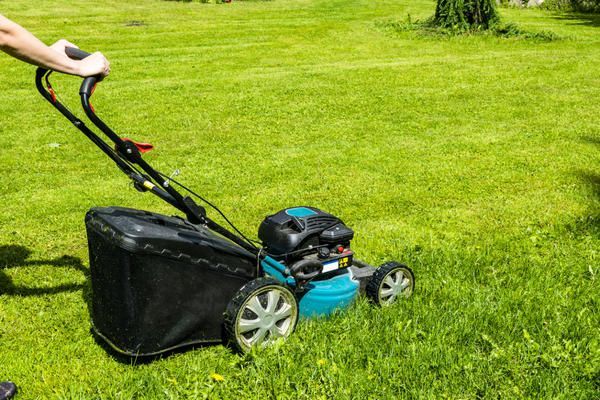
During the warmer months, grass is mowed very frequently, almost weekly. As autumn approaches, the interval between mowings increases, to the point of eliminating mowing altogether. The last mowing should be done no later than two weeks before the expected frost. This is how long the grass needs to recover and gain strength. The height of the mown grass should not exceed 5 cm.
The main advantages of lawn mowing are:
- Improved root system health. By shortening the grass blades, the roots receive more nutrients.
- Preventing grass blades from dying. Grass that is too long will not survive the winter in its original form; under the influence of low temperatures, the greenery gradually dies. This leads to the formation of a felt, which impedes oxygen access to the soil.
- Protection from small rodents. Lush grass attracts small pests that damage not only its above-ground parts but also its roots.
Insulation
Gardeners in central Russia typically don't cover their grass for the winter. Snow is the primary insulator here. In Siberia and the Urals, grass is mulched with a mixture of sand, peat, and soil. Breaking up the ice crust is a necessary winter maintenance procedure, as carbon dioxide accumulates underneath it, negatively impacting the health of the greenery.
Working with inventory
To ensure garden tools always work properly, they are also prepared for winter. Shovels, rakes, and other tools should be cleared of vegetation and treated with machine oil. The lifespan of a trimmer depends on how well it is prepared for winter. First, ensure there is no fuel left in the carburetor. Next, clean the trimmer's components: the blade, the driver chuck, and the motor. The motor is removed and stored separately.
How to prepare a lawn mower for winter is a question no less popular among gardeners. The procedure is similar to the previous one: clean the device of grass debris, sharpen the cutting parts, and lubricate them with oil.
The lawn is considered one of the most popular elements of garden design. Greenery not only creates a cozy atmosphere but also acts as a kind of "natural rug" for the whole family to frolic on. Proper lawn care is the key to a well-groomed and fresh lawn.