
The 5 Most Important Steps to Preparing Your Summer Cottage for Winter
Content
Closing of the summer cottage season
The first stage is preparing the plot for winter. After harvesting the garden beds, berry bushes, and fruit trees, it is imperative to:
- Remove plant debris from fruiting crops. Collected leaves and branches are burned, as they harbor pathogens and harmful insects.
- Trim bushes and trees. Remove diseased, old, and broken branches.
- Dig up the area and add fertilizer. In the fall, phosphorus-potassium and organic fertilizers are preferred.
- Spray the areas where plants were previously planted. This preventative measure will help kill pests that hide in the soil during the cold season.
- Cover perennials that are sensitive to cold with straw, spruce branches, and burlap. Flower beds with perennials are also covered for the winter. Insulation is only necessary if you live in the southern regions of the country, and even then, it's not suitable for all plants.
- Whitewash tree trunks to protect against rodents.
- If necessary, replant the plants. Autumn is a favorable time.
All garden tools are cleaned of dirt and sharpened. Iron items are treated with a special anti-rust solution. It's best to store tools in a dry place.
Properly prepared plots will accelerate plant growth in the spring and allow you to obtain a tastier and more abundant harvest at the end of the growing season.
Video: "Recommendations for Preparing Your Summer Cottage for Winter"
This video will show you how to properly prepare your dacha for winter.
Preparing the house
Once the land is prepared for winter, you can move on to the dacha itself. In autumn, a summer house requires no less attention than a garden or vegetable garden. Both internal and external work must be carried out here. Let's look at each preparation stage in more detail.
Roof and gutter inspection
First, check the roof for holes and cracks. If these are present, moisture will penetrate the house during the winter, negatively affecting both the wooden frame elements and the interior finishes. Therefore, any holes and cracks found in the roof should be properly sealed, making the seams watertight.
It's also essential to check the gutters. They should function properly and drain excess moisture from the roof. Their functionality is especially important during the fall and spring, when rain is frequent.
Order in the house

Before closing up the house until spring, it needs a thorough cleaning. A general wet cleaning should begin. The summerhouse should be thoroughly washed of dirt and dust should be removed from shelves and any horizontal surfaces.
You should also wash all bed linens, clothing, towels, and bedspreads stored indoors. To protect textiles from moths, it is recommended to place special moth-repellent tablets in all closets. This is especially true for woolen items.
All dishes in the house should be washed and covered with a towel. This will prevent dust and dirt from accumulating. Afterwards, the dishes are placed in cardboard boxes and sealed until spring.
Furniture should be covered with cloth or wrapped in plastic film. The latter method is considered superior as it provides better protection from dust and moisture.
All electronic devices should be unplugged. It's best to remove them and return them during the warm spring or summer months. They may malfunction if left in an unheated or unoccupied space.
If you don't plan to live in your home during the winter, it's recommended to remove all food items from the house in addition to appliances. Only shelf-stable foods (such as cereals or pasta) can be left behind. These should be stored in containers with tight-fitting lids, otherwise mice may feast on them.
Protection from rodents
In the Moscow region and elsewhere in our country, summer cottages often suffer from rats and mice infestations during the winter. To protect the interior of the house from rodents, place special repellents throughout. Dried elderberry or wormwood branches are effective at repelling mice and rats. Rodents dislike their smell.
It's especially important to take preventative measures to control mice in basements and cellars, as these areas are most often subject to rodent infestations. These measures include the following:
- cleaning up garbage, removing cobwebs, rot, mold and fungi;
- ventilation and drying of the room;
- proper preparation of crops for storage.
Disinfection of the walls and floors is mandatory. Copper sulfate, lime, and other specialized chemicals (such as 40% formalin) should be used for this purpose.
Communications outage
To properly prepare your summer house for winter, it's essential to shut off all utilities. This will not only help prevent many problems, such as fire or flooding, but also protect the utilities from sudden temperature fluctuations.
Before storing the house, turn off the electricity, water, and gas. If there are gas cylinders in the house, they can be left in until spring. At low temperatures, gas simply compresses, so it's not affected by frost.
It's important to drain the water in the house. Liquid should be removed from all water pipes. Ball valves in the system should be left slightly open—approximately 45°. This is done to prevent water from freezing where the pipe elements meet. Frozen water can simply rupture the pipe casing and cause serious plumbing problems. Avoid allowing water to remain even in the toilet cistern.
Safety
Since the dacha won't be visited until spring, it's important to ensure its security. All locks in the house should be lubricated to prevent them from rusting over the winter. It's also recommended to install additional security systems, such as bars, on the windows and doors. You can even install an alarm system, but this is quite expensive.
It's important that the locks on doors and bars be unique and have a complex opening/closing mechanism. Otherwise, they will be very easy to pick.
Insulation
To protect a dacha from freezing temperatures during the winter, it should be insulated. Insulation can be applied externally, cladding the building's façade. Internal insulation is also an option.
Insulation is best done during the warmer months. However, if necessary, some types of insulation can be done when it's cold outside. The main requirement is dry weather. Moisture is the worst enemy of insulation.
Materials for interior and exterior work
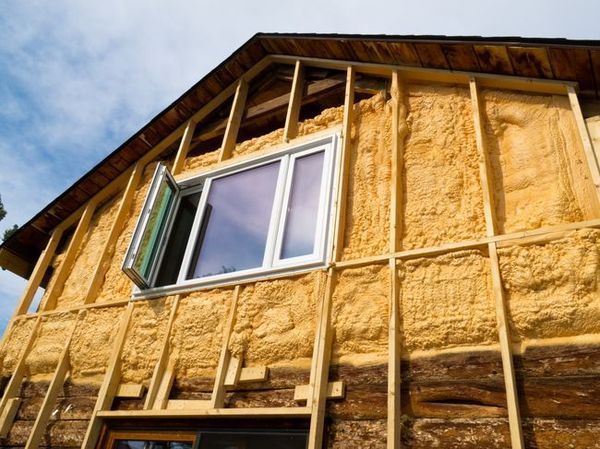
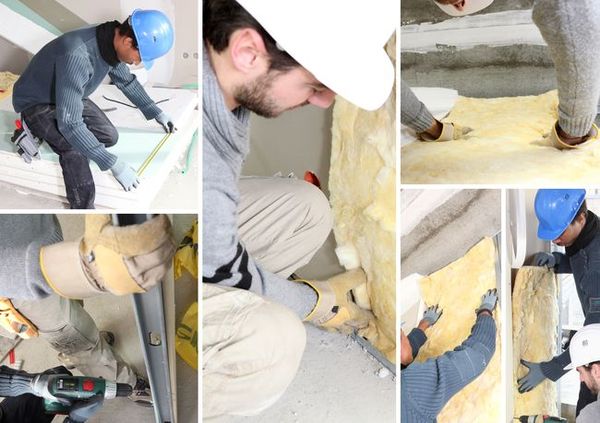
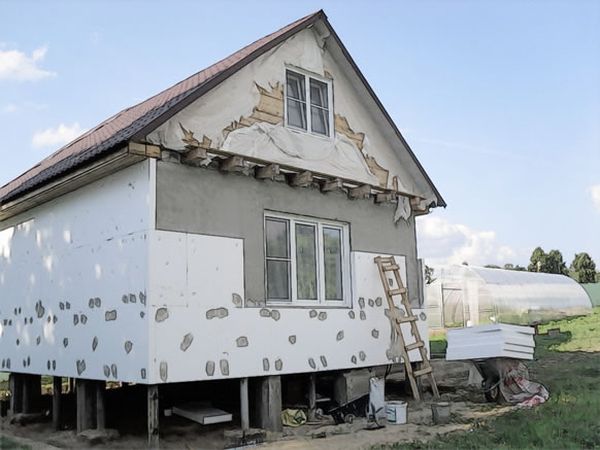
Today, there are several types of insulation materials. The most popular are mineral wool and polystyrene foam. Basalt wool, extruded polystyrene foam, and extruded polyurethane foam are also frequently used as insulation. When choosing insulation, remember that each material has both advantages and disadvantages. When choosing a particular insulation material, consider how easy it will be to work with.
Technology
There's a specific technology for external and internal insulation. It must be strictly followed in any situation, otherwise the desired effect will not be achieved. Typically, this technology involves creating several layers:
- vapor barrier;
- insulation;
- exterior finishing.
Depending on the type of material used, the technology may undergo some changes, but the general principle remains the same: to create high-quality insulation, it is important to prevent the insulation material from coming into contact with moisture.
Now you know how to prepare your dacha for winter. Follow the recommendations above, and you'll be able to keep your dacha tidy even during the colder months. Remember, properly preparing your home for winter will make your work much easier during the spring months.