
How to care for a peach tree at different times of the year
Content
Loosening the soil and watering
Peaches are propagated by cuttings. The cuttings are prepared in advance and placed in water to root. They should remain green.
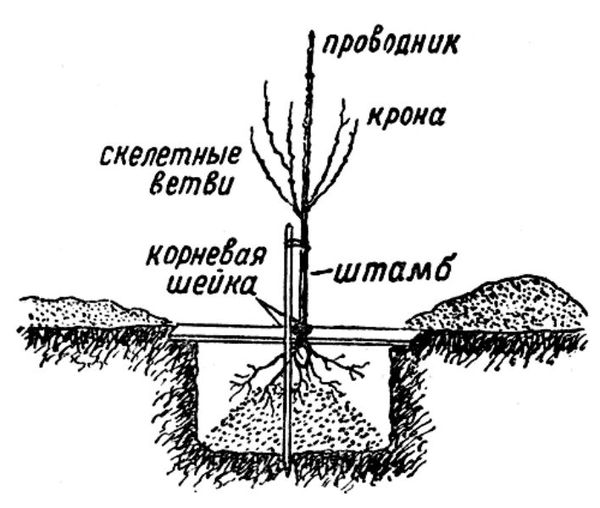
Propagating peaches in Siberia and Belarus is a challenging process. Winters are very cold, and summers lack sun. Growing peaches in these conditions is extremely challenging. Be prepared for the possibility that a seedling may not take root the first time. Therefore, it's important to choose varieties that can withstand this climate. Before planting, loosen the soil to a depth of 70 cm. After planting, the seedling should be covered with insulation.
Spring peach tree care begins with loosening the soil. The topsoil is removed and replaced with soil mixed with humus, compost, or manure. This will nourish the plant. Loosening the soil oxygenates it and increases water absorption. This procedure also clears out weeds around the trees. This is essential for faster growth and better access to moisture and nutrients.
Caring for a peach tree in summer consists of watering it. It's drought-tolerant, but for a good harvest, the peach tree needs to be well-watered. If there's no rain, water it once a week. It's important to note that overwatering is not recommended, as it will cause root rot and the plant to die. Artificial irrigation can be used.
Top dressing and fertilizers
The lifespan of a peach tree depends on weather conditions and fertilization. In Belarus, for example, it lasts 15–30 years. The more neglected the tree, the shorter its lifespan.
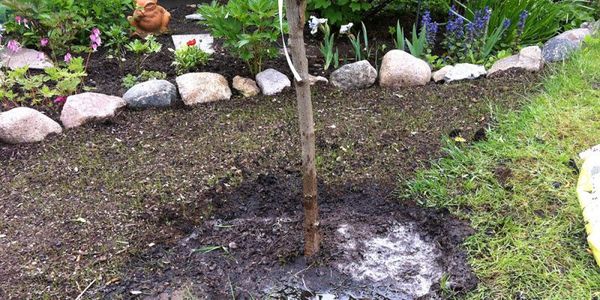
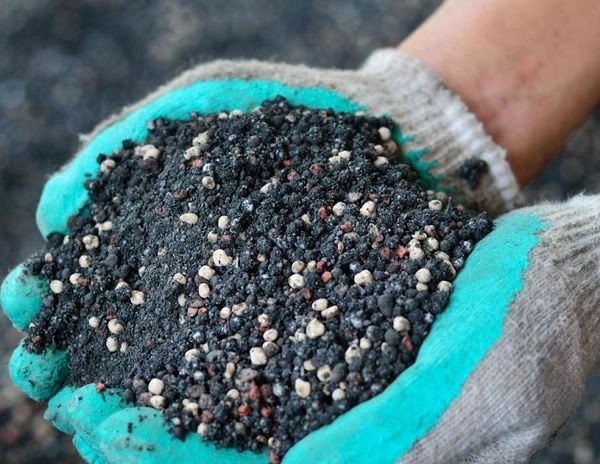
Fertilizing a peach tree depends on soil fertility: in areas with good soil, the tree is fertilized every 2-3 years, while in areas with poor soil, it is fertilized frequently (every year). Fertilizing also depends on watering: water can wash away all the beneficial elements, so if you water heavily, you need to fertilize the soil.
In the spring, before the buds swell, you can treat the tree with a urea solution. This will not only kill all pathogens but also saturate the soil with nitrogen. Why not treat the peach with urea in late spring? If the buds have already swelled and the peach is treated with this solution, there will be no flowering or fruiting. However, you can treat the tree with a solution of ammonium nitrate and urea (70 g and 50 g, respectively, per 1 m² of the trunk circle). In June, treat the peach with the following:
- 100–150 g of aqueous extract of superphosphate;
- 50–60 g of ammonium nitrate or 30–50 g of urea;
- 15 g of manganese and 10 g of borax, diluted in 10 liters of water.
Peach trees can be sprayed in early spring and fall. Trees left untreated become a hotbed for aphids.
To make the fruits more attractive and sweet, after flowering the trees can be treated with 30 g of potassium salt or potassium sulfate diluted in 10 liters of water.
In the fall, fertilization involves using 40 g of superphosphate and 50 g of calcium chloride per m². Every few years, add humus and compost.
In addition, in fruit-bearing peach orchards, it is recommended to plant oilseed radish and rapeseed next to the peach tree.
Pruning and shaping
In the spring, before the sap begins to actively flow, peach trees are pruned. While the plant isn't blooming, branches damaged by frost or winter are pruned. Particular attention should be paid to crown formation. Don't allow it to become too overgrown. Pruning not only makes the tree more attractive but also creates a balance between the trunk and root system. Typically, the crown is shaped like a bowl. Be careful not to allow the branches to become too dense. This will make harvesting difficult and prevent the fruit from receiving the necessary amount of sunlight.
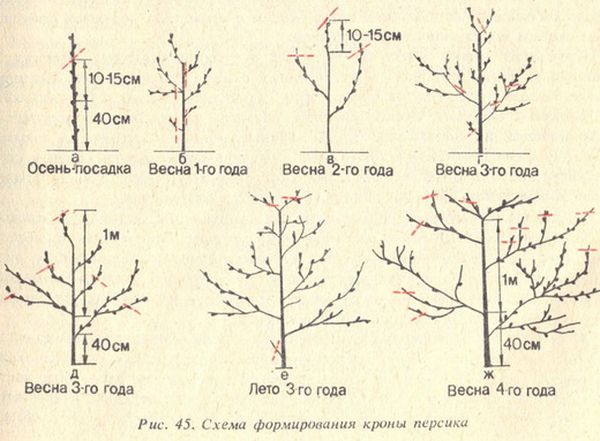
The plant also needs to be pruned in the fall. Branches damaged during harvesting are trimmed off.
Graft
Caring for a peach tree is impossible without grafting. There are several trees onto which apricots can be grafted. The most popular include:
- plum;
- apricot (peach will become nectarine);
- almond.
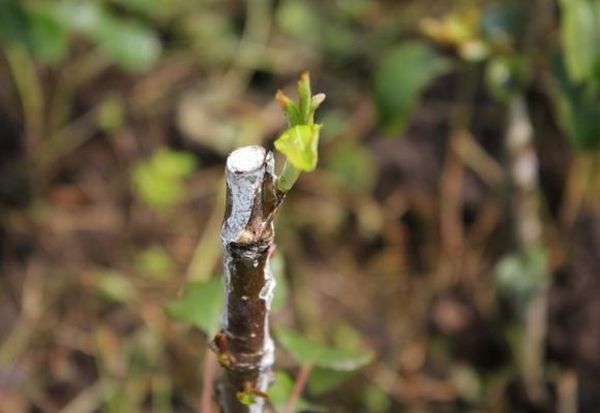
Grafting any tree rejuvenates it. The procedure begins with preparing a cutting. This should be done in the fall before frost. It's best to choose a branch thicker than a pencil. Store the cutting in a dark, cool, and damp place throughout the winter. Soak the cutting thoroughly.
To graft, secure the cutting securely to the tree and wait. If the scion takes root, the operation is successful; if not, it must be repeated the following year. It's best to graft trees before they're five years old, as older trees can die, and their survival rate is very low.
A grafted tree begins to bear fruit better. Some believe this method can revive or restore the tree. How effective this method is is up to you to judge, but rejuvenation certainly occurs.
Sun protection and preparation for frost
Peach trees thrive on sun, so there's no need to protect them from direct sunlight. Instead, they're planted away from other trees to maximize heat gain. The distance from other trees should be at least 3 meters. Trees grown in the shade don't absorb the necessary heat, their fruit isn't sweet and juicy, but green, and they have trouble overwintering.
What can I do to prevent my peach from freezing?
Peach trees in southern Belarus require no winter care if they are insulated in the fall. In the Nizhny Novgorod region, peach trees can withstand temperatures down to -25°C, but they are very heat-loving and should not be left without heat. As soon as the first frost occurs, the plant's roots should be covered with mulch or sawdust. A tree with frozen roots dies. As for the trunk and buds, burlap, pine needles, spruce branches, or any other natural material can be used to protect them from the elements.
Protection from diseases and pests
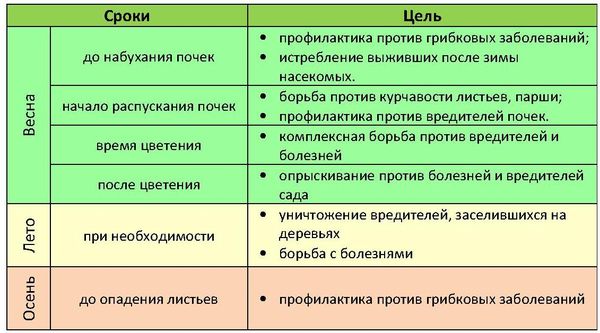
The most common pests affecting peach trees are aphids, blossom weevils, spider mites, oriental codling moths, and fruit moths. To control them, spray the tree with Confidor, Bi-58, or Dursban. Spraying can also be used as a preventative measure.
The main rule for protecting trees from pests is to keep the garden clean at all times. Aphids love weeds, so you need to keep them as few as possible in your garden. Last year's leaves are always warm and humid, which creates ideal conditions for pathogens to thrive. As soon as trees shed their leaves, they should be collected and burned.
Pests don't like mineral fertilizers. You can also use phosphorus-potassium fertilizers liberally. These are the best options for not only killing pests but also increasing the garden's resilience to natural conditions and fruit production.
It's also recommended to prune diseased branches and remove rotten fruit. This will prevent the spread of pests.
Video: Peach Tree Care and Tree Shaping
This video will show you how to care for a peach tree in your garden and how to shape it.