
A review and description of the best types and varieties of peaches
Content
Early
A distinctive feature of this peach variety is its early ripening. In warm climates, varieties such as Early Sycheva, Kyiv Ranniy, and Greensboro peach produce ripe fruit as early as mid-July. They are grown in a variety of climates, including Crimea, Armenia, Moldova, and elsewhere.
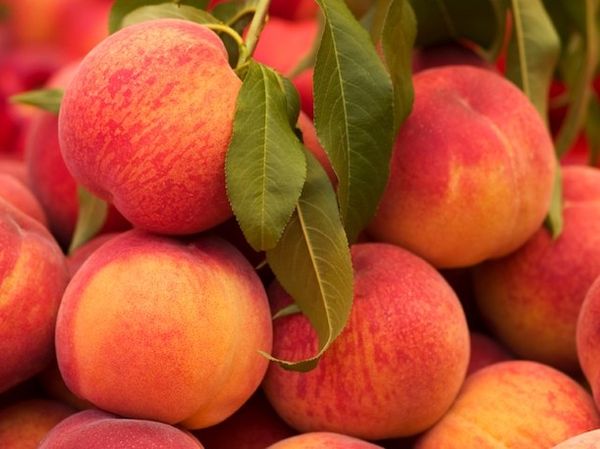
Early-ripening Armenian peaches are renowned worldwide. But Crimean peaches are also extremely popular. One of the main advantages of early peaches is their rapid entry into the fruiting phase. Trees are capable of forming a wide crown. These plants produce fragrant, delicious fruits in large quantities.
To learn the features of these types, it is worth briefly considering the most popular of them.
Early Kyiv
It blooms between April and May and begins bearing fruit as early as July. The first harvest can only be obtained from a mature, well-developed plant. Typically, the first harvest from such trees occurs six years or less after planting. A single mature plant at this age can produce up to 60 kg of fruit. They are very juicy and delicious, reminiscent of the common peach in flavor. These trees have a wide crown. The height of the tree itself is small (up to 5 m). By comparison, the common peach can reach 8 m.
White Swan
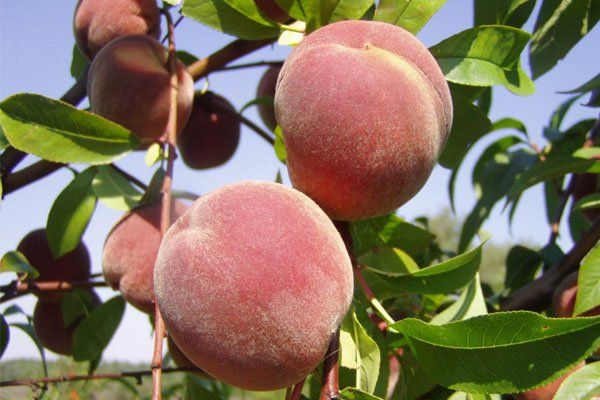
Produces medium-sized fruits. The flesh is characteristically white. A faint blush may be present on one side. One such white peach weighs an average of 150 g. The White Swan peach ripens in mid-August. It is not particularly transportable, so it is not suitable for long-distance shipping for sale. These fruits are best consumed fresh, immediately after harvest. The fruit has tasty, juicy flesh that is not firm and soft.
Greensboro
When listing the best early-ripening peach varieties, it's impossible not to mention the Greensboro. This tree bears fruit in July. The skin of the fruit is very fluffy, hence the name "hairy." The fruits are a fireplace-colored hue with a red blush. The flesh is sweet and juicy. The fruits are not very firm, making them unsuitable for long-distance transportation. Furthermore, the insufficiently thick skin contributes to a shortened shelf life.
Redhaven
This is another name worth mentioning when listing early peach varieties. It's a medium-sized plant with a conical crown, brownish-gray bark, and yellowish lenticels. It produces a good harvest. This tree produces fairly large peaches, similar to the Pontic variety. The weight of one fruit reaches 160 g. Some weigh up to 200g. The skin is velvety and dense. The main color is bright yellow-orange.
Morettini
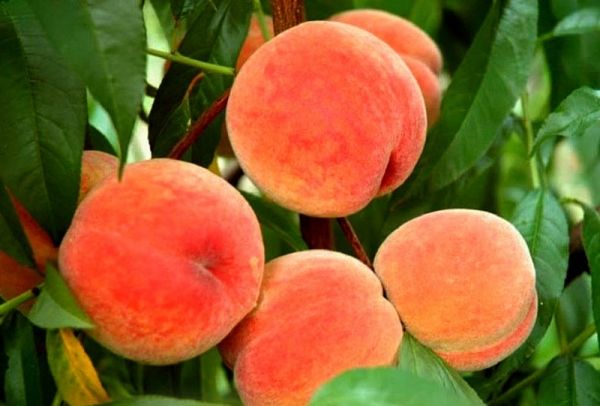
The Favorite Morettini peach produces ripe fruit very early. Its yellow skin has a golden hue. The tree itself is small, medium-sized. The plant is similar to bush peaches, which also produce medium to small-sized fruit. The flesh is juicy, sweet, and aromatic.
Average
One of the advantages of these varieties is their high yield. With good frost resistance, the Donetsk Yellow peach, Collins peach, and other similar varieties yield slightly later than the previous group of varieties. These fruits produce large, juicy berries.
Collins
These fruit trees are medium-sized. A mature tree reaches 3.5 meters in height. The leaves are elongated and lanceolate, tapering at the top. The fruits are medium to large. The skin is velvety, bright orange with a raspberry blush. The flesh is aromatic, very tender, and juicy. These fruits are characterized by excellent transportability. They retain their marketable appearance and excellent flavor for up to 7 days.
Cardinal
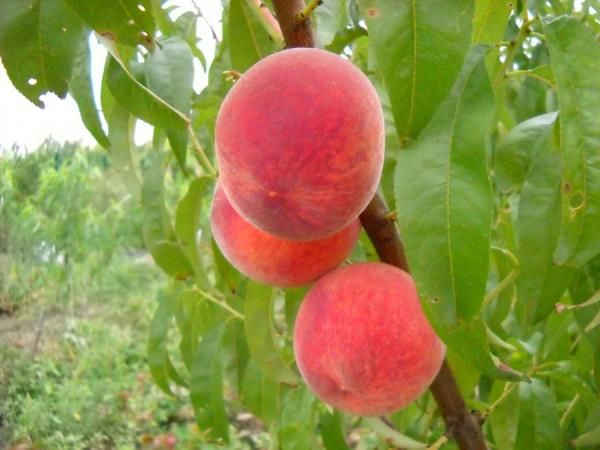
What's the name of the variety that produces the largest fruits? That's right, the Cardinal peach, renowned for its enormous fruit. A single one can weigh up to 140 grams or more. Fruits of this type have received top marks in international tastings. The plant is characterized by resistance to various diseases. This variety should be planted in wind-free areas, such as near the wall of a house or other building. It's important to avoid a pond or other body of water nearby.
Golden Moscow
Many gardeners know the delicious fruit of the Golden Moscow peach. It's relatively new but has quickly gained popularity. It's frost-hardy and has a flavor and sweetness reminiscent of a nectarine.
Siberian
Farmers value this variety highly for its easy transportability. The yellow fruits can be stored in cool places for up to 21 days. The harvest can be made as early as late August.
Saturn
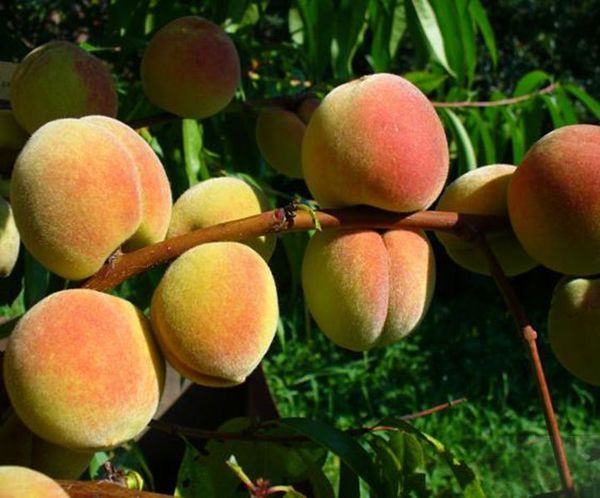
This variety is also known for its long-term storage. Ripe fruits can be stored for 12 days without losing their flavor or appearance. It's worth noting that this variety has a vigorous crown, making it challenging to care for. Gardeners value this variety for its winter hardiness (able to withstand temperatures as low as -27°C). With proper care and downward bending of the branches, the tree will produce a bountiful harvest every year.
Kremlin
The Kremlin peach is distinguished by its ability to quickly adapt to temperature fluctuations. Because of this, the Kremlin variety is grown primarily in areas with long, cool summers. It is also frost-resistant. With proper care, ripe fruits can weigh up to 200 g.
Donskoy
The Donskoy peach is the most frost-resistant of the mid-season varieties. The frost-resistant Donskoy variety can quickly recover even after freezing. It is characterized by high yields, tasty fruit, and good transportability. It is suitable for both home and commercial cultivation.
Late
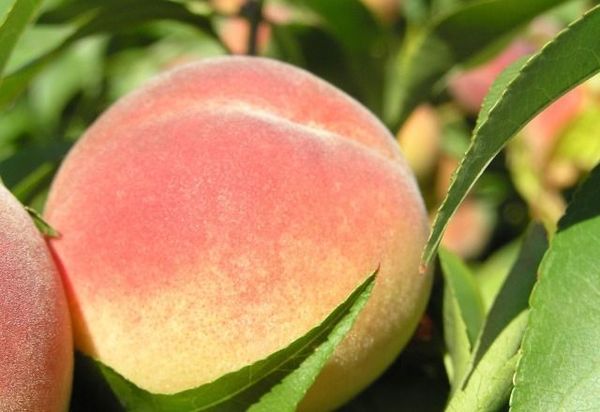
Varieties such as the wild peach, Fury, Veteran peach, and Negus red-leaved peach are distinguished not only by their late ripening period but also by the best frost resistance of all existing varieties. The Khasansky peach is considered one of the leaders in frost resistance.
It is worth noting that many of these crops, when grown in the North, can produce sour fruits, while a similar tree grown in the southern region produces sweet and juicy fruits.
Fury
This variety easily survives frosts down to -28°C. The fruits have a distinctive orange color. The tree is easy to grow and requires little care. Harvesting can begin as early as late September. These fruits can be stored for up to 6 days.
Frost
It was developed by American breeders. The plant produces large fruits, tolerates severe frosts, and is resistant to various diseases. The fruits are suitable for fresh consumption.
Veteran
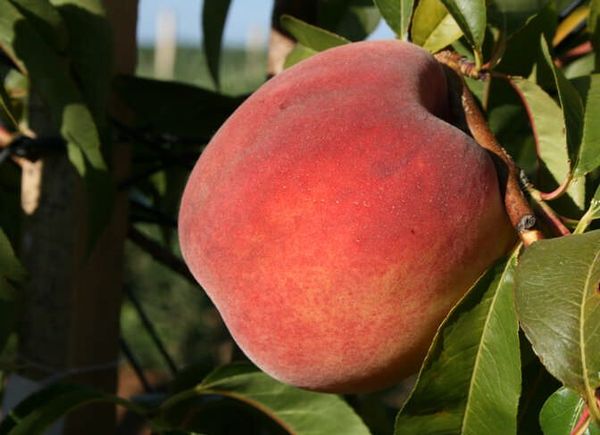
It differs from other late-ripening varieties in that it begins bearing fruit much earlier. Plants of this type are small in stature. The fruits are also small. These fruits are suitable for canning.
Self-pollinating
These varieties are no less popular among gardeners. For example, some are partially self-pollinating (such as the Big Honey peach), while others are self-fertile, such as the Golden Jubilee peach, the Inca peach, and the Vulcan peach. To ensure a good harvest, experts recommend planting several fruit-bearing varieties at once to ensure cross-pollination.
Inca
This is a mid-late ripening variety. The fruits are round, weighing 150–180 g each. The flesh has a sweet, dessert-like flavor. This variety is suitable for commercial use, as the fruits can be transported over long distances. They are suitable for both fresh consumption and for various preserves.
Volcano
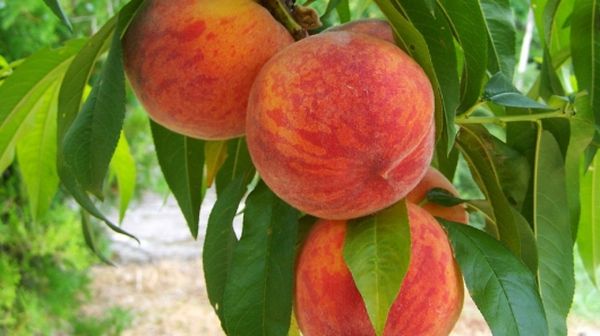
Characterized by high yields, it is also resistant to fungal diseases and sudden temperature fluctuations. Its growth rate is moderate to vigorous. These fruits ripen in August. The skin is orange-hued, with a blush over most of the fruit. Individual fruit weights range from 80 to 120 g.
The key feature of this variety is its dense flesh. This makes it ideal for freezing and industrial processing.
Harnas
An early-ripening dessert variety. It bears fruit regularly and is resilient to cold, long winters. The fruits, once ripe, remain firmly attached to the branches and do not fall off. Suitable for growing in Siberia.
Golden Jubilee
When describing the Golden Jubilee peach, the variety's description can be limited to an assessment of the taste and appearance of the fruit. The fruits are sweet, very attractive, and have an attractive marketable appearance. Planting several plants at once will facilitate better pollination. A single tree can yield up to 50 kg of fruit.
Video: How to Care for Peaches
This video will show you how to properly care for peaches in your garden.