
The best peach varieties and planting in the Moscow region in spring
Content
The best varieties
The temperate continental climate of the central part of the country can be characterized as unstable and changeable. Winters here range from relatively mild to quite harsh and snowy, with temperatures dropping below -20°C. Summers are not particularly hot, with abundant precipitation in the form of rain and fog. These conditions significantly complicate peach cultivation in the Moscow region. However, this problem is now easily solved by choosing the right variety, rootstock, and following proper cultivation practices.
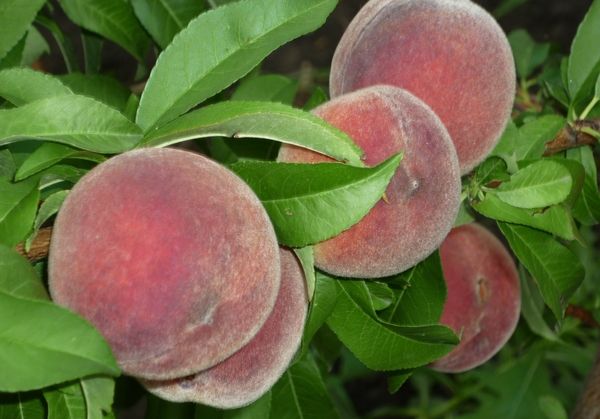
LThe best varieties for central Russia and the center in particular are early and mid-season, yielding a harvest in mid-summer. Since the main problem with peach cultivation in these regions is winter frost damage, it's essential to select only frost-resistant varieties. Columnar peaches and nectarines are such varieties. They are a true miracle of modern breeding, as in addition to their compact size, excellent yield, and low maintenance, they are also self-pollinating.
In Russia, gardeners successfully grow the following peach varieties:
- Redhaven. This is the largest-fruited and most productive peach grown in the Moscow region. Its fruits weigh 120-150 grams, and the yield during the peak period (10-11 years) is over 100 kg per tree. Although an American-bred variety, it tolerates frost well. The fruits are yellow-orange, with a beautiful raspberry blush;
- Kyiv ranniy. An early-ripening variety with very sweet and relatively large (up to 110 g) fruits. It has good resistance to frost and fungal diseases, but does not tolerate excess moisture. The fruits are light yellow, covered with a reddish blush. The flesh is straw-colored or greenish-white, very juicy and moderately sweet.
- Greensboro. Another large-fruited peach for growing in the Moscow region. Its fruits reach a weight of 130 g and have exceptional commercial qualities: uniform in size, with a greenish skin, densely blushed;
- Early Sychova. This variety has small fruits (45–50 g each), but this drawback is compensated for by the high yield due to the large number of ovaries. The fruits are greenish-white, with a diffuse blush, sweet, with a slight tartness;
- White Swan. A mid-season variety of domestic selection, ripening in early August. The fruits are large (150–200 g) and attractively rounded. The skin is pale yellow, with a slight blush. The flesh is white or creamy, sweet, and very juicy, making it difficult to transport.
- Donskoy is frost-resistant. One of the most cold-hardy varieties in the mid-season category. The ripening and consumption period lasts from the second half of August to mid-September. The fruits are small (60–80 g), but very beautiful – bright orange with an intense blush. The flesh is yellow-cream, very sweet. Fruiting begins in the third or fourth year.
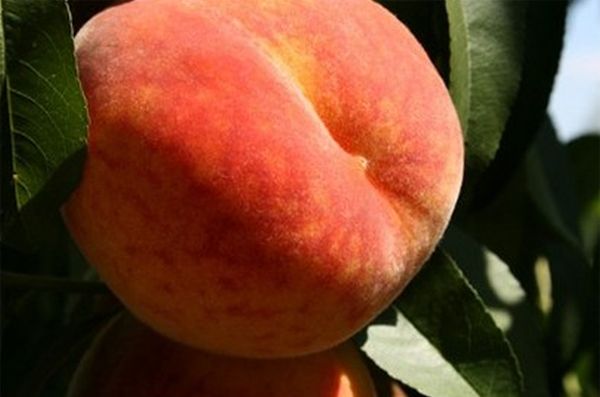
You can also try growing the "Honey" peach in the temperate climate zone. This columnar variety produces beautiful, large (up to 180 g) fruits. It is frost-resistant, self-fertile, and highly disease-resistant. It ripens in mid-July. The fruits are bright yellow, half-blushed.
When and how to plant
Planting and caring for peach trees is easy, even for beginners. They thrive in any soil, as long as there's good drainage and the site is in a sunny location. Fertile, slightly acidic loam with some carbonate fractions is considered the most suitable for peaches. If these are not available, drainage can be improved by adding fine gravel or brick chips. Peach seedlings are planted in the spring in the Moscow region, especially if they have bare roots. The holes are prepared in advance: if planting in the spring, dig the holes and add fertilizer (7-10 kg of humus, 1 liter of ash, and 150-200 g of superphosphate) in the fall. Peaches, like nectarines, typically have a compact crown, so they can be planted in a dense pattern – 4x4 m or 4x3 m apart.
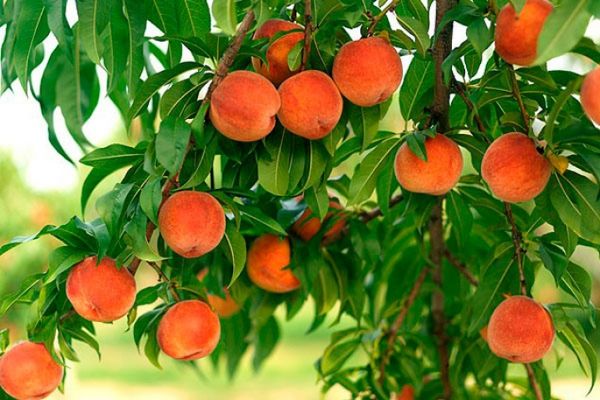
Since most trees are self-sterile, care must be taken to plant pollinators nearby – any stone fruit crops, but preferably other varieties of peaches.
Further care
The first 2-3 years after planting require special attention. Comprehensive care during this period includes the following processes:
- frequent but moderate watering as needed (later, adult peaches are watered during the flowering and fruiting period);
- top dressing from the second year of life (in spring - nitrogen, in autumn - potassium), a fruit-bearing tree is fed with potassium 2 times a month;
- the area around the tree trunk should be regularly loosened shallowly or covered with mulch;
- Formative pruning. In temperate climates, it is recommended to form peaches into a bush, leaving no more than 5 fruiting shoots and 3-4 new ones after each pruning;
- A young tree requires crop rationing (removal of some of the ovaries), since thin young branches, as a rule, are not able to support the entire load of the crop.
Preparing for winter
All peaches, regardless of variety, are heat-loving and have a short dormant period. This is dangerous because the slightest thaw can wake the tree and cause partial or complete freezing. Therefore, all peach trees grown in temperate climates must be covered for the winter.

Not only the roots but also the crown need to be covered. If the tree is small, it is bent to the ground and covered with a warm but breathable material (to prevent the shoots from rotting). For a mature tree, the roots and individual branches are covered using the air-dry method.
Video: Planting a Peach Tree
This video will show you how to plant peaches correctly.