
How to grow a nectarine tree from a seed
Content
Which variety to choose?
It's worth noting that store-bought nectarine pits are unsuitable for growing trees. This is because store-bought nectarines are harvested at the technical stage of ripeness, meaning the pit simply doesn't have time to fully ripen. It's best to buy nectarines in the summer at a market, where a real gardener can advise you on the variety's characteristics. Fruit ripened in your region has a better chance of growing well and yielding a good harvest.
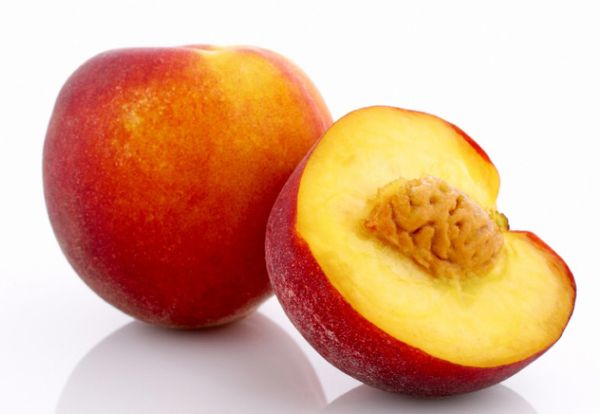
Absolutely any nectarine variety will sprout from a seed indoors. However, gardeners prefer varieties that are short, early ripening, and self-pollinating. The following varieties meet these criteria: Kyiv, Mignon Ranniy, Krasnodarsky, and Ananasny.
Selection and preparation of planting material
To grow a nectarine from a seed at home with good fruiting rates, you should first pay attention to the selection of planting material. Overripe fruits with no rot, mold, or obvious signs of pest damage are suitable for germinating the seed. It's best to select several materials for this process. Preparation is the same for any growing method. So, follow this sequence:
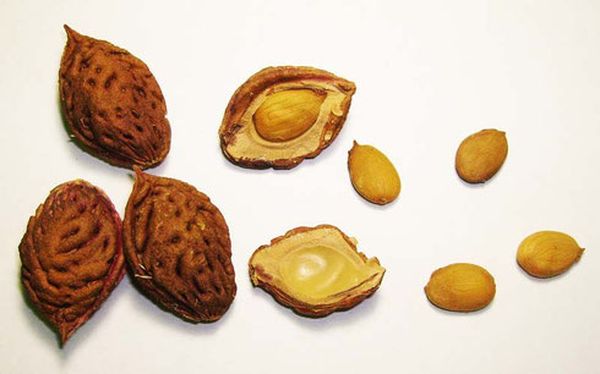
- Separate the bone from the flesh and rinse it thoroughly under running water. Make sure there is no flesh left in the crevices of the bone.
- Drying of planting material is carried out at room temperature.
- Before planting, soak the seed in water for several days, but no more than a week. It's recommended to add growth stimulants to the water during the last two days.
Further actions depend on the chosen method of planting nectarine.
Planting methods
The main question for any gardener is how to germinate a seed correctly. Plant breeders use various methods to germinate seedlings, but if their combined experience reveals three effective methods: cold, hot, and fast.
The cold method is considered certified. The prepared seeds are placed in a pot with soil to a depth of 6-8 cm, then placed in a cool place (cellar, refrigerator, balcony). The plant will take a very long time to germinate, but the most important thing is to keep the soil moist and prevent it from drying out. The first shoots will appear in approximately 4 months. It's crucial to time the planting, as the tree does not tolerate extreme temperature fluctuations. It's best to do this before the onset of warm weather.
Initially, the pots with sprouts are moved from the cold room to a room with a temperature no higher than 10 °C; after a couple of days, the temperature can be increased to 15-20 °C, and then completely transferred to the sun's rays.
The hot method is slightly simpler than the cold method. In this case, the seeds are placed in the refrigerator for a couple of days, after which they can be planted in pots. The seedlings are placed in moist soil. Further germination occurs at room temperature with plenty of light. The container is covered with a glass jar or plastic bag to create a greenhouse effect. The greenhouse is ventilated daily; if a jar is used, condensation is wiped off the glass, and the bag is replaced with a new one.
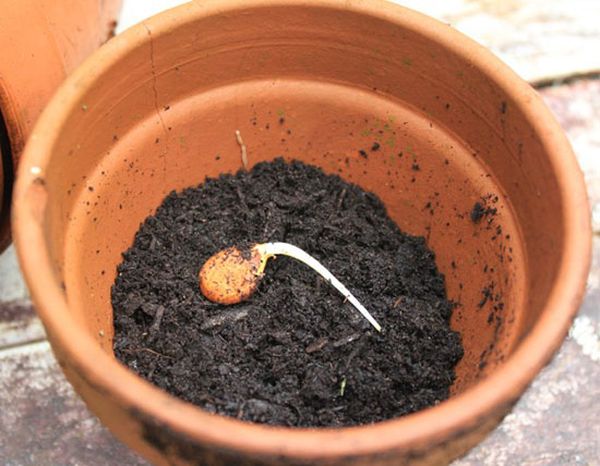
The nectarine will develop roots first, and after a couple of months, the first leaves will appear. At this point, you can remove the greenhouse and leave the plant alone for a few weeks.
It's important to remember that nectarines thrive on moisture but don't tolerate stagnant water. The pot must have holes at the bottom to allow air to flow and excess water to drain. Therefore, it's recommended to place a thin layer of drainage material at the bottom of the pot.
Even the most impatient gardeners are concerned about how to grow a nectarine from a seed quickly. It's quite simple: soak the seed in water for two weeks, then carefully cut it open with a sharp knife. The kernel inside is carefully removed and placed back in water until it swells. This process usually takes no more than two days. Afterward, the kernel is placed in a pot at a depth of 3-4 cm. To speed up germination, you can also create a greenhouse effect for the future plant.
Necessary conditions for growing
The room where the nectarine tree grows must be ventilated daily. If natural light is insufficient, artificial lighting should be used. In winter, the temperature is maintained at 1–4°C. In the spring, to ensure abundant flowering, the growing tree is moved to a room with a temperature of at least 14°C. When the first buds form, the plant should be kept in a warm place with a temperature of 20–25°C.
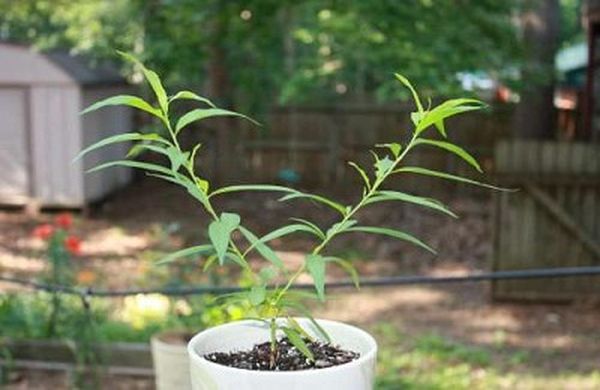
To ensure proper plant growth and fruiting, it is essential to feed the tree. The first fertilizer application is in March, and the second at the end of July.
Further care
Caring for a nectarine planted indoors primarily involves creating a compact crown. Therefore, pruning is performed regularly. Proper crown growth and removal of excess shoots will determine the fruiting of the plant.
It's very dangerous to overfeed a tree with mineral fertilizers. A slight overdose will cause the nectarine tree to swell significantly, making it unsuitable for indoor cultivation. However, if the fertilizer is applied in a higher dose, the plant may die.
Difficulties and advice of a gardener
How to plant a nectarine tree without running into a host of problems? Unfortunately, this crop isn't the easiest to grow. Sometimes, the seedling simply refuses to take root. There are a few simple rules that can help solve the problem or identify its root causes:
- violation of landing deadlines;
- unsuitable variety;
- weakened root system;
- At first, the nectarine should be kept in a dark place with moist soil.
If you follow the basic rules, the grown tree will delight the whole family with tasty and sweet fruits.
Video: How to Grow Nectarines at Home
This video will show you how to grow nectarines at home.