
How to cover a peach tree for the winter and protect it from frost
Content
Why insulate?
The peach tree, often referred to as a southern fruit crop, requires special attention from gardeners. If cultivation practices are not followed, yields decrease, the fruit loses its flavor and marketability, and the plant slowly dies.
Peach is a heat-loving fruit crop that does not tolerate frost, precipitation, or temperature fluctuations well. After winter frosts, last year's seedlings, young trees that have not yet fully established themselves, or trees weakened by disease or insect infestations often fail to recover.
Properly selecting planting material is the first step to successfully growing this fruit crop. When selecting seedlings, it is recommended to pay attention to varieties that are zoned and adapted to specific growing conditions. The following peach varieties are among the most hardy and frost-resistant: Avgustovsky Stoichiy, Frost, Belyi Swan, Kievskiy Ranniy, Zimostoykiy, Fury, Kremlevsky, Flamingo, Skazka, Harbinger, Reliance, and others.
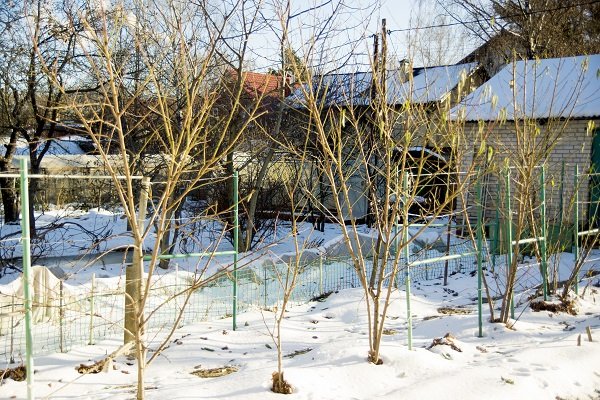
Video: "Insulating a Peach Tree for Winter"
After watching this video, you will learn how to properly insulate a peach tree for the winter with agrofibre.
Preparation
The most common mistake gardeners make is improper preparation of fruit trees for winter and the lack of a covering layer during periods of cold and frosty weather. Preparing peach trees for winter begins in early autumn, when all fruit crops have been harvested. First, the tree is inspected for parasites and treated with microbiological agents to enhance the plant's defenses.
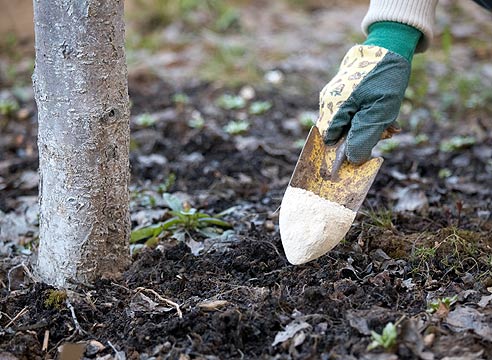
Loosening the soil, moistening it, and adding potassium and phosphorus fertilizers are essential procedures for autumn care and preparing peach trees for winter. Soil enriched with oxygen and various nutrients promotes normal plant growth during the winter.
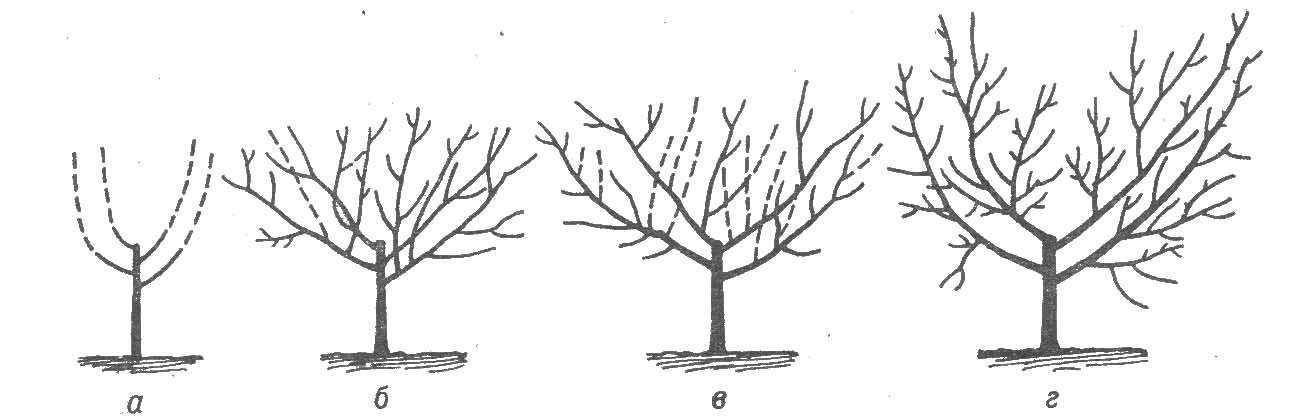
Before the winter cold snap approaches, peach trees need to be pruned. Most gardeners agree that autumn is the optimal time to remove old, lifeless branches, branches damaged by wind, insects, rodents, and various diseases. Pruning is done from mid-September to mid-October to allow the tree time to heal and recover before the first frost.
Shelter
Now you know how to properly prepare your fruit tree for winter to maximize its resilience and winter hardiness. But knowing how to cover your heat-loving peach tree for the winter is equally important. So, let's look at the specifics of covering a peach tree.
For the roots
Insulating a peach tree begins at the root collar. Peat, a mixture of dry soil and coarse river sand, tree bark, hay, straw, and small spruce branches can be used to mulch the tree's trunk. Many gardeners use sawdust as mulch, but this material absorbs moisture well, which is detrimental to the plant's root system. The mulch layer should be at least 20–25 cm thick.
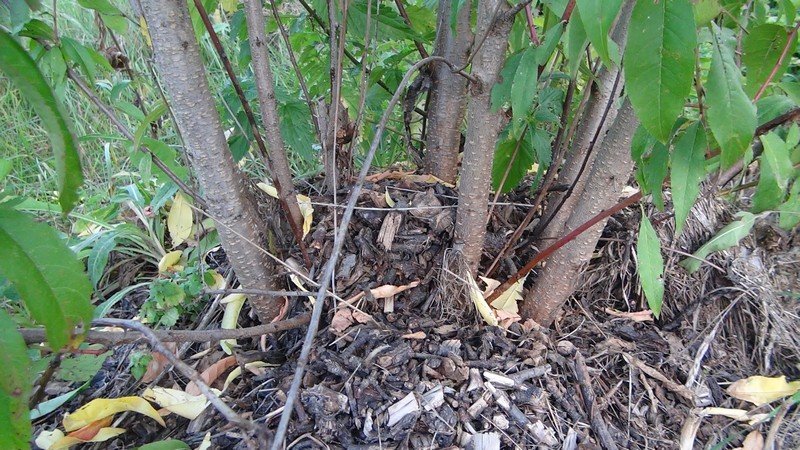
Mulching under fruit trees should be done in dry weather, when temperatures have not yet dropped below freezing. High humidity can lead to mold growth on the root collar.
For the barrel
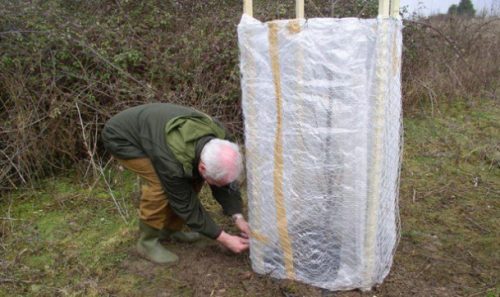
The next step involves insulating the peach tree's trunk and skeletal branches. Cardboard of varying thicknesses, newspapers, magazines, roofing felt, burlap, white polypropylene bags, and even old rags are used to cover the fruit tree for the winter. The covering material used for insulation must be able to "breathe," otherwise the plant will suffocate. For this reason, it is recommended to avoid insulating trees with thick polyethylene film, which creates a greenhouse effect inside. The covering material should be wrapped in strips, leaving small gaps for air circulation.
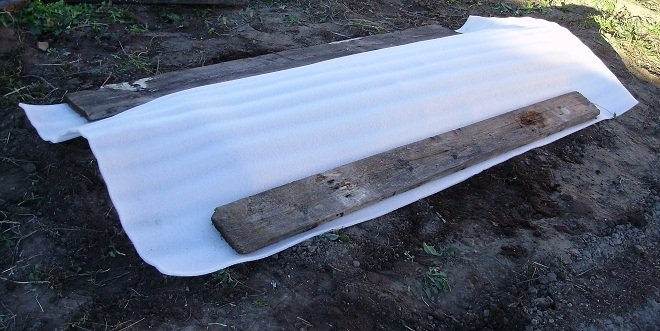
The crown is insulated with agrofibre, lutrasil, geotextile, or jute fabric. When choosing a covering material, pay attention to its technical specifications; most manufacturers specify the recommended temperature range. Thin fabric is not suitable for northern regions, where winters are harsh and long.
Cold protection in different regions
The preparation and insulation of fruit trees, including peach trees, depend on the climate zone. Trees growing in southern regions—Crimea, Kuban, Krasnodar, Stavropol, Astrakhan, and the southern part of the Rostov region—do not require additional shelter. To ensure the peach tree survives the winter and recovers quickly in the spring, simply hilling and covering its trunk is sufficient.
The climate of the Central Black Earth Region and central Russia, including the Moscow region, is variable. Heavy snowfalls can be followed by a sudden warm spell. Rising temperatures lead to intense thaws, and the meltwater settles in the ground. But often, a sudden warm spell is followed by a subsequent cold snap. The water in the soil freezes, leading to frostbite of the root system, and the peach tree dies.
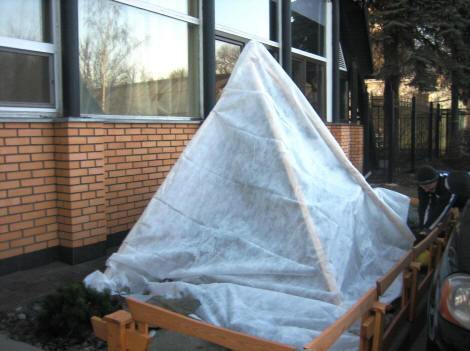
You can prevent peach trees from freezing by providing additional cover. The best option is to use mobile frames made of metal arches and non-woven fabric.
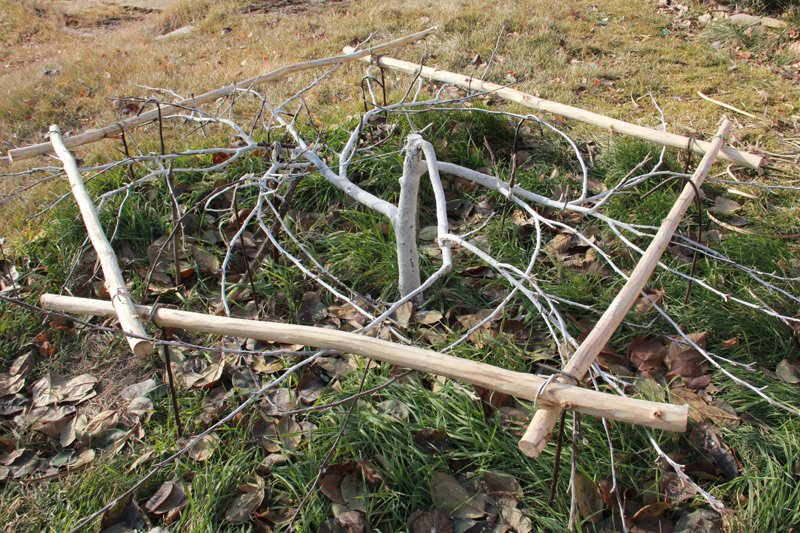
Belarusian gardeners widely use a three-stage method for covering peach trees. First, the tree branches are bent down and secured to the ground. The second and third stages, respectively, involve insulating the crown with pine branches and covering it with non-woven fabric.
Carefully thought out and properly organized autumn care for your peach tree will help the plant successfully survive the winter and quickly regain its strength with the arrival of stable spring warmth.