
How to prune and shape a peach tree
Content
Basic rules of pruning
Peach tree pruning is a labor-intensive process that yields good results when performed correctly. First and foremost, it's important to know how to prune a peach tree correctly, as this is essential for normal tree growth and fruit production. Peach tree pruning can be performed at various times to rejuvenate and stimulate growth.
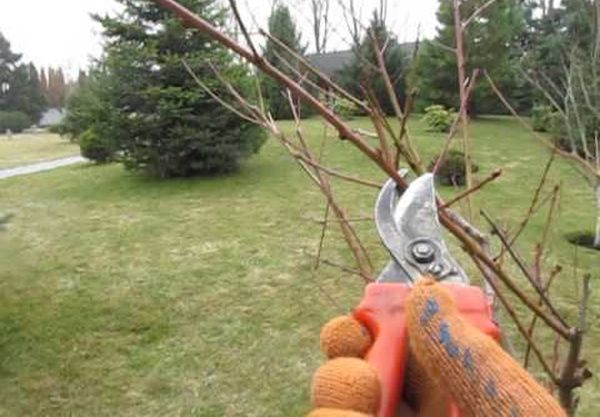
In any case, a few basic rules must be followed. This should be done in dry weather. It is recommended to prune quite heavily, since this plant has a high ability to form shoots. If pruning is weak and irregular, green shoots will never begin to sprout, and the fruits will become smaller.
Annual growth should be left on skeletal branches. They should be directed in different directions and spaced 10 to 20 cm apart. The remaining shoots should be pruned: 6–12 buds for fruiting, 2 to 3 buds for replacement.
Tall trees need to have their crowns trimmed back to lateral branches. If growth weakens or slows, rejuvenation pruning will need to be performed more frequently. Regularly remove dead branches. The first step when growth slows is to encourage normal growth of new branches.
When to perform the procedure
Choosing the right time for pruning is crucial. Regardless of the plant's age, it should be done throughout the growing season. It will also require time to shape the crown.
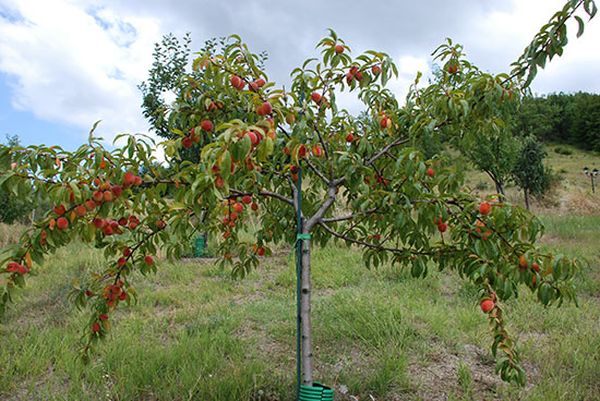
This also applies to nectarines, as they require renewal, just like any other peach tree variety. It's commonly believed that pruning should be done almost every month. But this isn't true. Any experienced gardener knows when the tree requires this treatment. Let's look at the three seasons during which the plant requires this type of care.
In the spring
During this period, pruning is essential to ensure a properly formed crown. The tree's growth and fruiting largely depend on its condition. Complete branch removal is best done in February, with partial pruning occurring in the spring months. The method used may vary. Make your choice based on the desired tree shape.
Even for novice gardeners, pruning a peach tree in spring isn't a difficult task. The procedure involves cutting back to the ring. Leave 3-4 branches to form the skeleton. Be sure to leave new growth. It's important to preserve two- and three-year-old shoots, as these are where the tree bears fruit.
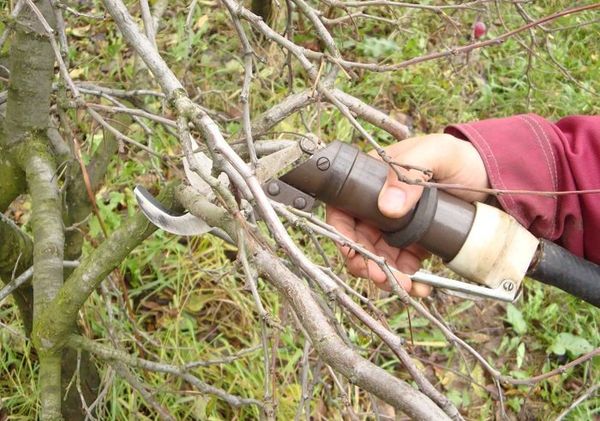
In the second year after planting, form a second tier of five branches. Shorten the remaining branches by about a third. Continue shaping the crown in the spring, removing any shoots damaged by pests or frost.
In summer
Not everyone performs this procedure during the warmer months. Some gardeners believe that summer pruning of peach trees is not necessary. However, if you decide to rejuvenate your tree, follow a specific procedure. This procedure has been developed by professionals for whom summer pruning has become a routine.
Thin out non-fruiting branches using the "ring" method. Leave only the strongest shoots. Remove dried branches completely. Also remove green shoots growing inward. If the branches are heavily laden with fruit, it's best to remove them as well. The optimal time for this work is mid-June, not earlier.
In the fall
Pruning peach trees in the fall is no less important. During this period, you should moderately prune fruit-bearing and skeletal branches. This will help you properly prepare the plant for winter.
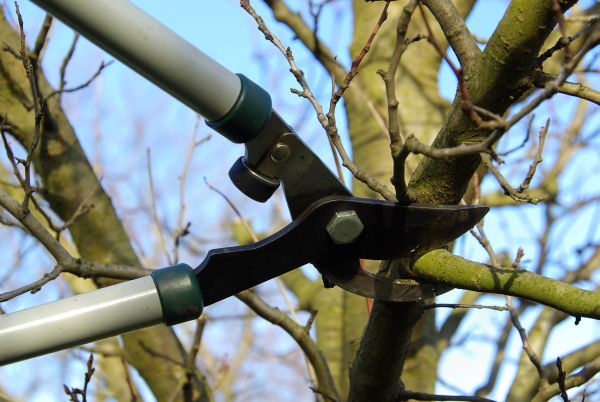
This year's growth should also be pruned. It's important to keep the total number of branches under 80. If your peach-growing area experiences heavy snowfall in the winter, remove the most fragile branches in the fall. Otherwise, they will break under the weight of the precipitation.
Types of pruning
As with any stone fruit plant, there are several types of pruning applicable to this crop. Let's look at each briefly.
Formative
This process is performed in the fall and spring. It's suitable for both young and mature plants. Excess branches are removed from the crown, forming the plant's skeleton.
Regulatory
This is also done in spring or fall. It's suitable for any age. The idea is to remove branches with a large number of overgrown shoots and fruit buds. This promotes balance and better fruiting in the future.
Rejuvenating
This is done in the spring. It's only suitable for older trees. Branches that have borne fruit are cut off so that they can be replaced with new shoots.
Restorative
This procedure is performed in spring and fall. It's ideal for plants that have recovered from illness. Can this procedure be performed on older trees? Not only is it possible, it's even necessary. For beginning gardeners, this is important information that will help improve the growth and health of your plants.
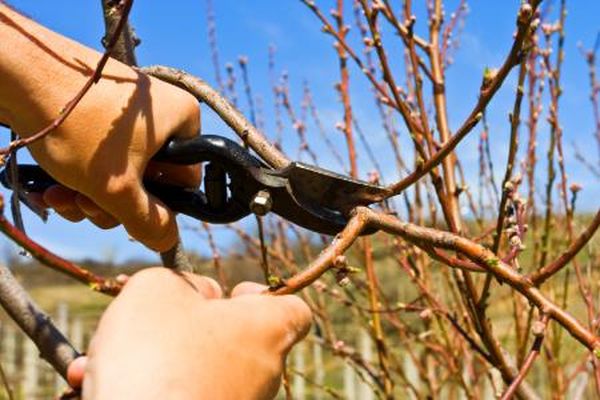
To restore it, simply remove the skeletal branches and create a new, formed crown. This is a universal technique for all stone fruits. It is used primarily for crops that have been frozen or severely damaged by pests.
Formation schemes
There are several popular tree formation techniques widely used by gardeners. Let's highlight two of the most common: columnar and bowl-shaped. How is a peach tree shaped into a bowl? To create this crown, the lower branches are left larger, while the upper branches are shaped into a strip. This is accomplished by leveling the shoots and removing any thickening branches from the center. This procedure should be performed soon after planting. Leave approximately 20 cm between adjacent tiers.
A columnar crown is formed differently. Up to four shoots are left at the base of the trunk on each tier. If necessary, the shoots are pinched.
Further care
After pruning, the wounds are treated with garden pitch.
Provide ample watering. You'll also need to apply nitrogen fertilizers (in the spring) and potassium-phosphorus fertilizers (in the fall).
Video: "Spring Pruning of Peach Trees"
This video will show you how to properly prune a peach tree in the spring.