
What is a nectarine and how to grow it?
Content
History of origin
It is known that it originated, or rather, traveled to us, from China, from where it spread throughout the world. There is a common misconception that the fruit originated through selective breeding—that plums and peaches were crossed in search of new varieties. Over time, scientists concluded that the fruit emerged as a result of the evolution of the true peach in nature, without human influence.
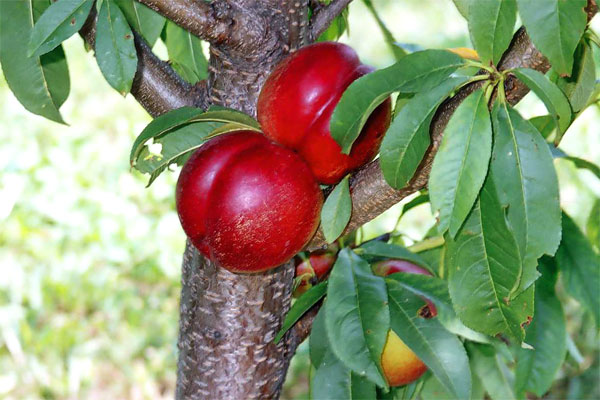
From the point of view of breeders, nectarine is a kind of hybrid. People tend to take credit for things they had no connection to. But nature tells us of a natural source. At one point, climate conditions changed dramatically, and the tree, to survive, adapted through a slight modification called a mutation.
The subsequent process involved gardeners. They appreciated the fruit's characteristics and began grafting nectarines onto peaches. As early as the early 17th century, English literature mentioned it as a ridiculous joke. The question of what a nectarine is remains a topic of debate. There are dozens of ways to cultivate the tree, and it's unclear where fantasy and science will lead next.
Interestingly, the peach's bald brother often appears on the peach, but the reverse has never happened. There are no recorded cases of peaches growing on nectarines. Today, there are several varieties of nectarines, each adapted to a variety of conditions.
Description of the species
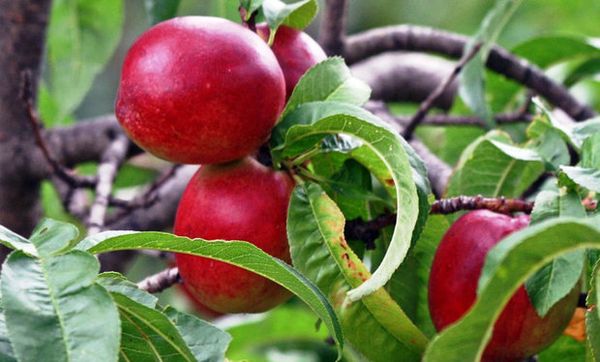
Nutritionists, cosmetologists, and even doctors are all in favor of this fruit. It's rich in beneficial vitamins that boost immunity and activate the body's defenses, preventing the entry and proliferation of viruses. It's especially popular among residents of Uzbekistan. This small, round fruit contains a high concentration of fiber. It acts as a sorbent for toxins and waste, collecting and removing them from the body. As we know, our entire immune system resides in the stomach, and if it's full of unnecessary substances, there's a risk of developing diseases you might never have considered.
The product also has other indispensable properties. The amino acids it contains improve digestion, thereby helping to properly metabolize fats. This fact will be of great interest to anyone dreaming of a slim figure. Historically, the best varieties were created by crossing several tree species. Human imagination knows no bounds in breeding. This is how the myth of a new species—allegedly a peach hybrid—was born.
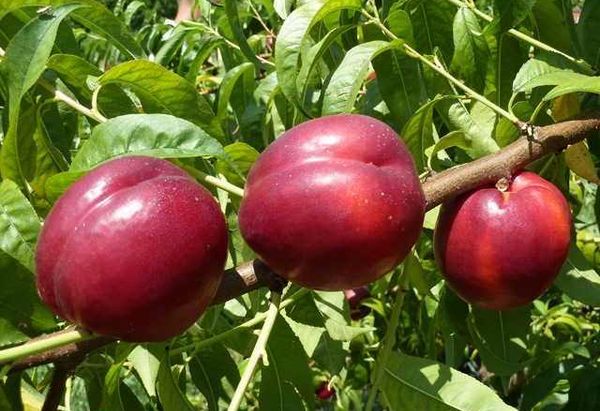
In summer, the tree's fruits are especially beneficial due to their ability to retain moisture in cells. After a hard day at work, eating a piece of fruit will lift your mood and relieve stress, while providing the body with calcium. Besides its pleasant taste, the fruit is good for preventing many illnesses, as well as:
- cleansing of blood vessels;
- improving metabolism;
- stabilization of muscle mass;
- normalization of the gastrointestinal tract;
- preventing the formation of kidney stones.
Science has proven that eating two of these treats a day will leave you feeling lighter and more cleansed within a week. The main difference from peaches is their high concentration of natural nectar and ascorbic acid. You've probably seen nectarine seed extract or organic oils used in cosmetics, ointments, and even absorbent products on pharmacy shelves.
Features of cultivation
Caring for nectarines requires specialized knowledge of the plant's characteristics to prevent disease. But first, it needs to be planted correctly. It's no surprise that Uzbek nectarines are most often found on store shelves.
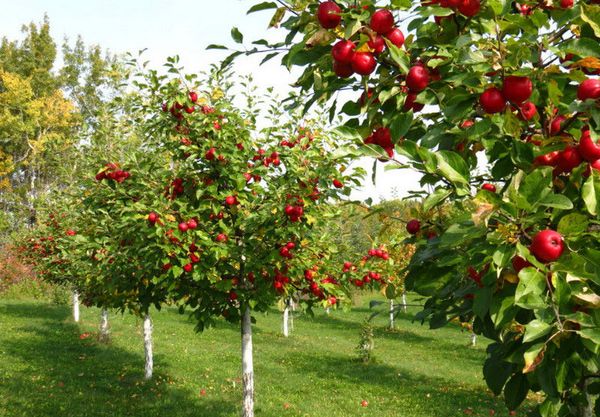
The tree thrives in warm climates due to its origins. Crops can, of course, grow in temperatures as low as -20°C, but this will inevitably impact the future harvest. Flower buds are the first to be damaged, which can lead to permanent fruit loss. It's also important to check the soil for disease-causing fungi and the proximity of groundwater. The plant doesn't like excess moisture.
If you choose the right seedling, carefully study the variety description, and follow the recommendations, then in the third year the nectarine will reward you with delicious fruits.
To ensure the plant takes root, it needs to be in a well-lit location. Warm climates, especially Uzbek, provide the most favorable conditions. You can add a fruit tree fertilizer mixture if desired, but be careful not to overdo it, as overdoing it can lead to disastrous results. Growing from seeds is also possible, but this will take longer. Afterward, care for the plant is essential. Try to cover the crown for the winter; there's no limit to the choice of materials.

Another secret to a delicious harvest is pruning. The tree's trunk isn't as strong as that of an apricot or cherry. A lush crown would create too much strain. Therefore, it's recommended to trim the plant to match the bush's shape. Despite being a cross between similar species, it can also be susceptible to disease.
What diseases is the tree susceptible to?
It's best to avoid problems like diseases, but no plant is immune. Gardeners need to know what attacks nectarines are susceptible to. A white, dust-like coating on shoots indicates powdery mildew. Affected ovaries indicate the development of gray mold. If leaves curl inward, become diseased, and fall off, it means there are drafts and too much moisture in the planting area. In this case, no amount of imagination will help find a solution. The affected areas must be removed and the plant treated with chemicals, otherwise you risk losing the entire tree.
Video: Nectarine Care
In this video, you will hear useful tips on planting and caring for nectarines.