
What to do if pepper leaves are curling
Content
Symptoms
It's important to identify any pathological condition in pepper plants early on. This will allow you to quickly find the optimal treatment and preserve the majority of your harvest. Therefore, it's important to know the symptoms of leaf curl in this vegetable crop.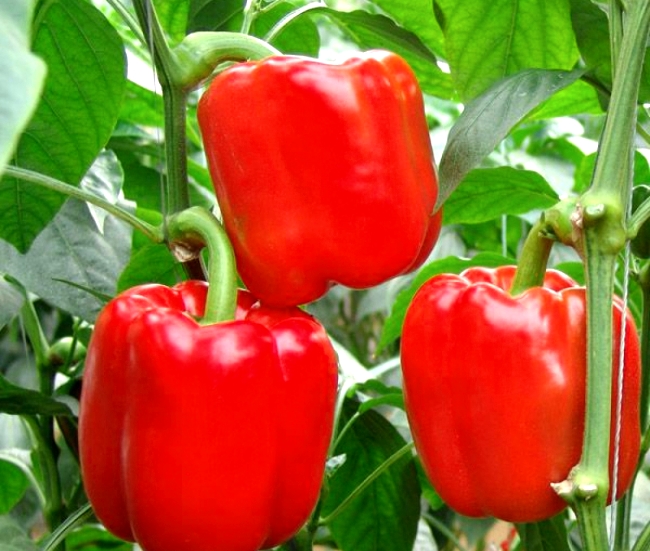
Signs of the disease progression:
- pepper leaves are starting to turn yellow;
- After some time, they become deformed. The leaf blade begins to deform along the midrib;
- over time the sheet will curl;
- the plant begins to dry out;
- At the final stage of the disease the bush dies.
As we can see, the initial symptoms of the disease are fairly easy to detect. However, if no action is taken, the infected bush will soon die and infect other, still-healthy plants. To avoid losing your entire harvest, it's important not only to identify the symptoms promptly but also to understand the cause.
Video: "Growing Mistakes"
This video will show you what mistakes you can make when growing peppers.
Reasons
When growing peppers in your garden, you need to carefully monitor the plants throughout the growing season. It's especially important to follow all rules and recommendations when planting seedlings. Otherwise, there's a high risk of seeing curled leaves on your plants.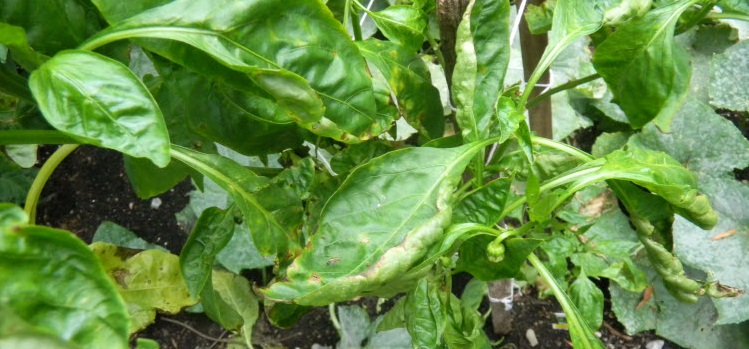
Why do pepper leaves curl? The following factors can cause this pathological condition:
- uneven growth of the leaf blade;
- lack of microelements necessary for crops in the soil;
- attack of bushes by parasites.
These are the three most important causes. The specific cause of the twisting determines the best way to treat it. Therefore, let's examine each of the three causes in more detail.
Uneven leaf growth
The first and most harmless reason for leaves curling on a pepper plant is uneven growth of the leaf blade. In this case, the cause is the leaf's midrib beginning to grow rapidly. This causes the leaf to grow quite quickly in length. However, the leaf blade itself cannot keep up with the midrib. This leads to disproportionate leaf growth.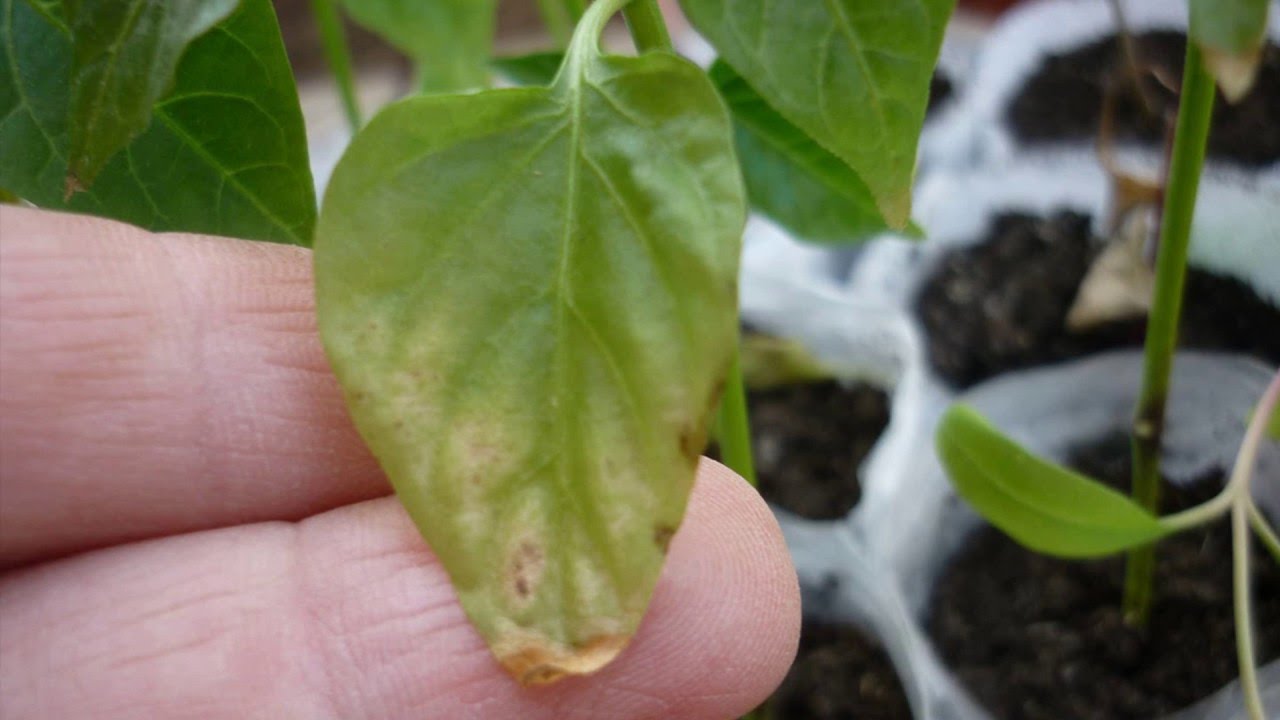
This situation is often typical for the tops of seedlings. The presence of curled leaves at the top does not negatively affect the further development of the seedlings or their fruiting.
In this case, nothing needs to be done. Over time, the leaf's proportional development will be restored, and the bush will regain its normal, healthy appearance.
It is worth noting that such disproportionate development of the leaf blade in seedlings can be caused by a lack of warmth and sunlight. Therefore, if you want to see healthy plantings, you need to move the seedlings to a well-lit place where the required temperature conditions are met.
Lack of essential microelements in the soil
The second, and more serious, cause of pepper leaf curling is a lack of micronutrients in the soil. Most often, this condition is caused by a potassium deficiency in the soil. In this case, you shouldn't rely on the problem going away on its own. 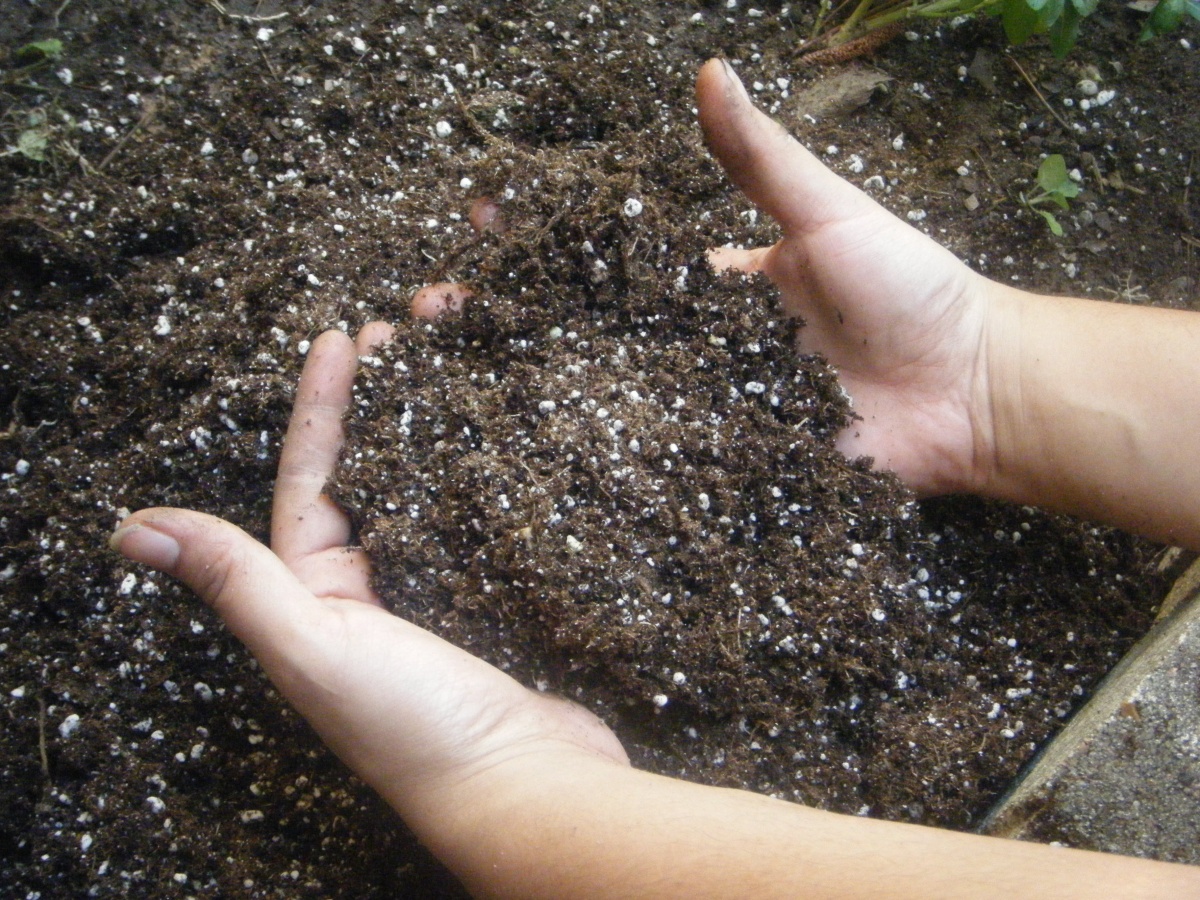 You'll need to take proactive measures to combat curling if you want to get a decent harvest. Otherwise, the plant will die from exhaustion and associated diseases. Proper fertilizing is essential to address this issue.
Twisting due to pests
The most dangerous cause of leaf curl on pepper plants is pest infestation. Destruction can occur slowly or rapidly. A wide variety of pests can cause leaf curl. If the cause of the leaf curl is an insect infestation, the following symptoms may appear in addition to the classic leaf curl symptoms listed above:
- the appearance of cobwebs on the leaves;
- the leaf blade may turn yellow completely or partially;
- Holes may appear on the leaves.
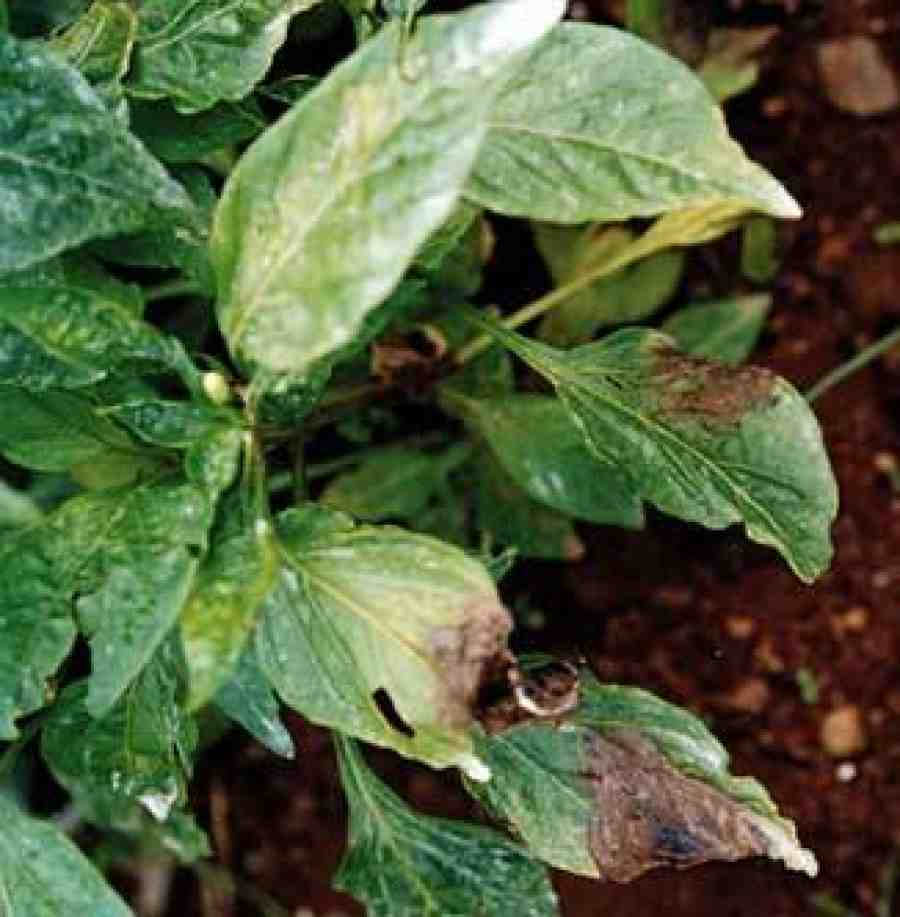
If you notice these symptoms on your peppers, you must immediately begin combating the pests. It's important to know that these insects can infest both the plant itself and the soil. Larvae are often found in the soil. They destroy the plants by eating the root system. For this reason, preventative soil treatment is essential in the fall, after harvesting. Failure to do so can result in irreparable damage to the plants as early as March.
Methods of control
To ensure your peppers grow strong and healthy, you need to periodically inspect the plants for any abnormalities. If you notice curled leaves on your plants, follow these steps:
- find out the reason that led to the appearance of such a leaf blade;
- decide on the methods of struggle;
- carry out the treatment of plantings using the selected method.
When micronutrient deficiencies are observed, it's important to determine what's missing. If phosphorus is deficient, it's recommended to add a nutrient supplement to the soil, which should be in the form of an aqueous solution. Add 2.8 g of nitrate per liter of water. Alternatively, 0.8 g of ammophos can be used instead of nitrate.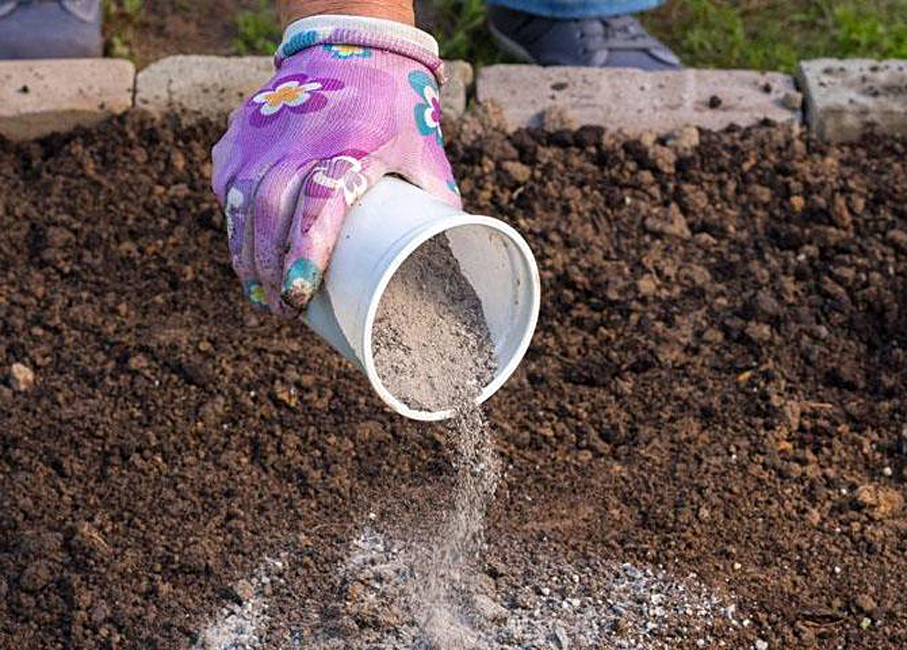
There are two ways to eliminate the problem of potassium deficiency:
- Applying wood ash to the soil. It should be sprinkled under each bush with at least one curled leaf. The ash layer should cover the soil to a depth of approximately 3 mm. After applying the ash, the plants should be watered. This method eliminates the need for saltpeter and other fertilizers. It is often used if plants are already planted outdoors.
- Fertilizing seedlings with potassium nitrate. This method is considered more effective and faster-acting. However, it requires proper solution preparation. To do this, take two tablespoons of nitrate and dilute them in 10 liters of water. Water the seedlings with the resulting solution at a rate of 0.5 liters per plant. Before applying the fertilizer, be sure to moisten the soil.
As we can see, getting rid of curled leaves in this case is not very difficult. The most difficult part is dealing with the pests. Here, experts recommend preferring preventative spraying. However, if preventative measures fail, the control method should be selected depending on the insect species.
If spider mites and aphids are infesting the plant, the best solution is to treat the soil with a light pink solution of potassium permanganate. Water the soil with this solution 2-3 times.
A bleach solution can help control spider mites when growing seedlings. To prepare it, dilute 200 g of bleach in 10 liters of water. It is also recommended to steam and calcine the soil for the seedlings.
You can also use various folk remedies to fight parasites:
- Onion infusion. To prepare it, take a handful of onion peels and pour one liter of boiling water over them. Let the solution steep for 24 hours. Spray the onion solution every five days for one month;
- Decoctions of wormwood, potato, or tomato tops. To make an infusion, the tops should be dried in the fall. To enhance the effectiveness of the solution, you can add garlic, dandelion, and one tablespoon of honey.
Some gardeners who advocate advanced pest control methods prefer to use insecticides (for example, Aktara).
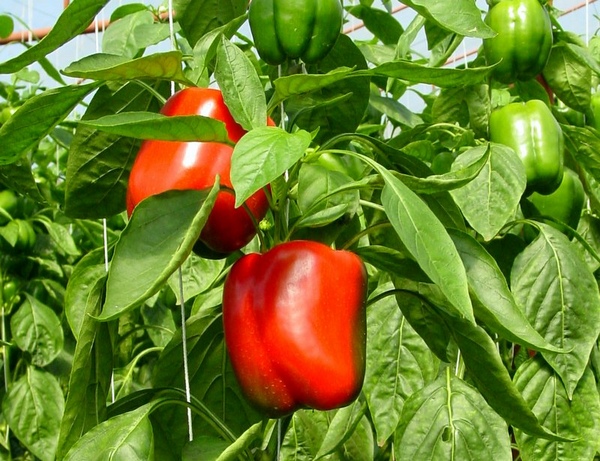
In some cases, leaf curl is simply caused by improper agricultural practices. Therefore, the problem can be resolved by normalizing water and temperature conditions.
As we can see, there are three main reasons why pepper leaves curl. To eliminate this problem, you first need to identify the cause and only then begin treating it. Protecting your plants from this scourge requires proper care and preventative plant spraying.
Video "Diseases and Pests"
This video will tell you what diseases and pests can harm your crops.