
What to do if holes appear on pepper leaves
Content
The nature of holes in peppers
Peppers are a vegetable susceptible to various diseases. Signs of illness are often visible on the leaves. If you notice small holes on the plant's parts, know that they are not caused by disease.
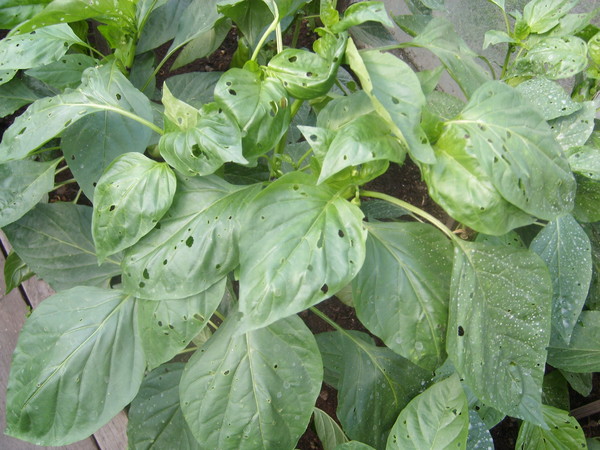
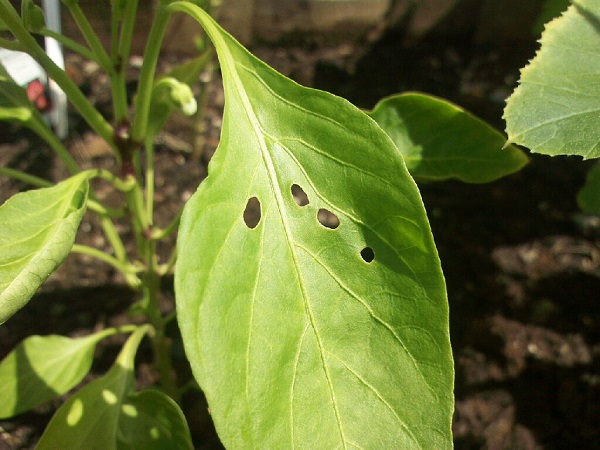
So why do the holes appear? The "sieve" appearance of pepper leaves is caused by a pest attack, which essentially eats the organ. Insects rarely feed on the vegetable, preferring other plants. But some pests are dangerous to the crop.
Video "Interesting Facts About Pepper"
Detailed information about pepper is given in the video.
Aphid
Aphids are a dangerous pest for bell peppers. These insects live in colonies, meaning they settle en masse on the plant. The pests feed on all parts of the plant: fruits, leaves, and stems. If holes appear on the leaves, the first thing to do is inspect the underside of these organs. This is often where the pests reside.
Aphids reproduce very quickly, making them difficult to control in a greenhouse. To completely eliminate the insects, you also need to defeat the ants, as these pests live in close proximity. So, what exactly should you do to get rid of them for good?
There are several ways to control aphids:
- Chemical control involves the use of pesticides. These substances help eliminate pests quickly. However, applying solutions to crops must be done carefully, especially during flowering, to avoid harming pollinators. Fruit that has been exposed to the solution can only be consumed after a month. Avoid applying the solution near other plants that are eaten raw.
- Biological treatments are based on natural ingredients. They are harmful only to aphids and pose no danger to humans. However, biological treatments are short-lived, so you'll need to apply the product every two weeks.
- A folk remedy states that aphids on pepper leaves can be controlled using substances prepared at home:
- A soapy ash infusion is prepared using a cup of ash and a bucket of water. Let the mixture sit for at least 24 hours. Add a cup of liquid soap to the resulting solution; after spraying, the soap will form a film on the pest's body. This will kill the aphids, as they have no respiratory system and breathe through their bodies. After killing the insects, thoroughly spray the peppers in the greenhouse with water.
- Wormwood tincture, which neutralizes insects with its scent, can be prepared by soaking the herb in a bucket of water and leaving the mixture for 24 hours.
- Onion peel solution: pour a glass of onion peels with a liter of boiling water and leave for half a day.
- Spraying a solution of pine needles with this solution will cause aphids to abandon the plant, thinking it has become a fir tree. To prepare this deceptive solution, fill a container a third of the way with pine needles and fill it to the top with water. Boil for an hour, then let it steep for 24 hours.
Slugs
Slugs eat absolutely everything. The ideal environment for these parasites is moisture and warmth. Therefore, if the climate in your greenhouse is exactly like this, it's likely that slugs are the ones making the holes in your pepper leaves. The parasite also actively eats the fruit.
Controlling these parasites is challenging because they typically feed at night. Slugs are difficult to spot during the day. The most effective, and therefore popular, method of controlling pests in a greenhouse is to collect them manually. To do this, simply place a wooden board next to the pepper beds and lift it up after a while. The slugs will nestle comfortably on the other side, making them easy to collect.
There are some other methods of preventing and controlling slugs:
- Prevent the emergence and spread of pepper weeds in the greenhouse;
- Open the windows in the greenhouse more often for ventilation to avoid over-watering the soil;
- Pollinate peppers with a mixture of tobacco dust and lime;
- If you place plywood or planks near the pepper bed, they will act as bait. The slugs collected this way should be placed in a salt or soap solution to kill them;
- Cover the pepper with pine needles, sand or mustard powder;
- You can protect yourself from slugs by using plastic gutters filled with water. The parasites are unable to cross them;
- You can defeat slugs by treating them with a caffeine solution, which destroys the nervous system of the pests;
- You can also spread crushed shells, crushed eggshells or small gravel between the rows of peppers;
- If you place a special, granular, moisture-absorbing material between the beds, then the slugs that land on it will dry out and will not be able to move;
- Slugs are gastropods that serve as food for toads and lizards, so they can be eliminated without killing these animals.
- A trap for parasites can be made by digging a container of beer into the ground, so that once a slug gets into it, it won't be able to escape.
Colorado beetle
Colorado potato beetles typically feed on potatoes, but if they don't grow in your greenhouse, peppers will also be a suitable target. The "sieve" on pepper leaves is caused by both adults and larvae, which also actively feed on them.
The most effective way to combat pests is by hand-picking the beetles directly from the plants. If beetle larvae are present on the leaves, they should also be removed. The pest dislikes the "aroma" of bush beans. Therefore, if you plant these beans and peppers next to each other, you can forget about the Colorado potato beetle altogether. To prevent the appearance of the Colorado potato beetle, which feeds on the leaves of the vegetable, spray the crop with a solution of celandine. If the pest infestation is severe, it's best to use an insecticide, such as "Prestige."
There are a number of other ways to destroy the pest:
- As with the fight against potato-eating beetles, you can collect Colorado beetles by hand and then burn them;
- You can plant “fragrant” bush beans next to the plants;
- Traps made from tomato, eggplant, and potato leaves are very effective against beetles that eat pepper leaves.
The vegetable has many other enemies that eat its leaves. If you encounter them, they can be easily controlled with insecticides.
By following proper pepper growing techniques and the advice and recommendations of experienced gardeners, you can protect the vegetable from pests and harvest its fruits for years to come.
Video "Diseases of Sweet Peppers"
In this video, gardeners explain how to prevent pepper diseases and pest infestations.