
How to treat pepper aphids once and for all
Content
Signs of aphids
First of all, gardeners should be aware of any aphids in their gardens and prepare their means for extermination. Pests that infest plants find a constant source of food, as the sap of many crops is rich in beneficial and nutritious minerals.
Peppers are a vegetable crop often infested by aphids. Their leaves are rich in sap, making them a favorite among aphids. As a result of their activity, the leaves gradually curl and eventually dry out. The wilting process begins at the tips of the leaves. Other signs include the formation of a fine honeydew on the green foliage. This honeydew is secreted by the aphids and is a byproduct of their activity. The leaves become sticky to the touch due to the aphid excretion, and they also appear shiny when exposed to sunlight.
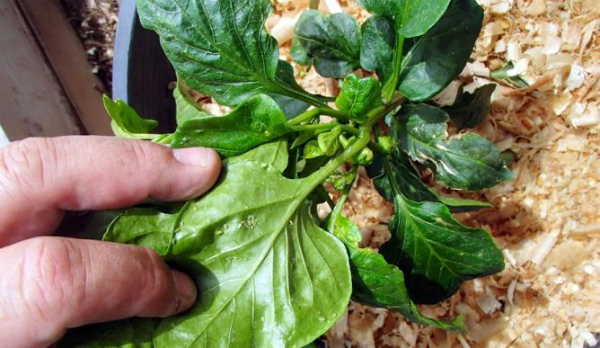
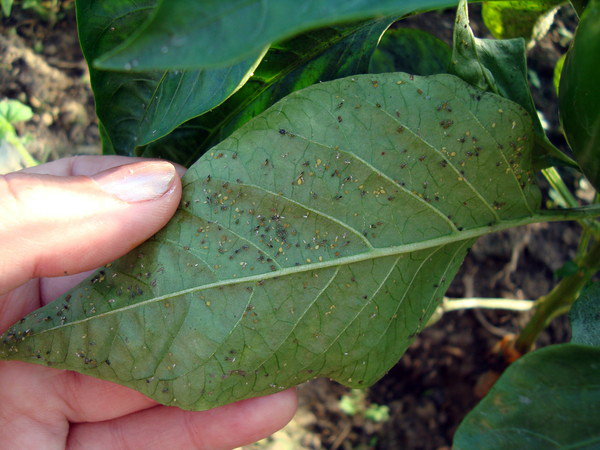
You might notice that adult aphids are found on the underside of leaves, the population size of which may depend on how long they remain active on the plants. Furthermore, aphid egg masses can be found in these areas, which usually indicates favorable conditions for their reproduction. The underside of leaves is more favorable for insects because they are shaded, better protected from direct moisture, and less visible to humans or the fauna that feed on them.
If the owner notices that the peppers are gradually starting to wither, then they need to carefully examine these plants. If signs of aphids are detected, special means should be used to combat them, otherwise the crop may suffer significantly.
Peppers will need to be treated regardless of where they're grown, whether in the open ground or a greenhouse. Incidentally, aphids are much less common in greenhouses, as the structure itself helps isolate the peppers from various harmful insects.
Biowarfare
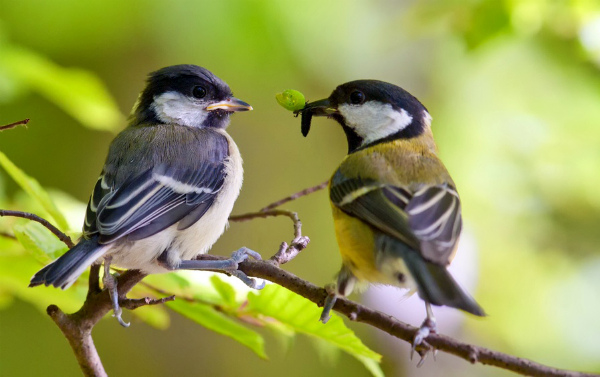
A biological method for controlling aphids on peppers is as follows: bait is placed in areas where these pests appear, attracting birds or other insects that feed on aphids. However, this won't work if gardeners grow peppers in a greenhouse rather than in the open ground.
Sparrows, tits, and wasps are best suited for this task. They can eliminate almost all aphids within a week without harming the pepper seedlings.
Attracting birds is very simple: you just need to provide them with food and water in your garden. To prevent them from immediately raiding your garden, you'll need to maintain these conditions for a certain period of time until they help eliminate the pests.
Folk remedies
If a gardener immediately notices that aphids have appeared on pepper seedlings, then they can be controlled using some folk remedies.
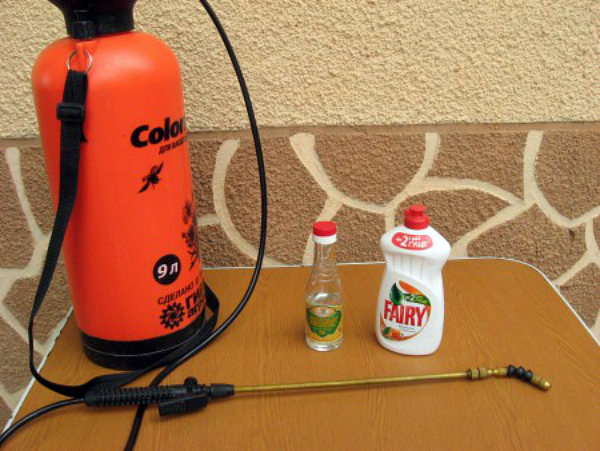
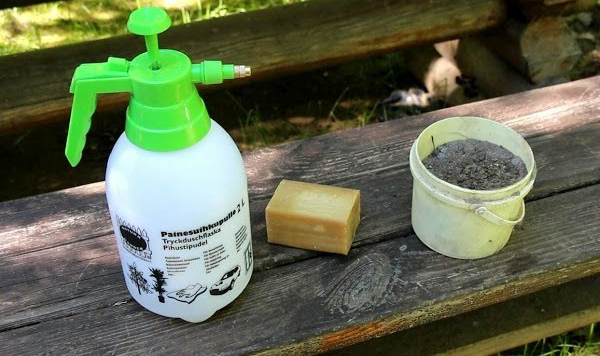
Soapy water is often used. While this may seem ineffective, the alkali can significantly reduce aphid populations by creating unfavorable conditions for the pest. This solution is very easy to prepare. Simply add half a bottle of liquid soap to one bucket of water or finely grate half a bar of laundry soap. After dissolving, thoroughly spray the pepper seedlings. If the infestation is extensive, you can increase the soap content in the solution. If you have enough time, you can do this manually, wiping each leaf of the plant. This will significantly increase the effectiveness, as the foliage and stem can be treated on all sides. Some gardeners add a small amount of ammonia to this solution. It contains potent enzymes to which aphids are very vulnerable.
Another way to get rid of aphids is to use wood ash. Straw or sunflower ash works best. After planting, sprinkle dry ash directly onto the surface of the pepper seedlings and the soil. After a while, the ash will be blown away by the wind or washed away by rain, so the ash layer will need to be renewed periodically. It's best to prepare a specific amount of ash so you can easily apply it as needed. Ash is also a good fertilizer, enriching the soil with carbon. This method is particularly suitable for peppers planted in a greenhouse, as the ash will remain on the surface of the plant material longer. For aphid control, this solution can be used in a water solution. A cup of ash per 8 liters (0.8 gal) is sufficient.
If desired, gardeners can add a little soap to the ash solution to increase the adhesion of the ingredients. This will help them stick to the seedlings longer, and the procedure will need to be performed less frequently.
A similar alternative to ash is tobacco ash, the residue left in an ashtray after smoking cigarettes. It's more pungent and will have a distinctive odor, but it's no less effective at killing aphids. However, it requires a lot of ash, so it can take a long time to collect.
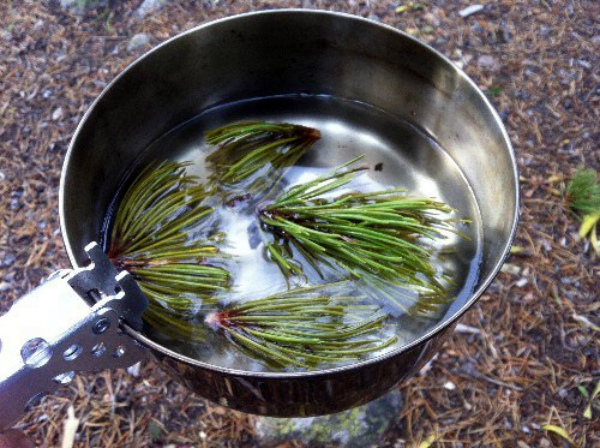
Another folk remedy for aphids is the use of pine needles. Take 2-3 kilograms of pine needles, place them in a large container, then fill it to the top with water and place it on the stove. Bring the water to a boil to release all of the pine needles' active ingredients and essential oils. After this, let the mixture steep for a week. Once ready, spray the peppers. You can also wipe the seedlings with a wet sponge or cloth, as with the soapy solution. When watering the peppers, be sure to apply water to the roots to avoid splashing the solution off the surface of the foliage.
There are also other simple and straightforward ways to combat aphids. Some gardeners may pick the insects off the surface of seedlings by hand if they don't want to use chemicals in greenhouses. They crush them immediately, rather than collecting them in separate containers.
You can also try knocking the aphids down with a stream of cold water. The water should be cold enough to immobilize the pests. Once they fall to the ground, they won't be able to climb onto the seedlings and will die without food.
It must be admitted that these methods are not very effective, since it is not possible to collect absolutely all the aphids that have bred, and some will remain on the pepper.
Chemicals
To get rid of aphids infesting pepper foliage, it's best to use specialized chemicals, as they are potent. If these chemicals pose a health risk, such as itchy skin, allergies, or other symptoms, it's best to abandon these pest control methods and instead use safer folk remedies.
Among the many pesticides that aphids are vulnerable to, some are harmful to health and the environment. With proper dosage and use, you can protect yourself from these risks.
First of all, you should follow the instructions for their use, which are usually printed on the surface of the packaging or included with the kit.
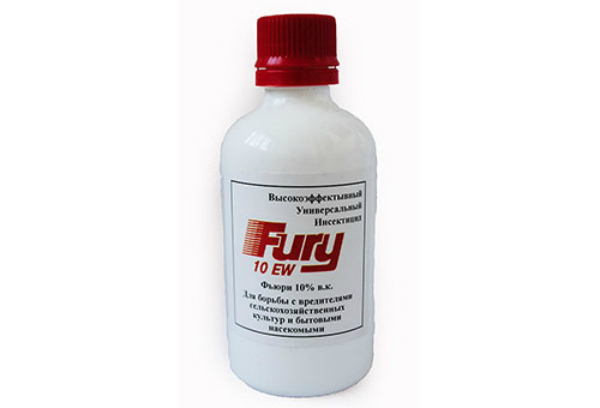
Common remedies against aphids include:
- Fury. A contact insecticide used primarily to control aphids on peppers during the growing season.
- Furanone. An organophosphorus compound based on malathion. It is harmless to humans but lethal to harmful insects.
- Actellic. It contains pirimiphos-methyl, a very powerful ingredient capable of killing aphids almost immediately after application to peppers.
To prevent pests from appearing on seedlings, it is necessary to systematically inspect the entire area and crops in order to promptly detect signs of infestation or the harmful insects themselves.
Additionally, you can plant plants around the perimeter that have a strong odor that attracts pests, such as onions or garlic. This will help maintain the ecological balance and protect future crops from pests.
Video: "Treating Pepper Seedlings from Pests"
This video demonstrates how to treat all pepper seedlings with Fitoverm before planting.