
Diseases of pepper seedlings and effective control methods
Content
Diseases and their control
Peppers grow best in the south; they thrive in hot, dry summers, and are less susceptible to disease under these conditions. In southern regions, they are grown in vegetable gardens, while in temperate climates, greenhouses or hothouses are preferred, and even more so in the north. To minimize the risk of disease, it's important to follow crop rotation and agricultural practices, and to carefully inspect the plants as often as possible to spot any changes in their condition and take appropriate action.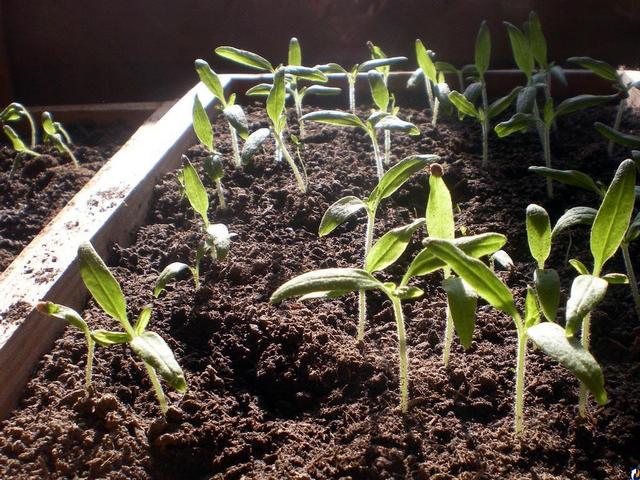
Peppers shouldn't be planted in beds after potatoes, tomatoes, or eggplants, as the soil may contain pathogens harmful to all these vegetables. Planting material is often contaminated with one disease or another, so the seeds must be treated before sowing. The most common method is to soak them in a potassium permanganate solution for half an hour. Many vegetable growers believe that planting should only be done in disinfected soil, which should also be watered with a potassium permanganate solution. And, of course, when preparing the plot, the soil must be thoroughly dug over, as the top fertile layer contains viruses, bacteria, and insect eggs that can later harm the plant.
After planting in the ground, healthy plants can only be grown by strictly adhering to agricultural practices.
Factors that can trigger the disease include uneven watering, mineral imbalances in the soil, and sudden temperature changes. If open ground doesn't provide protection from the vagaries of the weather, then greenhouses are rightly called protected ground conditions. Greenhouses and hotbeds should provide comfortable conditions for peppers throughout the growing season.
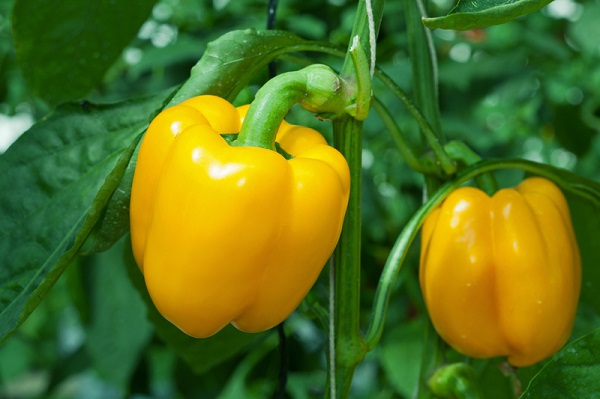
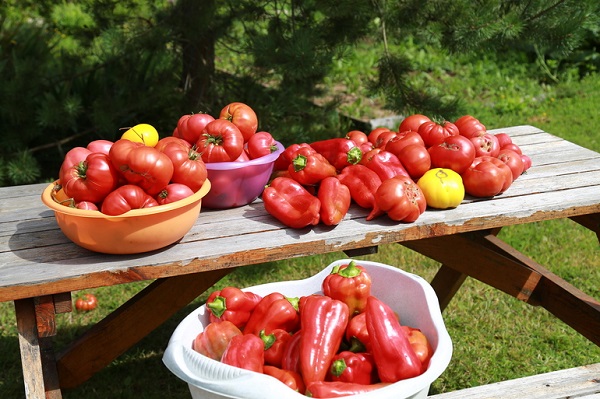
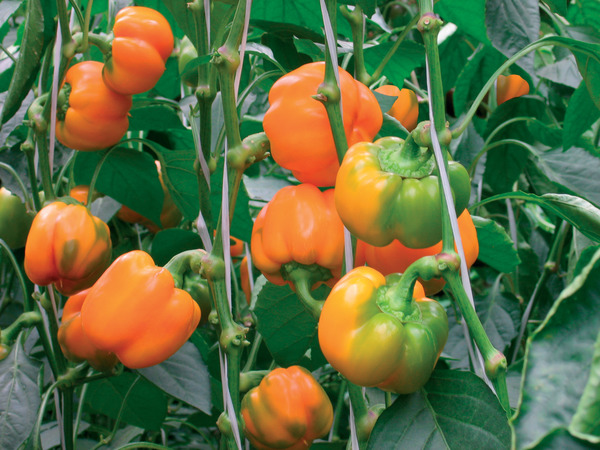
Pepper diseases can be viral, bacterial, fungal, or microbial. They need to be noticed and recognized first, and then action can be taken. We often see poor growth in pepper seedlings, but the solution can only be determined by identifying the cause. Curling or waviness of leaves, for example, can indicate a lack of potassium or sunlight, spider mites, blossom-end rot, or phytoplasmosis. Gardeners are often faced with pepper and seedling diseases, and controlling them is no small task. Knowing as much as possible about these diseases is crucial to combating them.
Pest and Disease Control Video
This video will teach you how to control pepper pests and diseases.
Phytoplasmosis
This disease, also known as stolbur, is caused by tiny organisms called mytoplasmas, which are transmitted by harmful insects (thrips, various aphids, and mites). First, the apical leaves begin to curl, then dry out, and the disease spreads to the entire plant. If it starts in seedlings, the plant will grow small and distorted, and there will be no harvest. The plant must be destroyed.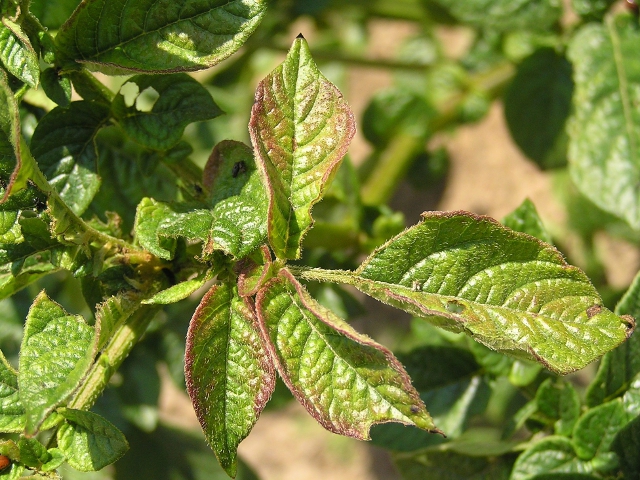
There are hybrids that are more or less resistant to this disease, but it can be avoided by keeping vectors out of your garden. Plant repellent plants (calendula, marigolds, garlic, and dill) near peppers, and prevent ants from nesting dangerously close to the garden. It's essential to remove weeds from the garden beds and any remaining vegetable matter after harvesting. In a greenhouse, pay particular attention to humidity levels, disinfect the room and equipment, and promptly remove plant debris.
Late blight
This fungal disease affects many vegetable crops in damp, cool weather if the plants are not strong enough. The causative agent, Phytophthora infestans, is easily carried by the wind and on insect legs, surviving on grass and fallen leaves, and hiding under plants. When infected, brown spots appear on pepper leaves, which gradually spread throughout the plant. Dark, wet spots also appear on the fruit.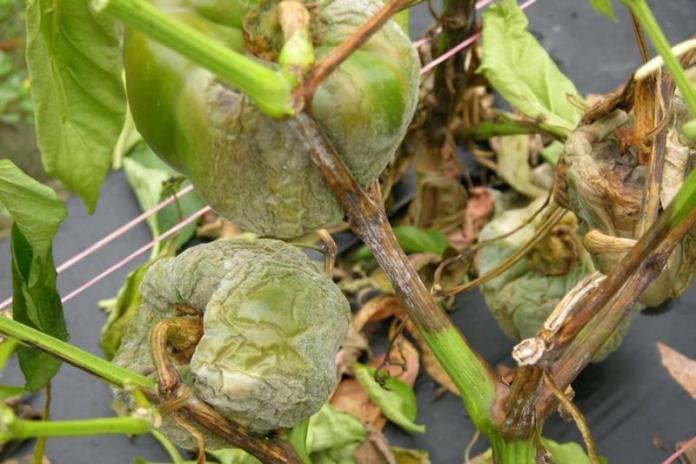
To protect your crops from this nasty disease, strictly adhere to crop rotation rules, remove plant debris, and disinfect the soil before planting. Treating the holes before planting seedlings with a copper sulfate solution has shown good results. Biological products such as Alirin-B and Gamair, the fungicide Rodomil Gold, and the biofungicide Fitosporin-M are used against late blight.
Blackleg
Also a fungal disease, it particularly often affects pepper seedlings (or saplings). The seeds, soil, and plant debris left in the garden can become infected. Shade, dense plantings, inadequate ventilation, and high humidity in greenhouses are ideal conditions for the development of many fungal diseases. Blackleg manifests itself as a darkening of the stem near the ground, which then turns black, rots completely, and the plant dies.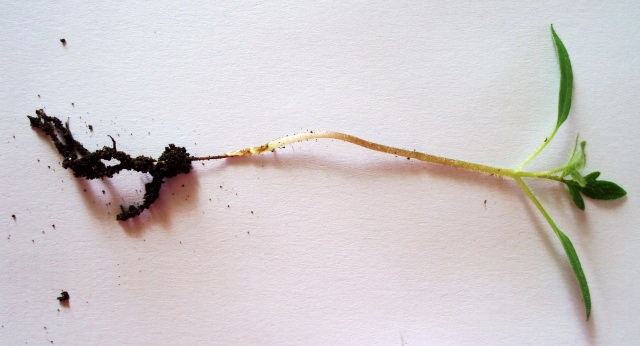
Seeds and seedling soil must be disinfected with a solution of potassium permanganate. It is often recommended to soak the soil in boiling water or warm it in the oven to prevent disease. If an infestation is noticed early, you can treat the soil and plants with a solution of potassium permanganate, thin out the plantings, and loosen the soil. This often helps save the plants, but it is important to carefully inspect them daily to take timely action.
Fusarium
Fusarium wilt is caused by the fungus Fusarium. It attacks the stem's blood vessels, disrupting the nutritional supply to all parts of the plant. This results in toxin poisoning, causing leaves to wilt, turn yellow, curl, and dry out, resulting in the plant dying 10 to 20 days after the first signs appear. Affected plants must be destroyed; there is no cure.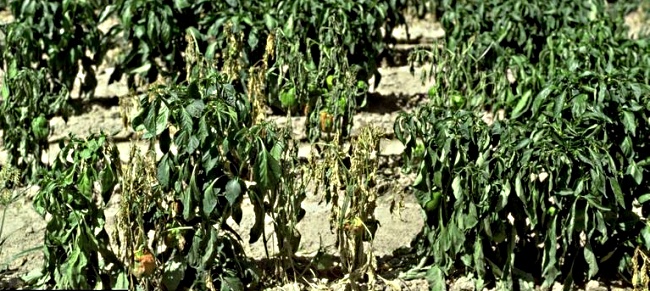
Fundazol and Topsin-M can slow the progression of the disease, especially in the early stages, but they cannot cure it completely. Preventative measures include treating the seed with Fundazol and following all sanitary standards to prevent fungal diseases, including disinfecting the soil, the interior of the greenhouse, and gardening tools, promptly removing plant debris, providing ventilation, and maintaining the required humidity level.
Verticillium wilt
Verticillium wilt (or verticillium wilt) is caused by bacteria and is difficult to detect in its early stages. Leaves may turn pale or completely white, then become ruffled, and the plant dies within a few days. There are varieties resistant to this disease, but their development is simply slower. Fruit formation occurs, but these are already unhealthy and seedless. Diseased plants cannot be cured; they must be burned. Crop rotation, soil disinfection after diseased plants, and adherence to sanitary standards—all these measures can protect future pepper plantings from wilt.
Spotted wilt
Sometimes seedlings unaccustomed to sunlight take on a strange appearance: the leaves turn bronze, which disappears after a while and the leaves turn green. If the seedlings have become accustomed to sunlight during hardening, or the bronze spots appear long after planting (and therefore cannot be sunburn), these are the first signs of a bacterial disease, often called pepper bronzing.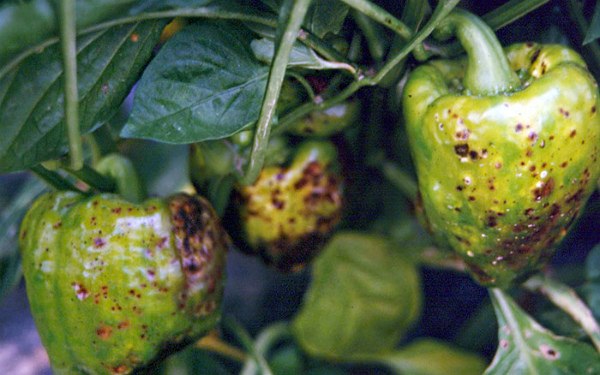
Spotted wilt, or bronzing, is caused by the tomato spotted wilt virus, which is transmitted by insects such as aphids, thrips, and leafhoppers. Young leaves turn bronze or grayish-purple, then brown stripes and spots appear. If fruit has already formed, brown, yellow, or red circles appear on them. Affected parts of the plant should be removed, destroyed, and treated with Fundazol (the fruit will become unfit for consumption, so remove any that have already developed).
To prevent peppers from becoming bronzed, do not allow insect carriers to approach the plantings, disinfect the seed material, and do not forget about weeding.
Thrips often live on flowers, so it is advisable to keep peonies and asters (thrips' favorite habitats) away from the garden.
Cladosporiosis
This fungal disease is also known as brown spot or leaf mold. It is caused by the fungus Fulvia fulva. The upper surface of the leaf becomes covered in brown spots, while the underside develops a gray, velvety coating. The leaves gradually die, and the entire plant dies.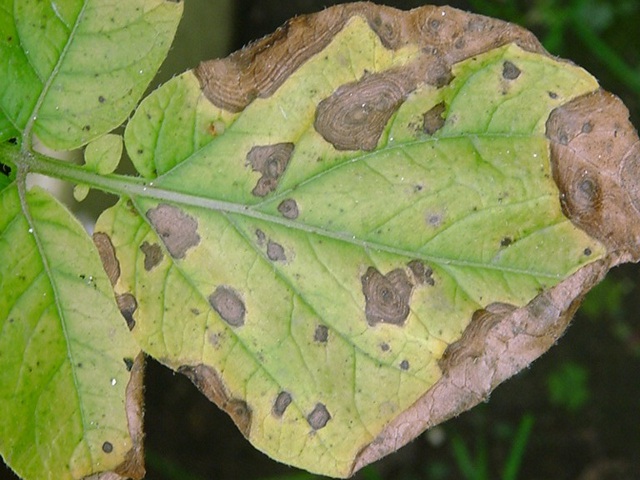
For treatment, use the fungicides "Barrier" and "Zaslon." The soil, garden tools, and the inside of the greenhouse are treated with a copper sulfate solution, and a sulfur smoke bomb is used to thoroughly clean the area. There are varieties that are resistant to this disease, but the main preventative measures remain following proper agricultural practices, crop rotation, and sanitary standards.
Black bacterial spot
The disease manifests itself as small olive-colored spots on leaves, which then turn black and spread throughout the plant. The bacteria that cause it enter through cracks and wounds in the stems and petioles, and are often found in seeds. The disease develops rapidly in high temperatures and humidity, and when moisture comes into contact with the leaves.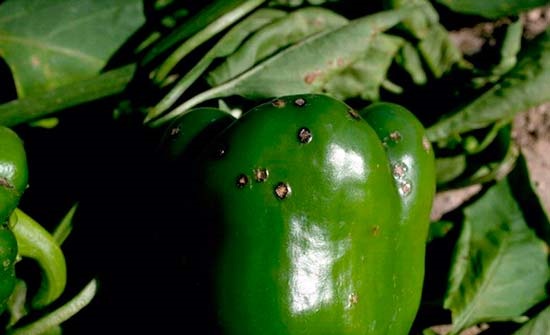
Black bacterial spot can be treated with biofungicides such as Baktofit, Gamair, and Planriz. Seed disinfection, adherence to sanitary standards, and careful plant inspection will help prevent infection.
Pepper mosaic
The tobacco mosaic virus, which causes this disease, can seriously reduce the harvest. Variegated leaf coloration—alternating yellow and various shades of green—is the first sign of the disease. Later, the leaves become distorted, the entire plant is significantly stunted, and any fruit that does set remains small and irregular in shape and color.
To prevent disease, disinfect seeds and follow crop rotation practices. Treating seedlings with a milk-water solution with a few drops of iodine has shown good results.
Blossom end rot
An imbalance in mineral fertilizers leads to this unpleasant physiological disease, which occurs without any infection. If the soil has too much nitrogen and too little calcium, the plant appears healthy until the fruit begins to ripen. Due to a calcium deficiency (and there's nowhere for it to come from if the fertilizer is improper), brown, then initially dark green, wet spots appear on the fruit tips. The disease is often aggravated by insufficient soil moisture.
Correct implementation of all agricultural practices, root and foliar feeding with calcium-containing preparations will eliminate the problem.
White rot
High humidity coupled with a drop in temperature can trigger this fungal disease. The stem above ground becomes covered with white mold on the outside, while a fungus forms inside, quickly poisoning the entire plant. The plant dies as the disease progresses.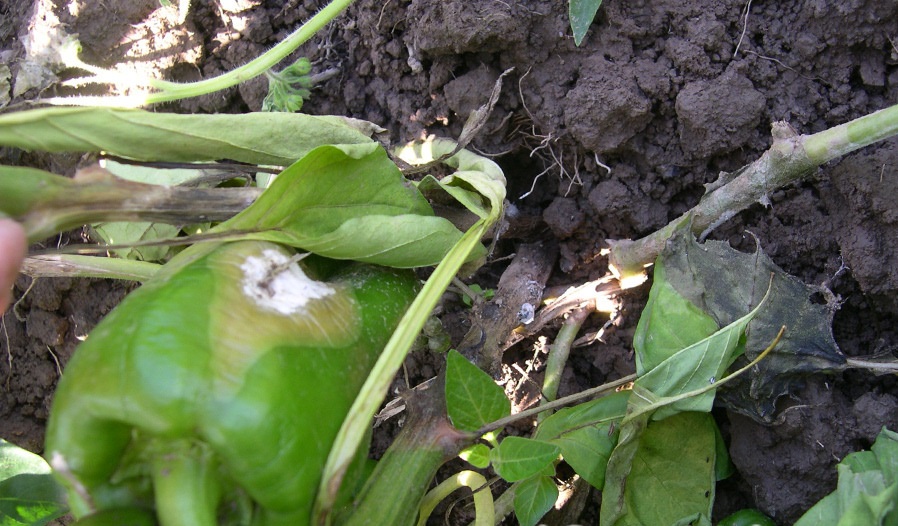
To prevent this problem, water heat-loving vegetables only with warm water, and create comfortable conditions in the greenhouse without temperature fluctuations and with good ventilation.
Gray mold
Caused by Fulvia fulva spores, fruits, leaves, stems, and flowers become covered in wet, moldy spots. The best conditions for this condition are high humidity and temperatures no higher than 20 degrees Celsius.
If disease is detected, all affected parts of the plant should be removed, and any remaining parts, along with adjacent plants, should be treated with Fitosporin. To protect peppers from fungal diseases, create conditions that prevent shade and high humidity, especially when temperatures drop.
Video "Leaving"
From the video you will learn how to care for peppers.