
4 main reasons why peppers turn yellow in a greenhouse and what to do about it
There can be many answers to the question "why pepper leaves turn yellow." This is because peppers are grown in different conditions, and the causes can lie in the soil itself, the quality of care, the weather, and other factors.
Content
It's all about the soil
One of the reasons why peppers are dropping leaves may be related to the soil. The problem is typically a lack of essential micronutrients in the soil, which are necessary for normal plant growth.
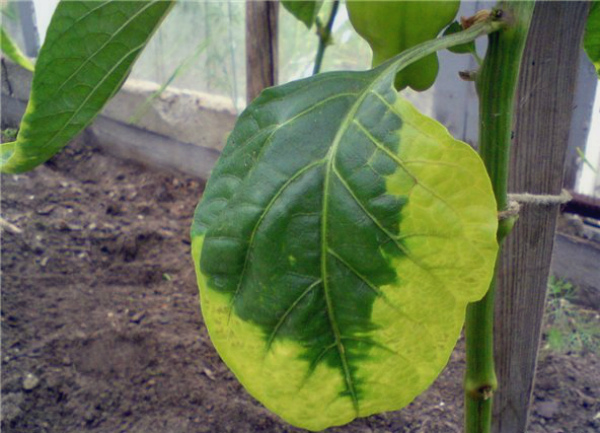
Often, green leaves gradually begin to turn yellow at the edges. This indicates a calcium deficiency in the soil itself. They may also begin to curl. To address this problem, it's advisable to use foliar feeding. Potassium nitrate, diluted in water at a ratio of 2 to 1, is the best option.
If pepper foliage gradually begins to turn yellow from the top, this indicates a nitrogen deficiency in the soil. A suitable solution in this case is to fertilize the soil with nitrogen nitrate. Applying this solution to the roots of the seedlings is sufficient. If this problem isn't addressed within a week, the plant will become light-colored, its growth will slow, and eventually die.
The foliage also turns yellow from the center, and characteristic veins appear at the base. In this case, pay attention to the iron content in the soil. To eliminate signs of iron deficiency, spray the top of the pepper with ferrous sulfate. If there is any solution left after spraying, simply pour it into the soil beneath the plants.
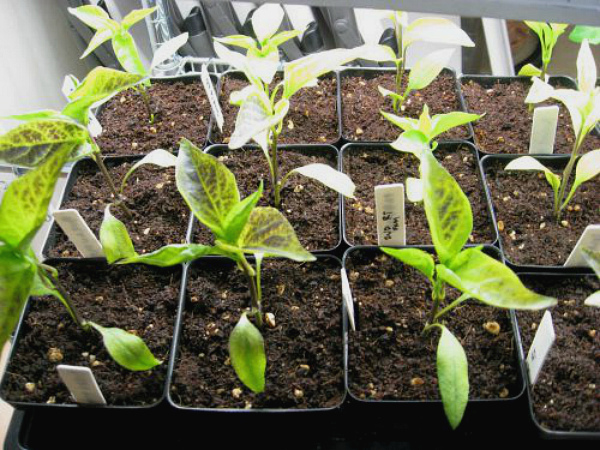
Gardeners sometimes notice that the bases of the leaves become curved, and then they begin to change color from green to yellow. This indicates a boron deficiency in the soil. This can subsequently lead to a significant reduction in yield, as the fruit will not set properly. In this case, using a special solution of boric acid and water can help. Mix the components in equal proportions and spray the peppers.
If plants are deficient in manganese, pepper leaves will also turn yellow. The veins, however, will remain green. If gardeners ignore this problem, the lower shoots will begin to dry out first, followed by the upper ones. To correct this, spray the seedlings with a potassium permanganate solution. Add 5 grams of manganese sulfate per 10 liters of water.
If you feed the pepper with the missing elements, then after a few days you will notice a slowdown in the wilting of the leaves, and after a week a gradual restoration of their appearance.
Since the fertilizer is absorbed by the plant slowly, the results will not be immediately noticeable.
Watering
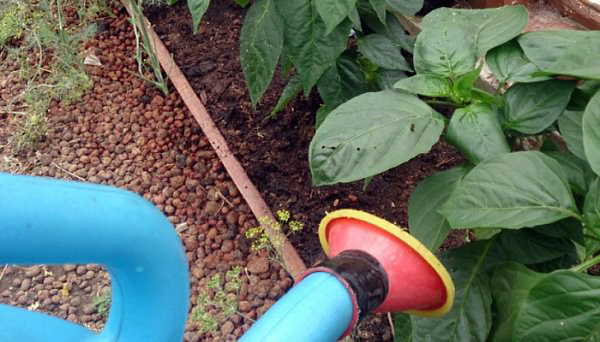
One of the most common reasons why pepper foliage turns yellow is improper watering. Since the plant itself consists of over 85% water, too much water in the soil can cause characteristic changes in the pepper. It's also important to understand that too little moisture will also worsen the condition of the seedlings and impact yield. Maintaining the right balance is crucial.
If the soil is low on water, the leaves will inevitably begin to turn yellow, regardless of whether the plant is in a greenhouse or open ground. If you water infrequently, the plant won't have time to absorb moisture, and over time, the shoots will begin to fall off, along with the flowers and ovaries. This means you may not be able to harvest the crop at all.
If you don't take proper care of your seedlings, there shouldn't be any questions about why their leaves have turned yellow.
Depending on the pepper variety you're planting, you'll need to develop a specific watering technique and the right amount of water. For this, it's best to consult with experienced gardeners.
Pests
Pests are another problem for gardeners. This is why many gardeners experience spoilage of most of their crops.
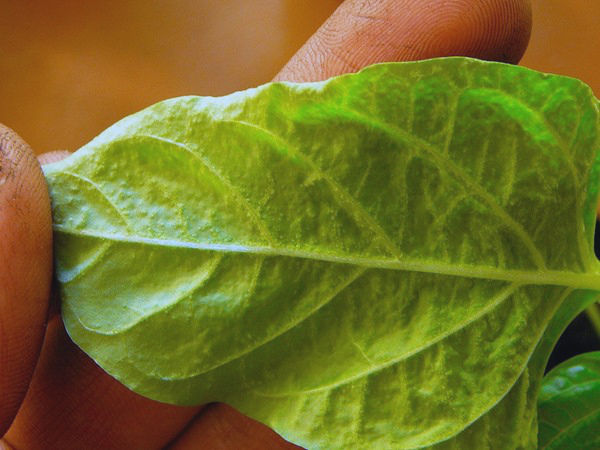
As for peppers, insects are the main culprit in preventing their normal growth. If peppers are grown in a greenhouse, pests will eventually appear. Usually, after flowering, insects enter the greenhouse, feeding on plant sap. Greenhouses offer comfortable conditions for them, as they are warm, protected from direct wind, and shaded from the sun. Once they inhabit the greenhouse, they have to find something to eat. The pests settle on the leaves of the seedlings and gradually consume them. Due to a lack of sap in the plant, it begins to turn yellow, which is first noticeable on the leaves.
Temperature
Temperature-related problems typically arise when planting seedlings in their permanent location—either outdoors or in a greenhouse. Since pepper seedlings are primarily planted in the spring, in some regions the weather can still be subject to periodic changes at this time.
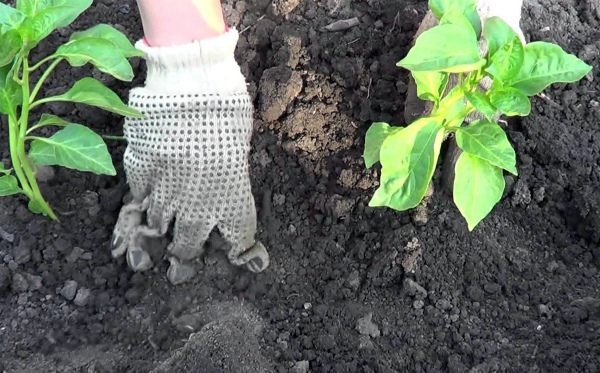
During prolonged cold spells, the root system stops functioning properly, meaning the plant can't obtain the necessary moisture, minerals, and trace elements from the soil. The pepper plant begins to starve, and its leaves turn yellow and fall off as the stem begins to draw nutrients from them.
For this reason, gardeners plant peppers based on local weather conditions. Typically, small greenhouses are built after warm weather arrives. Planting seedlings in a greenhouse will help maintain a favorable temperature for the plants and protect them from wind and excess moisture during rain.
Peppers grow much better at a stable temperature.
If seedlings are allowed to freeze, the foliage will begin to yellow, and after a while, the lower shoots will fall off, followed by others. The risk of hypothermia is reduced by growing the crop in greenhouses.
Here are the most common reasons why pepper seedlings may turn yellow. We hope this information is helpful and will help you better manage your vegetable crop's problems.
Video: "Why Pepper Seedling Leaves Turn Yellow"
This video discusses why seedling leaves turn yellow, as well as what fertilizers should be used in this case.