
Instructions for caring for peppers in a polycarbonate greenhouse
Content
Planting peppers in a greenhouse
To ensure proper care when growing peppers, pay attention to the temperature in the growing area, watering frequency, soil quality and composition, and the presence of pests and pathogens. By following the correct seedling care regimen, you can prevent many negative consequences and ensure a high yield for a given pepper variety.
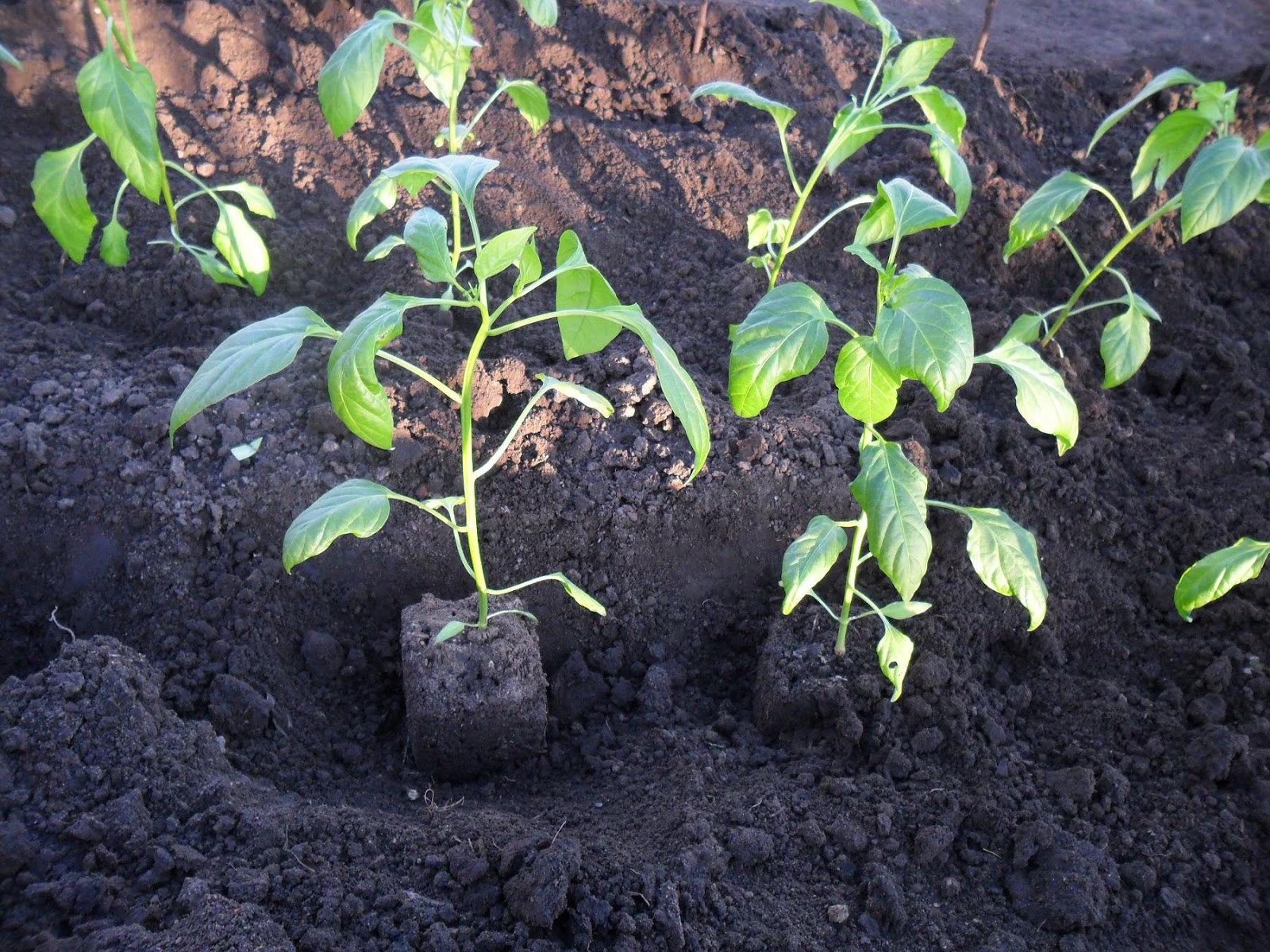
Before planting bell peppers, you'll need to prepare the soil. Beginner gardeners can purchase soil from specialty stores. This soil already contains beneficial micronutrients and organic matter for healthy growth, but if you're growing large quantities, this can be quite expensive.
It's better to prepare the soil yourself; then you'll gain the necessary experience and save money.
Since growing crops in a polycarbonate greenhouse prevents most nutrients from naturally entering the soil, it's the farmer's responsibility to ensure their availability to the peppers. High-quality, prepared soil is the key to a good sweet pepper harvest.
First of all, you should pay attention to the composition of the soil and what additional fertilizers need to be added so that the soil meets all standards.
To begin, the soil must be thoroughly loosened and the beds prepared. If any crops were previously grown there, it's essential to add mineral fertilizers and organic matter. Well-rotted manure from herbivores, bird droppings, peat, and ready-made complex fertilizers can be used as fertilizer.
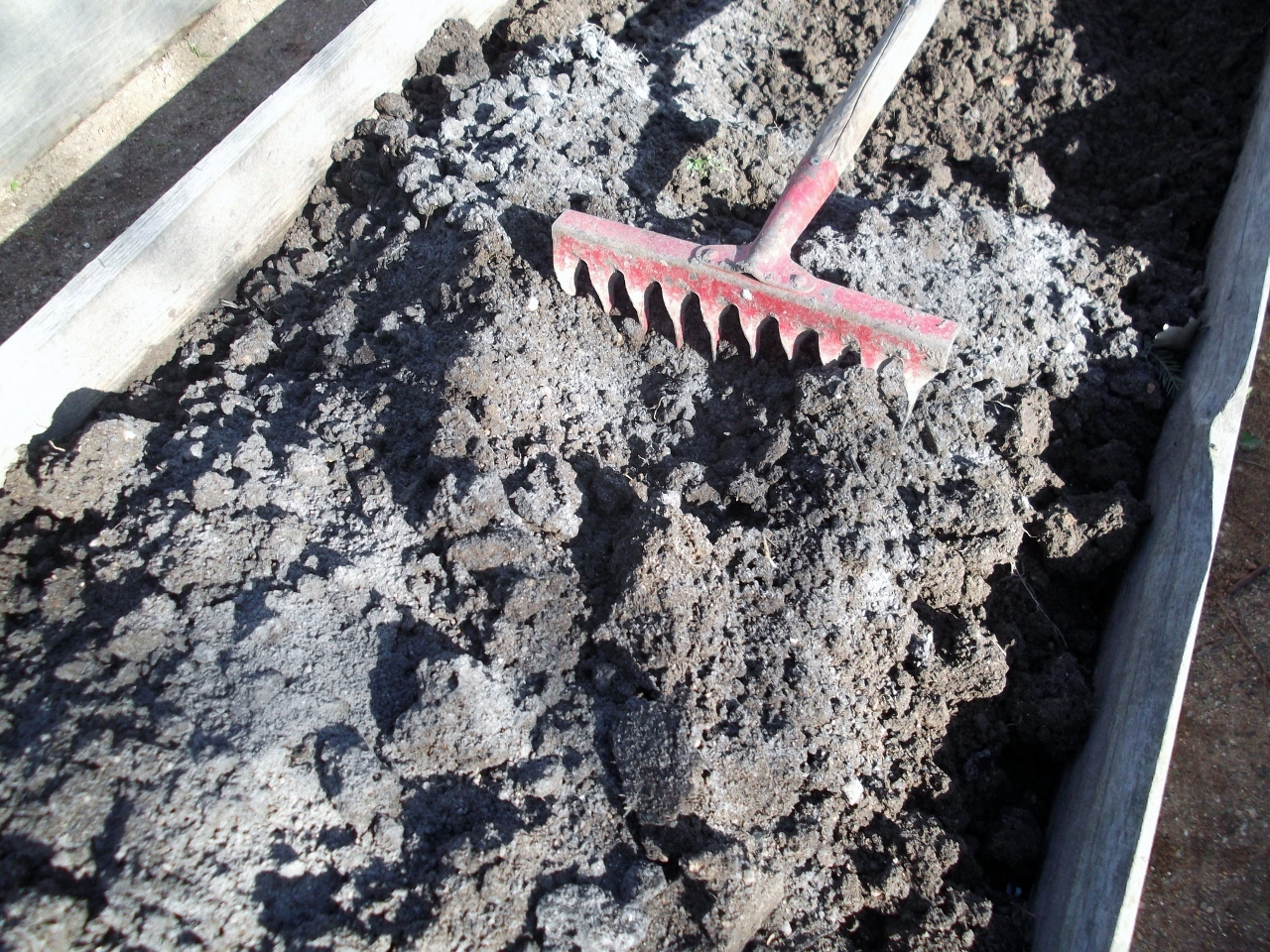
Peppers don't like acidic soil, so be careful when adding organic matter with the appropriate properties. If you prefer to prepare the soil yourself, use the following mixture: 30% turf or cleaned garden soil, about 40% humus, and 45% sand.
Be sure to make sure that the soil for future plantings is not dangerous. There should be no diseases in it. Care should be taken if the soil was taken from a garden previously planted with other vegetables. To reduce the risk, disinfect the soil to kill any pathogens and fungi that may still be present in the soil from the previous season.
After preparing the soil, you'll need to determine the planting location and then create neat rows. When growing sweet peppers in a polycarbonate greenhouse, seedlings, rather than seeds, are planted in the ground.
You can buy it at the market or germinate the seeds at home, creating all the necessary conditions. The latter option will take significantly more time, and it's best to start preparing the seeds in late February or early March.
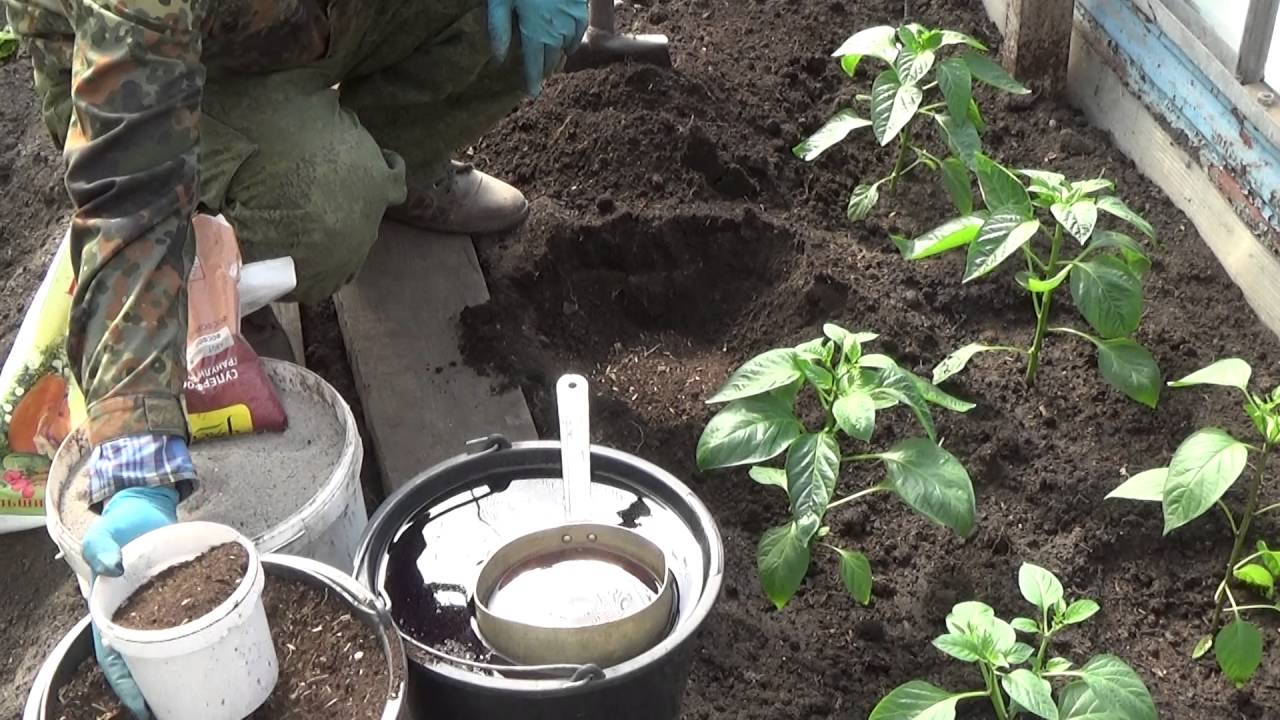
Gardeners have specific recommendations regarding planting seedlings. It's best to plant them in two rows, as this plant thrives on space and will draw many nutrients from the soil. For this reason, the plants should be distributed more evenly across the plot. It's recommended to maintain a distance of about 40 centimeters between rows and 20 to 30 centimeters between each plant.
Maintaining the correct temperature in the room is crucial. The soil should be warm, at least 15 degrees Celsius, before planting peppers. The optimal humidity level is 70% to 80%. The advantage of growing peppers in a polycarbonate greenhouse is that it's easier to maintain a stable temperature and humidity.
Temperatures around 28-30 degrees Celsius (82-86 degrees Fahrenheit) are ideal for sweet peppers. These comfortable conditions will allow the crop to ripen faster, making it juicy and flavorful.
Video: Planting Pepper Seedlings in a Greenhouse
The author of the video will tell and show you how to properly plant peppers in a greenhouse and care for them.
Care Features
To ensure a good harvest at the end of the season, it's essential to properly care for the seedlings. Growing peppers isn't difficult; you just need to do everything in a timely manner.
Once the plants begin to actively grow, they should be tied up and hilled. This is done to ensure the peppers don't bend toward the ground, but rather grow upward.
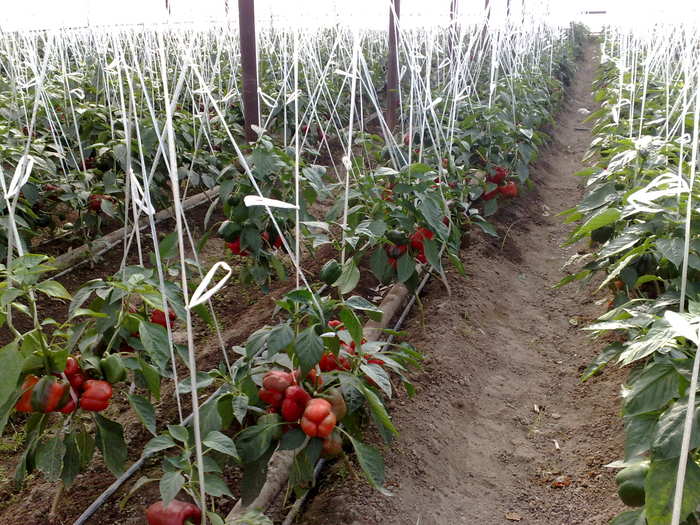
It's best to shape the bushes according to certain rules. First, remove side shoots and excess leaves from the shoot at the base of the stem, down to the first branch. Only two shoots should be left, and all flowers on the first branch should be removed. The pepper should have one strong, stable shoot, and weaker ones should be pinched out.
One month before the expected fruiting, pinch off all the growing tips on the bushes. This will ensure a harvest of large, juicy fruits.
Watering and fertilizing
When growing vegetables in a polycarbonate greenhouse, ensure timely watering and soil fertilization. Sweet peppers thrive in moisture, so regular watering is essential to ensure continued fruit growth after fruit set.
If the soil is not moist enough, the pepper leaves will gradually begin to turn yellow and then fall off, as will the inflorescences.
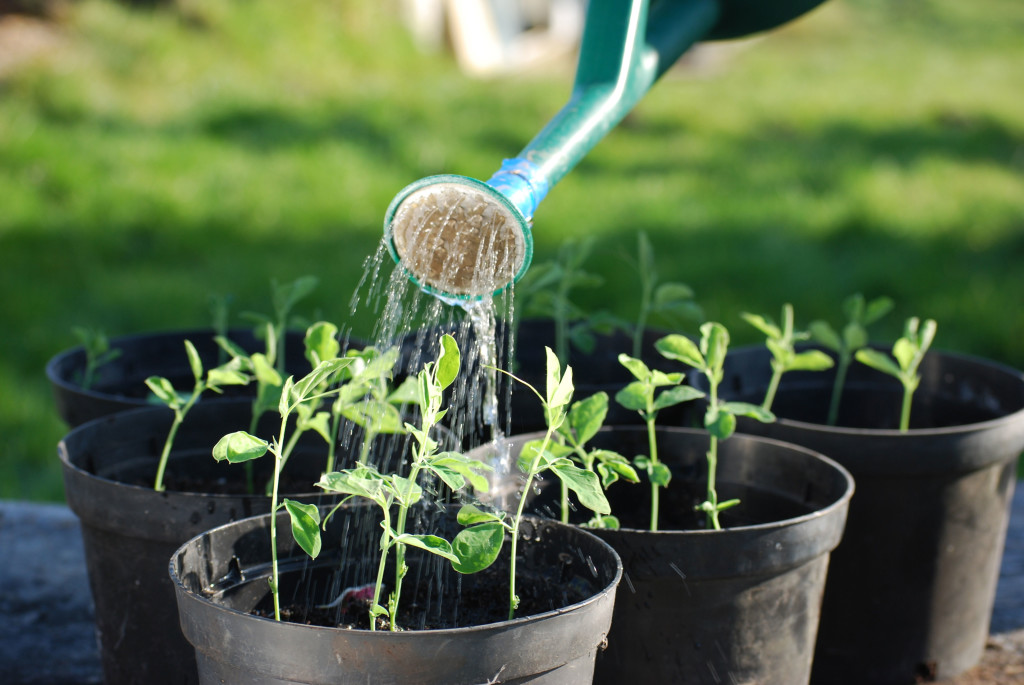
Caring for this crop also requires maintaining humidity levels in the polycarbonate greenhouse. During hot weather, water not only the seedlings themselves but also the spaces between each row. This will increase the surface area for water evaporation, increasing air humidity.
However, avoid overwatering the soil. Excess moisture can harm the plant. The pepper will begin to rot, which can also lead to disease and fungal growth. Ultimately, improper care will lead to the death of the plant.
Typically, watering frequency is determined by soil conditions. If the top layer has already dried out, watering again is possible. On average, peppers are watered every 2-3 days, depending on the variety and the conditions in the polycarbonate greenhouse.
Vegetable care also includes adding fertilizer to the soil to improve its properties and, consequently, harvest yield. The first soil application should be done before planting seedlings. This helps restore the balance of minerals lost during the previous season. In this case, the fertilizer is used to prepare the soil before planting sweet peppers.
Subsequent fertilizing should be carried out within 2-3 weeks after planting the seedlings, when the bushes have already acclimatized.
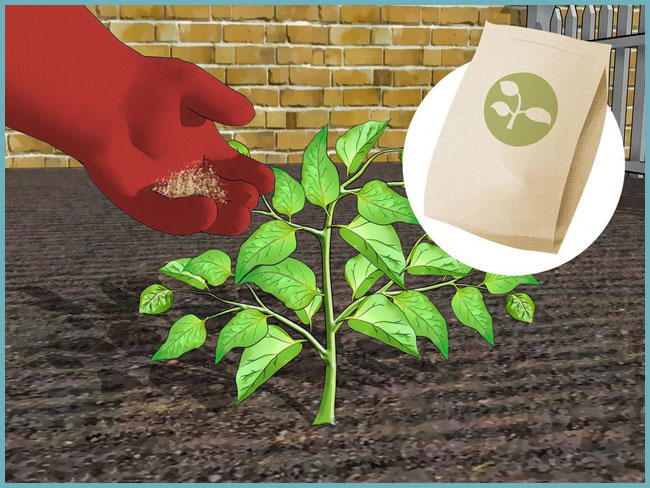
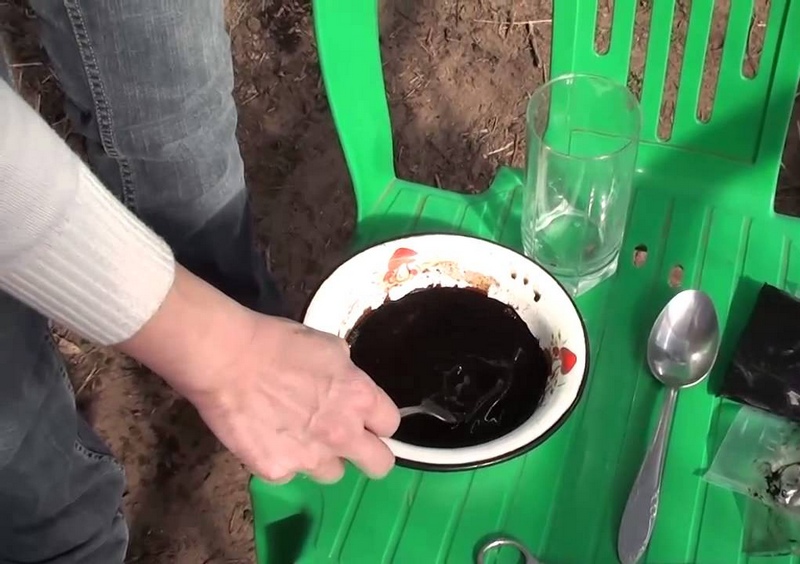
The fertilizer can be prepared from readily available ingredients. Mix about 10 grams of urea and 5 grams of superphosphate in one bucket of water (10-12 liters). Then mix the solution thoroughly and pour a liter at a time under the plant's roots. Charcoal and a few drops of iodine can be added to the fertilizer.
Fertilizer should be applied again after the peppers have begun to bloom. In this case, you can use a spoonful of superphosphate and a spoonful of potassium sulfate. Dilute the ingredients in a bucket of water, mix, and let steep for a while. Pour the resulting solution under the plants; one liter of fertilizer is sufficient.
The final fertilizing is done when the peppers are ripe—before harvesting. The harvest is ready a week after the final fertilizing.
Fighting diseases
It's also crucial to protect seedlings from various dangerous diseases that can affect plants. Care involves preventing their occurrence.
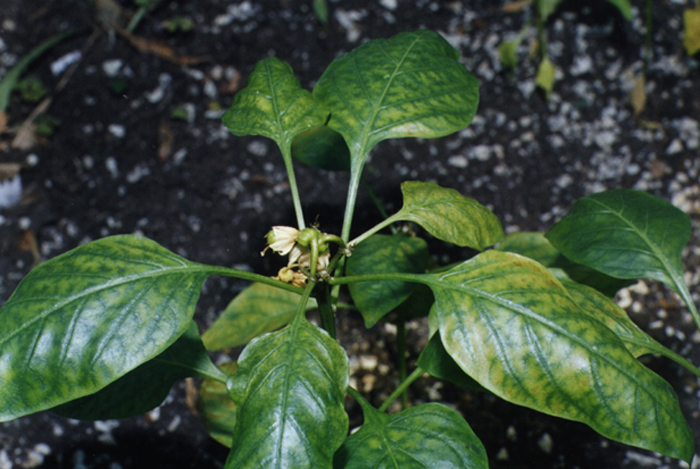
Since diseases are more common in vegetable crops grown outdoors, the risk is reduced in polycarbonate greenhouses. To prevent this, soil disinfection is essential if signs of a specific disease are detected, ensuring eradication. If necessary, the top layer of soil can be removed to eliminate most of the pathogen.
Growing crops in a greenhouse requires less time and effort to protect them from diseases, but more attention must be paid to their care.
The most common diseases that threaten vegetable crops include blackleg, bacterial black spot, white rot, and late blight. Early detection of these symptoms and proper care of peppers can prevent damage to the plants and preserve the fruit.
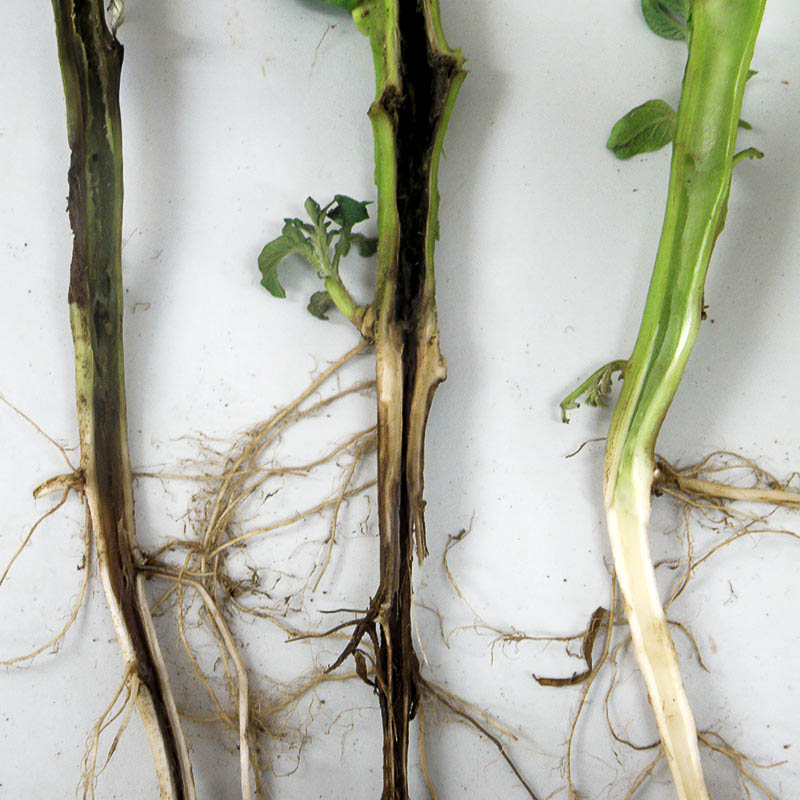
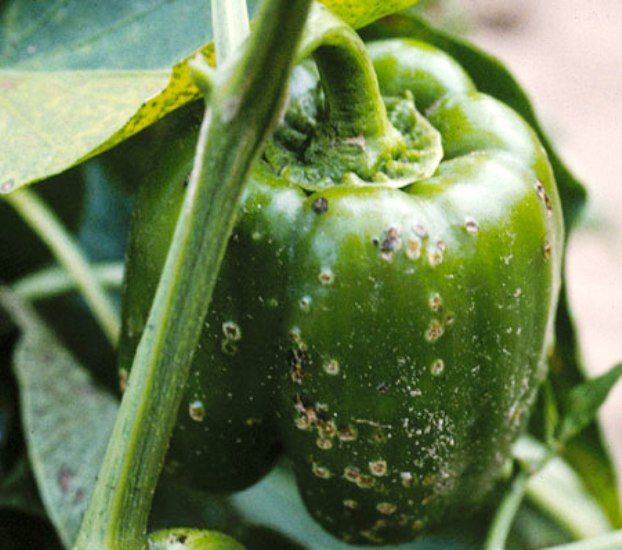
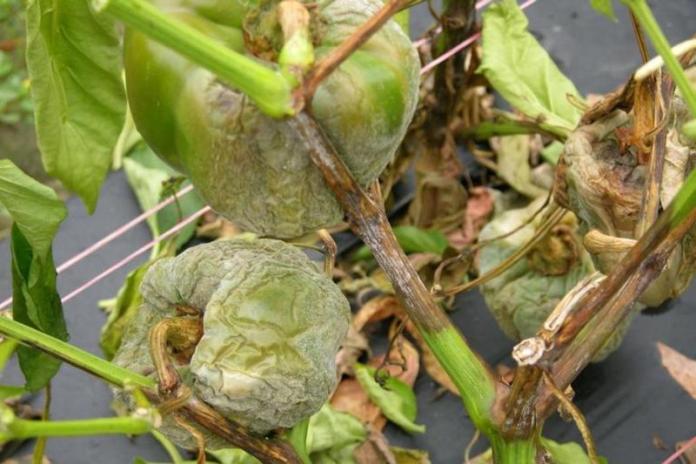
To eliminate signs of disease, periodically spray the surface of the bushes with chemicals, as well as incorporate them into the soil to kill pathogens and fungi. In greenhouses, it's best to use targeted chemicals to combat diseases, as there are no universal remedies for eliminating the symptoms of the disease.
You can prevent the appearance of disease signs even before planting the seedlings in the soil. Before planting peppers, you'll need to disinfect the soil immediately to prevent the young plants from dying.
Video: "Caring for Peppers in a Greenhouse"
A PhD candidate in agricultural sciences gives advice on how to care for peppers in a greenhouse during flowering.