
Peppers are growing poorly in the greenhouse: what should I do?
Content
Peculiarities of growing peppers in a greenhouse
Growing peppers in protected ground is done only from seedlings. The process will be more successful if you plant peppers in soil previously occupied by cabbage, cucumbers, onions, or carrots. However, if peppers are grown in the same area where potatoes or tomatoes were previously grown, this method will not yield much benefit. It is also undesirable to grow peppers in the same area where their closest relatives were previously grown.
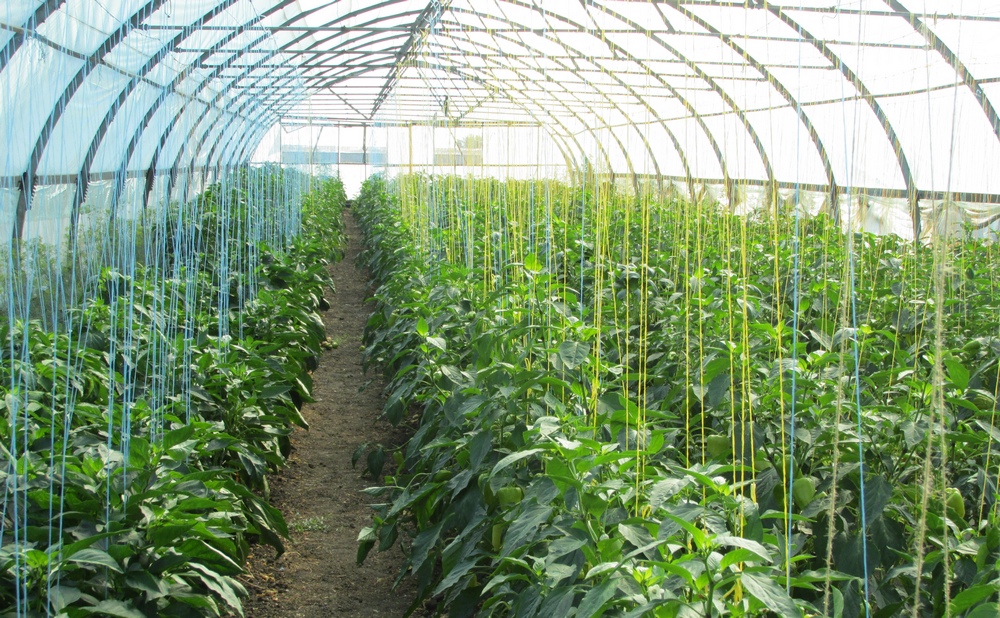
Caring for peppers in a greenhouse involves creating optimal conditions for growth and development, as well as preparing the soil. Before planting the seedlings, the soil should be disinfected, for example, with copper sulfate (1 tablespoon per 10 liters of heated water).
Young peppers should be planted in a properly prepared greenhouse in May. If harsh weather conditions are expected, it's best to start growing the crop early in the season. This allows the seedlings to adapt to the cooler temperatures and other factors controlled in the greenhouse.
Peppers of one variety should be grown at a distance from those of another. The plants need protection from self-pollination. For this purpose, it's best to use a natural wall, such as a corn wall.
Planting vegetables, both outdoors and indoors, should be done in a way that prevents root damage. Raised beds are preferable, as this will ensure a larger harvest in the future. Why? In low beds, the sprouts can freeze completely and die. It's worth noting that a significant harvest can only be obtained in a greenhouse.
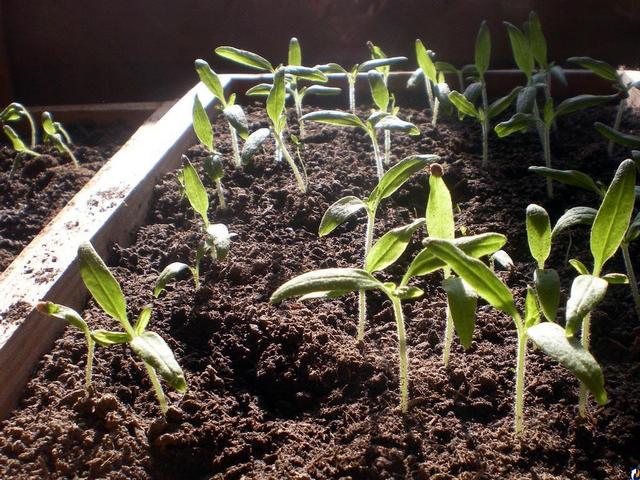
Peppers don't grow well outdoors, even in good weather. The fruits take a long time to ripen, are small, and lose their juiciness.
Peppers require basic care in a greenhouse, but more thorough care in open ground. In protected soil, regular fertilizing, ample watering, and controlled growing conditions are sufficient.
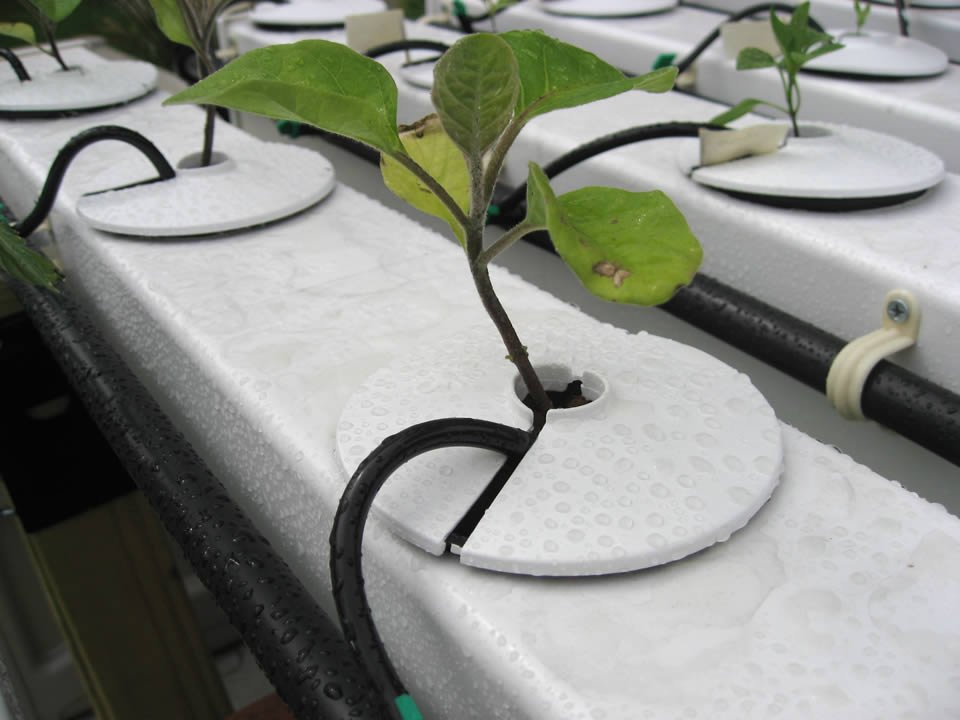
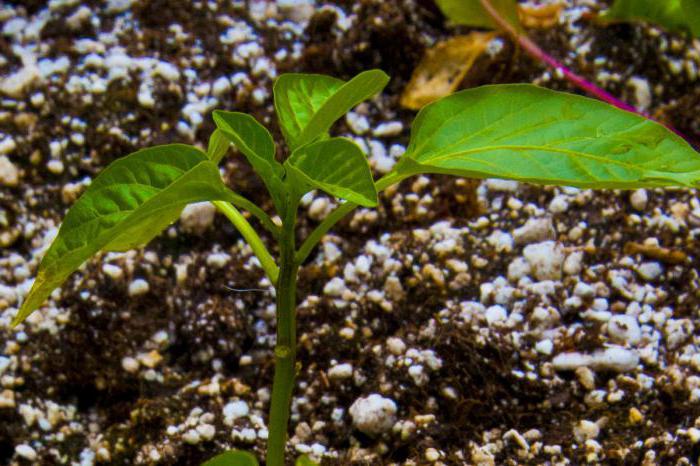
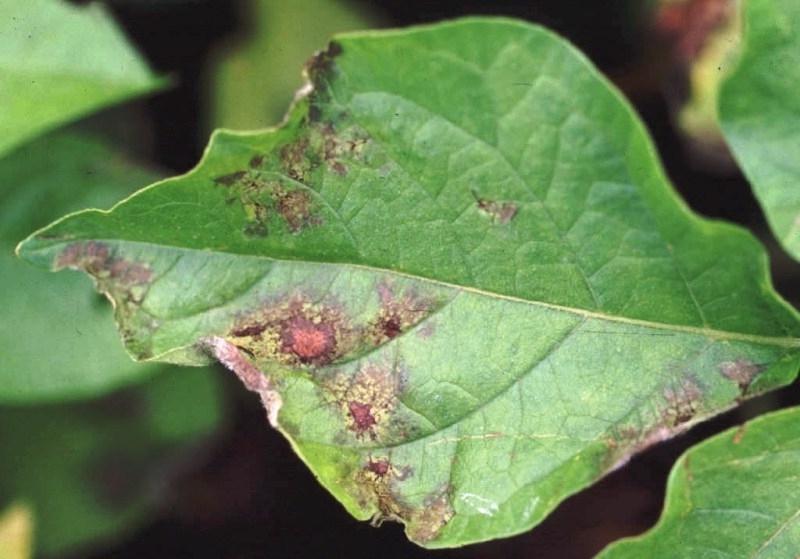
Peppers grow well only with proper disease prevention. Otherwise, the vegetables develop poorly, wither, and eventually die. Proper care includes:
- Water the seedlings with both water and fertilizer. You can use a nettle infusion or a mixture of superphosphate, potassium, and saltpeter. Fertilizing should begin when the first leaves appear on the plants. After the initial application of fertilizer, the amount of fertilizer should be increased over time.
- Periodically, remove side shoots from the peppers. However, this procedure is only applicable in hot conditions. Avoid side shoots in cool weather, as the plant will not tolerate this procedure well and will wilt. Furthermore, the peppers will lose their natural protection.
- It is necessary to trim off additional stems, as they inhibit the growth of the crop and create shade for it.
- After planting in the ground, when the peppers reach a sufficient height, they will need to be tied up. This will prevent the plant from falling over under its own weight and ensure proper growth.
- To ensure proper pollination of peppers, insects need to be attracted to the greenhouse. This is best done by spraying the plants with sweet solutions.
Possible causes of poor growth
Peppers grown in greenhouses often slow down their growth and development. The plants appear healthy and don't wilt, but they don't grow either.
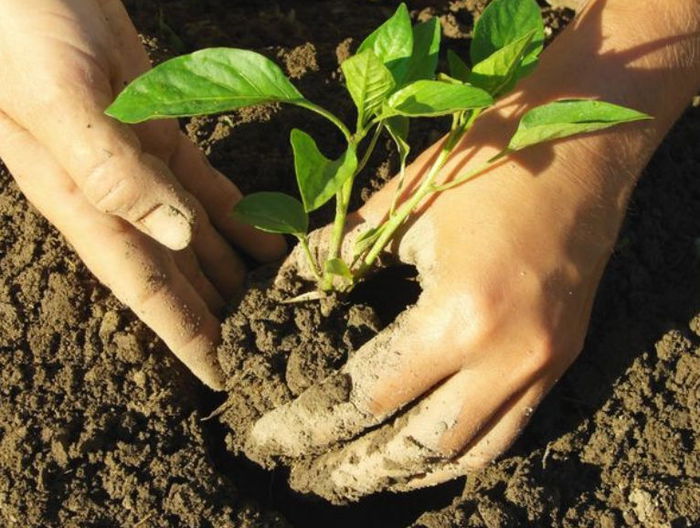
This phenomenon is most likely caused by unfavorable greenhouse conditions. If even one aspect of the plant's care is disrupted, the pepper stops growing.
Non-compliance with standards may be as follows:
- Seedlings fail to thrive due to being planted in cold, unprepared soil. Therefore, cultivating the soil in the greenhouse and adhering to all deadlines are an essential part of growing vegetables.
- Peppers don't grow and develop well if the soil lacks essential nutrients—nitrogen and phosphorus. Therefore, the soil needs to be fertilized.
- The air in the greenhouse should be heated to 28°C, with a minimum of 10°C at night. If this temperature isn't met, the vegetables will wilt. Temperature fluctuations can cause disruptions in crop development. Gardeners should gradually increase and decrease the temperature.
- Peppers should only be watered with warm water, as the plant's roots are sensitive to cold. This procedure should be carried out in the morning, at the same time. Unlike when growing peppers outdoors, when grown indoors, frequent ventilation throughout the day is essential to prevent condensation.
- Failure to remove side shoots in time will slow down the plant's growth and development. Why? Because the side shoots will "draw" all the nutrients from the soil.
- Are the roots lacking air? As a result, vegetables grow more slowly. Therefore, the soil around the plants needs to be loosened periodically.
- Due to poor ventilation, plants become sickly and wilted, they become weak and lose their elasticity.
- After planting, ensure the plants receive sufficient light. Otherwise, the seedlings will stop growing.
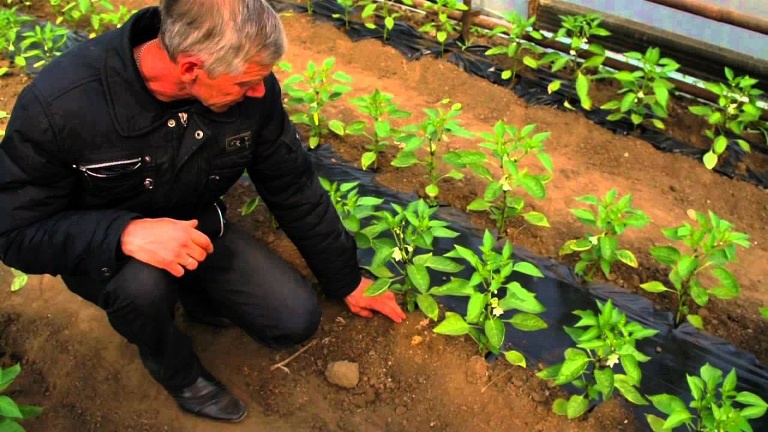
The reasons for stunted pepper growth are easy to identify, even by the appearance of the plants. Everything can be corrected, thus saving the plants and the future harvest.
Video: "Pepper. Why it doesn't bloom or the ovaries fall off"
The video's author provides a detailed explanation of the causes of poor growth and ovary shedding in pepper plants.
How to deal with this
After transplanting seedlings into the soil, they may develop improperly due to unfavorable weather conditions. Even nighttime temperatures below 12°C (55°F) can have a negative impact.
As a result, the peppers lose their healthy appearance, dropping their flowers and buds. To save the plants, just as in open ground, they need to be sprayed with Immunocytophyte, watered regularly, and not grown outdoors: cover with film or cellophane.
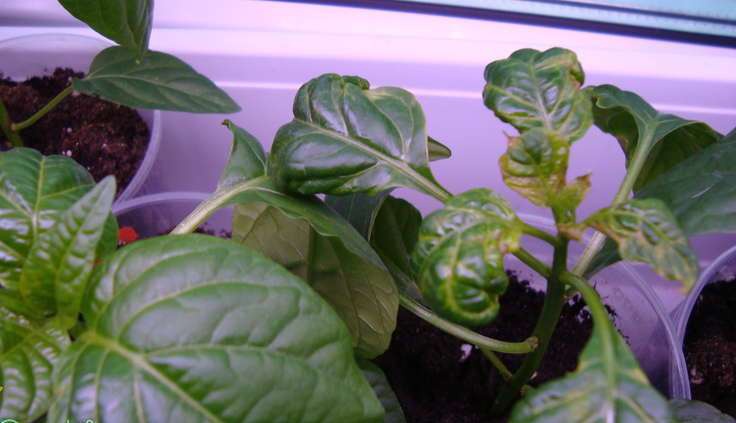
If there's a high risk of frost, sprinkle the plants with ash and water them generously. Don't leave them exposed to the elements. Instead, mound the bushes with soil and cover them with plastic wrap, newspaper, or plastic film. This recommendation applies to both indoor and outdoor cultivation.
You can also protect your bushes with sprinklers that provide drip irrigation. Why? Evaporation from the water will increase the temperature under the film by several degrees.
After planting seedlings, do green plants have weak roots? They should be watered with Kornevin 7-14 days after transplanting. Nitrophosphate can be added to the watering mixture. This will improve the condition of the seedlings. Why? Because nitrogen is one of the main components of plants.
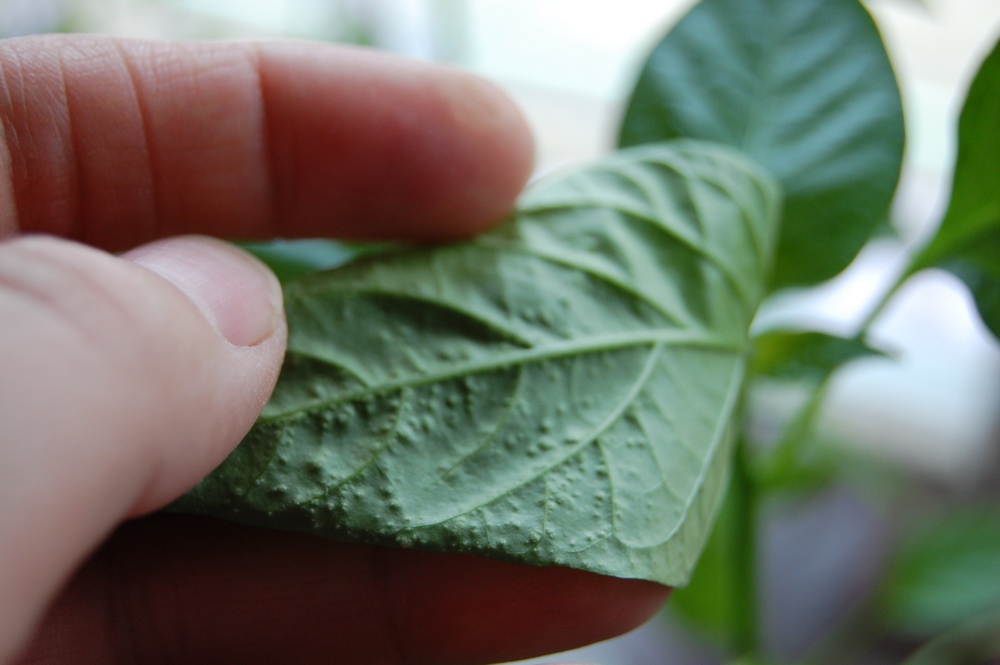
So, it's easy to understand the reasons for poor pepper growth in greenhouse conditions. The first signs can be detected immediately after planting the seedlings. You can save the plants by performing basic procedures. The key is to act quickly and without delay.
Video: "The Best Cover for Peppers, Eggplants, and Tomatoes"
The video explains the best way to cover plants. Peppers grow well under this type of cover and produce a wonderful harvest.