
What to plant with peppers in a greenhouse garden bed?
Content
Peculiarities of pepper cultivation
Peppers, like any vegetable, have their own growing requirements. Planting should begin no earlier than March. They are grown only from seedlings, as the seeds take a long time to germinate. However, they should be planted immediately in moist soil in a container. Space the seeds 1-2 cm apart.
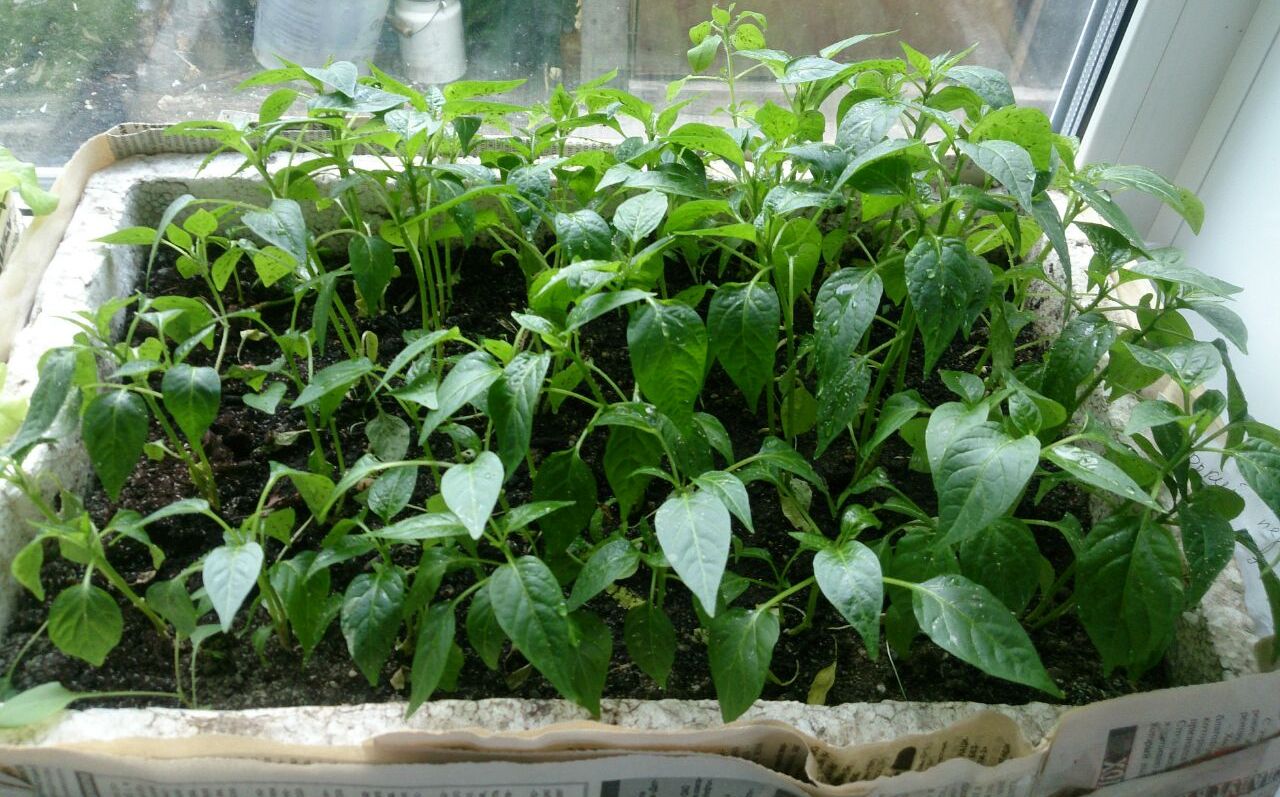
Sprinkle a small amount of compost over the seeds, then cover them with glass and newspaper to prevent the soil from drying out. Rotate the glass daily, turning it over. Until the seeds germinate, the greenhouse temperature should be at least 24°C.
Peppers grown in greenhouses require fertilization. Pricking out the plants is possible once 2-3 petals have formed. When the seedlings reach 20-27 cm, they should be transplanted into separate containers and spaced throughout the greenhouse. Pots with sprouted seeds should not be placed next to each other. A distance of 45 cm should be maintained between them. After this, the young peppers should be watered and fed with liquid fertilizer.
It's worth noting that transplanting seedlings into heated greenhouse beds should be done in March, while unheated beds should not be transplanted before April. Only seedlings at least 55 days old can be planted in the soil. Flower buds begin to form during this period.
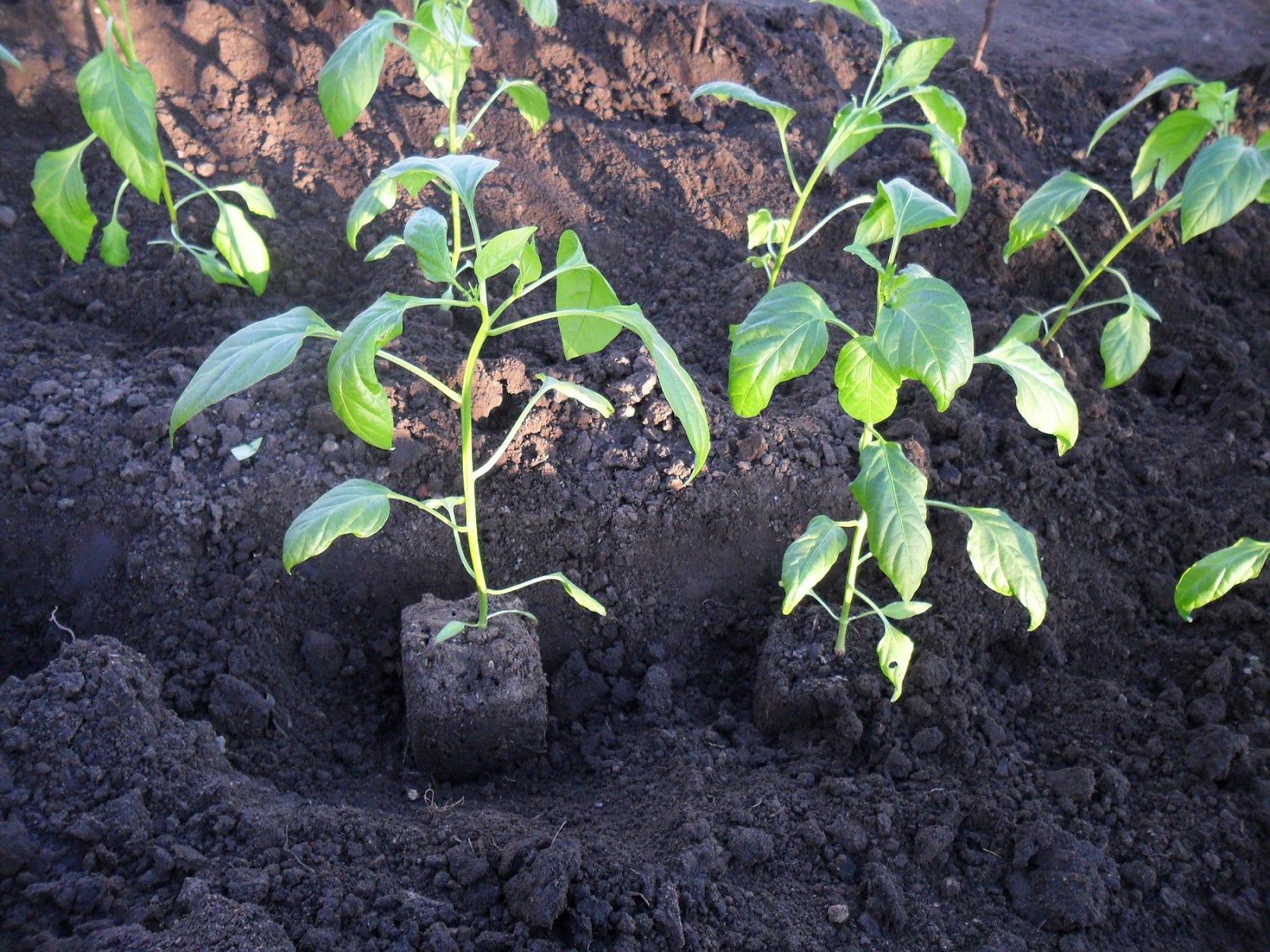
Peppers should be planted in the ground at the same depth they were grown in containers. This is a unique characteristic of this vegetable, compared to other nightshade plants.
When growing peppers in a greenhouse, care is the same as in the open ground. The plants should be watered and fertilized with insecticides. Planting peppers in special pots is essential, as this increases the yield.
Peppers require careful and meticulous care. Maintaining proper spacing between seedlings and planting depth are the key components of proper greenhouse cultivation.
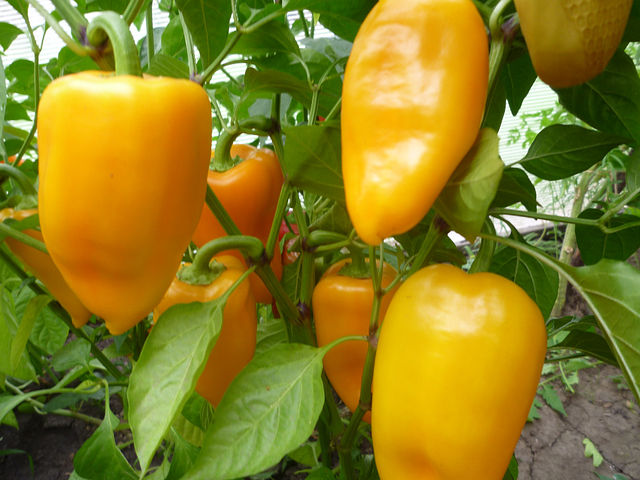
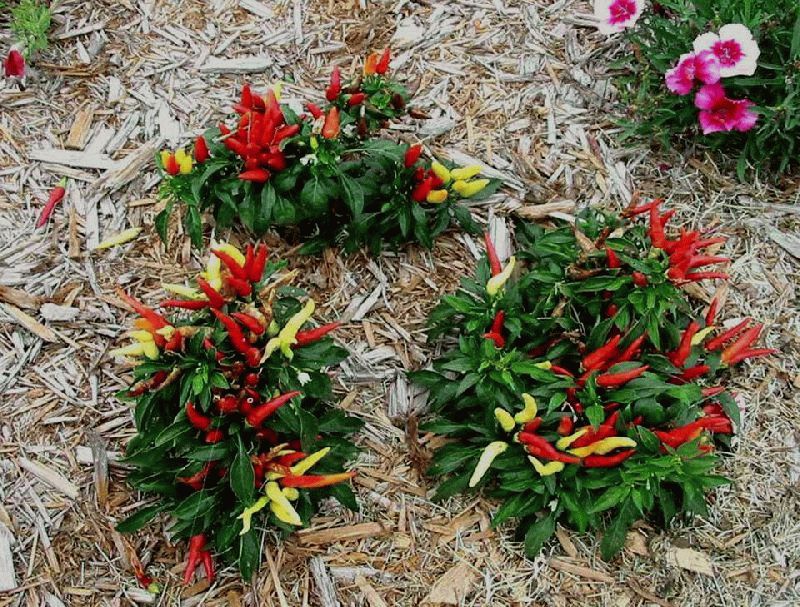
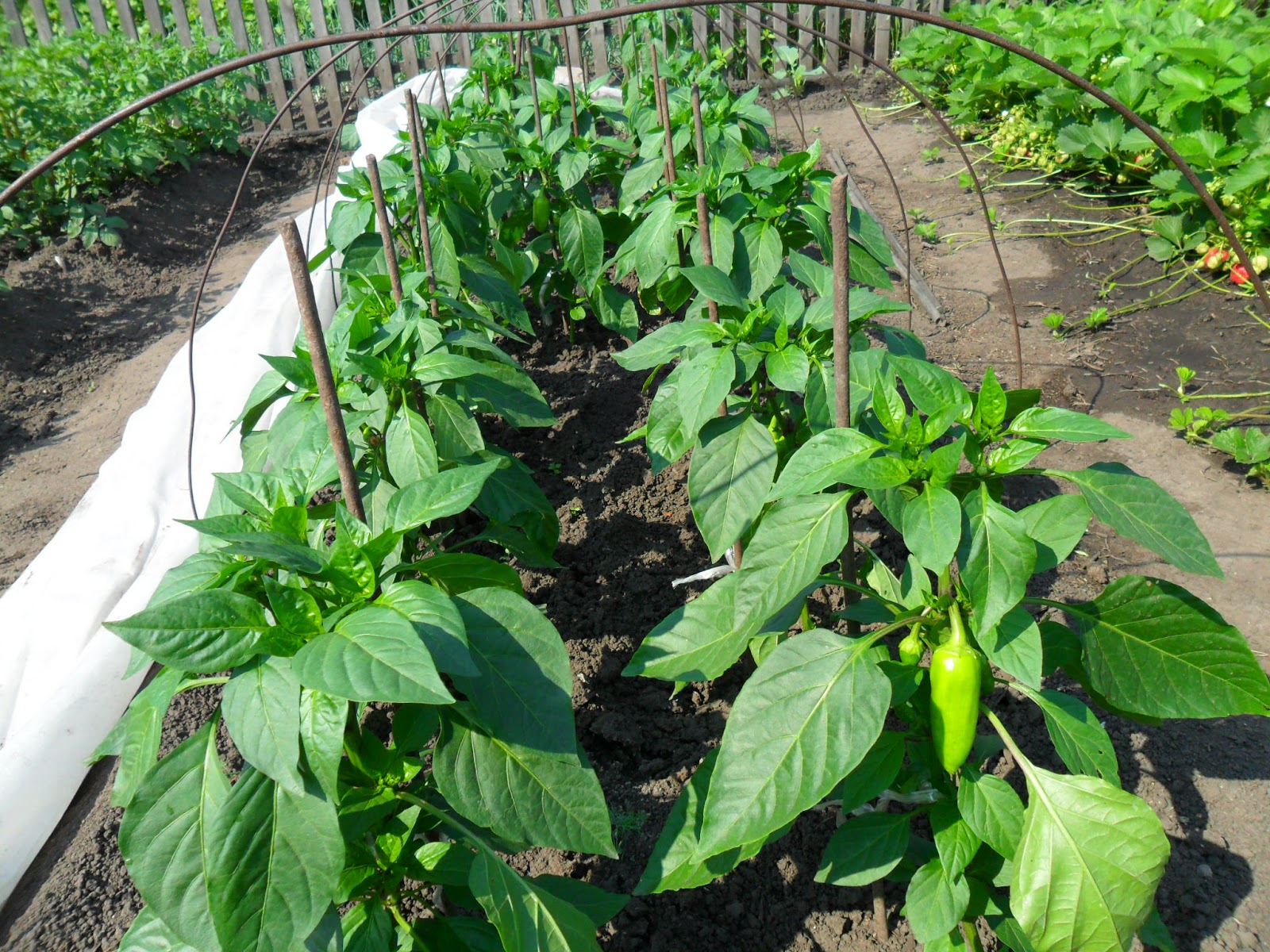
Only by properly growing seedlings can you obtain a high-quality and abundant harvest. A greenhouse can artificially create favorable conditions for the development of any crop, including peppers.
Video: "Planting Peppers in a Greenhouse. Fruitful Beds"
A video about how to properly plant peppers in a greenhouse.
Choosing a companion crop
Bell peppers belong to the Solanaceae family, but unlike their relatives, they thrive in humid air. Instead, they prefer adequate and consistent watering, warmth, and light.
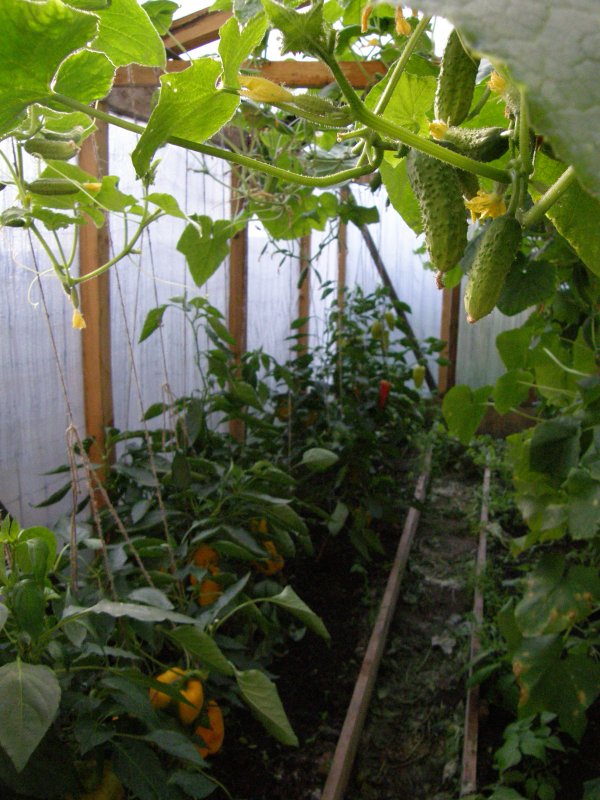
The vegetable will thrive in a bed that receives the most sun and the longest amount of it each day. It's also important to follow all growing rules and recommendations, as otherwise the plant may shed its leaves and even fruit.
Peppers are a capricious vegetable. They don't thrive in the same garden bed with many crops, even those from the nightshade family.
Cucumbers can be planted next to the vegetable garden. However, it's important to carefully consider the characteristics of each variety. Tall cucumbers can significantly shade vegetables in the adjacent bed. Peppers can be planted near the entrance, with cucumbers further away. Sweet and bitter varieties of vegetables should not be planted next to each other to prevent self-pollination.
This vegetable also thrives alongside cabbage and carrots. The root vegetables don't create shade and, at the same time, share the soil's nutrients well with their neighbors, even in a greenhouse.
What can and cannot be planted with peppers
As noted earlier, choosing neighbors for vegetables is very important. For example, some plants can suppress bell peppers, while others can harbor diseases and pests. At the same time, the right neighbors can protect them from wind, have a negative impact on insects, and share minerals.
By identifying plants that can be planted next to your crops, you can protect your crops naturally.
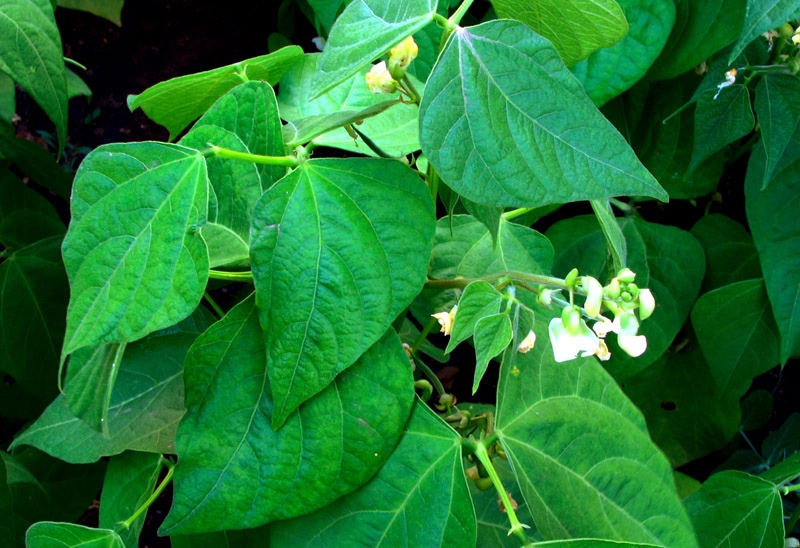
Bush beans are an ideal companion for bell peppers. Pests of this vegetable are repelled by the smell of beans, and their plantings are virtually impenetrable to pests. Furthermore, the two plants do not compete for nutrients. Legumes are excellent at enriching the soil with nitrogen, which is incredibly beneficial for their neighbor.
To reliably protect crops from cold winds, you can plant corn nearby. Such thickets on the north side will act as a living barrier, protecting young plants from the cold without shading them. However, this arrangement is questionable in a greenhouse.
Onions and garlic are excellent and versatile companions for growing side by side in the same space for almost all plants. These vegetables contain phytoncides, which are enemies of all diseases and parasites.
You can plant greens with pepper: basil and lovage.
Closely related nightshade crops won't produce a good harvest. They're susceptible to the same pests and diseases. Therefore, for example, eggplants and peppers should be planted farther apart and alternated with tomato plants.
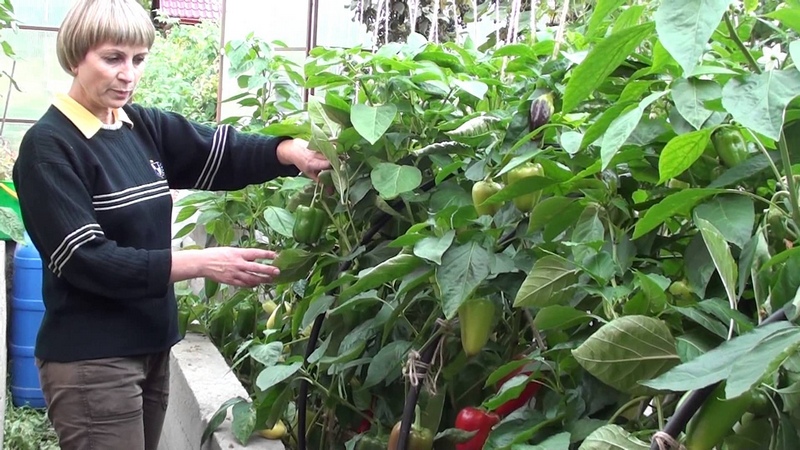
Some crops cannot be combined in the same bed due to their mutual negative impact and growing conditions. For example, fennel should not be planted next to peppers.
Don't plant peppers in the same area as eggplants. Eggplants can shade other crops and generally don't tolerate the same planting.
So, growing peppers in protected soil is easy. To get a bountiful and high-quality harvest, you need to know what to plant next to them.
Video: Mixed Plantings in a Greenhouse
The author of the video talks about his experience with mixed (combined) planting in a greenhouse, using peppers and cucumbers as an example.