
How to feed peppers for greenhouse growth: choosing a fertilizer
Content
Spring preparation of soil in a greenhouse
Before deciding how to fertilize peppers in a greenhouse, it's important to carefully prepare the soil for planting. To do this, it's advisable to add several types of fertilizers to the soil:
- potassium sulfate;
- superphosphate;
- wood ash;
- humus or compost.
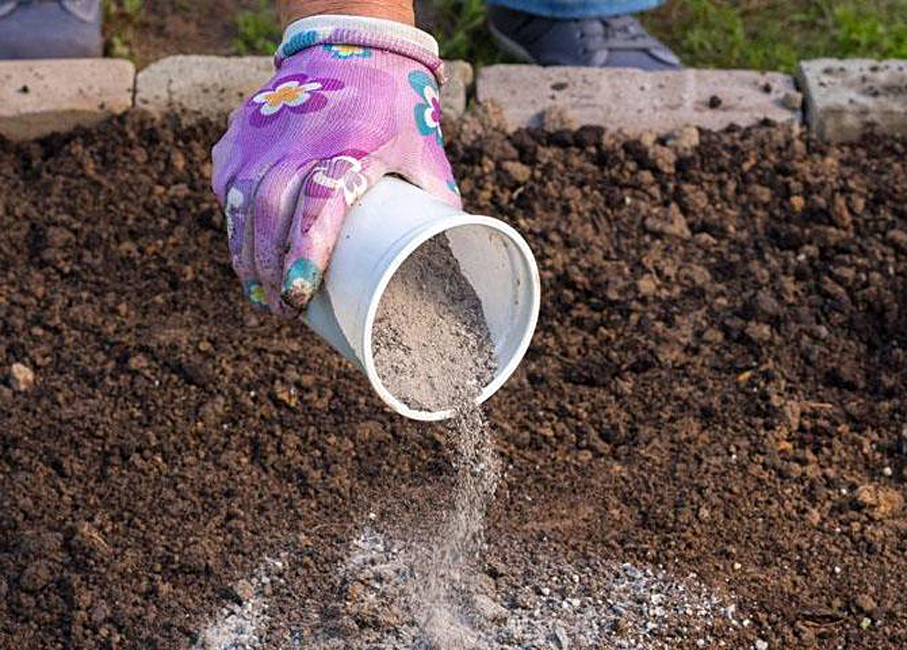
It's not necessary to feed greenhouse peppers with these products. Specialized mixtures, available at flower shops, are also a good option. However, not all store-bought nutrient solutions for substrates are suitable for peppers. Carefully examine the ingredients before purchasing: if it contains large amounts of chlorine, avoid it, as peppers have problems with this substance.
Video: "When, How, and What to Feed Peppers in a Greenhouse"
This video will tell you how, what, and when to feed peppers in a greenhouse.
Basic rules for feeding peppers
If you don't fertilize your peppers well, you're unlikely to get a bountiful harvest. Therefore, it's crucial not only to select high-quality mixtures but also to carry out all the necessary procedures correctly. Here are the most recommended guidelines:
- It is advisable to fertilize once every two weeks. Organic and mineral components must be diluted in warm, settled water.
- It is noteworthy that first the plants are watered and only after that can they be fed with fertilizers;
- after completing the substrate feeding procedure, the soil needs to be loosened a little;
- It is very important to apply different types of fertilizers, alternating them.
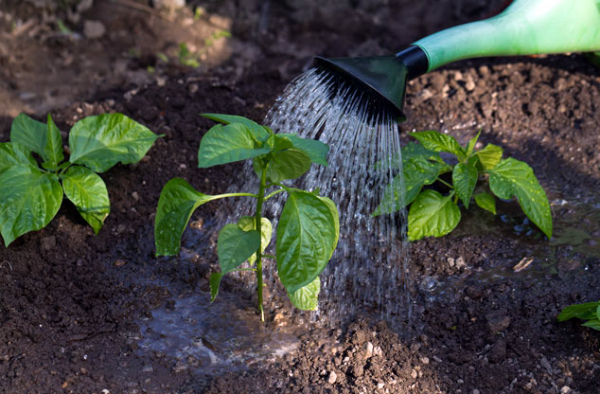
Remember, you should never overdo it with nitrogen-based fertilizers. If you oversaturate the substrate, the greenery will begin to grow too vigorously, but the ovaries on the plant stems will not form in time.
Organization of feeding during the season
If peppers aren't growing well, it's because they're not getting enough fertilizer. Therefore, experts recommend that farmers apply nutrient mixtures from the moment they plant until harvest. However, this issue involves a number of nuances. Much depends on when and how much you've already applied mineral fertilizers to the substrate.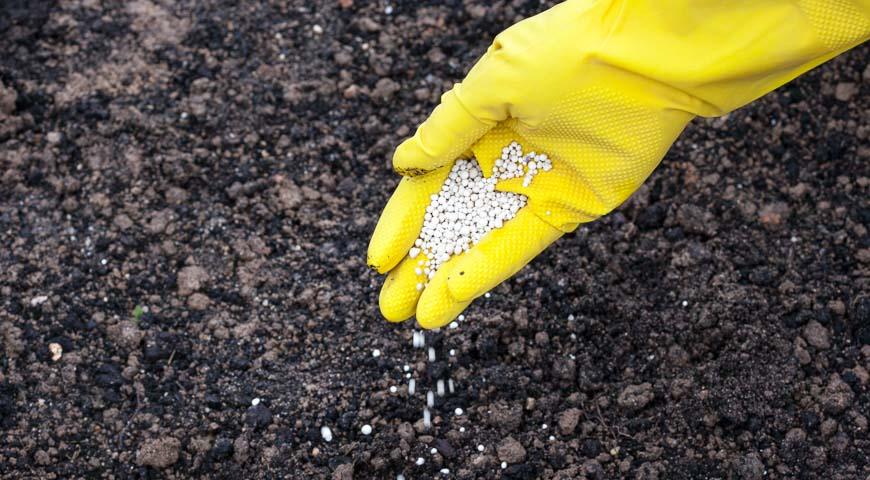
For example, if you spread humus or compost throughout your garden in the fall, and then dug it all up in the spring, adding store-bought fertilizer, your peppers will grow quite vigorously, and you won't have to provide additional fertilizer as often or in such large quantities.
When to feed?
While the frequency of fertilizing the substrate in your garden depends on how thoroughly and efficiently you fertilized it in the fall, things are a little different with greenhouse peppers. Consistency is crucial, but too frequent fertilization can also significantly harm the plants. Therefore, when growing peppers in a greenhouse, it's recommended to fertilize no more than once every two to three weeks.
First feeding
Typically, two weeks after planting peppers, it's advisable to apply fertilizer for the first time in the greenhouse. At this time, the plants are already producing flowers, so boosting the vegetable's growth is essential.
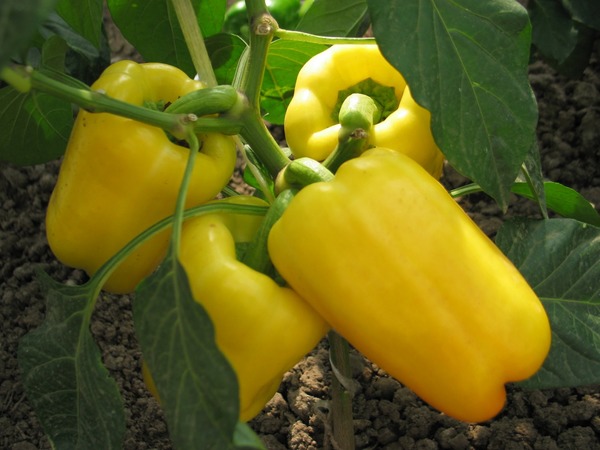
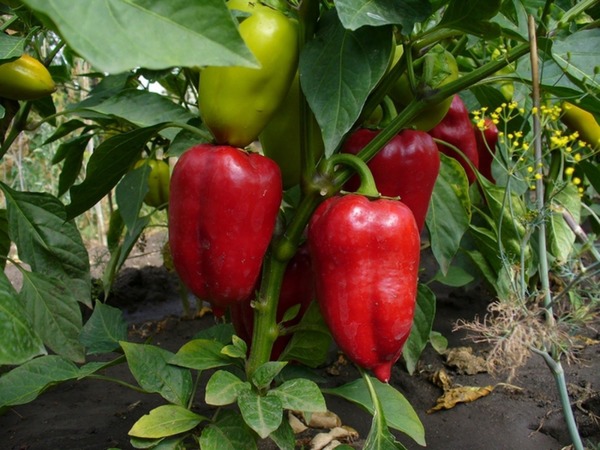
The best option would be to water the soil with a solution of bird droppings. As an alternative to organic fertilizers, you can use superphosphate and ammonium nitrate, as well as potassium: all these substances are dissolved in water.
Second feeding
Every farmer faces questions about growing peppers in a greenhouse and what to feed them with. If you enriched the soil with minerals the first time, the second feeding of peppers in the greenhouse should contain nitrogen.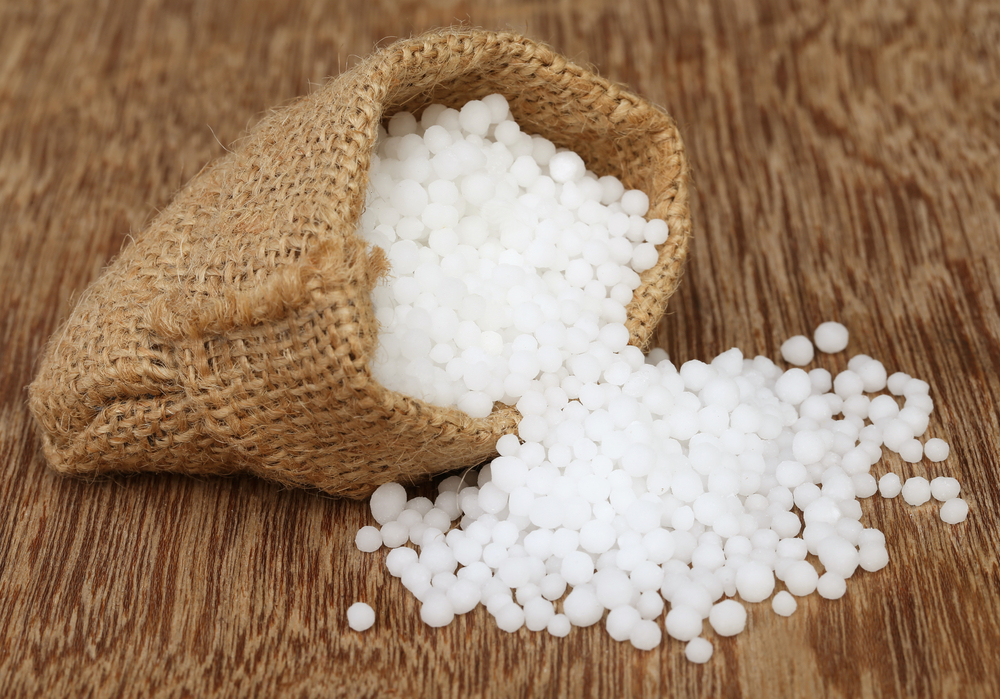
If the stems and leaves of your plants suddenly turn green too much, you need to somehow compensate for the nitrogen deficiency in the soil. Potassium sulfate and superphosphate should be dissolved in water, and the resulting mixture should be poured into the soil.
Foliar feeding
Fertilizing the soil with mineral and organic fertilizers is essential for every gardener. However, experts also recommend spraying the fertilized plants periodically.
To prepare the solution, dissolve urea in water and then spray it onto the pepper's vegetative system using a spray bottle. Don't forget to strain the prepared vitamin mixture.
In this way, you can slightly reduce the concentration of auxiliary substances in the stems of the vegetable crop.
Video: "First Feeding of Peppers After Planting"
This video will show you how to properly shape and feed peppers.