
Secrets to caring for bell peppers in open ground
Content
Preparing the land
Choosing the optimal plot of land for planting bell peppers often becomes a challenge. Many farmers believe that a vegetable garden is suitable for this purpose: the soil is regularly fertilized and fairly loose. However, there is one significant drawback. Vegetable gardens are typically open areas, subject to constant winds, and there is no way to protect the plants from them. These conditions are considered less than ideal for bell peppers. Therefore, try to plant this vegetable in a location protected from strong drafts. It is also crucial that the plant receives good light.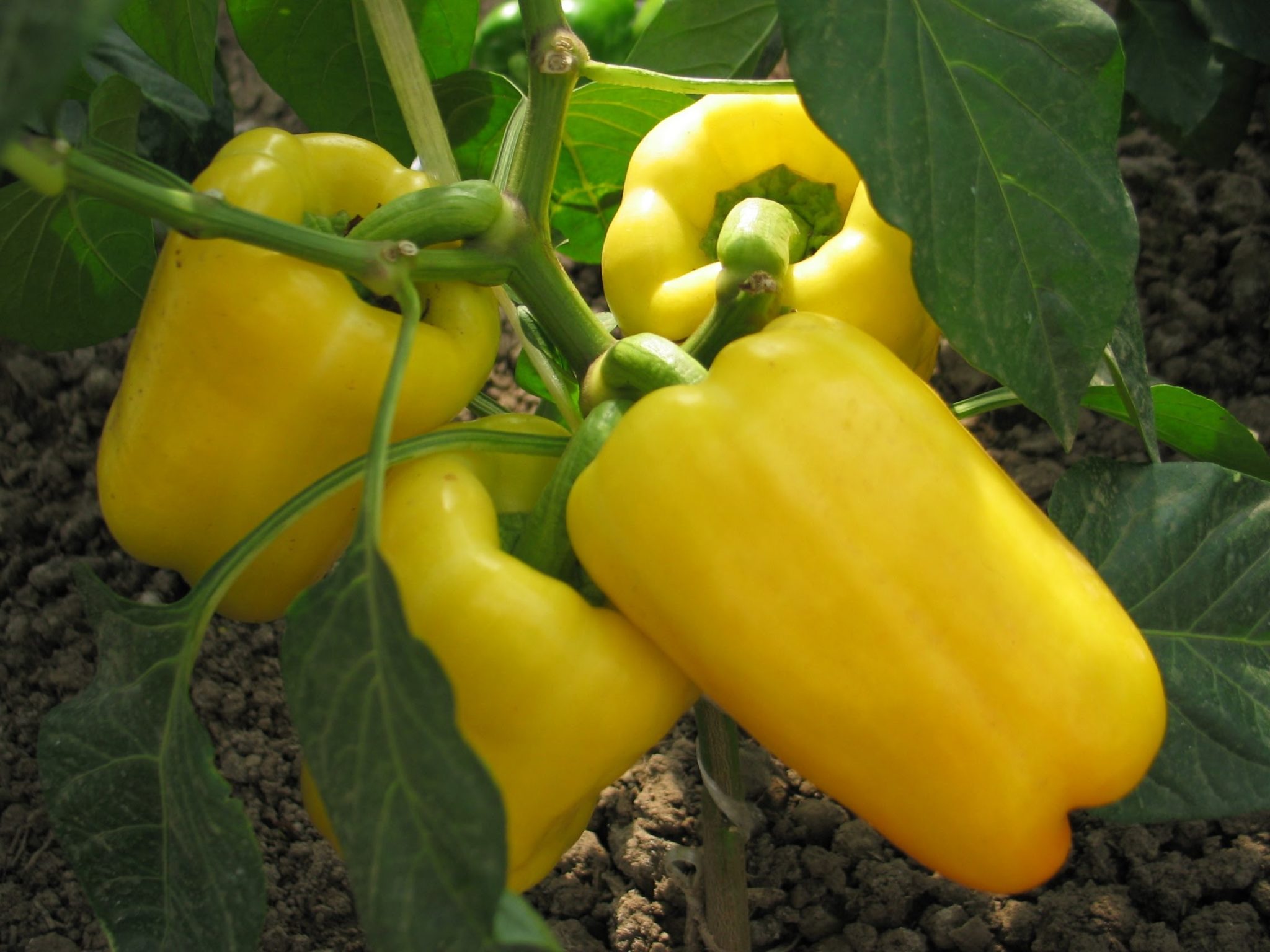
Before planting bell peppers outdoors, some soil preparation procedures should be carried out. Specifically, a farmer needs to:
- Preparation for planting this crop, as with most vegetables and root crops, begins in the fall. To do this, the soil in the garden or allotment is plowed and then loosened. The final stage of fall soil preparation is fertilizing with mineral fertilizers. Particular attention should be paid to mixtures containing potassium and phosphorus—these are the nutrients most needed by peppers.
- In the spring, before you begin planting vegetables, it's worth fertilizing the soil again. Add ammonium nitrate at a rate of 40 grams per square meter;
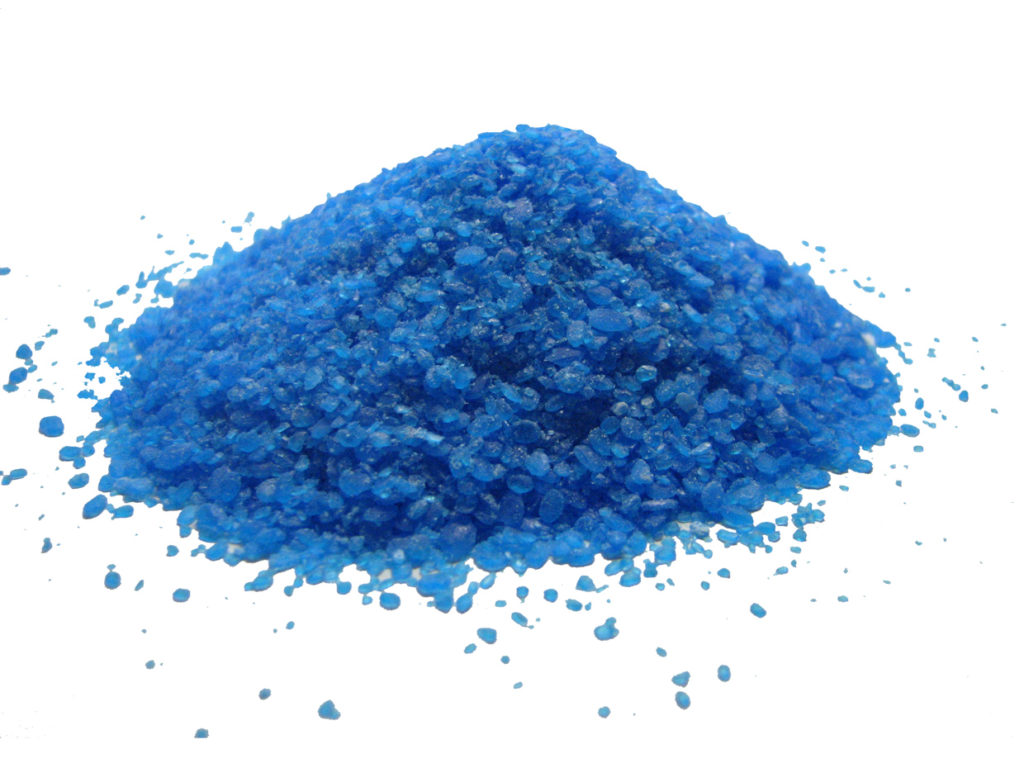
- The final step in soil preparation is saturating the soil with a copper sulfate solution. Add 1 tablespoon of this solution to a bucket of water.
There's one more thing to consider before you finally plant peppers in your garden. Let's say you want to grow several varieties of peppers at once. In this case, it's best to plant the seedlings farther apart. This is because these peppers can cross-pollinate during maturation. This can result in a different result than you expected. However, there is a solution. Divide your indoor pepper plantation with taller plants (corn, tomatoes, or sunflowers). This way, you can easily grow several varieties of bell peppers in your garden.
Video: Growing and Caring for Peppers
This video will show you how to properly grow and care for peppers.
Feeding seedlings
Peppers need to be fed, but you need to clearly understand the type of soil you're working with. Your choice of fertilizer should depend on its characteristics. Let's say you've decided to plant peppers in a greenhouse and filled it with regular garden soil. In this case, be prepared to fertilize the soil every 10 days. If you've taken a more thorough approach, using a specially prepared soil mixture for planting bell pepper seedlings, no more than three subsequent fertilization cycles will be sufficient.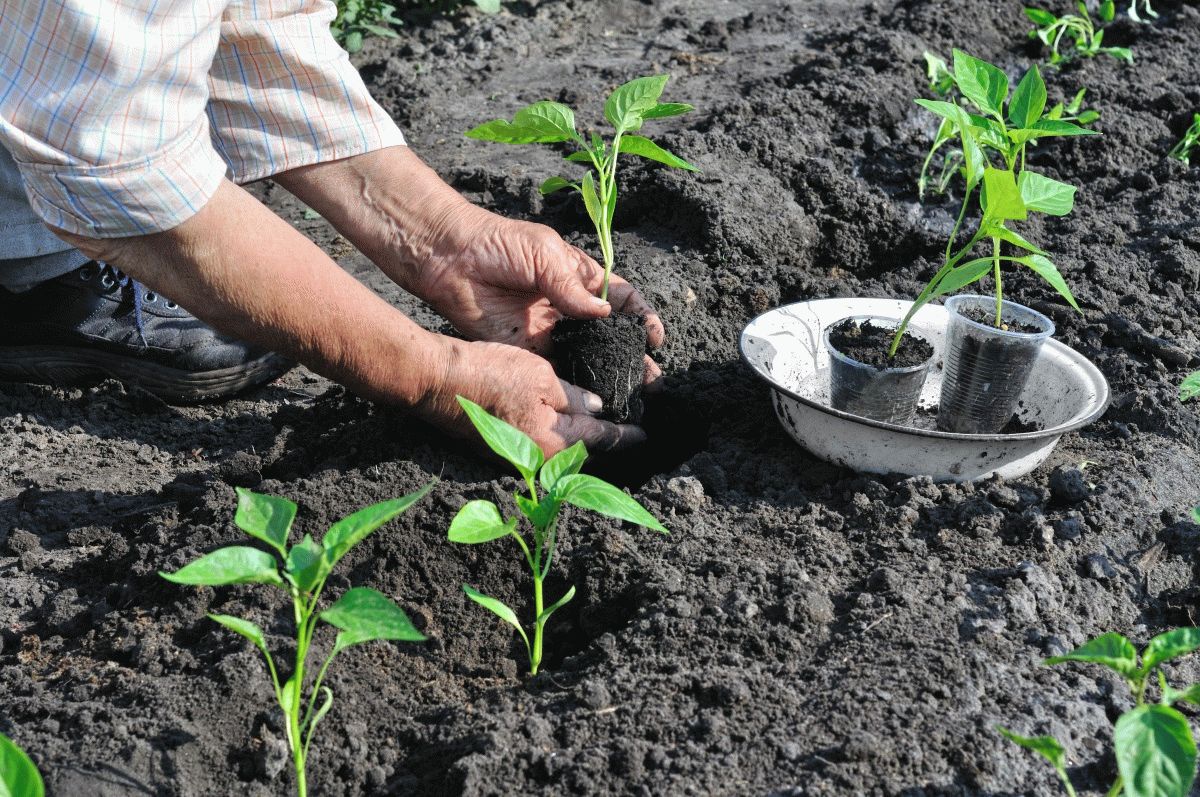
How do experienced gardeners get out of this situation?
Many prefer exclusively natural fertilizers. Shallow trenches are dug between the rows of seedlings and filled with manure or bird droppings. When can this procedure be carried out? It's best to do this after the seedlings have developed 2-3 leaves. When the bell pepper seedlings have grown noticeably, they should be pricked out, followed by the next stage of soil fertilization. You can use special complex mixtures, dry ash, or compost tea.
Fertilizing after planting
You can spend countless hours trying to determine the optimal location for planting bell peppers. But your efforts to grow a bountiful pepper harvest shouldn't end there. Particular attention should be paid to regularly fertilizing the soil with mineral fertilizers. This should be done not just once, but throughout the plant's development and fruit ripening. What fertilizers are suitable for bell peppers, and in what proportions should they be added to the soil?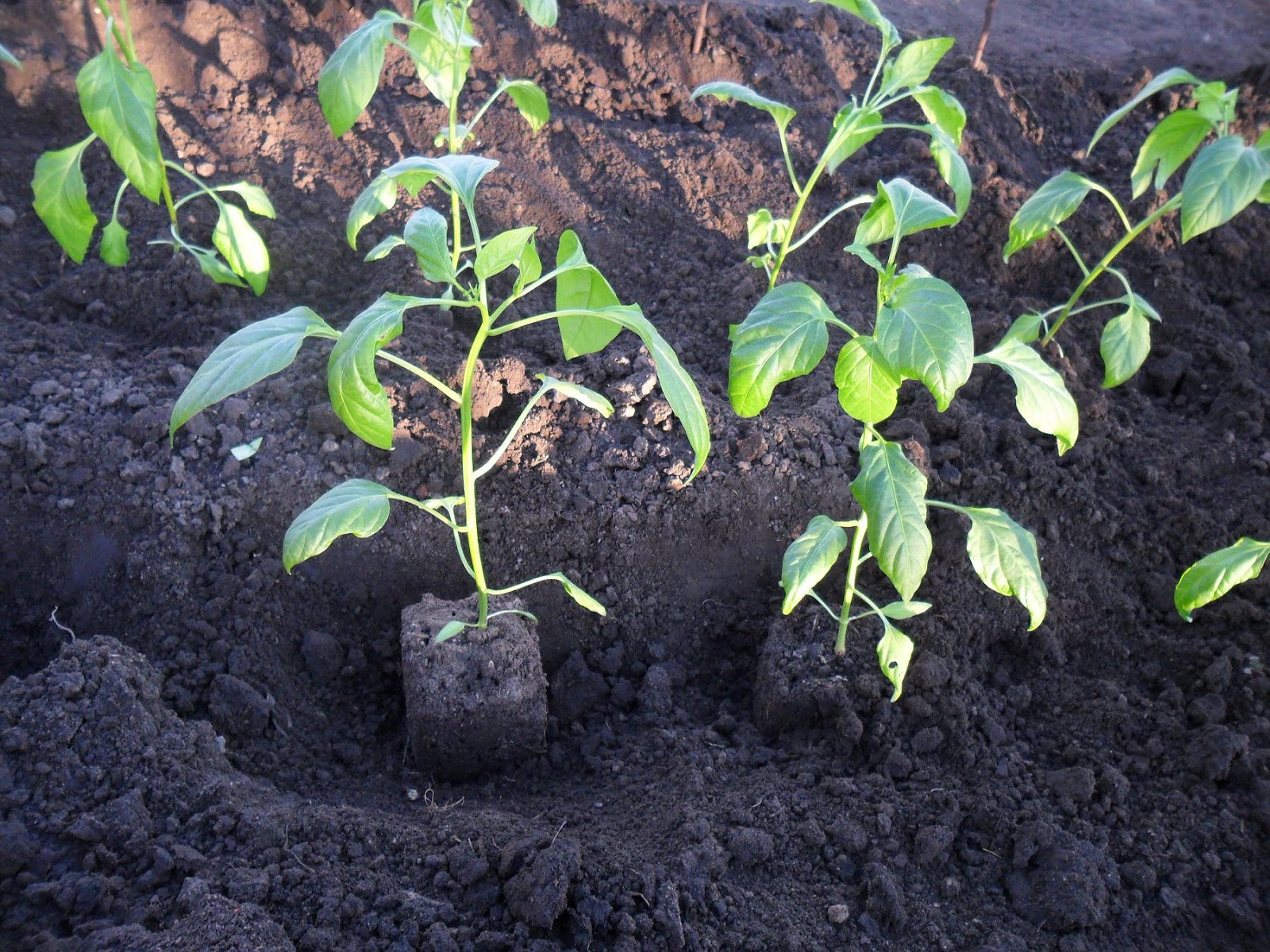
Among the variety of modern fertilizers, urea and phosphates are the most popular for this crop. But that's not all.
Today, many gardeners use potassium and phosphorus fertilizers, as well as folk remedies (cow manure or bird droppings), for fertilizing. It's best to feed peppers with natural mixtures.
For example, it's recommended to dilute cow manure with water at a ratio of 1:10. As for bird droppings, the ratio is 1:12. These types of fertilizers are considered the most versatile for bell peppers.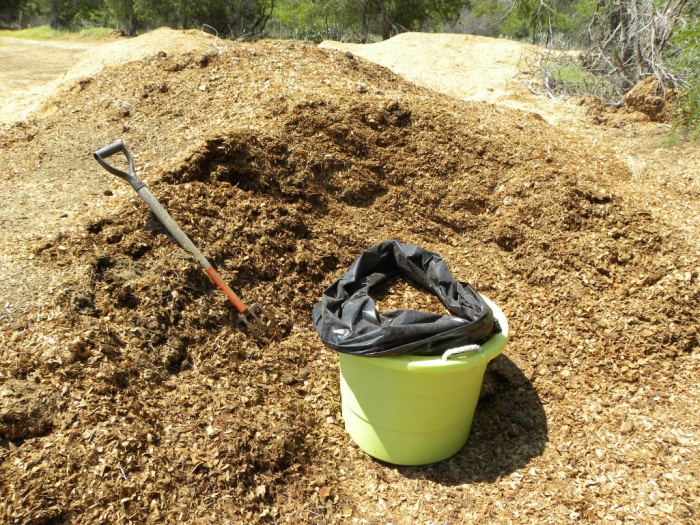
If you've chosen to fertilize your vegetable plant as a disease preventative and to strengthen the vegetative part of the plant, you can safely use general-purpose fertilizers. However, if for some reason you didn't fertilize the soil in advance, or if you did but noticed a deterioration in the appearance of your bell pepper seedlings, you need to act immediately. First, identify the problem and then promptly correct it. For example, if your plant isn't getting enough nitrogen, the vegetative part will begin to turn yellow over time. If leaf burns appear on the edges of your seedlings, a potassium deficiency is usually the cause. Sometimes, bell pepper bushes take on a purple tint: this means you need to add phosphorus fertilizer to the substrate.
Stimulation of fruiting
To prevent such problems, it's important to support the seedlings throughout all stages of their development. There are universal natural fertilizers for this, including nettle tea. How to prepare it? Grind the stems of this plant and then fill a barrel or container with them (approximately 2/3 full). Pour water over the greens. It's best to leave the resulting mixture in a dark place to allow it to ferment. After fermentation, which takes about a week, use the solution to fertilize the soil, diluting it with water at a ratio of 1:10. If you want to fertilize the soil for a more abundant bell pepper harvest, you can use a high-concentration nettle solution. To do this, add dandelion, chickweed, plantain, and other herbs.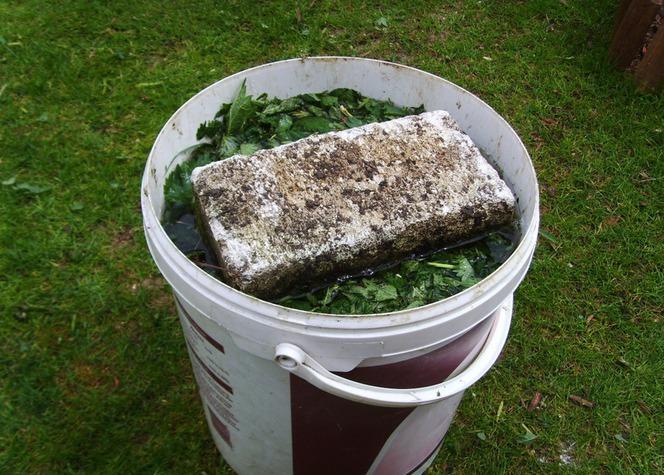
Stimulating fruiting is a good thing, but it's also undesirable to overdo it. Excessive amounts of fertilizer and too frequent fertilization can cause the branched portion of bell peppers to become woody. Moreover, sometimes the opposite can happen: if the soil is oversaturated with fertilizer, the fruits grow virtually empty inside, falling off long before the ripening period is complete.
Features of watering
Bell pepper varieties grown outdoors don't require much care. However, when it comes to watering, any mistakes are unacceptable, as they can be costly. Interestingly, regular watering is recommended for pepper seedlings; don't allow the soil to dry out. However, excessive moisture should also be avoided.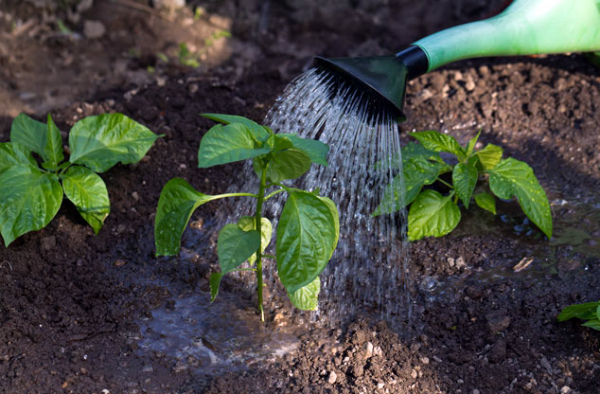
What rules should be followed regarding watering peppers:
- After planting seedlings in open ground, it's not advisable to water them immediately. Give them a few days to acclimate before performing the initial watering. Then, try to maintain the prescribed intervals until the seedlings begin to actively emerge.
- As soon as the sprouts turn green, it is recommended to water them daily;
- Be sure to use warm, settled water for watering - failure to follow these recommendations can lead to plant diseases;
- It is important that water does not fall directly on the pepper leaves;
- There must be drainage at the bottom of the seedling container. This will allow excess moisture to evaporate promptly.
By following these key recommendations, you're sure to enjoy a bountiful harvest of bell peppers. Furthermore, caring for them doesn't require a huge investment of money or effort.
Video: Growing Peppers in a Greenhouse
This video will show you how to effectively grow peppers in a greenhouse.