
Growing Peppers in a Greenhouse: Proven Methods
Content
Selecting a variety
Growing any crop begins with choosing varieties, and there are a huge number of them available commercially today. Pepper varieties are classified quite broadly:
- by ripening time: ultra-early, early-ripening, mid-ripening, late, very late;
- according to growing conditions: for greenhouses, for open ground, for film cover;
- by bush shape: low-growing, medium-growing and tall;
- by fruit color.
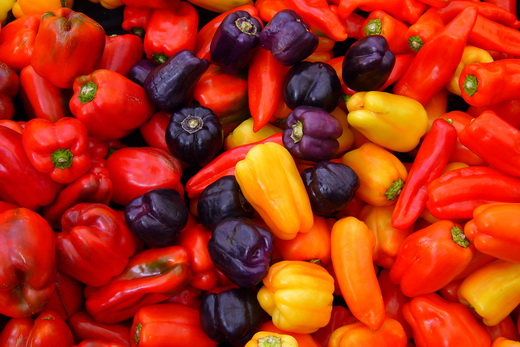
When planting in a greenhouse, choose only greenhouse-grade varieties. They are more weather-resistant, less susceptible to diseases, and self-pollinate. If you're a true connoisseur of this vegetable, plant several varieties with different fruit colors and ripening times. To harvest as early as June in a greenhouse, choose ultra-early varieties that bear fruit in 90-100 days: Zdorovie, Mustang, Ivolga, Kardinal F1, Fidelio F1, and Orange Miracle.
The following varieties produce excellent yields in greenhouses: Nezhnost, Nochka, Victoria, Othello, Elephant, and Accord. If you prepare preserves such as sauces, lecho, or ketchup, choose large-fruited varieties with thick, fleshy flesh: Gladiator, Ermak, Medal, and Claudio F1.
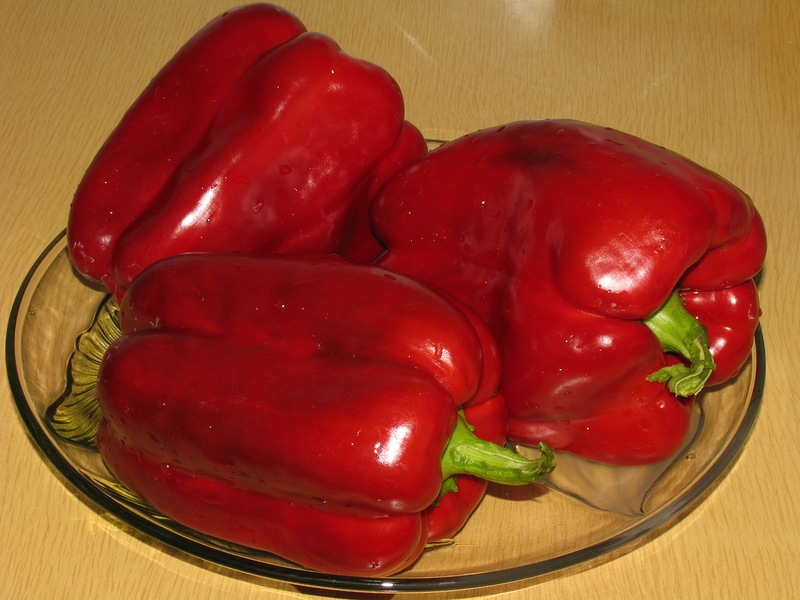
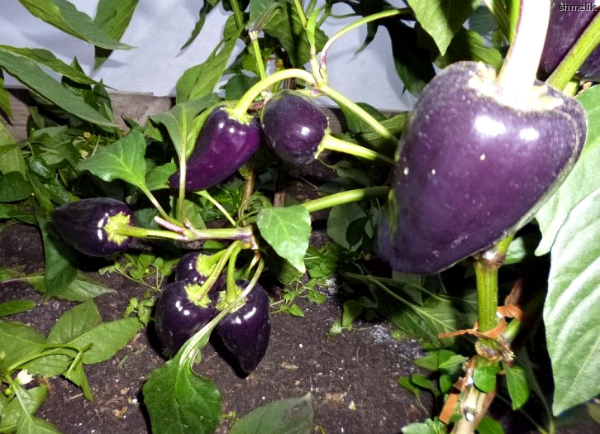
If your greenhouse is small, choose low-growing, compact plants such as Eroshka, Biryuza, Flamingo, Yunga, and Victoria. Unusual hybrids with vibrant purple fruits, developed relatively recently, will truly enhance your greenhouse and your table: Black Cardinal, Star of the East F1, Purple, and Purple Baron.
Video "Best Varieties"
From the video you will learn about the best varieties of peppers.
Planting and obtaining seedlings
In our climate, even in greenhouses, peppers, a heat-loving crop, are grown only from seedlings. Seeds should be sown two months before planting in the garden – approximately from late February to mid-March. The seedling growing process consists of the following main steps:
- preparation of planting containers with substrate;
- preparing seeds for sowing
- the sowing of seeds itself;
- and further care after the sprouts appear.
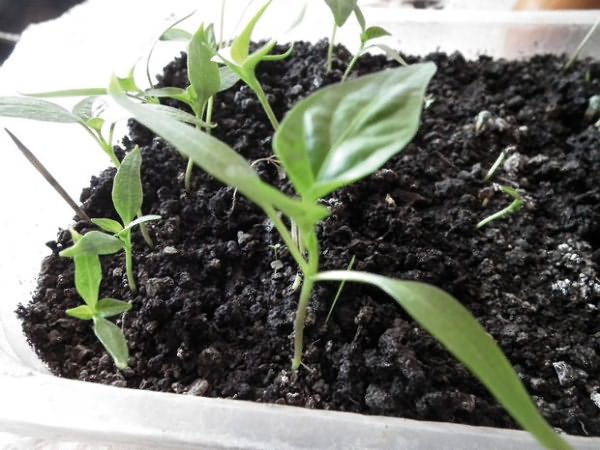
Now, let's take things one step at a time. For planting seeds, it's best to use disposable containers (they'll make it easier to remove the seedlings along with the soil), but boxes or containers can also be used. Peppers are very particular about soil composition, so the substrate should be fertile and rich in humus. A soil mixture consisting of soil and humus or compost in a 1:1 ratio is ideal.
Before planting, seeds need to be disinfected and germinated. To do this, select the largest and fullest seeds, place them in a potassium permanganate solution for 30 minutes, then rinse thoroughly with water. Next, prepare a solution of 2 tablespoons of salt and 1 liter of water, and soak the seeds in it for 10 minutes. Discard any seeds that float to the surface, and rinse those that sink to the bottom and dry them briefly on a piece of paper.
After this, soak the seeds again for 24 hours in any stimulating solution: ash solution, aloe juice, or special solutions containing humic acids. Then place them in damp cheesecloth and let them sit until the seed coats open. Sow the sprouted seeds, 2-3 at a time, immediately into the moistened substrate at a depth of 1 cm. If planting in containers, space the seeds 2-3 cm apart. After planting, cover the containers with glass or plastic wrap and place them in a warm place.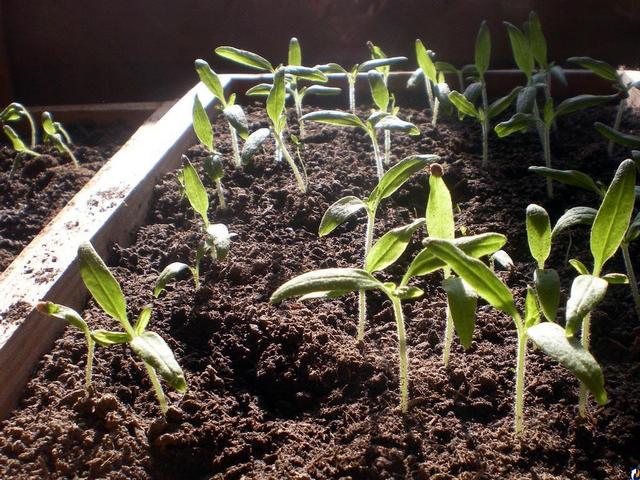
Pepper seeds will germinate in 2-3 weeks if the soil is kept moist, but the air temperature must be between 20-25°C. Once the seedlings appear, remove the glass and place the containers in a bright spot (such as a windowsill). Further care for the seedlings consists of regular watering and fertilizing with liquid organic fertilizer once every two weeks. Plants in containers are transplanted into individual containers when two true leaves appear, and those growing in disposable pots are thinned out, leaving one strongest seedling. At 60 days old, the seedlings are transplanted to their permanent location in the greenhouse.
Basic rules of cultivation
In temperate climates, peppers should be planted in a greenhouse in mid-May. If the greenhouse is permanent and heated, planting can be done a month earlier. Avoid trying to grow the vegetable year-round or in winter, as peppers are a southern crop, so warmth and daylight hours are crucial for yield.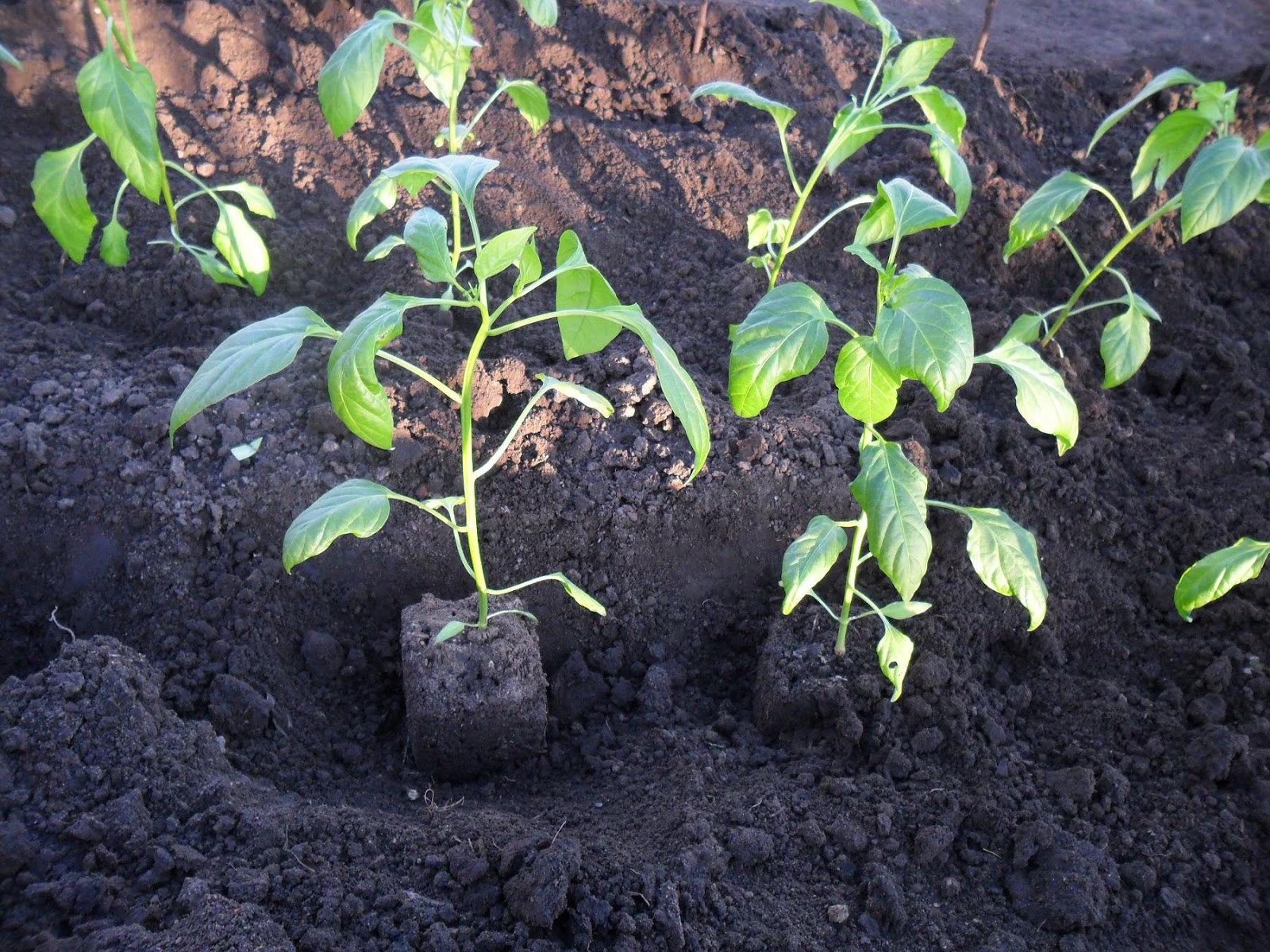
Since peppers are grown from seedlings, special attention must be paid to the quality and readiness of the seedlings for planting. Although pepper seedlings appear quite robust, they experience significant stress during transplantation, so only mature and prepared seedlings should be planted in a greenhouse. You can determine whether seedlings are ready for transplanting by the following signs:
- uniform, rich green color of the leaf blades;
- powerful and thick stem;
- the presence of 10-12 true leaves;
- the presence of developing buds in the leaf axils;
- height of at least 20 cm (ideally 25-30 cm);
- 55-60 days old from sowing seeds.
These seedlings are guaranteed to thrive in the greenhouse and will delight you with flowering and then fruiting in no time. But before planting, you need to prepare the bed:
- at the time of planting the soil should warm up to 15-18 °C;
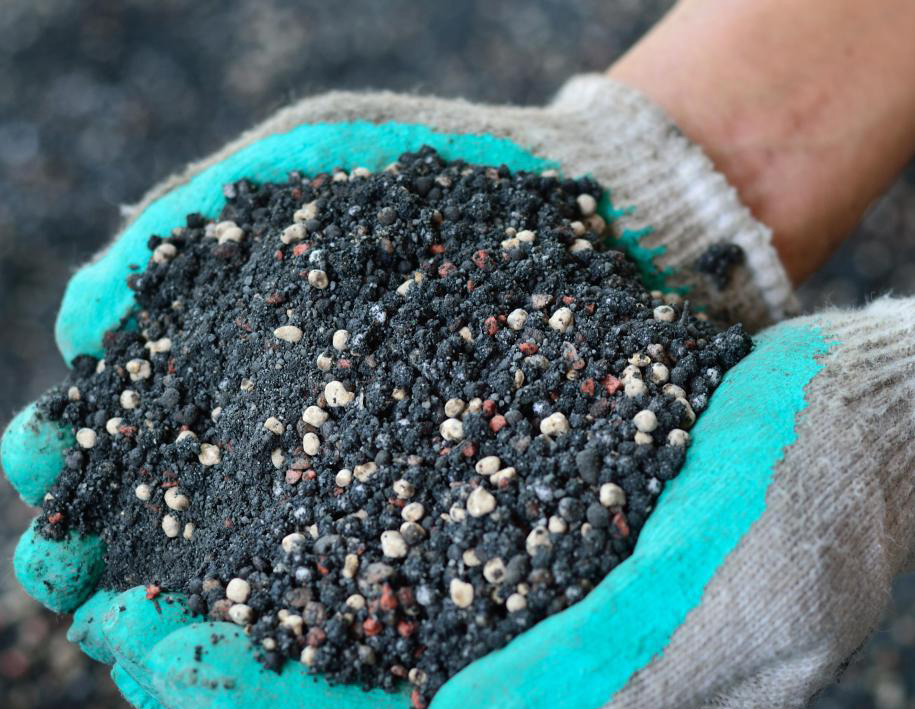
- 2-4 weeks before planting the seedlings, the bed needs to be dug up and fertilizers added at the rate of 1 m²: 1-2 buckets of humus or compost, 30 g of potassium chloride, 50 g of superphosphate and 40 g of ammonium nitrate - this is provided that the soil was disinfected after the last harvest.
The seedlings are planted according to a pattern determined by the pepper variety. Tall plants are recommended to be planted at a rate of 4-5 plants per 1 m² of planting area. The distance between seedlings should be at least 40 cm, and between rows 70-80 cm. For short plants, a denser planting is acceptable – up to 6 plants per m² with a distance of 30-35 cm between plants and 60-70 cm between rows. After planting, the plants should be thoroughly watered and the soil covered with mulch.
When growing peppers in greenhouses, it is necessary to create the most favorable microclimate:
- Plants should receive 12 hours of daylight. Deviations from this norm can lead to leaf drop and the cessation of flowering, so seedlings should be provided with light on cloudy days and shaded on very sunny days.
- The temperature in the greenhouse should be adjusted depending on the seedlings' development period. Before flowering, a temperature of 25-28°C is considered optimal. During flowering, care must be taken not to exceed this temperature, as this can cause the flowers and ovaries to drop. It is important to keep the difference between day and night temperatures within 5°C.
- Watering should be moderate but regular. Plants respond to both insufficient and excessive moisture by dropping their leaves.
- Air humidity. A humidity level of 65-75% is considered comfortable for peppers. A sudden change in these parameters can also cause peppers to lose leaves, fruit buds, and deteriorate fruit quality. Furthermore, high humidity can promote the development of fungal diseases.
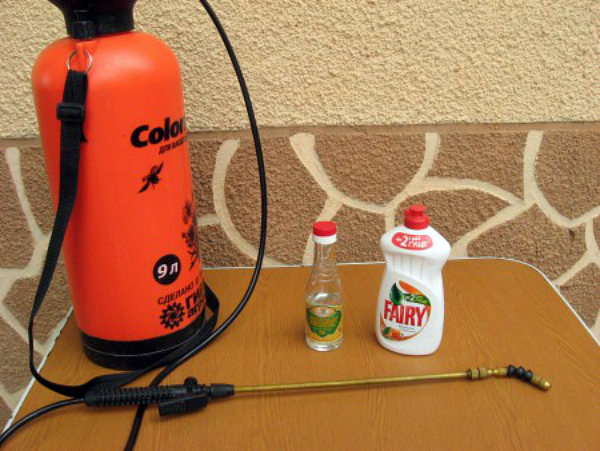
- To ensure vigorous growth, peppers need frequent feeding (at least once every two weeks). For this purpose, it's best to use natural organic fertilizers: mullein or an infusion of grass, commonly known as "green tea," applied by watering at the roots. You can also spray the plants with boric acid from time to time.
- To improve the quality and quantity of fruit, it is recommended to pluck the first buds during flowering. This procedure helps the bush strengthen, which will then produce more flowers and fruit buds. Peppers grown in greenhouses need to be tied to a support, even if the bushes are low-growing. This is because pepper branches are quite fragile, and to prevent them from breaking under the weight of ripening fruit, it is best to tie each shoot to a trellis.
Diseases and pests
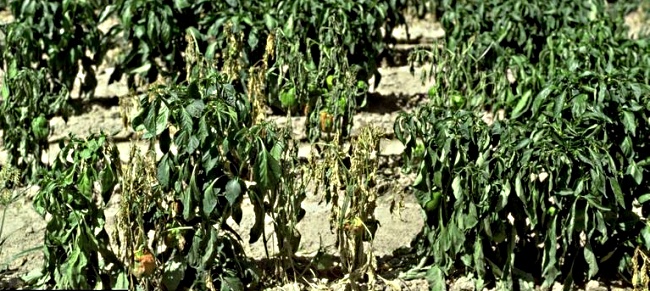
Like any vegetable crop, greenhouse peppers can be damaged by diseases and pests. The most common diseases of this crop are:
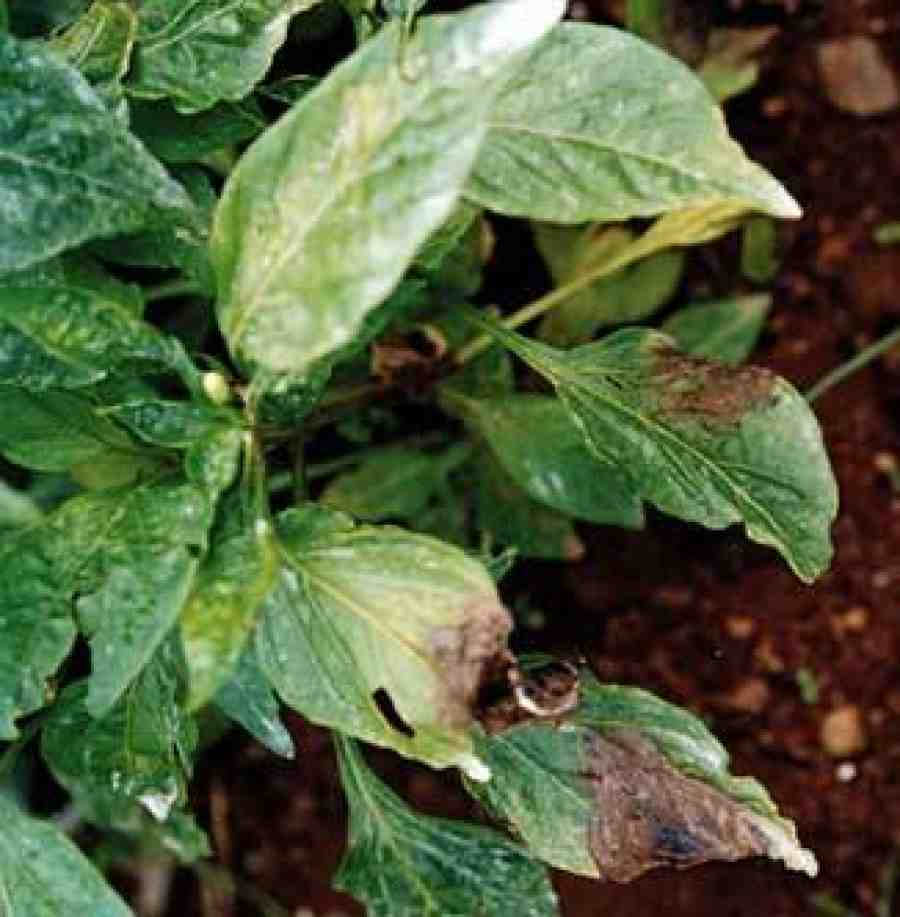
- Late blight. The late blight fungus is the most insidious enemy of nightshade plants, including peppers. It manifests as dark spots with lighter edges on the leaves, gradually leading to damage to all parts of the plant and fruit rot. It develops in greenhouses due to humidity and temperature fluctuations. For prevention, it is recommended to treat peppers with Bordeaux mixture, and during the disease, with Fitosporin.
- Blackleg. A fungal disease that attacks the lower part of the stem, leading to the death of the roots and eventually the entire bush. The disease quickly spreads to neighboring bushes, so all plants can be affected within 3-4 days. The only way to prevent infection is to destroy the affected bush. Preventative measures include disinfecting the soil before planting.
- Bacterial spot. This fungus manifests itself as rotting, water-soaked spots on all parts of the plant, including the fruit if it's bearing fruit. As an immediate response, it's recommended to treat the bushes with an antifungal agent and replace the soil after harvest.
- White rot. A fairly common fungal disease affecting greenhouse peppers, it manifests as soft, white-coated spots on the leaves, starting at the top of the plant. The stems also become thinner, leading to the gradual death of the plant. Control measures include treatment with copper-containing products (Hom, copper sulfate). The greenhouse should be regularly ventilated, and watering and nitrogen fertilization should be discontinued.
- Fusarium wilt (fusarium wilt). It can affect plants at any age. Symptoms include yellowing and wilting of the upper leaves, and darkening and drying of the pepper stalks. The only preventative measure is seed disinfection before planting. Affected plants should be removed from the garden as soon as possible and burned.
Peppers planted in greenhouses are also often attacked by harmful insects. The most active pests in greenhouses are greenhouse whiteflies, spider mites, click beetles, and their wireworm larvae.
Whiteflies and spider mites can only be controlled using insecticides: Fosbecid, Actellic, Karbofos. Wireworms live in the soil, so they need to be removed using traps: pieces of raw potato are placed in holes, and after a few days, the larvae crawl in. High humidity in a greenhouse often attracts slugs. They can be repelled from peppers by spreading lime, mustard powder, or ash between the rows.
Harvesting
Greenhouse peppers are harvested at different times, determined by the variety's characteristics. Another important factor is the ripeness of the fruit, which can range from:
- technical. Occurs 35-45 days after ovary formation, at which time the fruits have already reached their maximum size, but are still unripe;
- Biological. The fruits have reached full ripeness: they have acquired the characteristic color, flavor, and juiciness of the variety, and the seeds inside are fully ripe.
-
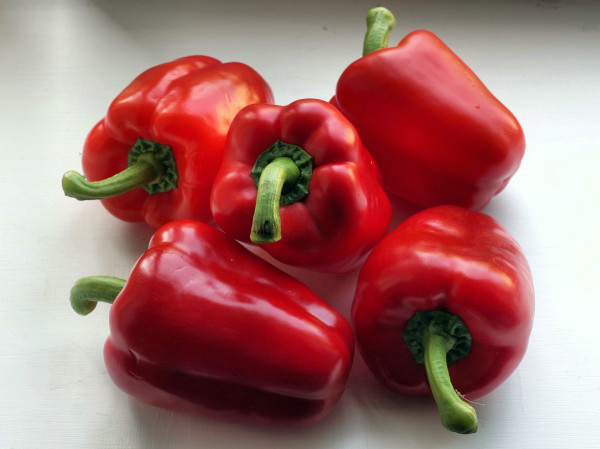
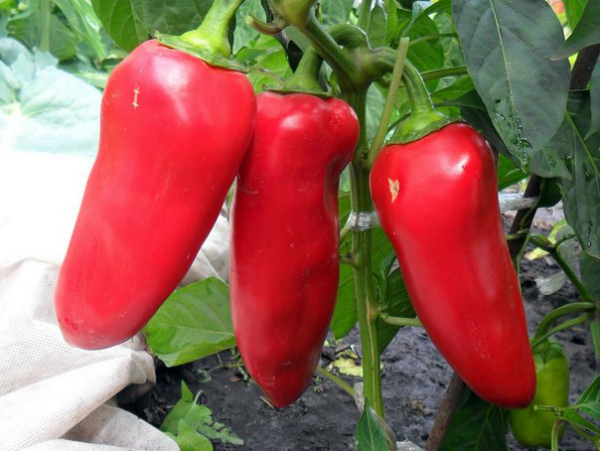
Peppers harvested at technical maturity ripen beautifully in a cool, dry place (10-12°C) and will keep for up to two months. Therefore, it's recommended to remove the peppers from the plant at this stage for storage. Harvesting should be done carefully, as the plants are very fragile. It's best to cut the peppers off the stems; this will extend their shelf life and prevent the branches from breaking. Since the peppers ripen gradually, 2-3 per day per plant, harvesting should be done as they ripen—from mid-July to September, and sometimes even longer.
For immediate consumption and seed collection, it's recommended to keep peppers on the plant until they reach full biological maturity. These vegetables are tastier, juicier, and more flavorful, but they don't store well. If you're aiming for seeds, select several of the largest, highest-quality peppers from the lower tier of the plant, place them in a warm, dry place, and wait until the skins dry. Peppers for seeds can also be left to ripen on the plant until late fall; this will yield even better seeds.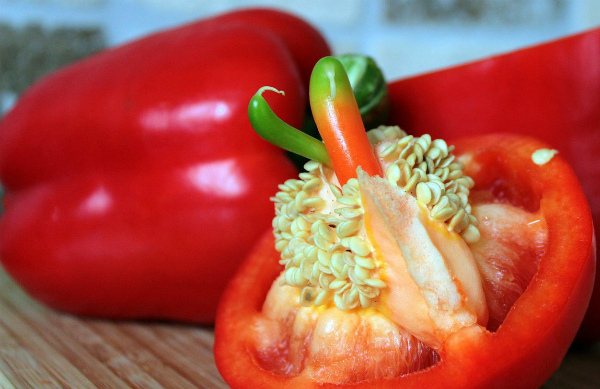
In late autumn, ripe peppers are picked from the bush, placed in a paper bag, and stored there until the skins dry. The dried peppers are then cut open, the seeds removed, and stored in a paper or cotton bag until completely dry. The dried seeds are packaged, always indicating the variety and harvest year. Seeds have a shelf life of three years, but older seeds can produce vigorous sprouts.
Video "Growing and Care"
From the video you will learn how to grow and care for peppers.