
Step-by-step guide to growing pepper seedlings from seeds for beginners
Content
Planting in open ground with seeds
The first option you can take is growing pepper seeds directly in the ground. This is considered riskier, as sowing pepper seeds directly into the ground can result in failure to take root and germinate, as weather conditions dictate the outcome. However, if you live in the southern region and don't want to bother with seedlings, you can try growing peppers indoors in the ground.
Selecting a variety
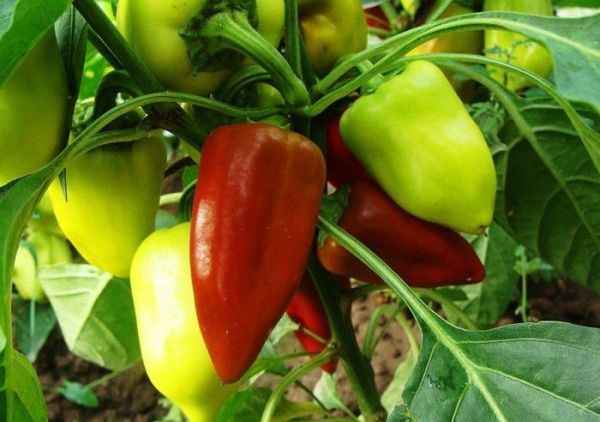
The very first thing you need to do is choose the pepper variety whose seeds you'll plant in your garden. Avoid early varieties; it's best to plant mid- or late-ripening peppers. Recommended varieties include Adjika, Astrakhansky, Chudo Podmoskovya, and Dvoynoe Izobilie.
Necessary conditions for growing
The main condition for planting this vegetable crop with seeds in open ground is a warm climate.This vegetable is very sensitive and frost-sensitive, so if you live in a cold region, it's best to abandon this idea. If you decide to plant seeds outdoors, wait until the weather warms up and there are no longer any sudden temperature drops.
Sowing dates
As mentioned earlier, peppers don't tolerate low temperatures well, so they should be planted in the summer. If this is important to you, you can, of course, consult the lunar calendar to determine the most favorable date for planting. However, most often, seeds are planted in the first half of June (around the 6th or 7th). By this time, there should be no more cold weather, so the peppers will be able to grow directly in the ground without any problems.
Selecting a location and preparing the soil
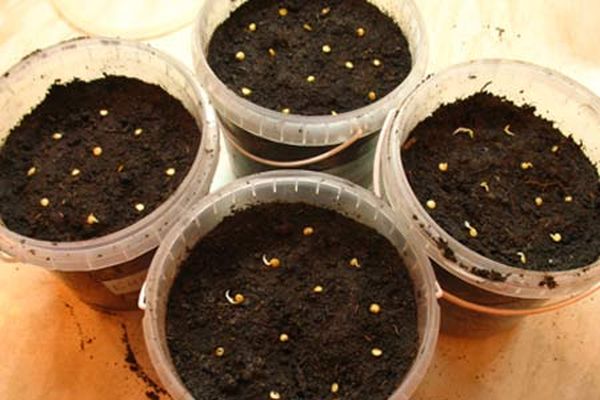
This vegetable crop grows best in light and fertile soil, so try to avoid "heavy" soils, where the planting material will definitely not take root. To properly prepare the soil, you need to consider adding organic fertilizers that will warm the soil (as mentioned earlier, this plant loves warmth). To do this, thoroughly till the soil before planting and add organic matter. Manure and peat diluted with water are suitable. Afterwards, loosen the soil again.
Sowing rules
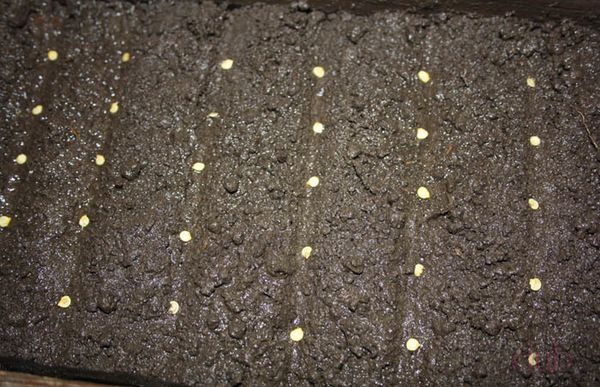
Wait for a cool day to begin sowing (it's best to do this in the evening). To sow the seeds properly, place about 5-6 seeds in prepared holes filled with soil and humus. Avoid placing one seed per hole—this reduces the chances of success. Once the seeds are in the hole, cover them with soil and water them with settled water. The seeds don't need to be buried deeply—a depth of about 3 cm is sufficient. The distance between holes should be about 30 cm.
Watering and fertilizing
How to grow pepper seeds outdoors? As mentioned earlier, after planting, the future plants are watered and covered with plastic wrap until the first shoots appear. The plastic wrap is usually removed after 5-10 days, at which time the first fertilizers are applied. Ash-based or yeast-based liquid fertilizers are excellent options.
Shaping and other care
All further steps involve thinning twice as the bush develops. The first time, this should be done when 2-3 leaves appear (leaving 2-3 plants per hole). The second thinning is performed after 5-6 leaves appear, and it is at this stage that you should leave the strongest bush. Also, if frost or hail is expected, it is recommended to cover the seedlings with agrofibre to ensure they remain undisturbed.
Planting with seedlings
Growing pepper seedlings is a much less dangerous method than the previous one. You can easily grow pepper seeds at home, as the success of this venture won't depend on weather conditions. Therefore, we'll now discuss in detail how to grow peppers from seeds at home.
Selecting a variety
The choice depends on the conditions you plan to grow the vegetable in. If you have a greenhouse, you can grow absolutely any variety there, as the conditions there are most suitable. If you're growing seedlings on a balcony, the following varieties are excellent: Ilya Muromets, Karapuz, Igrok, and Orange Miracle. But ultimately, it all comes down to personal preference.
Necessary conditions for growing
Growing pepper seedlings at home requires certain conditions. These include:
- Air and soil temperature. The indoor air temperature should be at least +25°C, and the minimum soil temperature should be +18°C.
- Good lighting.
- Regular watering and loosening of the soil.
- Optimal air humidity (if this point is violated, there is a high probability of flowers falling off).
- Pest control and regular inspection of bushes for insects.
Sowing dates
When calculating sowing dates, keep in mind that seedlings are usually planted every 60–80 days. Of course, depending on the specific variety chosen, this timeframe may shift slightly. It's also worth remembering that by the time the seedlings are planted, the soil should be sufficiently warm. Based on this, you can calculate the exact planting dates.
Container and soil
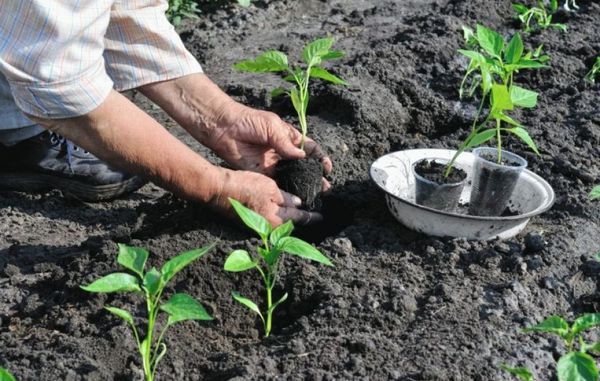
Almost any container, whether a peat pot or a plastic cup, is suitable for this procedure. Before adding soil to the container, it must be disinfected. This can be easily done by washing the pots in a solution of potassium permanganate or with laundry soap. Peat pots or paper cups are ideal, as they allow the seedlings to be planted in the soil without having to remove them from the container (the material the cups are made of decomposes).
The soil should be light and loose. You can purchase a ready-made substrate or prepare it yourself. To do this, mix soil with sand and turf (2:1:1), and add a tablespoon of wood ash and superphosphate (per 10 liters of soil). Also, keep in mind that it's best not to use garden soil, and disinfect the mixture you prepared (with potassium permanganate) before planting.
Sowing rules
Firm the soil in the pots so that it's no more than 2 cm from the rim. Next, plant the pepper seeds about a centimeter deep, and space the pots 3 cm apart. Cover with plastic wrap or glass and leave in a warm place. It's also recommended to prepare tags with the variety names in advance to avoid confusion.
Further care
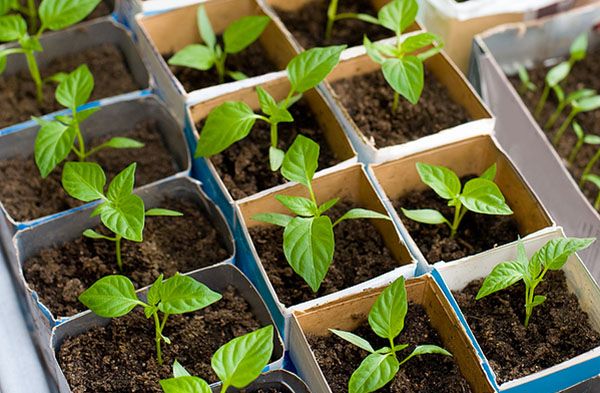
How to grow pepper seedlings? During the first week, roots begin to form, during which time the temperature should be between 14 and 16°C. During the second week, the temperature is increased to 25°C during the day and 17°C at night.
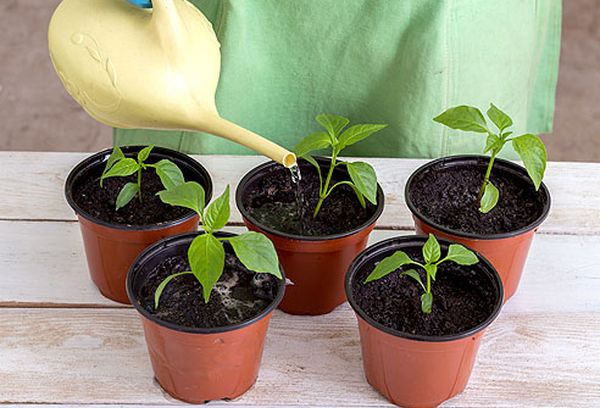
Water the seedlings once a week. Fertilize them—a solution containing calcium soda (one tablespoon per bucket of water) is an excellent option. Also, ensure adequate light, as this is crucial for seedling growth. Once your seedlings have developed two leaves, you can transplant them to encourage lateral and adventitious root growth.
Also, don't forget to harden off the plants by taking them outside into the fresh air as they grow (but try to avoid drafts!).
Planting in the ground
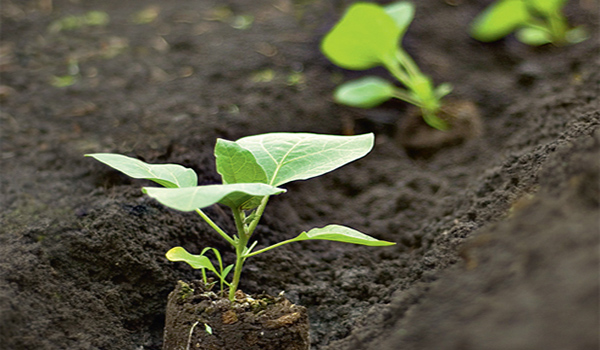
Planting can begin after the first buds have appeared and at least eight leaves have emerged. By this time, the stems are about 2.5 cm long. The key is warm soil (which is why peppers are planted outdoors from late May to early June). The plants are removed from their pots (or not, if peat pots were used) and placed in the hole until the first leaves appear. After this, they are covered with soil and carefully tied to prevent breakage.
Pest and disease control
Fungal diseases are the most common, so if you spot any of these on your seedlings, you can treat them with fungicides (choose a type depending on the disease) to get rid of the infestation. Peppers are also often attacked by aphids, spider mites, and slugs. Insecticides are effective against the former, while mites can be controlled with a soapy solution containing onion or garlic infusion. Tobacco dust is also effective against slugs.
Video: Planting Peppers
This video will show you how to plant peppers correctly.