
Growing hot peppers on a windowsill: fertilizing and care
Content
Popular varieties
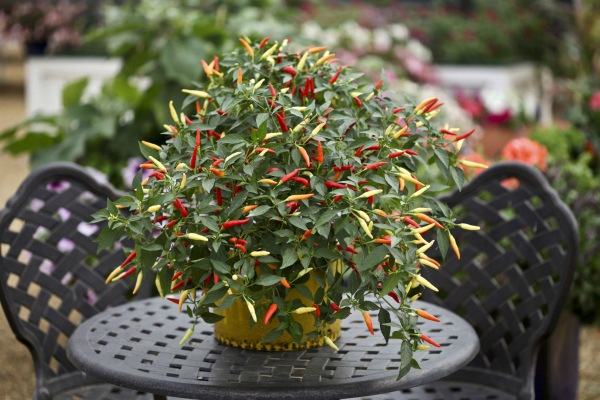
Ornamental varieties bred specifically for indoor use are more suitable for growing on windowsills. These peppers are low-growing (up to 50 cm) or even dwarf (about 20 cm tall), and their distinctive features include numerous brightly colored fruits and a long, undulating ripening process. Compact green plants, speckled with round or oblong peppercorns in red, orange, or purple, look quite impressive on windowsills and bring a cheerful mood on a cold winter day. Besides providing aesthetic pleasure, hot peppers can also be used to season your favorite dishes.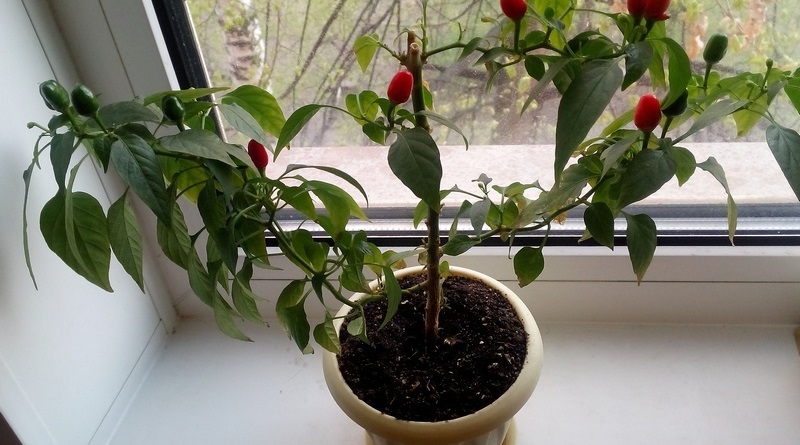
If you prefer classic red peppers, you'll surely appreciate the varieties "Aquarelle" and "Falcon's Beak," with their small, cone-shaped fruits; or "Karat," "Dwarf," and "Kolobok," with their miniature, round fruits; as well as the "Medusa F1" variety, with long (up to 7 cm) fruits gathered in dense clusters, reminiscent of the tentacles of a jellyfish. Don't overlook the wonderful Dutch variety "Little Miracle," also with cone-shaped but very small peppercorns.
Lovers of exoticism and bright colors can choose more decorative and unusual varieties:
- Confetti is a low-growing, highly branched bush with tiny round peppercorns of yellow, red and purple colors;
- Lilac Cone is a dwarf plant with dark foliage and bright purple cone-shaped peppercorns;
- Goldfinger - cone-shaped fruits of bright yellow or orange color;
- Bishop's Crown - red, but very unusually shaped fruits, which are a real exotic addition to any home interior;
- Queen of Spades – miniature pointed peppers of yellow, red and purple colors on one bush;
- Indian Summer – tiny round peppers the size of a lingonberry, white when ripe, red when fully ripe;
- Rowanberry is a miniature, dense shrub covered with round yellow and purple fruits.
The striking contrasts in fruit color are due to the fact that indoor peppers have virtually no dormancy period, so flowers, green ovaries, ripening and already ripe fruits can be found on a single bush at the same time.
Video "Types of Peppers"
From the video you will learn what types of peppers there are.
Seed preparation
When choosing seeds, remember that varieties for year-round indoor cultivation must be self-pollinating; otherwise, the plants will have to be pollinated by hand, which will affect the yield and add additional care. Any seeds, whether purchased at the store or collected at home, should be soaked in water for several days before planting to speed up germination.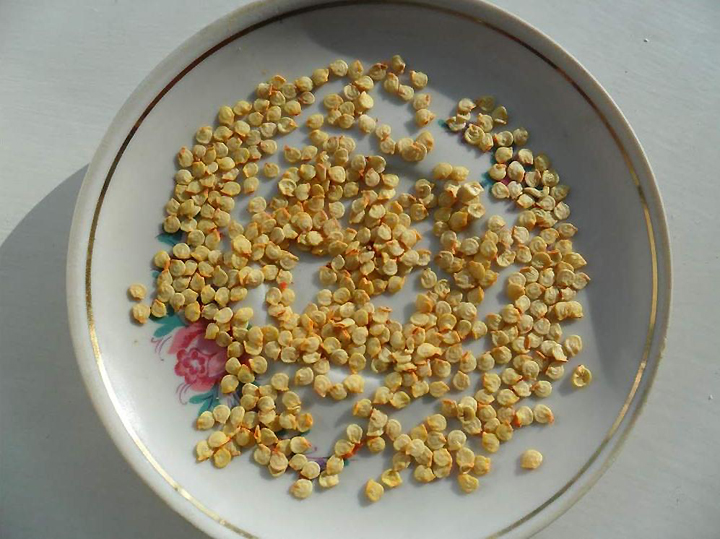
Before soaking, the seeds are first disinfected - they are kept in a 1% solution of potassium permanganate for half an hour and only then placed in warm water for 2-3 days. Alternatively, the seeds can be wrapped in a wet cloth, which should be constantly moistened during these 2-3 days.
Natural growth stimulants, such as aloe vera juice or an ash solution, can help speed up the germination process. These ingredients can be added to the water in which the seeds are soaked. It's best to sow seeds for seedlings in late February or early March, but given the year-round crop cycle, these timings may vary.
Landing
Hot pepper cultivation is generally similar to sweet pepper cultivation, but since ornamental peppers will be growing in a pot for several years, it's important to select high-quality containers, preferably clay, with a drainage layer (expanded clay or crushed stone) at the bottom. Plastic containers can be used for growing seedlings.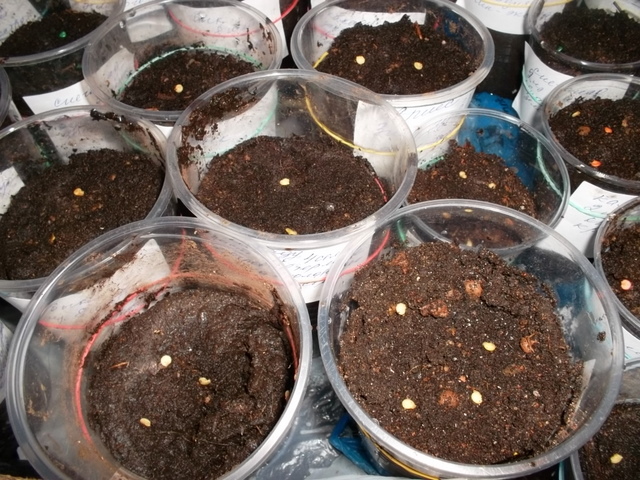
As for soil, it's best to buy it from a flower shop for indoor plants—it's already disinfected and contains all the necessary fertilizers for the initial stage. When using garden soil, the mixture should be calcined or thoroughly watered with potassium permanganate, then mineral fertilizers should be added.
Pepper seeds are planted in shallow furrows (1-1.5 cm) or spread over the surface, then covered with a layer of soil. Next, the future seedlings should be watered, covered with plastic wrap, and placed in a warm place (23-25°C) for 1-2 weeks, until shoots begin to emerge. When the plants have 2-4 leaves, they are transplanted into individual pots. For normal growth and fruiting, the pot capacity per plant should be at least 2 liters.
Top dressing
Like all perennial fruiting crops, hot peppers quickly deplete the soil and therefore require regular fertilizing. Without it, the plant will quickly become stunted and stop producing fruit. Potted peppers should be fertilized every 2-3 weeks, starting when the seedlings have 3-4 true leaves. You can use both organic and mineral fertilizers, but a combination of both is best.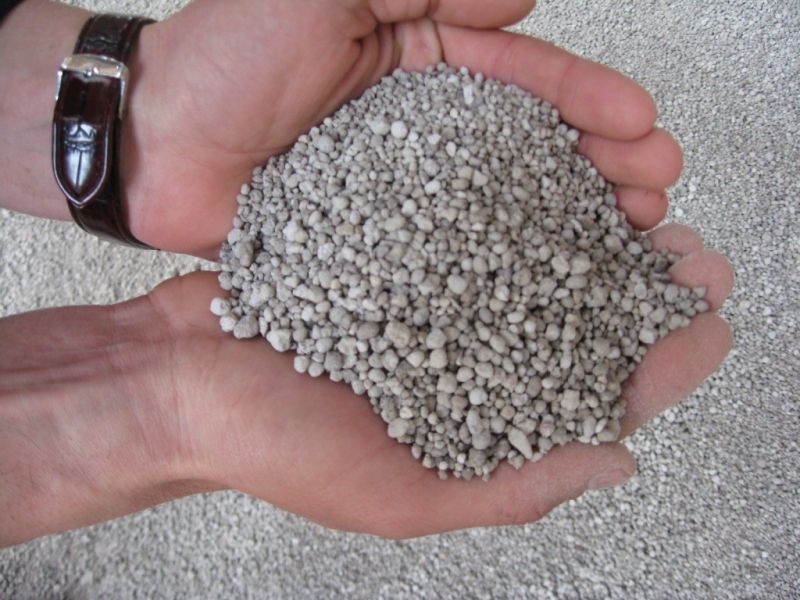
For watering, you can use ready-made dry mixtures and combined liquid fertilizers: Agrolife (1 teaspoon scattered over the surface), Rostok (1 cap/2 l of water applied under the root), Kemira-Lux, Superphosphate, potassium sulfate.
During flowering, peppers can be sprayed with "Zavyaz" (Ovary), which has a positive effect on the number of flowers and ovaries. However, ash remains a favorite fertilizer for peppers. It is used as a foliar fertilizer at a rate of 2 tablespoons per 3 liters of water, at any time, but at intervals of 10-14 days.
Care
To ensure hot peppers will grace your home for a long time and provide a bountiful harvest, you only need a few things: warmth, light, and moisture, and, of course, some fertilizing. Water the plants exclusively with warm, settled water twice a week (more frequently during hot weather), loosening the soil each time. It's important not to let water stagnate in the pots, as this will lead to root rot and the death of the plant.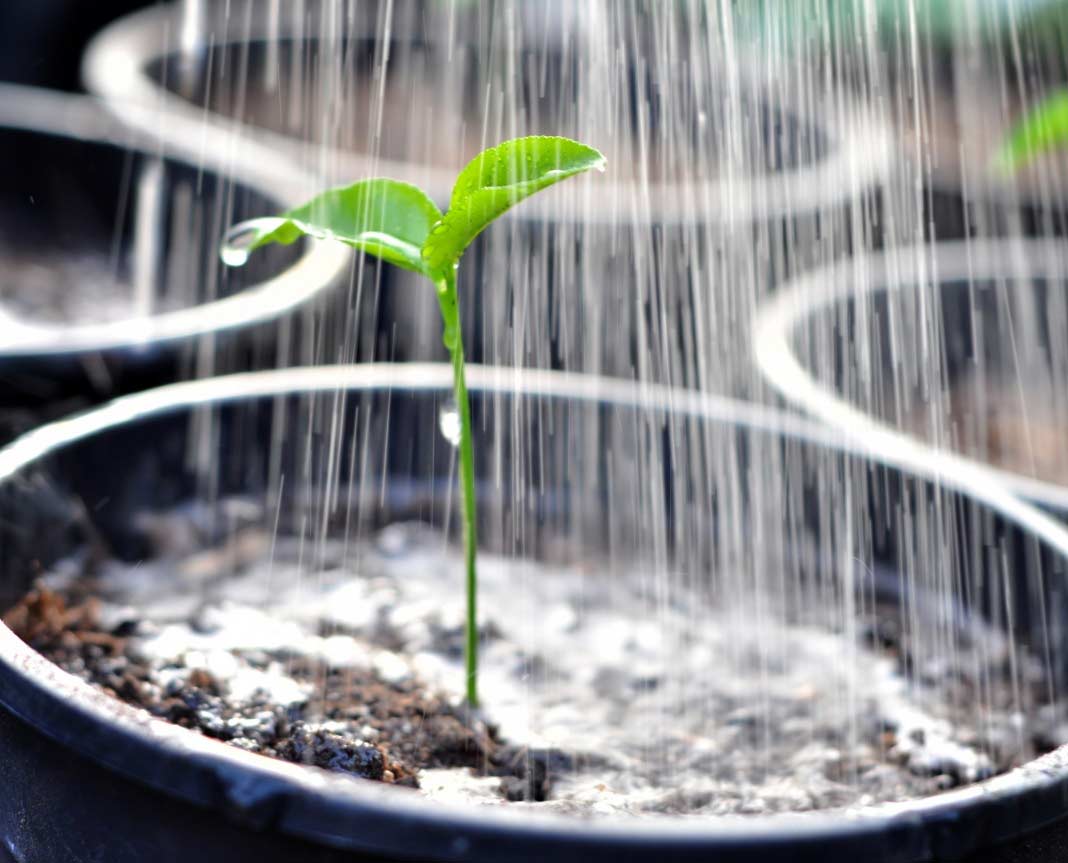
In spring, the pepper pots should be rotated periodically to ensure the plants receive sunlight from all sides. For active fruiting, at least 15 hours of daylight are needed, so in winter, the plants should be illuminated with lamps. During the summer, the pots will thrive on the balcony, but when cold weather sets in, they should be brought back indoors. By following these simple steps, the first harvest can be achieved in approximately 2-3 months.
Video: Growing Peppers
This video will show you how to properly grow peppers at home.