
Bell Pepper: Growing and Care Tips in a Greenhouse
Content
Selection of planting material
Before anything else, you first need to decide on the type of seed. After all, the nuances of the necessary agricultural practices, as well as the key characteristics of the harvest, depend on its choice.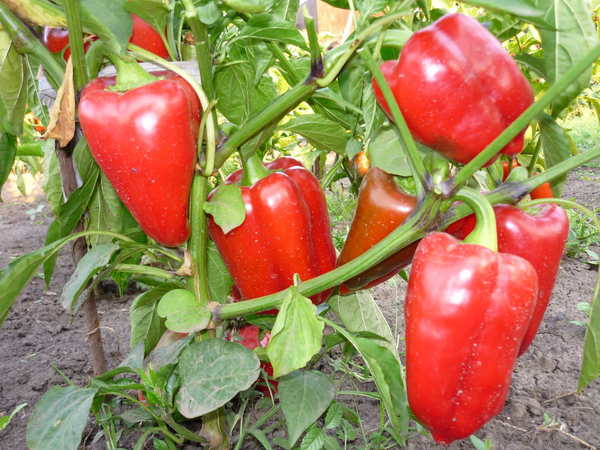
Today, there's a wide variety of bell pepper varieties. However, not all varieties are suitable for indoor cultivation (greenhouses). The following varieties are most often grown indoors:
- Ermak. This large-fruited variety is characterized by high yields. In one season, the bushes can yield two crops, each consisting of 250-gram fruits;
- Medal. The plant produces red fruits. They ripen gradually. Fruiting can occur year-round. This means you can get a decent harvest even in winter. The average pepper weight is approximately 150 grams;
- Gladiator. Also a large-fruited variety, the bush produces bright yellow peppers with thickened walls;
- Black cardinal. The main characteristic is the fruits, which are dark purple.
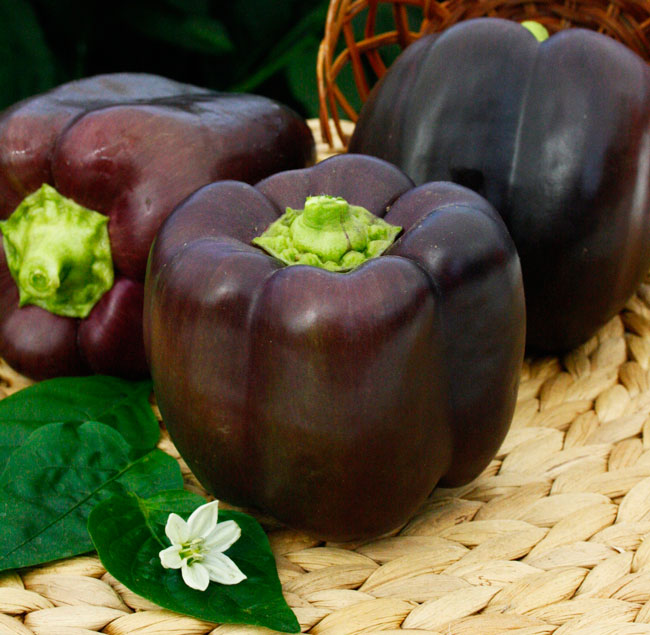
Experts also recommend choosing the following varieties for indoor planting: Nochka, Orange Miracle, Winnie the Pooh, and Nezhnost. These are the best choice, as they were specifically developed for growing indoors. The following pepper varieties have also been reported to perform well in indoor growing environments: Zdorovie, Othello, Elephant, Victoria, and others.
When choosing a variety, always consider the climate of the region where the pepper bushes will be planted, even though they will be protected from adverse weather conditions by special structures.
When choosing varieties of bell pepper, you should consider the following parameters listed on the label:
- ripening time;
- ripening temperature;
- watering;
- number of feedings, etc.
It's also important to consider the manufacturer. After all, imported planting material may simply not thrive in a particular region of our country.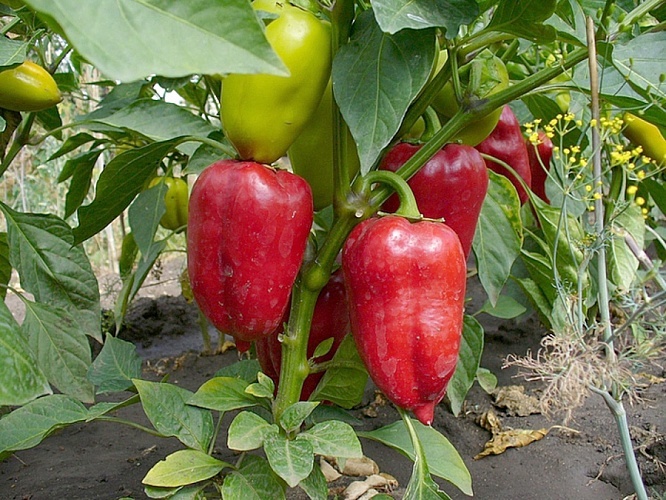
When choosing planting material, it's important to consider how the harvest will be used. If you plan to eat the fruit fresh, choose large-fruited varieties. These varieties ripen quickly. If you're growing peppers for canning, choose small-fruited varieties.
Video: How to Grow Seedlings
This video will show you how to effectively grow pepper seedlings for planting.
Obtaining seedlings
Bell peppers are propagated using seedlings. Seedling preparation (sowing seeds) begins in March. First, gather all the necessary supplies:
- containers. Wooden boxes are ideal for this purpose;
- Fertile soil. It's best to use moist compost, as this crop is sensitive to the percentage of nutrients in the soil;
- the planting material itself.
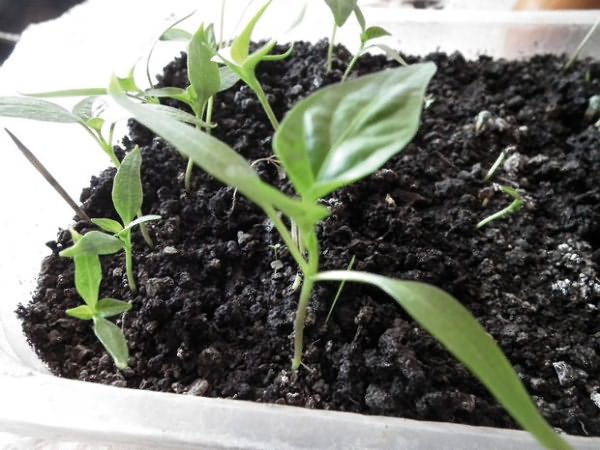
The prepared soil is poured into a container. The selected seeds are placed in a growth stimulant solution for 10-12 hours. Afterwards, they are washed and wrapped in a damp cotton cloth.
Planting of seedlings occurs in such a way that the distance between two adjacent seeds is no less than 2 cm.
The planted seeds should be covered with dry compost. Next, a "micro-greenhouse" is created. For this, the boxes are covered with paper and glass. This structure should remain in place until germination occurs, which often takes 14-21 days. During this time, the soil must be regularly moistened.
The room temperature during germination should be maintained at 21 degrees Celsius. Once the seedlings have strengthened and grown a bit, they are pricked out. For transplanting, choose individual small pots with a diameter of approximately 20 cm. This is the amount of space the root system requires for its full, healthy development.
A distance of 40 cm should be maintained between seedling containers. The indoor temperature should be maintained at least at 18°C. Light is also important. If it's insufficient, the seedlings will become overly elongated and pale in color.
The seedlings require proper care. Regular watering and fertilizing are essential. If all conditions are met, the bushes will begin to branch quickly. Avoid allowing the green mass to become overgrown. When the bushes reach 15 cm in height, remove the apical bud. This will allow the bush to be properly shaped. The more lateral shoots, the more abundant the harvest.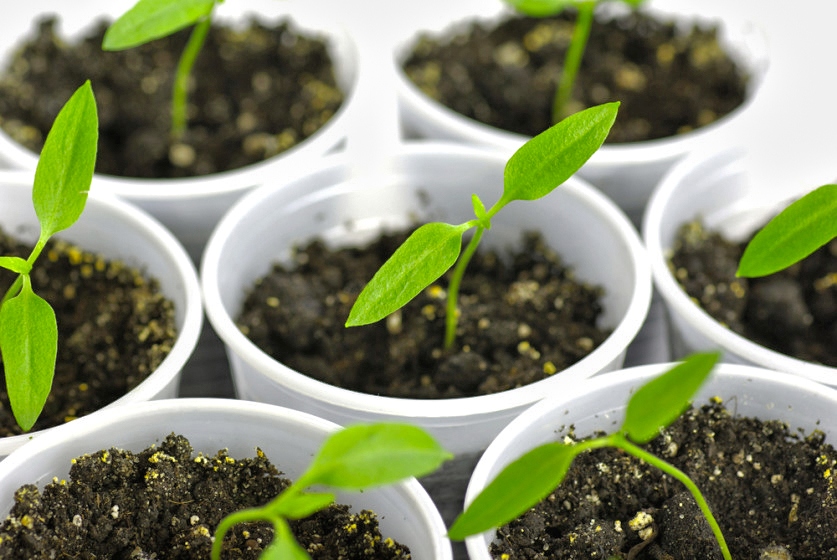
Tall plants can also be grown indoors. However, to prevent them from breaking under the weight of the fruit, it is recommended to tie them up.
Landing
When growing any vegetable crop, planting and care play a key role in obtaining a future harvest.
Sprouted pepper seedlings are transplanted using small containers filled with sandy loam soil. The temperature in the closed container should be appropriate. The soil temperature should be at least 15°C, and the air temperature should be around 20°C.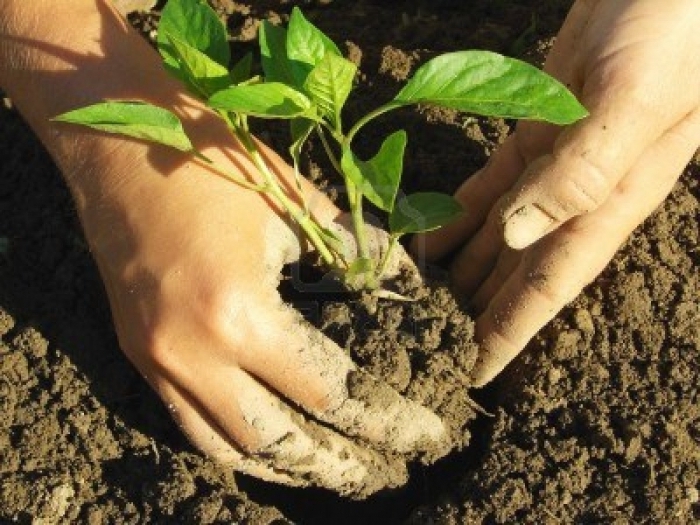
The planting method is determined by the variety. All important agronomic considerations should be indicated on the packaging. However, there are general recommendations that apply to all varieties. These include the following:
- future bush seedlings are planted in prepared beds with a double-row tape;
- there should be an empty space of 20 cm between the growing seedlings;
- the distance between bush rows is 80 cm.
Once the planted seedlings have established themselves and grown to a fairly tall height, they are supported using wooden supports. They should be about 50 cm high.
When the seedling begins to bloom, remove the flowers from its first branch. It's recommended to leave two shoots. Then, preserve the strongest stem in each branch, and pinch out the remaining shoots after bud formation.
Bell peppers in a greenhouse require constant care, which must include:
- periodic loosening of the soil;
- regular watering;
- maintaining a constant air temperature;
- Good lighting. It's best if the greenhouse is made of polycarbonate, which allows diffused light to pass through well.
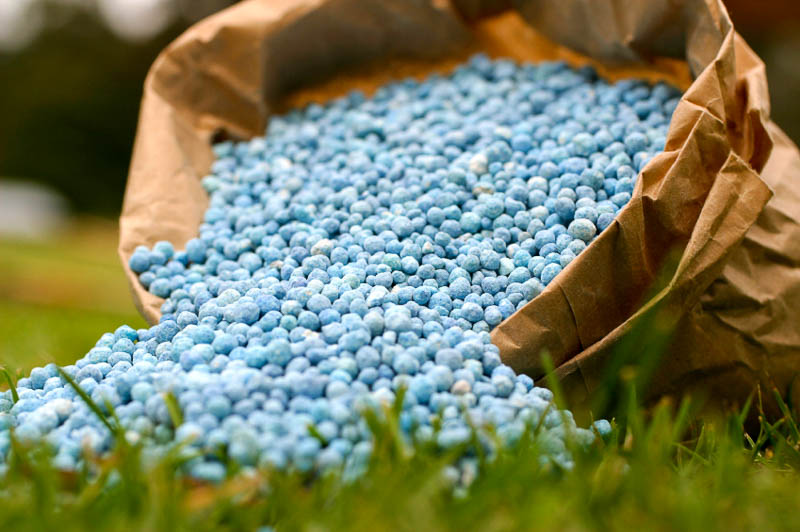
As for fertilizing, each variety has its own requirements. The vast majority of varieties should be fertilized every 7 days. Complex fertilizers are best. However, mineral fertilizers should be used during the first phase of bush growth.
As we can see, caring for bell peppers in a greenhouse does not require a significant investment of effort and is extremely simple to implement.
Basic rules of cultivation
To achieve a good harvest, you need to adhere to a specific growing technique. This involves adhering to the following rules:
- For high-quality and successful germination, optimal humidity levels in the room must be maintained. The temperature should be regulated between 20 and 25 degrees Celsius.
- After the seedlings have sprouted, the temperature is lowered. This will allow the plants to harden off well;
- After 2 weeks of germination, the seedlings should be fertilized with a solution of mineral fertilizers;
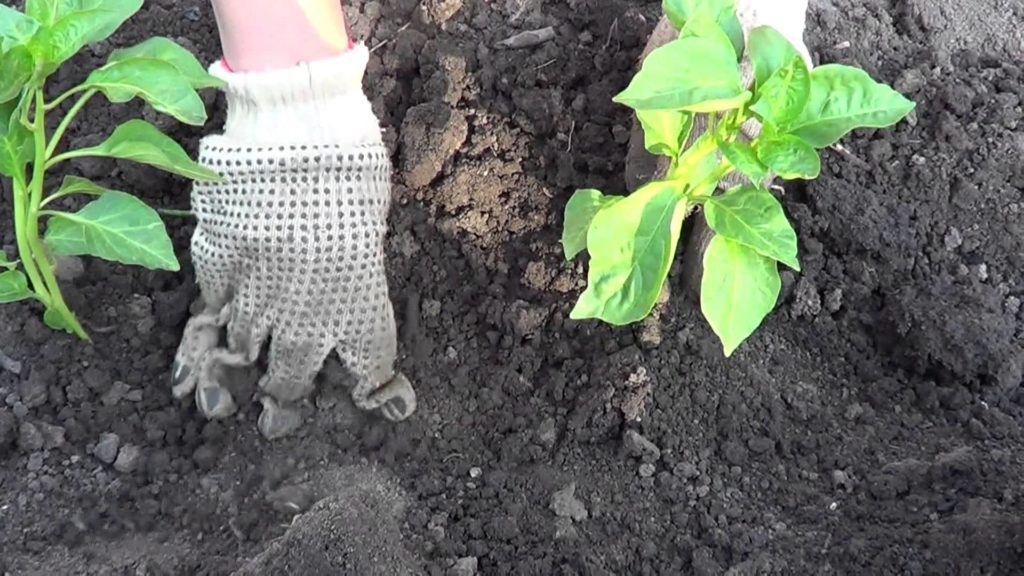
- seedlings are transferred to closed ground after two months;
- The optimal planting soil is light, with a neutral pH. Sand and peat can also be added;
- Humus, ash, and mineral inclusions can be used as fertilizer. However, experts do not recommend fresh manure.
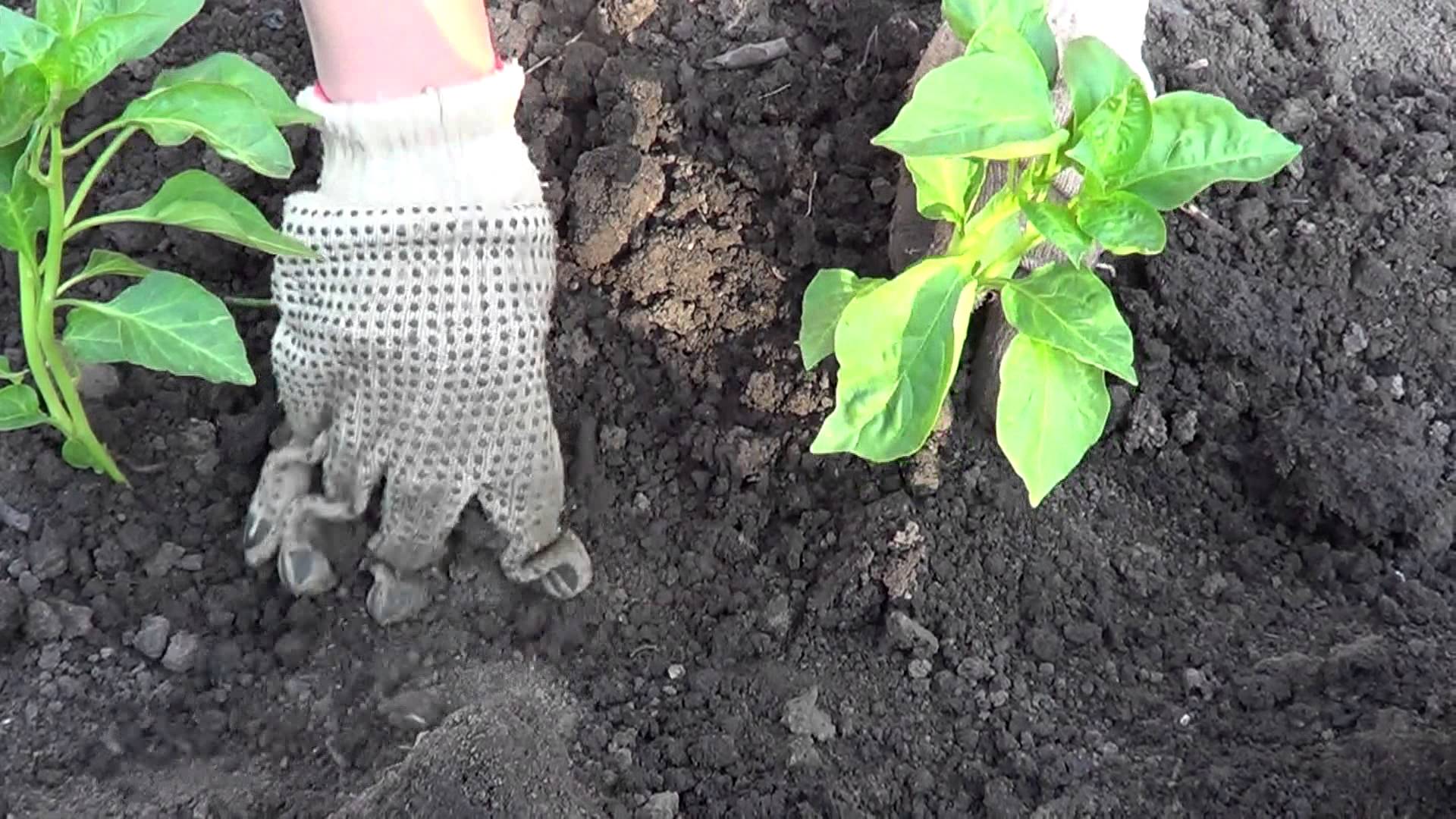
Watering is essential for pepper seedling care. This should be done only at the roots. The plants do not tolerate even short-term drought.
Don't forget to ventilate the greenhouse periodically. The temperature inside should be maintained between 18 and 25 degrees Celsius. Remember that sweet peppers are extremely sensitive to sudden temperature changes.
Secrets of a good harvest
Growing almost any vegetable crop has its own secrets that allow it to produce excellent fruit. Our subject today is no exception. The following growing secrets apply:
- The seedlings need to be hardened off a couple of times. The pots containing the seedlings should be taken outdoors overnight. Hardening off should only be done once warm weather has settled in. This procedure will allow the bushes to better adapt to their new growing location;
- Bell peppers are planted either in boxes or special bags, which are filled with a suitable nutritious mixed humus;
- Approximately 7 days before planting, young bushes should be treated with potassium salt. This stimulates plant growth. Instead of salt, growth stimulants can be used for peppers;
- Bushes should be inspected periodically for dried and diseased leaves. Such leaves should be removed immediately. Barren shoots should also be pruned;
- To ensure that the formed fruits ripen faster, it is necessary to harvest the ripened crop in a timely manner.
-
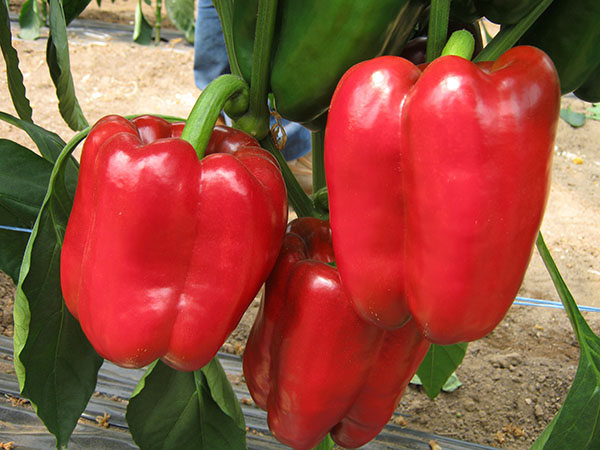
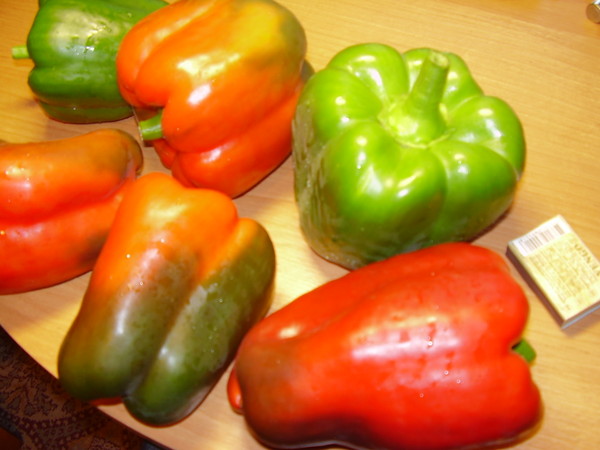
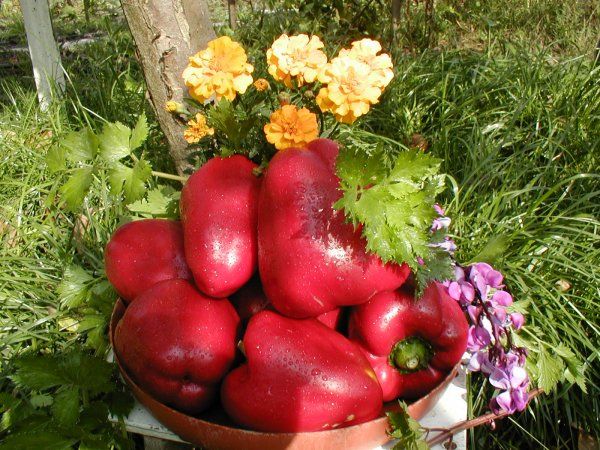
Experienced gardeners do not recommend growing different varieties of peppers in the same greenhouse. This can lead to cross-pollination, which can result in uncharacteristic flavors for the fruits.
Knowing the above secrets, growing peppers in a greenhouse will be easy, and the harvest will be tasty and abundant.
Diseases
Pathogenic microflora is one of the main obstacles to a good harvest. If an infected plant isn't treated promptly, the disease can spread, infecting pepper plants throughout the entire indoor planting.
Sweet peppers are most often affected by the following diseases:
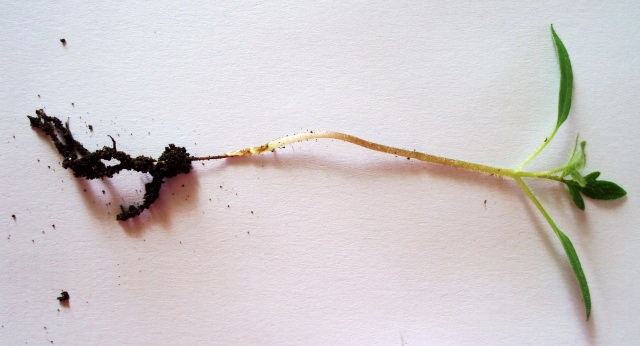
- Blackleg. The causative agent is a fungus that attacks the shoot and root system. If left untreated, the bush will die. The disease spreads very quickly to other bushes. Timely disinfection will help combat the disease.
- Bacterial spot. Caused by a bacterium, it affects bushes at various stages of development. Spots appear on infected areas. These can develop on both leaves and fruits. Water-soaked bumps often develop on the fruits. To combat the disease, affected bushes are sprayed with special solutions.
- Late blight. One of the most common diseases of greenhouse plants. It causes fruit rot and can also affect the green parts of the plant. The disease is characterized by the formation of dark spots with a light green tint around the edges. The main causes are temperature fluctuations and high humidity. This pathogen is controlled by spraying infected pepper plants with a solution of Bordeaux mixture.
The most common cause of greenhouse plant diseases is improper care. Therefore, if plants become ill, it's important not only to spray them with the appropriate solution but also to eliminate the underlying cause. Only then can pathogenic microflora be completely eliminated.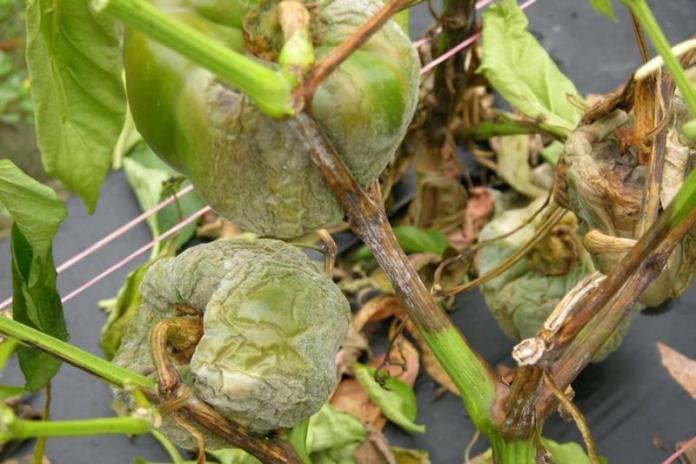
To prevent the development of diseases, each planted bush should be periodically inspected for the first signs of illness. This procedure should cover all greenhouse plantings.
Harvesting and seed collection
Once the bushes have ripened, it's time to begin harvesting. At the same time, you can stock up on seeds for the coming season.
The yield of this crop is directly proportional to the effort invested in its development, as well as the proper implementation of all agricultural practices and care. Only then can one expect a truly abundant and delicious harvest. However, the approximate yield varies for each variety.
Bell peppers are harvested from the bushes when they reach technical maturity. Harvesting is carried out according to the following rules:
- The fruits must be fully formed and meet the visual characteristics of their variety. Full maturity occurs in approximately 20-25 days;
- It is recommended to cut ripe peppers promptly to prevent them from becoming overripe;
- You need to cut it from the bush with the stalk using a knife or scissors.
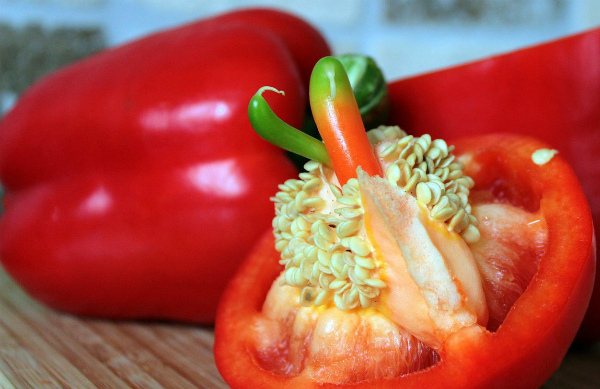
Once the harvest is complete, the seeds can be extracted. This is a delicate procedure, as next year's harvest depends on its accuracy. To collect pepper seeds, select a single plant. It should exhibit the maximum characteristics specific to the variety.
You can obtain seed material by performing the following manipulations:
- The largest pepper samples are taken. They should be placed at the bottom of the third tier;
- The selected peppers should not be cut until the end of summer;
- also, the ovaries need to be removed from the selected bush;
- When the time comes, the specimens are cut and placed in a paper bag. They are stored there until the fruits dry out;
- The dried pepper specimens are cut open and the seeds are collected. They are placed in a paper bag, labeled with the variety, collection location, and date.
Pepper seeds collected using this algorithm should retain their viability for three years. However, in practice, older seeds produce healthier and stronger plants.
Bell peppers are an excellent crop that can be grown in a greenhouse without any problems. Care is simple, and the plant itself only requires regular watering and fertilizing.
Video "Landing"
This video will show you how to properly plant seedlings in open ground.