
Growing sweet peppers in our garden
Content
Choosing a variety
Today, there are many varieties of sweet peppers, differing in fruit size, color, shape, and wall thickness. Each variety also has its own growing secrets. This vegetable requires light, as it belongs to the heat-loving nightshade family.
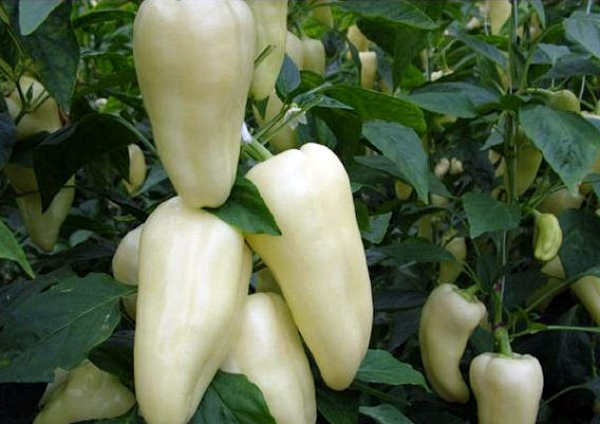
Sweet pepper varieties can be divided into two groups.
Early varieties produce a good harvest in a short period of time. These vegetables are ideal for growing in cool climates with frequent rainfall. The most well-known early varieties are:
- Swallow – suitable for growing in a greenhouse or under plastic. The fruits are red and cone-shaped.
- Belosnezhka is a variety with cone-shaped fruits, intended for greenhouse cultivation. Ripe peppers are red.
- Madonna F1 is a pepper hybrid created by crossing different varieties. Its yellow fruits are cubic in shape.
- Dwarf is a short variety with cone-shaped fruits. The green peppers have a yellowish color when ripe.
- Winnie-the-Pooh is a low-growing variety, ideal for both open-ground and greenhouse cultivation. The fruits are small and their distinctive feature is that they ripen simultaneously.
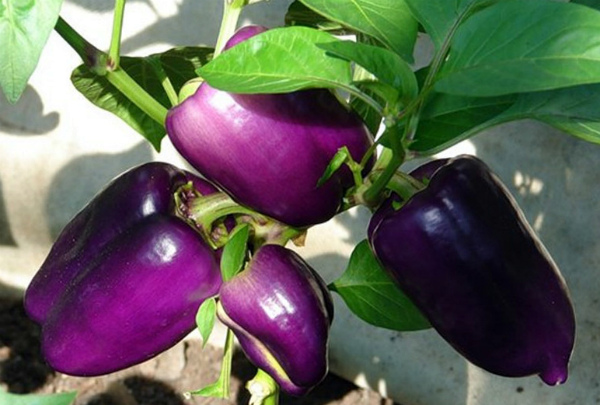
Mid-season varieties should be grown in a greenhouse in warm climates, and in open ground in hot climates. The following varieties are widely used:
- Maria F1 is a pepper hybrid that produces a bountiful harvest. The plant grows tall, with stems reaching up to a meter. The fruits are ribbed and rounded, flattened, and red when ripe.
- Othello F1 is a hybrid with large, cone-shaped fruits. The peppers have a distinctive purple color that turns brown as they ripen.
- Tenderness is intended for greenhouse cultivation. This variety produces a good yield. The fruits are truncated oval cones and red in color.
- Novogoshar is a low-growing variety with large, flattened-round red fruits. The plant has a fairly long fruiting period of 45 days.
Growing seedlings
Peppers are most often grown from seedlings. Choosing the right variety and following the proper growing guidelines for indoor cultivation are crucial. In regions of Ukraine with hot summers, peppers grow well outdoors. However, if the summer is cool and rainy, a good harvest can only be achieved in a greenhouse.
Many gardeners grow early-ripening pepper varieties in their plots and greenhouses, citing their quick ripening and pleasant flavor. However, these vegetables should only be grown from seedlings indoors.
When growing seedlings, keep in mind that peppers thrive in warmth, moisture, and light. However, they don't transplant well.
Before growing seedlings, seeds need to be prepared. They can only be stored for up to four years. Therefore, old seeds should be tested for germination.
Seeds collected from home-grown fruits can be culled in a salt solution. This means you can immediately weed out any that won't germinate at home.
Prepare a solution of 40 grams of salt per liter of water. Add pepper seeds to this mixture and let them sit for a few minutes. Remove and discard any seeds that float to the surface, as they will definitely not produce a harvest. Rinse the remaining seeds with clean water and dry. After this, you can begin preparing for planting.
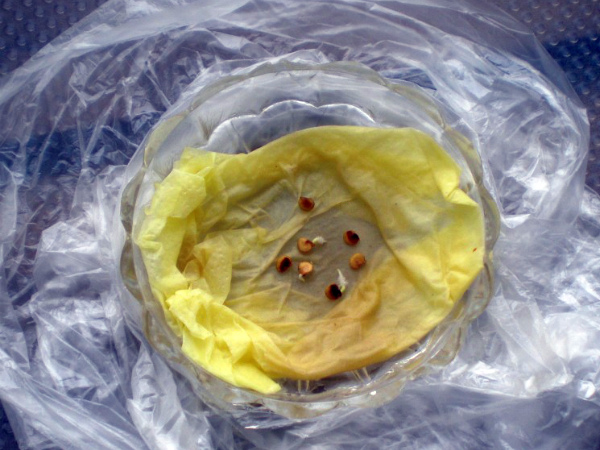
To quickly swell and germinate seeds, simply pour them into a cloth bag and rinse with water. Then, place the seeds in the bag and leave them in a warm place for 24 hours.
Before planting seedlings, it is necessary to clearly determine the timing, which is determined by a number of factors:
- variety specificity (early or late);
- growing method (with or without picking);
- geographical and climatic conditions;
- place for growing seedlings.
Seeds are sown in special containers (boxes, pots) with homemade soil (coconut substrate is a good option). The soil is watered, holes are dug a centimeter deep, the seeds are sown (spaced apart, not close together), and covered with soil.
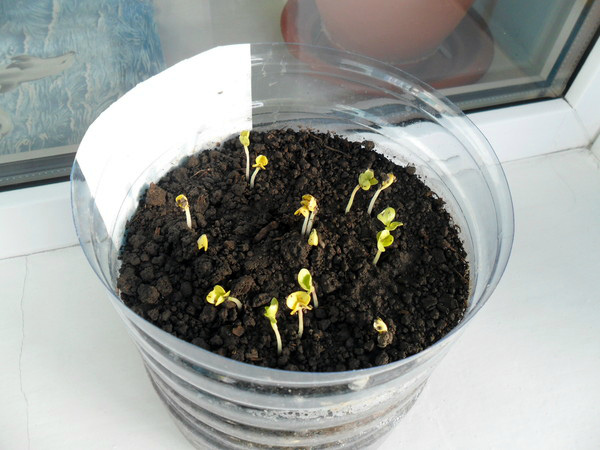
After planting, cover the area with plastic wrap or glass and maintain a temperature of 25°C until the seeds germinate. The first sprouts appear within 7–12 days, but sometimes germination doesn't begin until after two weeks. Spray the soil with water every couple of days.
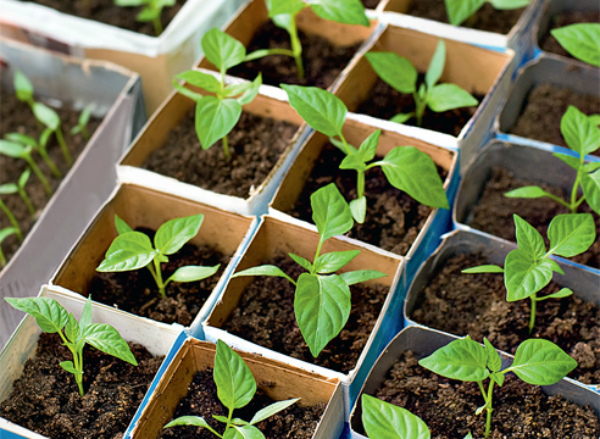
When the first sprouts appear, remove the glass from the box and provide the seedlings with adequate light. Light has a positive effect on plant development and prevents root rot. Supplemental lighting should be provided only during the day (for no more than 10 hours).
It is important for pepper sprouts to maintain the correct air temperature (25°C during the day, 18°C at night).
Water the seedlings with warm water, preferably in the morning. The soil should be loosened periodically.
Contact with other plants negatively affects seedlings. Therefore, avoid sowing too densely or placing seedlings near other plants.
Seedlings can be grown in different ways:
- With picking. This procedure is performed 20 days after the sprouts appear. The main root should not be pinched.
- Without picking. In this case, transshipment is performed—the smaller seed germination container is replaced with a larger one.
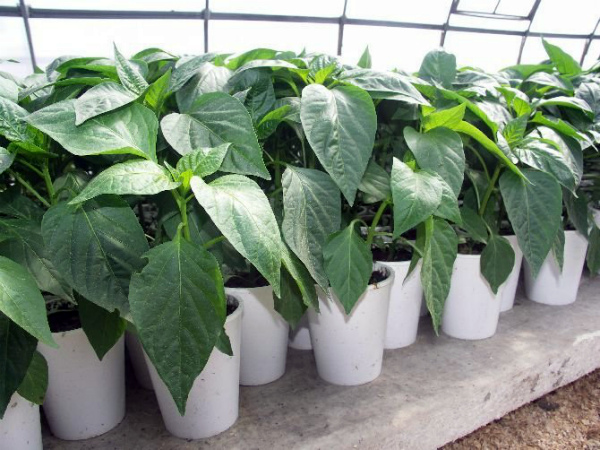
During the entire period of growing seedlings, they are fed twice: with a solution of mullein and dry bird droppings.
Ten days before transplanting the seedlings into the soil, they can be taken outside for a short time and sprayed with garlic, onion, or pine needle infusions. This will protect the peppers from pests.
Landing
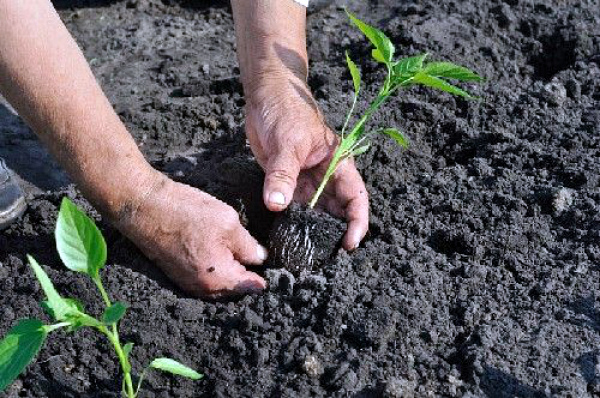
Seedlings are usually planted close together. Sweet pepper seedlings can be planted outdoors after 7–9 leaves have formed. Planting should only be done after all danger of frost has passed.
When planting sweet peppers in an open area, space the sprouts 40–45 cm apart, but never plant them next to each other.
Plant bushes should also not grow close together. The distance between them should be at least 30 cm. A smaller distance can be maintained between low-growing bushes.
Sweet peppers, whether in a greenhouse or in a garden, should not be grown next to hot peppers. This vegetable is self-pollinating and can pick up the bitterness of its relative.
Soil preparation for the crop begins in advance. Up to 5 kg of fertilizer (humus or compost) is added to the open ground per square meter.
It's also necessary to fertilize the open soil with mineral supplements: 20-30 g of fertilizer per square meter. This soil enrichment can be done in the spring, a few days before planting the peppers.
It's best to plant peppers side by side or in rows in a wind-protected area. Prior cultivation of cucumbers, legumes, and green crops in this area will have a positive effect.
When transplanting pepper seedlings into the ground, do not plant them too deeply. Otherwise, the risk of delaying the ripening process and reducing the yield significantly increases.
Planted plants must be watered generously and mulched with light material (dry soil or grass).
If there is a risk of frost, you can protect the planted seedlings with lutrasil or film.
Video: "10 Mistakes in Growing Sweet Peppers"
Remember these 10 don'ts to avoid making mistakes when growing sweet and flavorful peppers.
Further care
To ensure a bountiful harvest, sweet peppers need to be well-cared for and provided with optimal growing conditions. Plants should be planted in a well-lit area, as insufficient light will cause the flowers and fruit to fall off. Adequate soil moisture is also essential, as overwatering can result in small, misshapen fruits.
In early August, pinch off the top of the stem and remove all flowers that won't produce fruit before autumn. Repeat the procedure after two weeks.
Tall fruits need to be tied for support.
Sweet peppers require periodic feeding with bird droppings or cow dung, as well as potassium-phosphate fertilizers.
During the growing season, remove all weeds and loosen the soil. The peppers can be harvested unripe. However, if they ripen fully on the vine, the yield may be significantly reduced.
So, growing peppers outdoors or in a greenhouse is easy, no matter what climate they thrive in. The key is knowing the secrets of successful gardening and properly caring for the plant at home. Successful cultivation depends on a number of factors. Pepper care has both common characteristics for all nightshades and specific features unique to this crop.
Video: Growing Peppers in Cold Climates
This detailed video will teach you how to grow your favorite pepper, even if you live in the northern regions.