
What can and can't be planted next to hot peppers?
Content
What can you do with it?
Experienced gardeners have often observed that combining certain plants is beneficial: they help each other grow and develop. Conversely, symbiosis with other crops can be detrimental to one or both of them. Moreover, the "enemies" experience negative effects even when planted in different beds.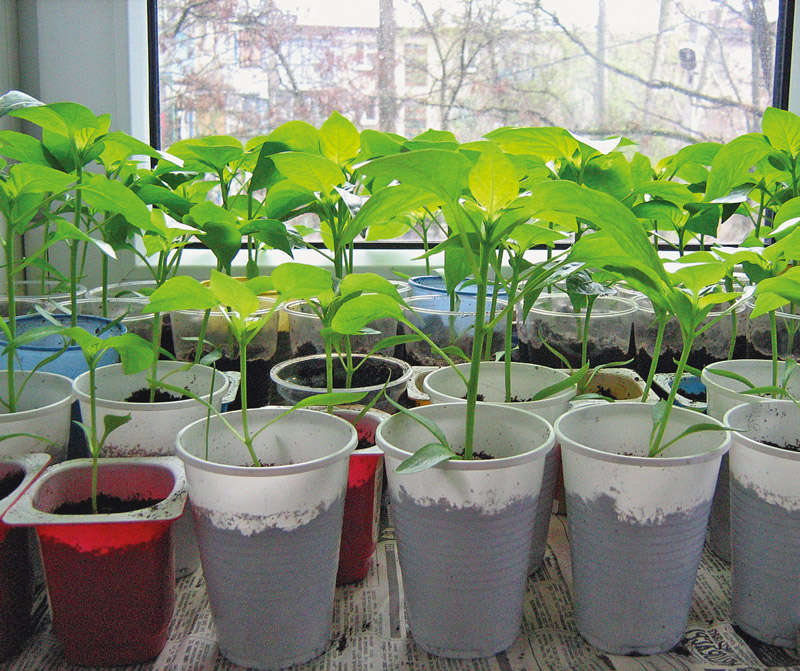
The interaction of certain crops can be used to obtain a rich harvest, but to do this you need to know all the features of crop combinations. The bitter shrub can only be planted near its "friends", which usually protect the chili from parasites and promote its active development.
What can you grow next to a hot shrub? Eggplant is a useful and convenient neighbor for this vegetable. The plants are very "friendly," and their care requirements are virtually identical. Eggplants and chilies grow at similar temperatures, have the same optimal humidity levels, and have similar fertilizer needs. They can also be planted in greenhouses, saving gardeners money.
Herbs grown nearby have a positive effect on the health of this bitter vegetable. They can also make the peppers much more flavorful. Therefore, it's a good idea to sow dill, thyme, and basil near the bush.
Oddly enough, some weeds have a positive effect on the development of the vegetable. For example, you can plant nettles and chamomile next to hot peppers. Dandelion also has a beneficial effect, accelerating the ripening process of the crop. However, this doesn't mean you shouldn't remove weeds at all. Weeding is essential, otherwise, parasitic weeds will "drain" all the nutrients from the soil. As a result, the peppers will have nowhere to get nourishment. The best option is to leave a few weeds along the edges of the beds.
Another possible neighbor for this bitter vegetable is tomatoes. Cabbage can also be planted nearby. Carrots and onions planted in adjacent beds will grow well and have a positive effect on other crops.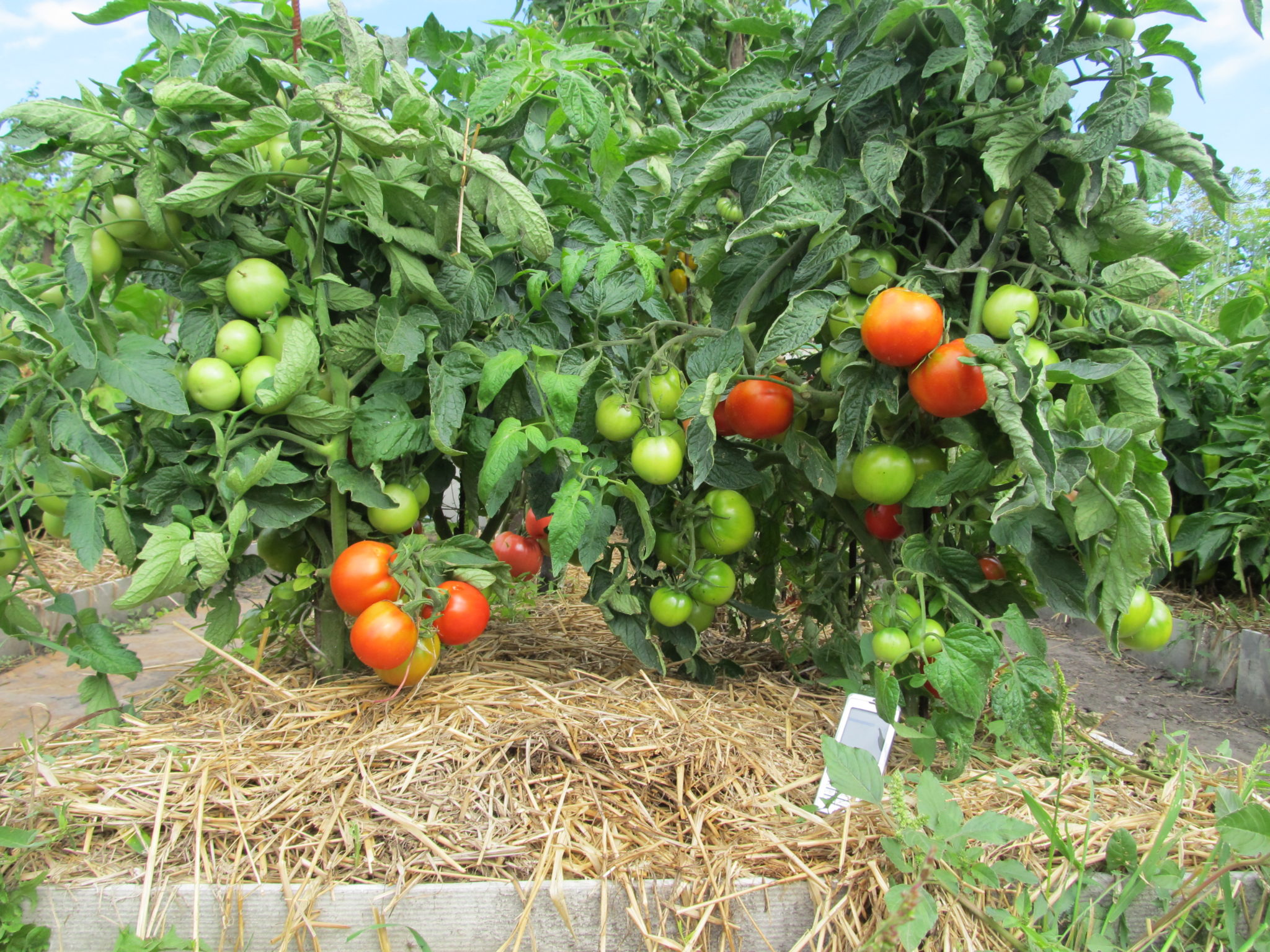
Greens, such as lettuce, spinach, or Swiss chard, grow well near peppers. So, feel free to plant greens near peppers to save space.
Video "Beneficial Properties"
From the video you will learn about the beneficial properties of hot pepper.
What you can't do with it
It is natural that in addition to the helper plants, the bush also has enemy crops, the growth of which near the vegetable is impossible.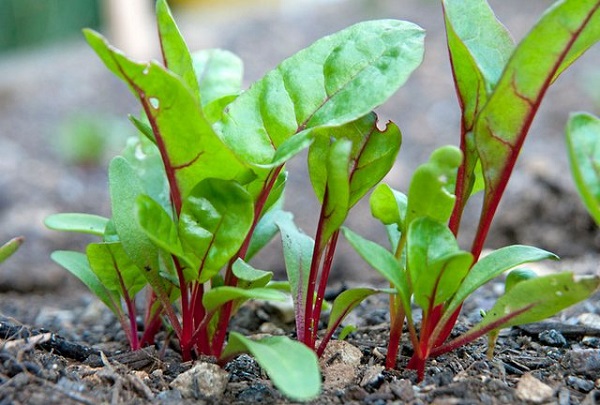
For example, fennel should never be planted next to hot peppers. Under such conditions, the pepper's growth will be stunted. Fennel is very aggressive and can even cause the death of all growing peppers.
Beets aren't the best neighbors for this spicy vegetable. After all, the root vegetable always seeks the sun. And in this pursuit, beets easily crowd out other plants.
Can you plant sweet peppers next to hot peppers? Absolutely not. Planting sweet and hot peppers next to each other won't do any good. Sweet and hot peppers grown next to each other will cross-pollinate during development. As a result, your garden will produce hybrids with strange characteristics. For example, the sweet pepper will become slightly hotter, while the hot pepper will lose its heat. This will be especially noticeable when growing these shrubs in a greenhouse.
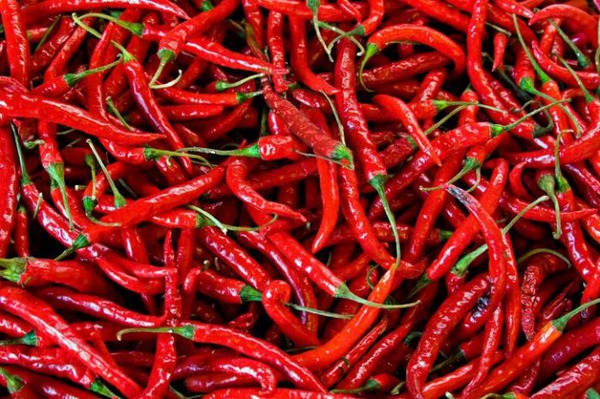
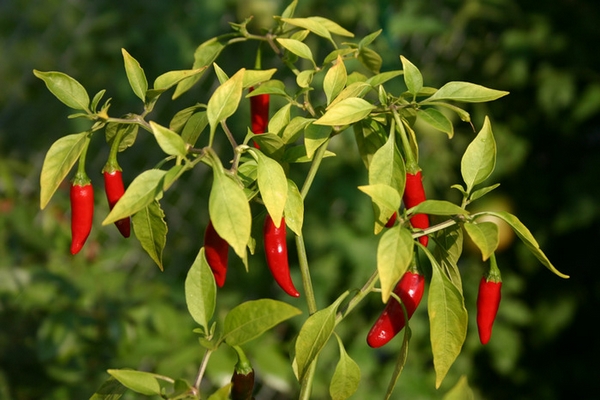
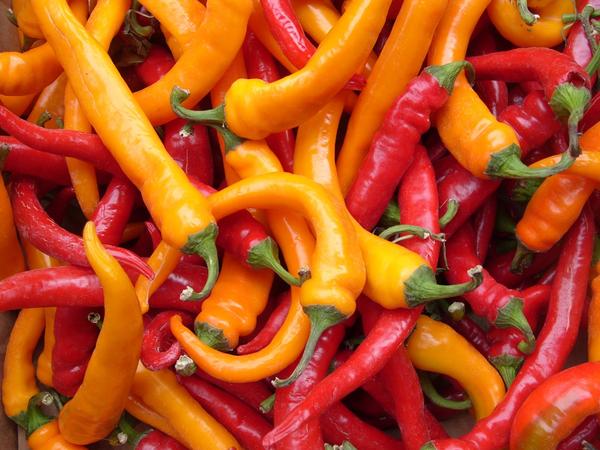
So, when growing stinging bush in your own garden, it's important to remember that not every plant's location will be successful. Some crops can inhibit the growth of stinging bush. The plant itself also negatively impacts a number of other plants. This particular aspect of gardening should be taken into account by everyone, including beginners.
Video "Growing and Care"
This video will tell you about growing and caring for peppers.