
Planting and caring for peppers in open ground
Content
Soil preparation
Peppers thrive in comfort, so find a sunny spot with shelter from the wind. If you don't have a quiet corner in your garden, create one. You can plant plants that will act as a shield or simply build a fence.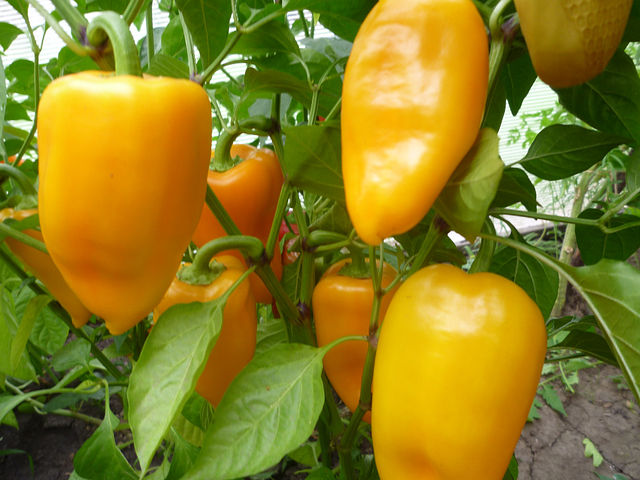
Before planting peppers outdoors, familiarize yourself with the basics of crop rotation. It's no surprise that every crop has successful and unsuccessful predecessors. Peppers will benefit from soil that was previously grown in:
- pumpkin;
- cucumbers;
- cabbage;
- legumes;
- root vegetables for table use.
However, after growing tomatoes, eggplants, and potatoes, you should wait at least three years. Diseases of these crops are transmitted through the soil and can be devastating to peppers.
There are two basic requirements for the soil: it must be fertile and retain moisture well. Only in such soil can you grow both tasty and beautiful vegetables. Oh, and one more thing: avoid areas where fresh manure was previously applied as fertilizer. Excess nitrogen will not benefit the peppers; in fact, it will negatively impact the yield.
Garden bed preparation begins in the fall with careful removal of plant debris and thorough, deep digging. It's helpful to enrich the soil with a "cocktail" of superphosphate, ash, and humus.
The next approach to the site is carried out in the spring. Now it's time for the following actions:
- loosening the soil;
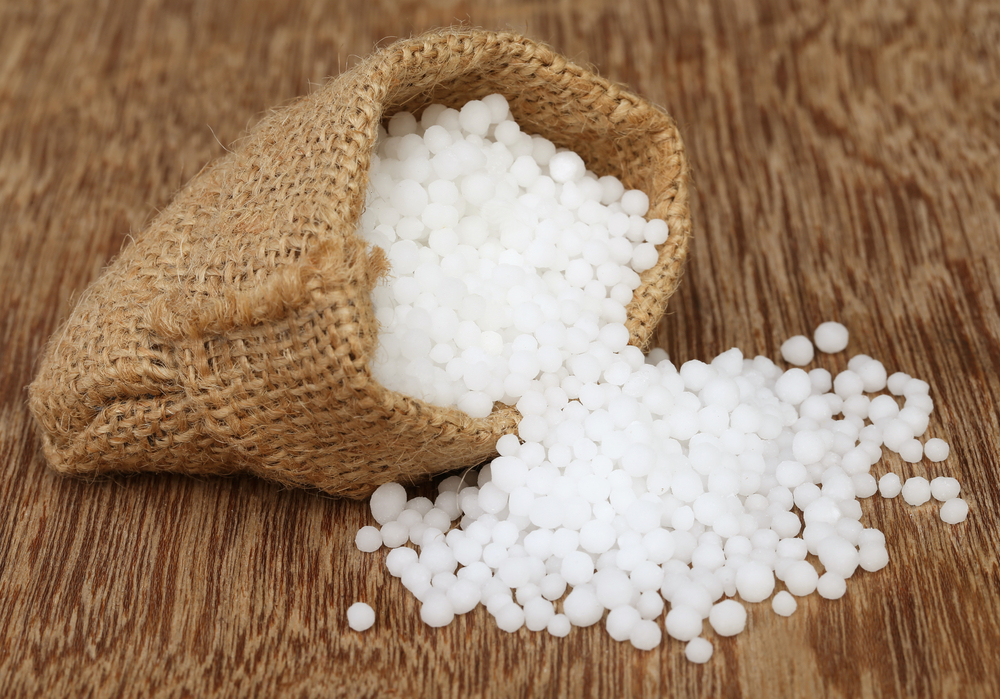
- fertilizing with fertilizers containing phosphorus, nitrogen, potassium;
- light digging;
- soil leveling.
Well, that's all. It's time to plant the peppers.
Video "Landing"
This video will show you how to properly plant pepper seedlings in open ground.
How to plant seedlings correctly
There's no exact date for planting pepper seedlings. You need to wait until the last frost has passed, and this depends on climate conditions. For example, in Ukraine, planting time begins as early as April, while in colder regions, it's best to wait until mid-May. Experience shows that it's better to wait a little longer than to rush.
According to vegetable growing experts, peppers grown outdoors in central Russia should be hardened off before planting. Otherwise, the sudden change in environment will cause significant stress for the plant. Hardening off should begin a couple of weeks before planting the seedlings. Here's how:
- gradually reduce the temperature in the room with the seedlings during the day;
- then we do this at night;
- we bring the temperature to +17-18 degrees;
- reduce watering of seedlings;
- we increase the illumination;
- A week before planting, spray the seedlings with copper sulfate.
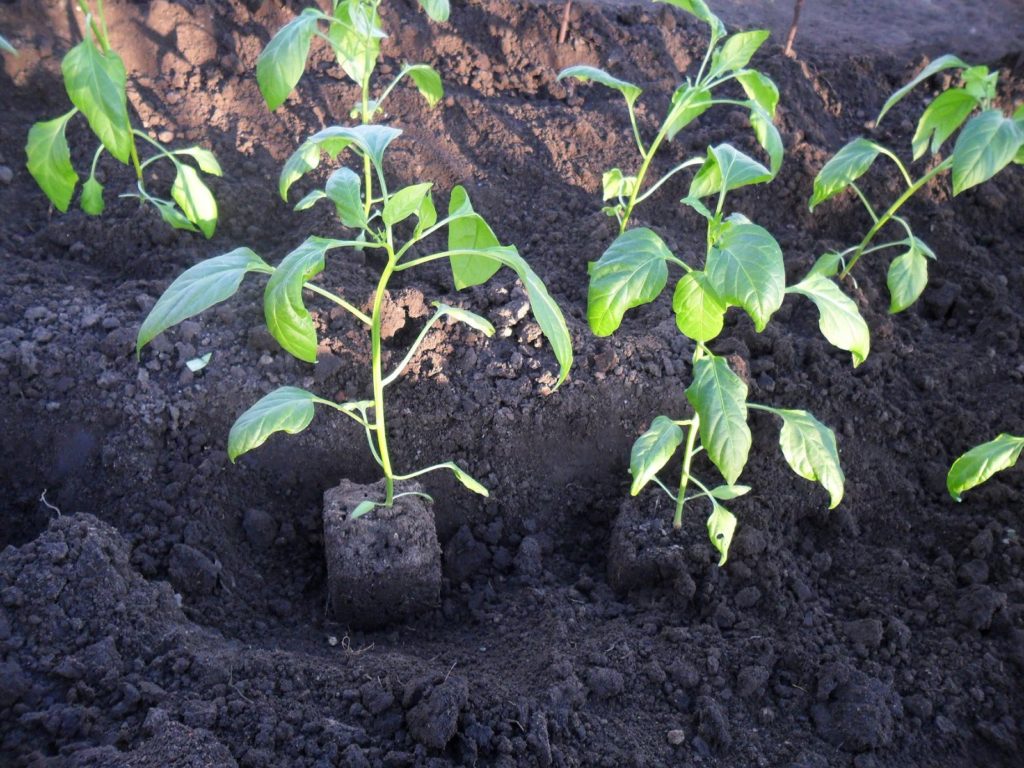
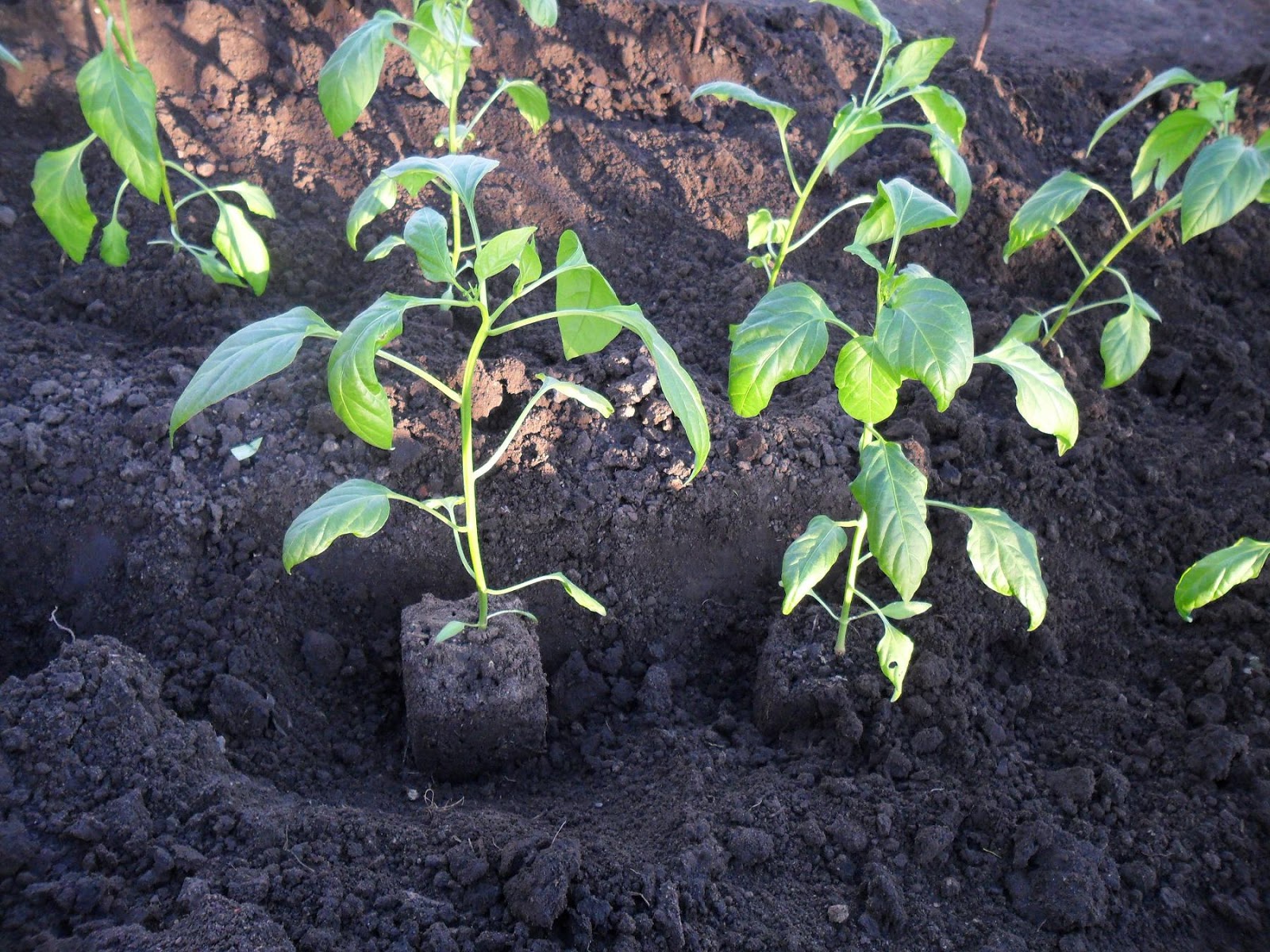
Immediately before planting, the seedlings need to be watered thoroughly. This will ensure the peppers take root safely, grow well, and preserve their first harvest.
The planting time depends on the weather. In hot weather, it's best to transplant the peppers outdoors in the evening, or in the morning on a cloudy day. The holes should be slightly deeper than the containers the seedlings were in. Add 1-2 liters of warm water to each hole. Boiling the water isn't necessary; leaving the container in the sun is sufficient.
The seedlings should be positioned vertically in the hole, supported by a half-meter (or even taller) stake placed nearby. The soil around the seedlings should, of course, be compacted. The final touch is mulching with compost.
How to properly water bell peppers
Caring for peppers outdoors is undoubtedly a science in itself, and watering is one of its most important aspects. The difficulty is that peppers are equally harmed by both lack of water and stagnant water. The gardener's job is to ensure adequate soil moisture and prevent this moisture from turning into puddles.
At first, the seedlings will benefit from root watering every 2-3 days, and daily in hot weather. At this stage, each plant requires 1-2 liters of water, but after a week, reduce the amount.
Pepper signals a lack of water very eloquently:
- grows slowly;
- sheds flowers and ovaries;
- its fruits are not only small, but also prone to deformation;
- The fruits may show signs of blossom-end rot.
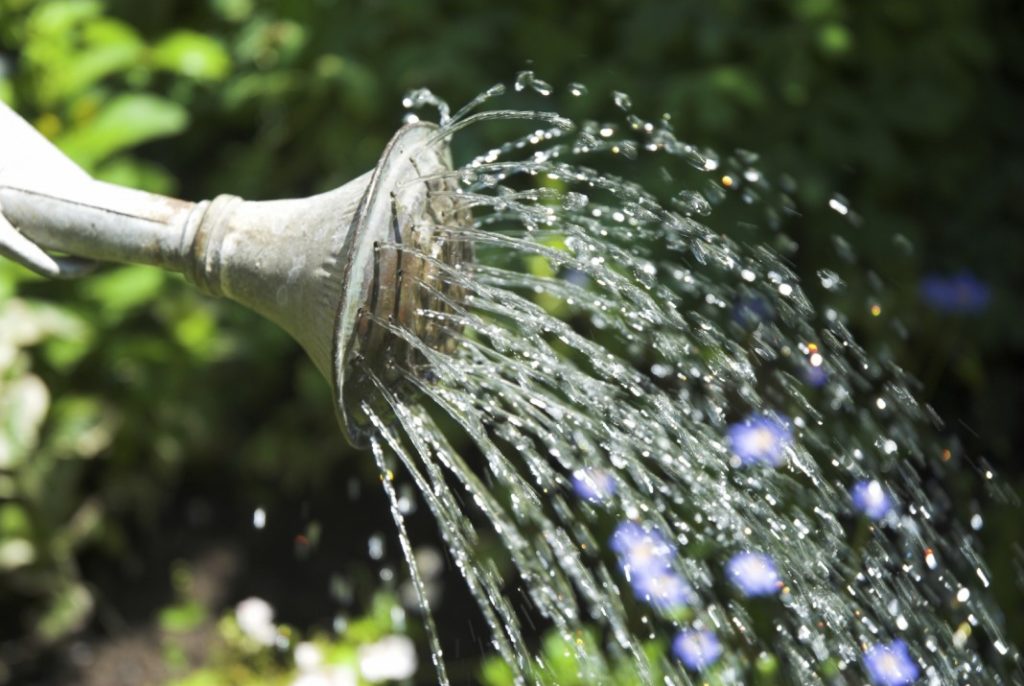
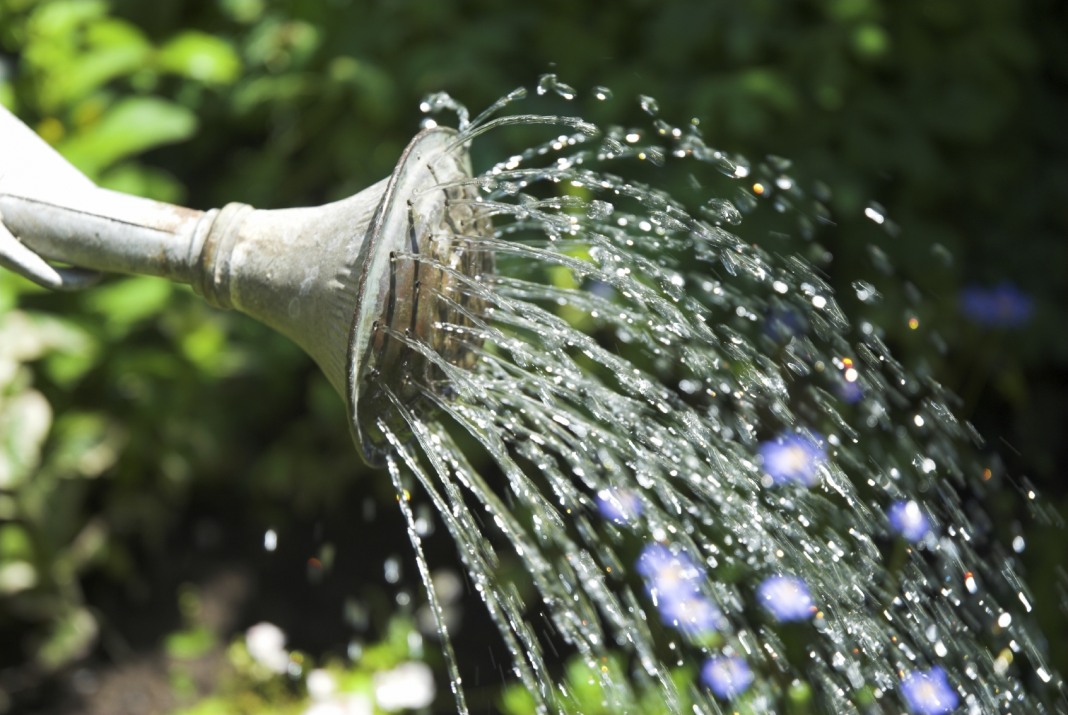
Overwatering can cause fungal diseases, especially if the summer is cool and damp. Therefore, the answer to the question of how to properly water this crop is: very carefully, constantly monitoring the condition of the plants. In rainy and cloudy weather, it's best to skip this process. In hot weather, monitor the soil condition and the health of the plants. Sprinkler irrigation produces good results.
When to loosen the soil
We've already discussed how much peppers thrive on comfort: planting and caring for them outdoors requires creating favorable conditions. One of these is loosened soil. Maintaining proper soil condition is essential for:
- promote rapid growth of peppers;
- ensure air flow to the plant roots;
- activate the vital activity of beneficial microorganisms;
- remove weeds in a timely manner.
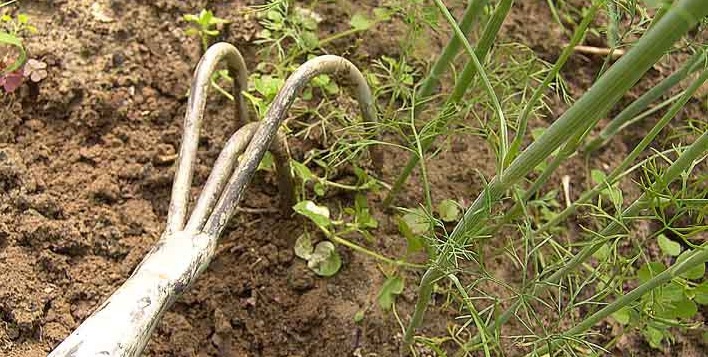
The only stage in pepper development when soil loosening is absolutely necessary is the first two weeks after planting. During this time, the roots are strengthening, and it's best not to interfere with this process.
The initial loosening will be fairly shallow, no deeper than 10 cm. However, if the soil is heavy and a crust has formed, deeper loosening is possible and necessary. After all, the soil needs to be well warmed and aerated.
All subsequent loosening is performed after each rain and watering. The soil should be loosened when it's no longer wet, but not yet crusted.
Feeding
When preparing to grow peppers outdoors, begin feeding them while they're still seedlings. Seedlings benefit from a nettle infusion. It's very easy to prepare: 1 part nettle to 10 parts water, steep for two days.
Peppers will require at least three fertilizing sessions during the season. The first should be two weeks after planting. A solution of mullein (1 x 5%) or bird droppings (1 x 20%) is ideal for this.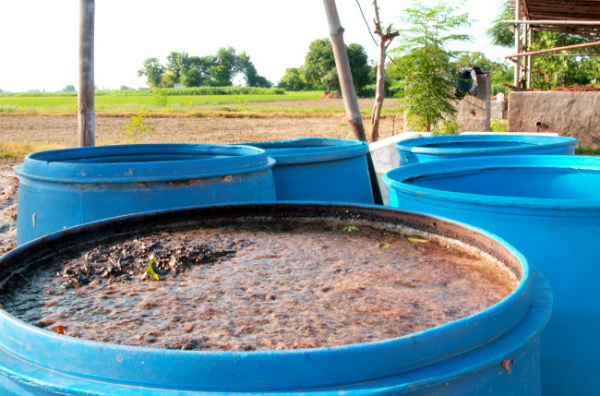
A flowering plant benefits greatly from a herbal mixture. You will need:
- nettle;
- plantain;
- dandelion;
- coltsfoot;
- woodlouse.
The grass should be chopped, mixed with a bucket of mullein and 10 tablespoons of ash, diluted in a 100-liter barrel of water, and left to infuse for 10 days. Pour 1 liter of the "cocktail" under each bush.
A mixture of 250 g nitrophoska and 5 liters of mullein per 100 liters of water will support rapidly growing peppers. After the solution has steeped for a week, pour 1.5-2 liters of water under the plant.
In a couple of weeks, a new infusion should be ready: 1 bucket of mullein, half a bucket of bird droppings, and 1 cup of urea. All this is calculated for the same 100-liter barrel of water. In a week, the fertilizer will be ready. You will need 5-6 liters per 1 square meter.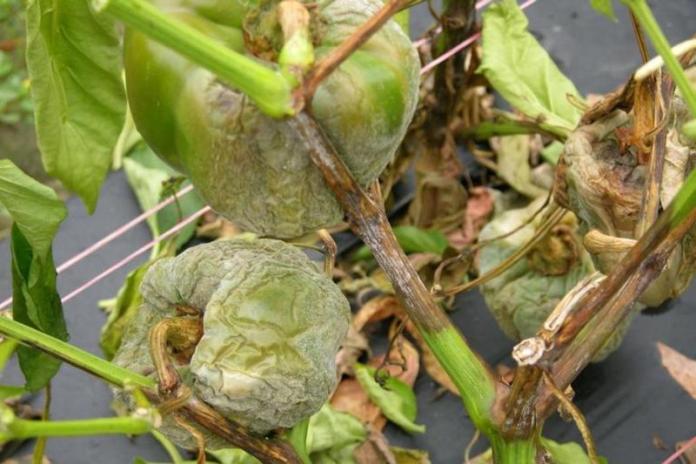
Pepper makes it clear what exactly he is missing:
- potassium deficiency – leaf edges curl;
- lack of phosphorus – purple tint on the underside of the leaves;
- nitrogen deficiency - the same side of the leaves turns grey.
So, observe the plants and adjust the feeding according to their needs, alternating organic and mineral fertilizers.
How to protect peppers from frost
Gardeners in central Russia and further north often ask what to do if frost returns. This is a pressing question, as peppers aren't a plant that can easily withstand sudden cold snaps. Incidentally, it's a good idea to take steps to prevent sudden cold snaps, at a minimum, by regularly checking the weather forecast.
Peppers are southerners and react very sensitively to cold weather. Their immunity is significantly weakened, and then the plant will be susceptible to all sorts of diseases. It's a good idea to harden off your seedlings; this will help them cope with all sorts of climatic stresses. Growing in fertile soil is a big plus. But frost protection is essential in any case.
The following methods of protection have been practiced for a long time, and quite successfully:
- smoking;
- sprinkling and irrigation;
- concealment.
Smoking is a rather labor-intensive method, and it's only used in calm weather, before the temperature drops below -4°C (32°F). Smoke piles (1m x 1.5m) are placed throughout the area. The bottom layer is made up of firewood and branches, the top layer is straw and leaves, and the top layer is covered with soil. These piles (and, consequently, new ones) will need to be burned every night until the weather warms up.
The purpose of sprinkling is to form a thin layer of ice on the plants, which serves as protection. Simply spray the bed with water.
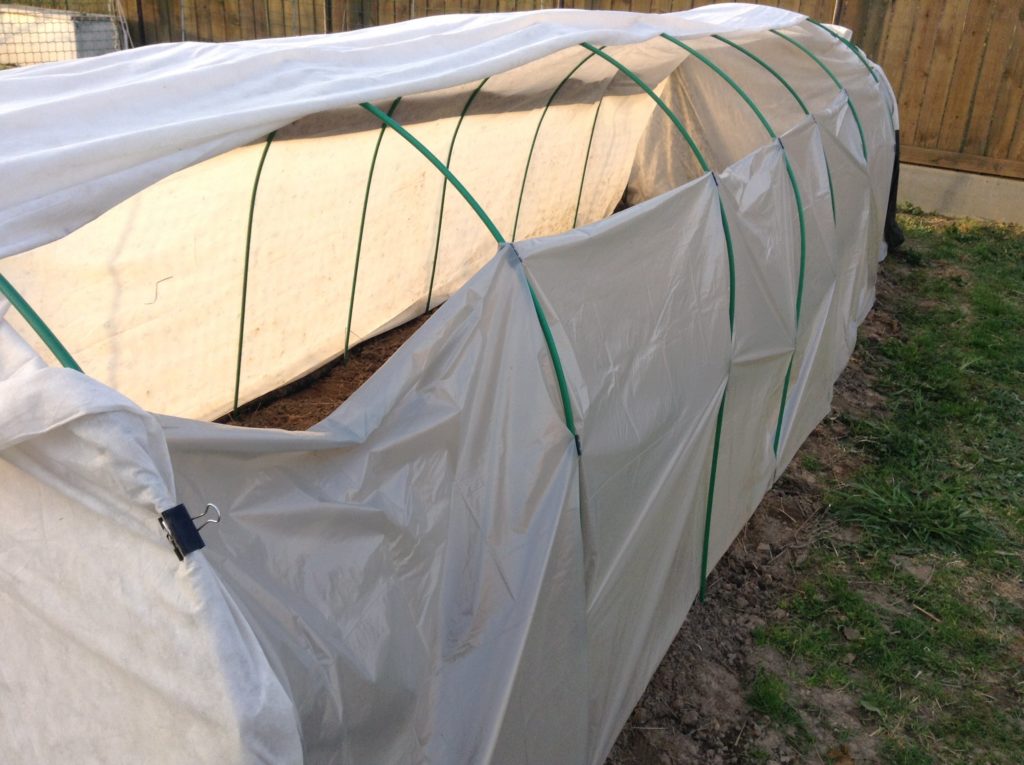
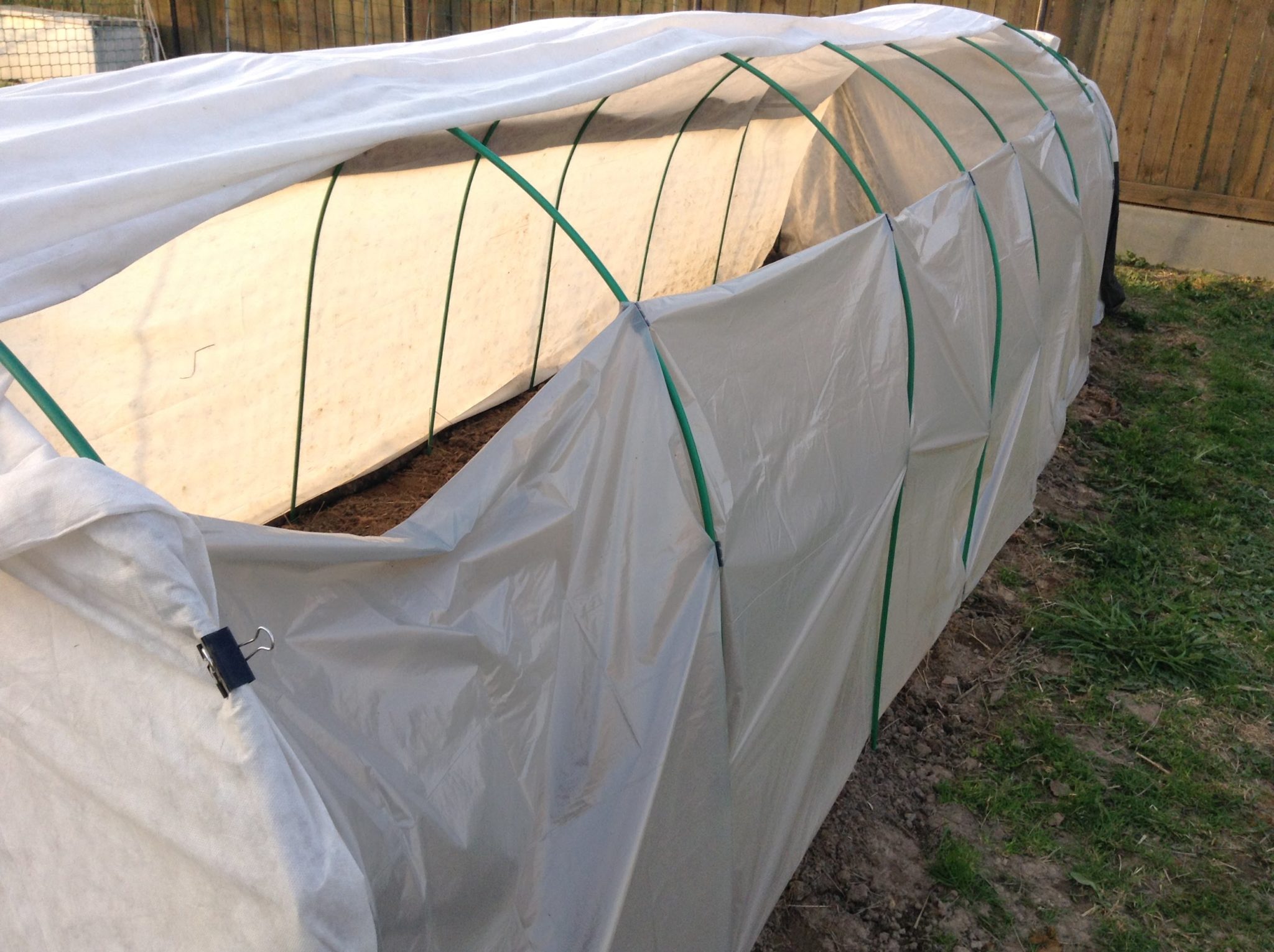
Shelter-making involves constructing protective tents from whatever's at hand. Boxes, rags, plywood, and other household junk are all suitable. These "houses" should be removed in the morning. And if the cold snap is significant and prolonged, the only salvation is a plastic shelter.
Features of caring for bell peppers
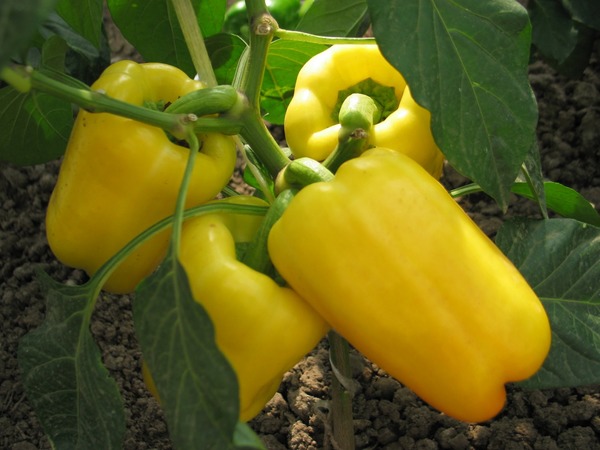
Gardeners will agree that bell peppers are worth the effort. Carefully grown, they grace the table and provide a treasure trove of vitamins and minerals, adding incredible flavor to many dishes. And growing them isn't all that difficult. Just know a few tricks, and a bountiful harvest is guaranteed.
Bell pepper seeds have one peculiarity: they are quite difficult to germinate. A vegetable gardener can help by: don't cover them too much with soil, cover them with plastic wrap, and place them in a warm place. Mist the soil until the sprouts appear.
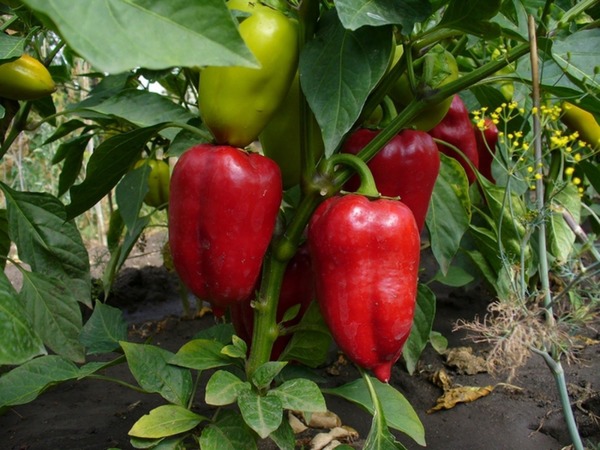
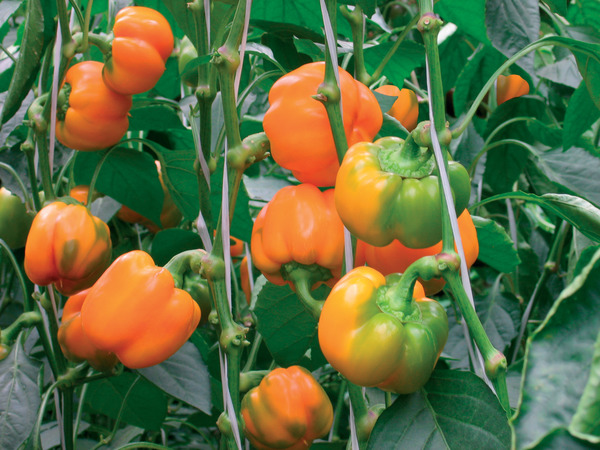
There are some more secrets to growing a good harvest:
- Peppers need to be side-sonned, but this should not be done in hot weather;
- a light-loving plant will benefit from pruning long shoots during the growing season;
- pruning should be done every 10 days;
- During the flowering period, it is useful to attract pollinating insects by spraying the plants with a solution of sugar and boric acid;
- After hilling and mulching, it is better to tie up the bushes.
And besides this, patience, love and care are necessary for every plant.
Pest control
When figuring out how to care for a new plant, we inevitably learn how to deal with pests. How could we not? After all, they're the ones who can ruin all our efforts!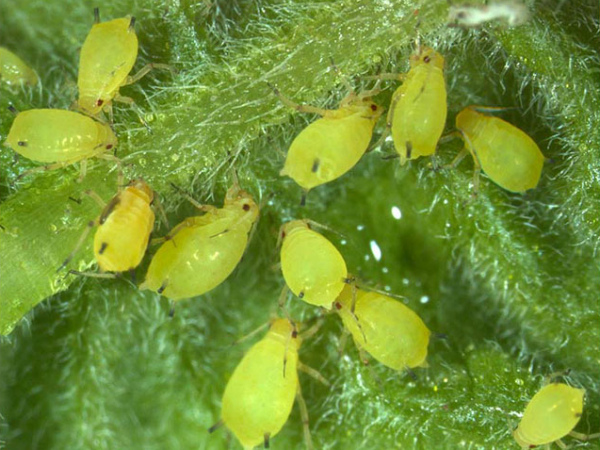
Here are those that are particularly threatening to pepper:
- aphid;
- spider mite;
- greenhouse whitefly;
- wireworms;
- Colorado beetle;
- mole cricket;
- slugs.
A universal method for controlling all pests is dusting with wood ash. If done three times per season, insect attacks will be significantly reduced.
You can get rid of aphids by spraying them with herbal infusions: yarrow, tansy, and wormwood are suitable.
Spider mites primarily affect greenhouse plants. The main weapon against them is systematic disinfection of the premises. This also applies to greenhouse whiteflies.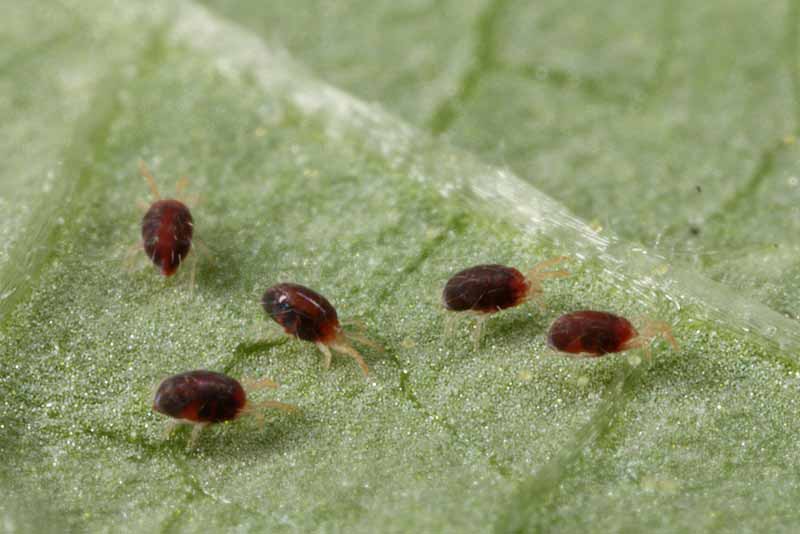
To avoid wireworms, avoid planting peppers after perennial grasses. Carefully dig the soil, removing the larvae. Bait them with pieces of vegetables.
Careful care and inspection of plants will help identify threats early. Regular watering, loosening the soil, adequate light, and ventilation will help prevent many of them.
Video "Pest Control Methods"
This video will show you how to effectively control pepper pests.