
Pepper Step-sonning Technique: Instructions
Content
Why is it necessary?
Pepper plant shaping is an essential part of the plant's care. This procedure helps improve the quality of the pepper harvest and increase its yield. By removing "unnecessary shoots," the pepper plant focuses all its energy on developing only the "needed" parts.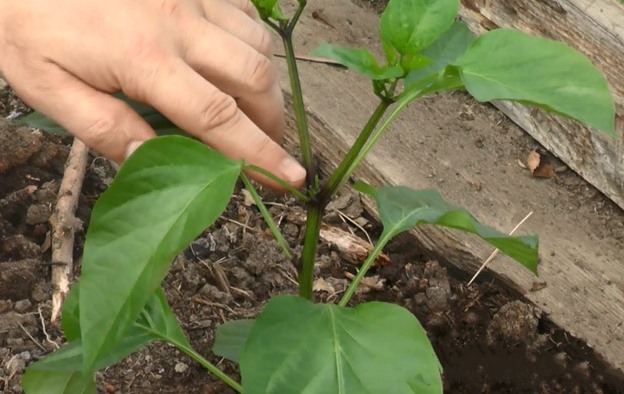
Peppers are a home-grown crop. By properly scaling them up, you can grow larger peppers and speed up the ripening process. Side-sonning is especially effective for taller varieties.
Bush formation varies. The leading factor in this case is the variety of the individual plant. When grown in open ground or an unheated greenhouse, the bushes grow up to 0.6 meters. In a heated room, the vegetables grow larger.
When the seedlings reach 0.15 meters in height, the tops of the plants should be removed. At this point, the bush begins to branch actively, after which it can be trained. Typically, training is done with 2, 3, or 4 stems. The choice of training method depends on the planting pattern in the greenhouse, as well as the age of the young plants. Avoid overcrowding, as overly dense plantings are a breeding ground for diseases and can lead to reduced yields.
Typically, only healthy pepper plants are pruned. If there are signs of disease, refrain from performing the procedure.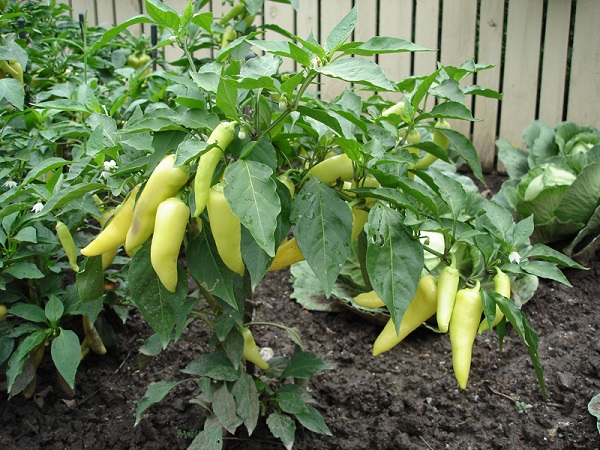
It's generally accepted that if the summer is rainy, side-sonning should be done in any case. When the plant receives sufficient moisture, shoots actively develop and expand, which negatively impacts the bush. Because of the numerous above-ground organs, the roots receive insufficient water and sunlight.
The procedure of removing excess shoots will be beneficial for the plant only if certain recommendations are followed:
- When the pepper plant reaches 0.25 meters in height, remove the top of the main stem. This will allow the lateral shoots to grow and form a compact bush.
- From the newly formed shoots, select about five of the strongest ones at the top of the bush. The rest are pruned. Fruit will form on the remaining shoots.
Peppers are a family plant. They prefer to grow among others rather than alone. When planting in the ground, this characteristic should be taken into account. Two seedlings can be planted in a single hole. By removing side shoots, the "neighbors" will provide each other with support and the proper conditions for growth and development.
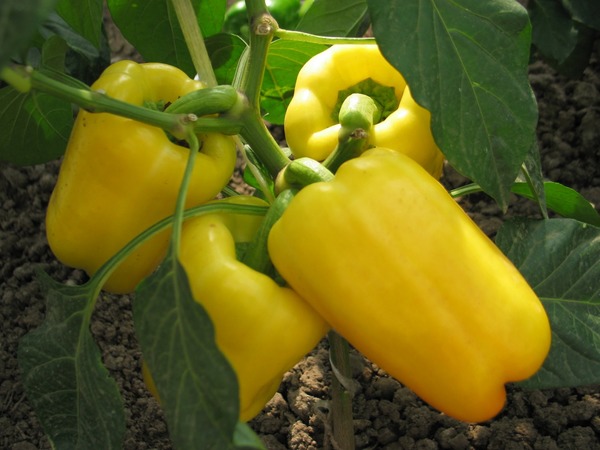
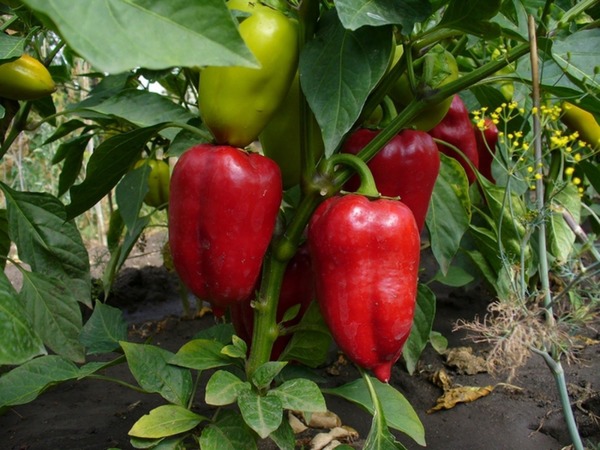
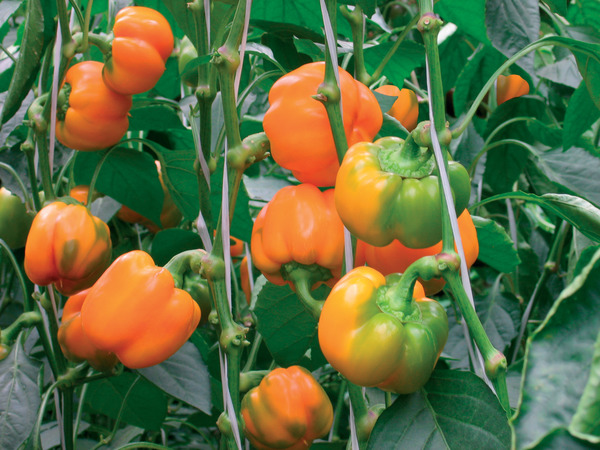
Video "The process of step-sonning"
This video will show you how to properly remove side shoots from peppers.
Rules and nuances
How to remove side shoots from peppers? This procedure should only be performed following a few rules:
- If hot, dry weather sets in, the procedure should never be performed. The branches and leaves that must be removed must reliably protect the plants from scorching in direct sunlight. Furthermore, performing the procedure in such conditions can negatively impact the overall development of the plant. Such stress on the pepper plant can even cause the plant's death. This is because the green mass of the bushes not only creates shade but also protects it from wilting and drying out. Moisture from the soil does not evaporate from the additional green parts, but is delivered directly to the roots.
- Avoid removing side shoots from diseased plants. This can cause the plant to die. This period is ideal for treating the plant. However, it's best to remove the shoots after the pepper has recovered.
- If peppers are planted more than 0.2 meters apart, avoid pinching them out. As mentioned above, peppers prefer to grow among other peppers. This provides protection from heat and high humidity.
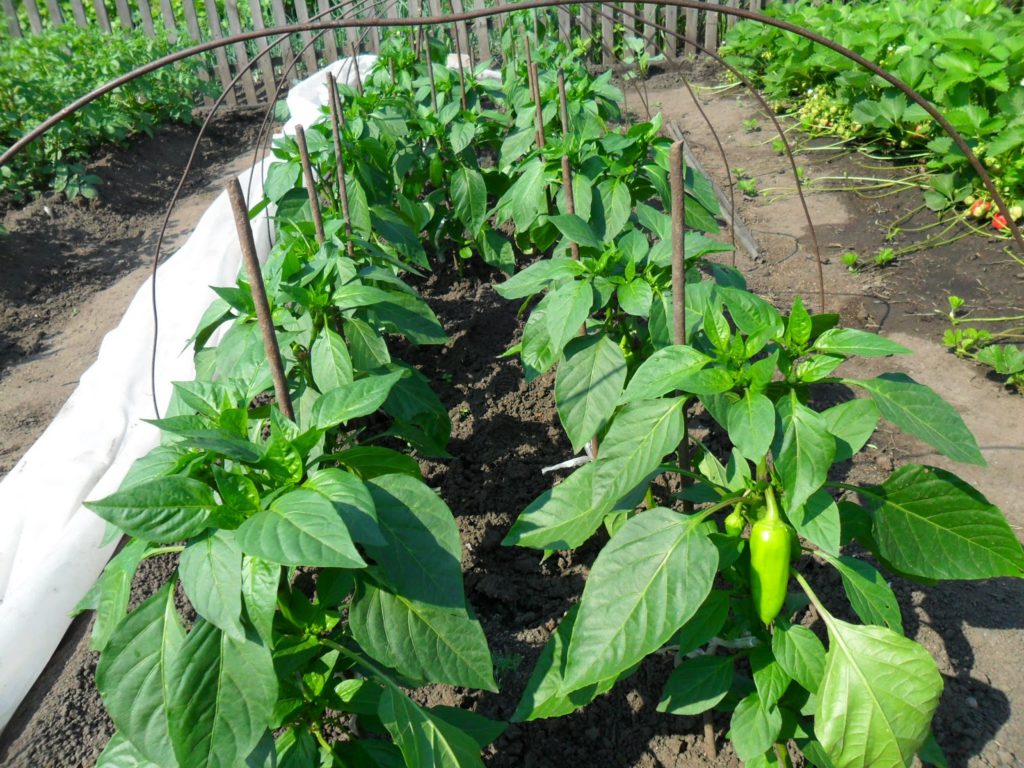
- It's forbidden to remove side shoots from vegetables if their height exceeds 0.2 meters. In this case, removing excess organs can disrupt the plant's natural development processes.
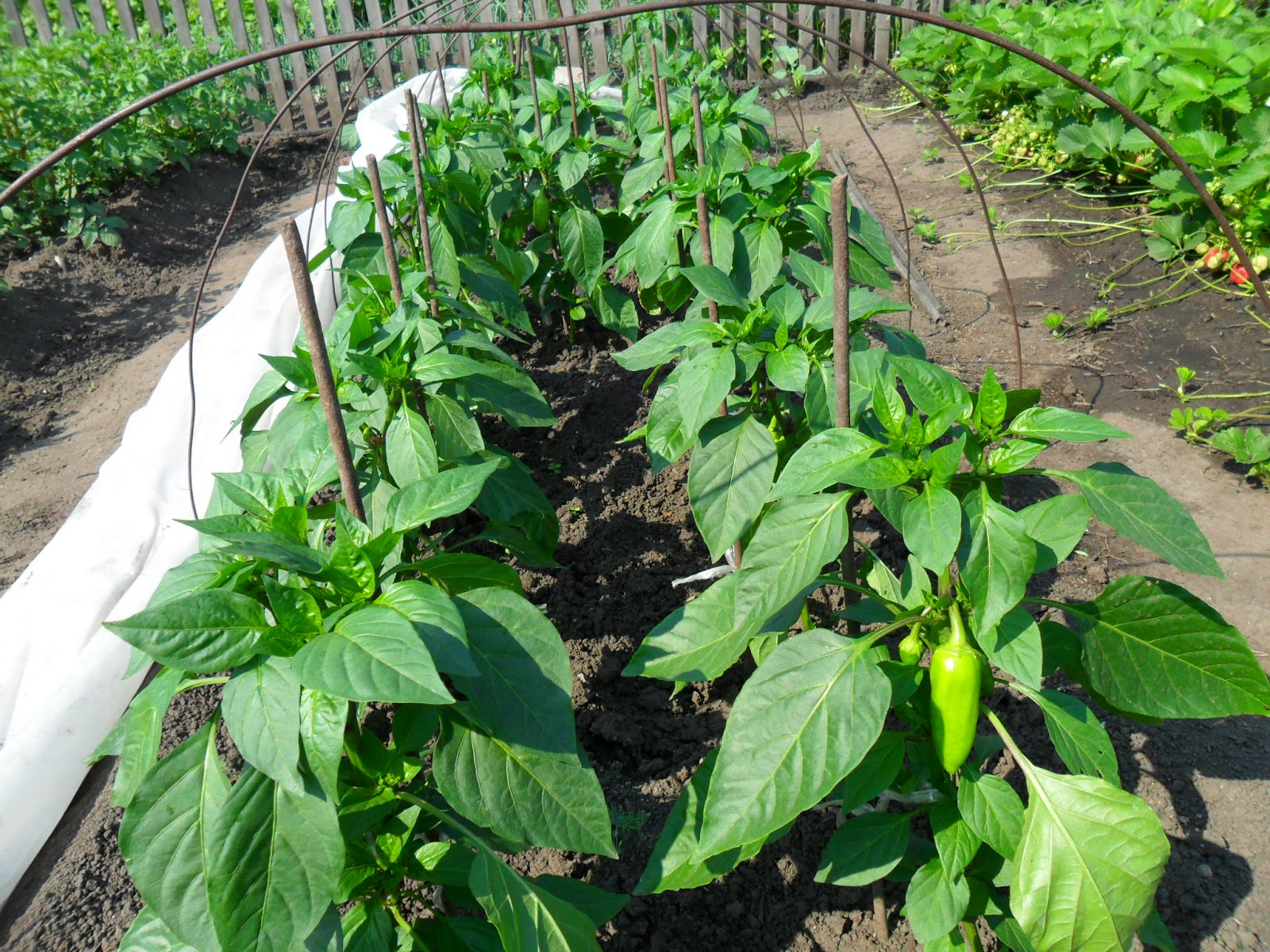
It's worth noting that all rules and recommendations regarding this procedure are relative. The procedure should be carried out taking into account the growing and development conditions of the plant. Pruning is not always possible, as unsystematic pinching can lead to stunted growth or even death.
In particular, the procedure should not be performed in hot, dry weather. During dry periods, the plant requires shade, which its leaves can create for itself.
Pinching off sick individuals will only worsen their condition and help the disease spread to their “neighbors.”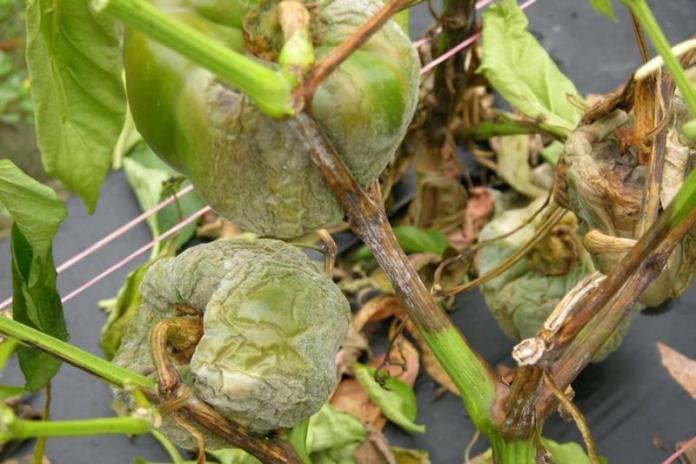
If you plant vegetables rarely, you should also refrain from this procedure.
Pruning off shoots is considered necessary and should be avoided if possible. Removing organs is stressful for the plant. Side shoots should only be removed when the plant truly needs it. Some varieties do not tolerate this procedure at all.
Stepsoning scheme
The procedure for pinching out vegetable stepsons is simple.
First, remove excess parts only after evening watering. At this time, the soil is sufficiently moist, and after treatment, the water will more effectively saturate the root system and the plant as a whole.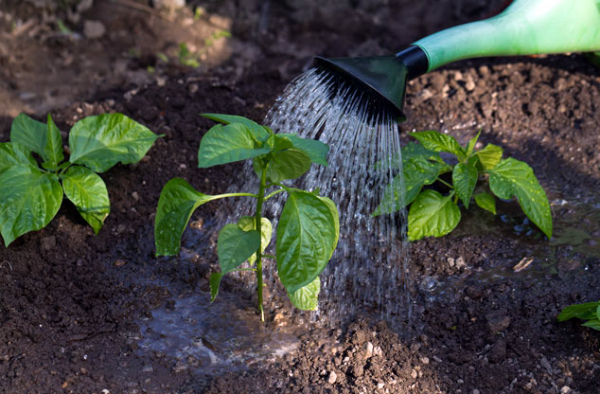
Secondly, when the plant reaches 0.2 meters in height, pinch off its top. This stimulates active branching.
After this, remove all weak and underdeveloped shoots. Only the five most vigorous ones should be left. These will produce large fruits in the future.
After this procedure, the soil is thoroughly loosened and moistened. A few days after removing the excess parts of the pepper, add manure, peat, or rotted leaves under the bushes.
So, removing "extra" pepper parts is necessary, but not always practical. Before removing side shoots, it's worth making sure it's practical.
Video: "Shaping Peppers"
This video will show you how to shape peppers.