
How to grow hot peppers at home
Content
Necessary conditions for growing
To grow any variety of hot pepper (such as Tolstyak, etc.) indoors and protect them from disease, it's important to know that this is a short-day plant. Therefore, the pot should be placed on a south-facing windowsill. A sunny balcony is also an excellent location. Any houseplants can be placed nearby.
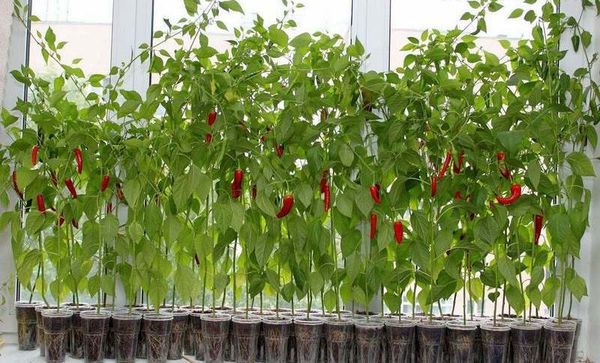
To prevent peppers from becoming diseased, the pot should be turned throughout the day. This will allow for uniform growth of leaves on both sides and will also have a positive effect on fruiting.
On cloudy days, the plant requires additional illumination with fluorescent lamps. This is usually necessary during the winter. To prevent disease development and promote fruiting, the plant should be illuminated for at least 12–14 hours.
In addition to lighting, hot red peppers have the following growing conditions:
- The soil should be fertile, soft, and loose. To add air to the soil, use straw. It should be lined in the seedling containers.
- no drafts;
- The air temperature must be no lower than 22 degrees Celsius and no higher than 32 degrees Celsius. A drop in this temperature can lead to plant disease or even death.
The same conditions must be met if cultivation takes place in open ground.
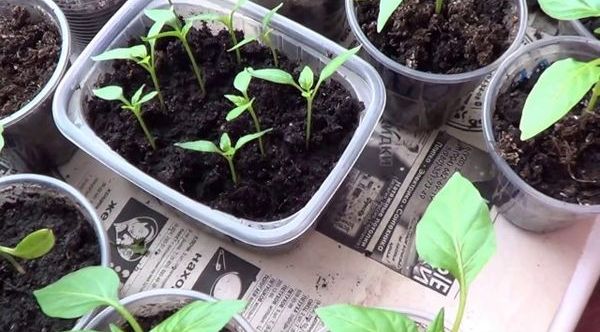
Growing seedlings
Hot peppers can be grown indoors from seeds. Just like when planting outdoors, you can also grow peppers from purchased seedlings.
Hot pepper seeds can be purchased at the store. There's a wide selection of different varieties (Tolstyak, etc.). You can also plant them using seeds you've collected yourself. This will require some care to ensure they're protected from disease and produce good germination rates. Remember to plant only healthy and disinfected seeds. Therefore, it's best to choose store-bought seedlings for seedlings.
To increase seed germination, the following manipulations should be carried out with them:
- Before planting, soak the seeds in wet cheesecloth for 4-5 days before planting. The seeds should be close together, not tangled together.
- gauze with seeds is placed in a shallow bowl filled with water;
- You can disinfect the planting material with potassium permanganate. This will protect them from disease;
- Then they are placed in a warm place. For example, a working radiator could be located next to the container.
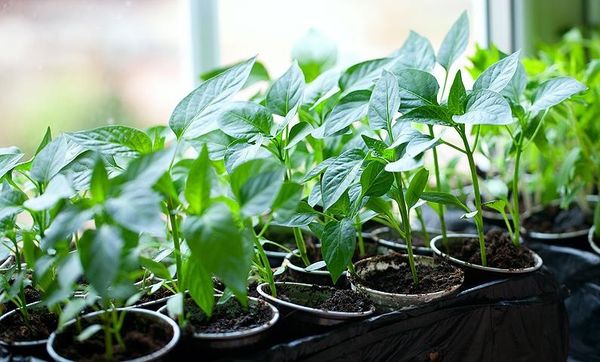
These seeds can be planted to produce seedlings after germination. This method is also used when growing bushes outdoors.
You can also plant dry seeds. However, in this case, the hot red peppers will germinate much later (approximately 3-4 weeks later). The germination rate will depend on the variety.
To grow good seedlings, you need to select the right substrate. If you're growing outdoors, plant the seeds at the same time you apply fertilizer to the beds.
To grow seedlings indoors, mix humus, leaf mold, and sand (in a 2:1:1 ratio). Then, prepare the following:
- a drainage layer (up to 4 cm thick) is placed in the planting container;
- the prepared soil mixture should be poured on top of it;
- Furrows are formed to accommodate the seeds. They should be placed next to each other, with a small gap between them.
Now you can plant the seeds you prepared in advance.
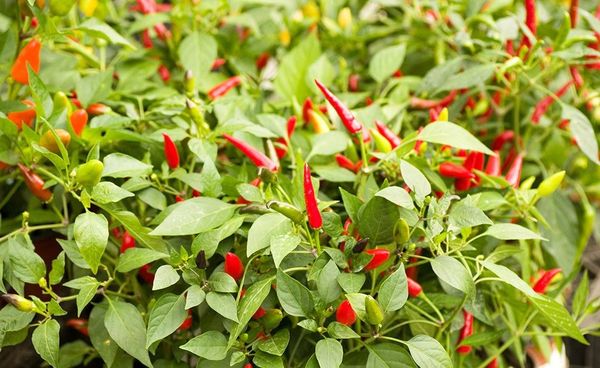
Sowing hot peppers
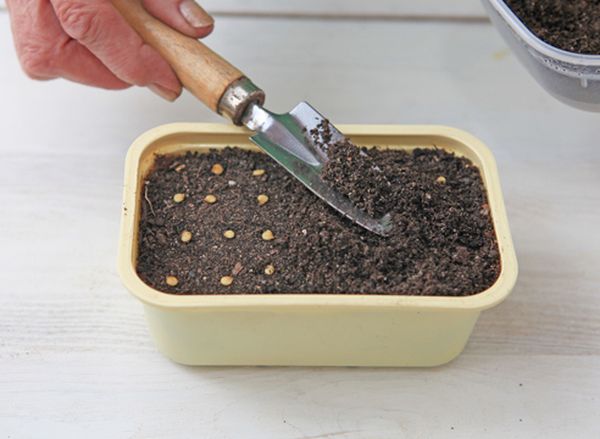
Once all preparations are complete, the seedlings can be planted. Planting is carried out as follows:
- Place the seeds in a prepared bed in the soil, keeping a distance of 2.5 cm. More frequent plantings are possible. If the seeds are planted close together, thin them out after the seedlings emerge.
- then they are pressed into the moistened soil;
- soil is poured on top and the beds are compacted slightly.
This hot pepper planting method is suitable for both indoor and outdoor cultivation. However, indoors, the seedling container should be tightly sealed with a plastic lid to create a greenhouse effect. Therefore, it's advisable to have a heat source near the container.
Germination speed depends on how well the seedlings were cared for. Growing hot red peppers indoors requires different care than growing them outdoors.
Caring for seedlings involves the following steps:
- Watering is carried out on the 6th day. Watering should be done not near the seedlings, but directly on the beds;
- When the first shoots appear, move the container to a well-lit area. At this stage, the hot peppers need at least 18 hours of light. Therefore, place a grow light next to the container.
Transplanting into individual pots is done when the plants have developed several true leaves. During this period, it's important to monitor the seedlings for disease. If diseases develop, treatment will be ineffective, and the seedlings will have to be replanted.
Correct pruning and shaping of the bush
Caring for hot peppers indoors involves shaping the plant and pruning. These procedures should be performed in early spring. This will eliminate weak, old, and dry shoots. Furthermore, this will give the red pepper a neater appearance, and its overgrown shoots will prevent other flowers from getting in the way.
Which fertilizers to choose
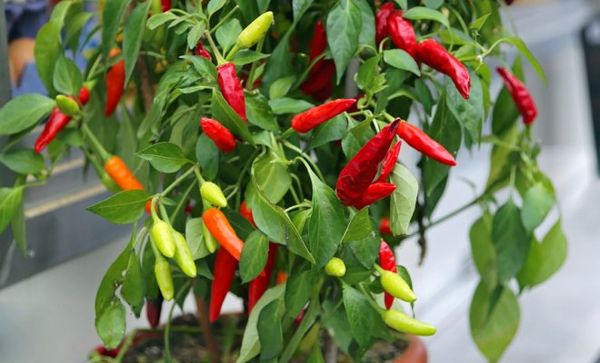
To ensure good fruiting in an apartment, hot red peppers need to be fed. If the plant lacks nutrients, it's susceptible to diseases. Control doesn't always produce the desired results. Therefore, to prevent diseases and pests, pepper care must include fertilizing.
Once a month, the bushes should be watered with a solution of special complex fertilizers containing phosphorus, nitrogen, and potassium. Mineral fertilizers can be replaced with ash or humus infusions. The leaves should be periodically sprayed with a solution of succinic acid.
Timely watering
Caring for hot peppers requires moderate watering. Use warm, settled water. Overwatering can cause the plant to become diseased. Treatment is often ineffective in this case.
Harvesting Features
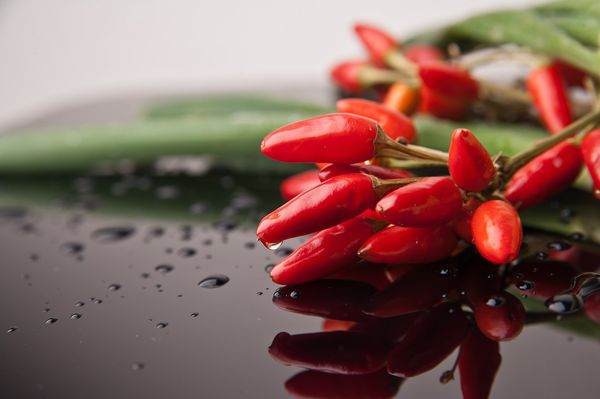
When picking hot peppers, take precautions, as touching the fruit with bare skin can cause irritation. Therefore, only use protective gloves when harvesting. Avoid contact with your eyes and mouth. When chopping the peppers, be sure to wear a respirator mask.
Pots with this crop should be placed out of the reach of small children.
As you can see, growing hot red peppers at home isn't all that difficult. However, you should be very careful when handling the fruit.
Video: Growing Hot Peppers at Home
This video will show you how to grow hot peppers at home.