
Features of spraying peppers with boric acid for fruit set
Content
Benefit
Boric acid stimulates and accelerates the flowering process of peppers. It also helps preserve already formed ovaries. Furthermore, this micronutrient helps prevent fruit rot, even in high-humidity conditions.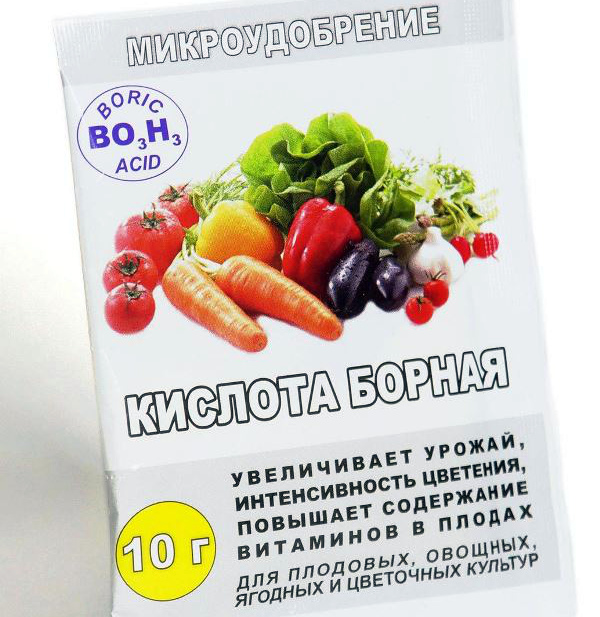
A boron solution increases crop yields. Regular feeding results in significantly better-tasting fruits. The element significantly accelerates the absorption of nutrients by plants.
Boron is especially useful for those peppers that grow indoors (on a balcony or windowsill). Due to the living conditions, such individuals are considered weak.They require enhanced nutrition compared to their soil-dwelling relatives. Boron can overcome all these differences.
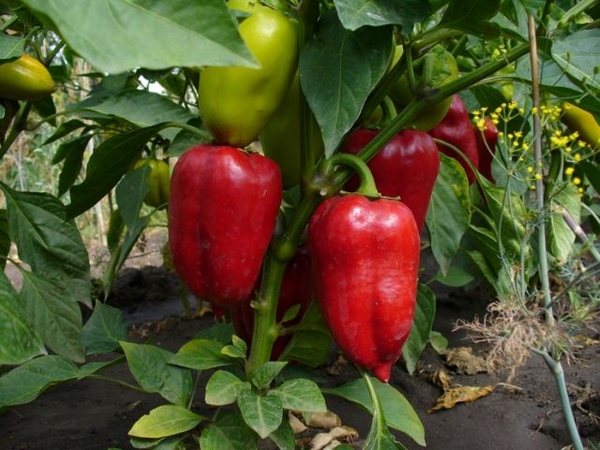
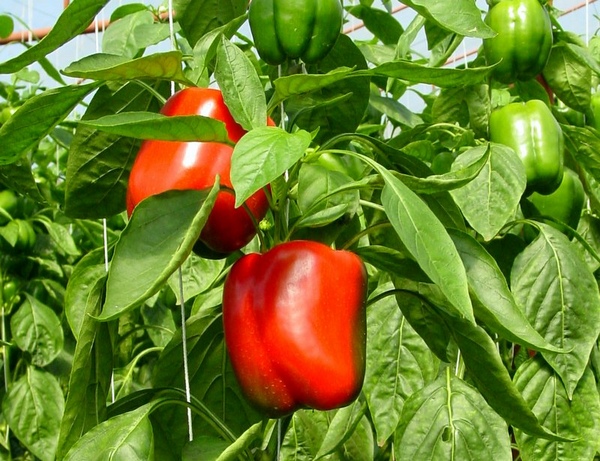
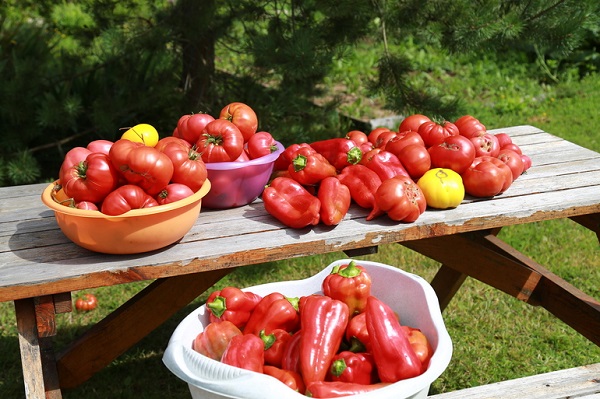
Spraying peppers with boron reliably protects them from late blight. This treatment is also necessary when curled leaves appear on the plants. Fertilizing peppers with superphosphate is not recommended at this time.
Boron is also beneficial for plants whose leaves have fallen. In this case, it's better to use a combination of boric acid and mullein and urea rather than pure boric acid. Most gardeners soak seeds in a boric acid solution before planting. To do this, prepare a solution consisting of several components: add an equal amount of ash solution to half a liter of onion peel infusion, then add 0.005 kilograms of baking soda, 0.2 grams of acid, and 1 gram of manganese. Seeds treated with this solution before planting will be reliably protected from late blight.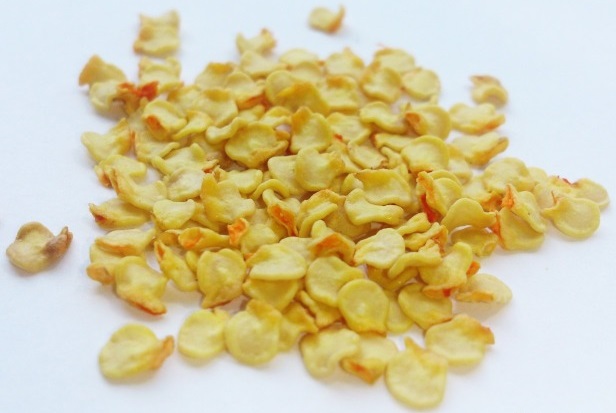
How can you tell if a plant is in dire need of boron? There are a number of signs of this. First, the upper leaves turn pale, become small, and lose their usual shape. The upper shoots die off. Second, there is poor flowering and fruit set.
Spraying peppers with boric acid to promote fruit set is done using a specially prepared solution (0.002 kilograms of acid diluted in a bucket of water). This solution is excellent not only for peppers but also for eggplants, zucchini, and cucumbers. The prepared solution will help prevent fruit rot in these crops.
Video "Secrets of Growing Peppers"
This video will show you how to grow a great pepper crop.
When to spray
Peppers are fed several times during their life cycle.
The first time to feed the plant is before flowering. The best time is when buds begin to form. Fertilizing during this period will help increase the number of buds and accelerate their development.
The next fertilization is carried out during the period of active flowering of plants. During this period, nutrients can stimulate the formation of ovaries and help the flowers stay on the plant.
The third time you feed the peppers is when the fruit begins to ripen. Boric acid will help make them more beautiful and tasty. This beneficial chemical will reliably protect the plant from rotting.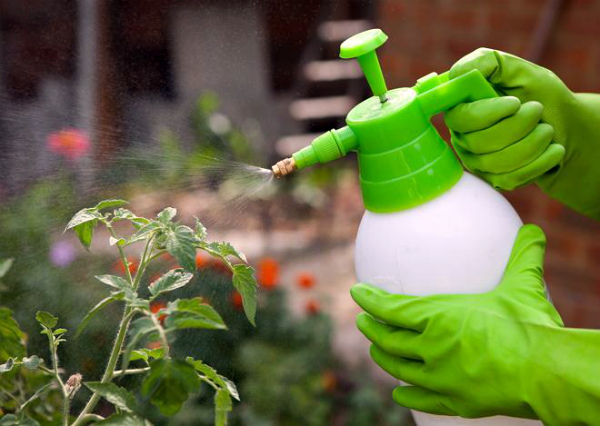
It's worth noting that each fertilization doesn't have to be done according to a strict schedule. Sometimes, peppers need fertilizing to improve their condition. Often, the plant is deficient in a certain mineral. This can be due to poor soil, which contains virtually no boron.
Peppers grow best in fertile soil rich in nutrients and minerals: black soil or chestnut soils, which are naturally rich in boron. However, the soil often contains a significant amount of sand or clay, making additional fertilization with boric acid essential. This will help nightshade crops thrive.
What is the correct way?
Fertilizing peppers with boron doesn't require any special knowledge or skills. The micronutrient is often applied foliarly using a sprayer. It's best to wait for a clear, dry day to apply the fertilizer. Ideally, apply it at sunrise or sunset. Avoid watering the plant during periods of intense sunlight. First, prepare the solution, let it cool, and only then apply it. A liter of the solution is required for a dozen square meters. The solution can be diluted in various ratios, depending on the desired application. You can also purchase a ready-made solution.
To ensure that the ovaries remain on the plant and don't fall off, dissolve one gram of acid in a liter of hot liquid (but not boiling water!). The peppers are then treated with the cooled solution. The amount of the solution is easily calculated based on the number of peppers.
To combat late blight, simply dilute a teaspoon of the acid in a bucket of warm water. Apply the solution after it has completely cooled. Pre-spraying the peppers with potassium permanganate will improve the effect. After a week, apply the acid solution, followed by iodine. Ensure the boric acid crystals are completely dissolved. It's also important to monitor the amount of fertilizer applied. After all, an excess of minerals is just as dangerous for the vegetable as a deficiency.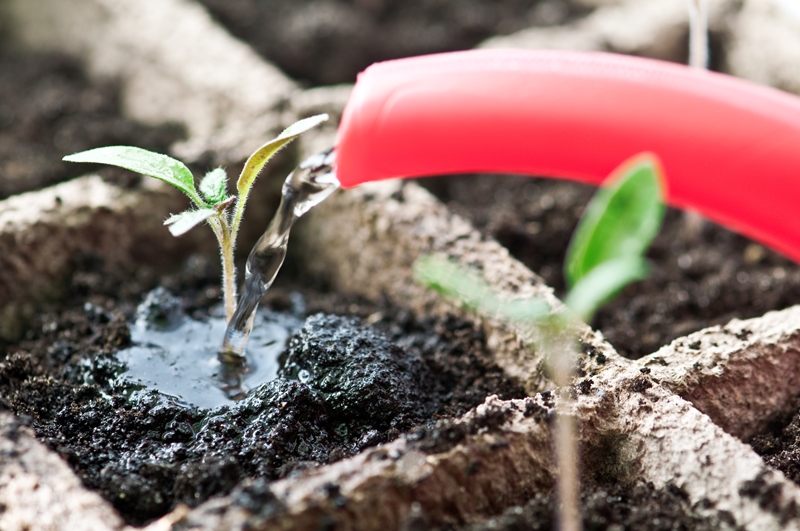
In addition to foliar application, watering with a boric acid solution is also used. In this case, the substance is applied under the roots.
So, boric acid is extremely beneficial for peppers. Therefore, you should never neglect adding this element.
Video "Spraying"
This video will show you how boric acid helps in the garden.