
What to do if pepper flowers fall off?
Content
The influence of temperature and humidity
Peppers are very sensitive to temperature and humidity, especially when grown in a greenhouse. In this case, a vegetable grower will have to work hard to please the plants and not lose the harvest. And keeping peppers happy with temperature is no easy task, as both high and low temperatures are equally harmful.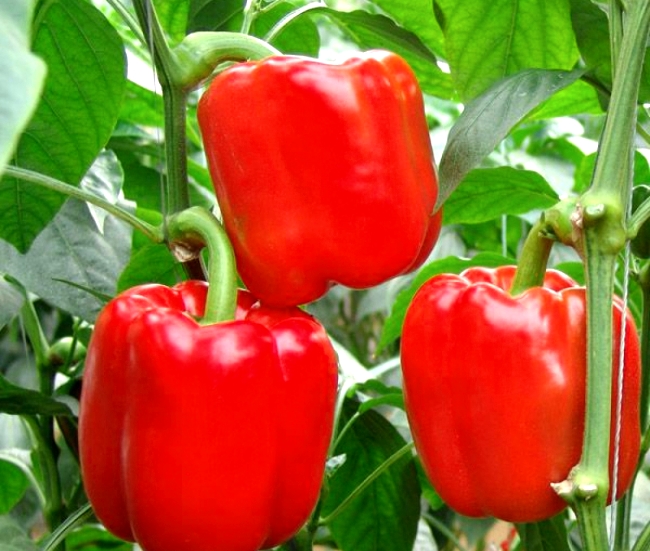
While peppers are growing, the optimal temperature is considered to be 20-22°C. If this temperature rises, the plants will become elongated and weak, and if the temperature drops, the young seedlings will stop developing. After transplanting into a garden bed or greenhouse, the ideal temperature for active pepper development is 25-26°C, and any fluctuations in this temperature will have adverse effects.
With a temperature drop, as well as with a rise of just 5°C, flowers begin to fall, and those that remain fail to set. Mature bushes are more resilient, and if fruit has already set, they can ripen at 15-16°C. However, when the temperature drops to 13°C, the root system stops absorbing nutrients, and the plants begin to die for biological reasons.
Seedlings should be planted outdoors only at the end of June, when the weather has become consistently warm. However, even this doesn't guarantee that the seedlings will thrive, as temperatures drop at night. The optimal option for peppers is growing them in a greenhouse, but this can only be successful if optimal temperature and humidity conditions are maintained.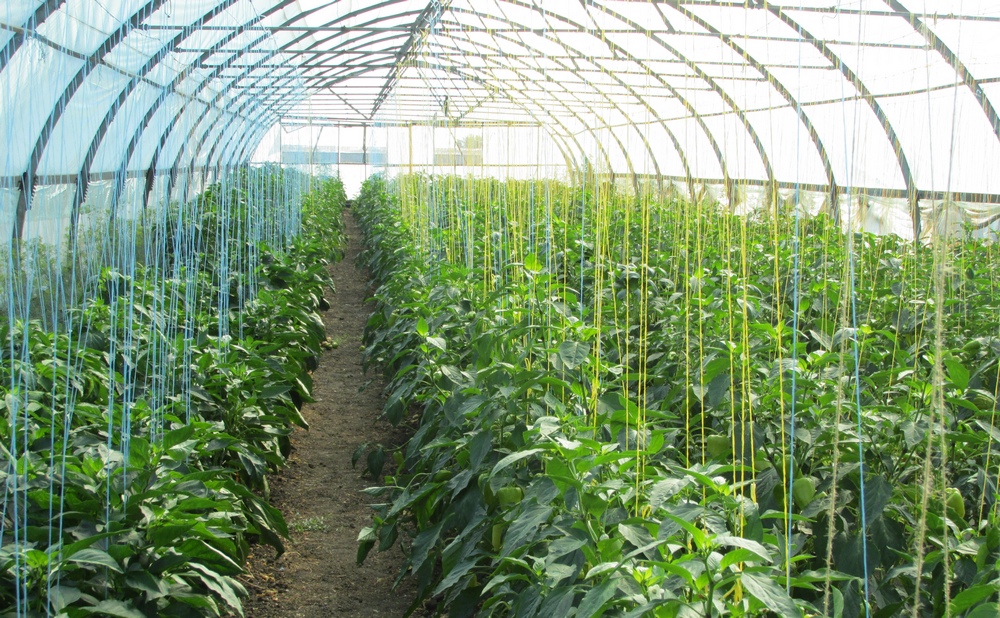
Peppers are no less sensitive to changes in air humidity. Ideally, it should be between 60-70%. In greenhouse conditions, regular ventilation and appropriate humidity measurements will help maintain this humidity. If the humidity level is low (the room is very hot and dry), it's necessary to place containers of water or spray the floor and plants with a sprayer.
Video "Growing"
This video will show you how to grow peppers.
The influence of fertilizers
A lack or, conversely, an excess of fertilizer in the soil can also prevent peppers from blooming or from dropping their fruit. Overfeeding is much more common. Many gardeners regularly feed their plants with various fertilizers in the hopes of a bountiful harvest. This is partially successful—a single branch may produce several dozen flowers, but it's clear that the plant can't support that many. The plant recognizes this and begins to drop the excess flowers. What can be done in this case? Simply stop fertilizing for a period of 2-3 weeks.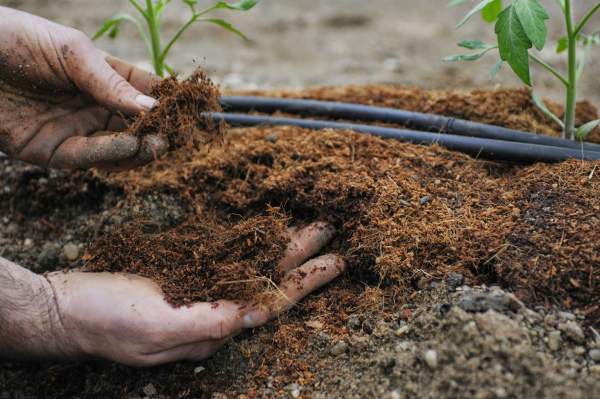
Another reason why pepper flowers and leaves are dropping: you regularly fed the plants humus (rotted manure, compost) and nitrogen fertilizers during the initial growth stage. These fertilizers are indeed necessary at the very beginning of the growing season, but since nitrogen mixtures have a fairly long aftereffect period, the plants continue to absorb nitrogen even during flowering, when the need for nitrogen is no longer present. As a result, the plant actively grows foliage, but shows no signs of setting fruit.
The influence of harmful insects and diseases
The situation when a bush does not bloom or the ovary falls off due to insect damage occurs quite rarely, but it does happen. 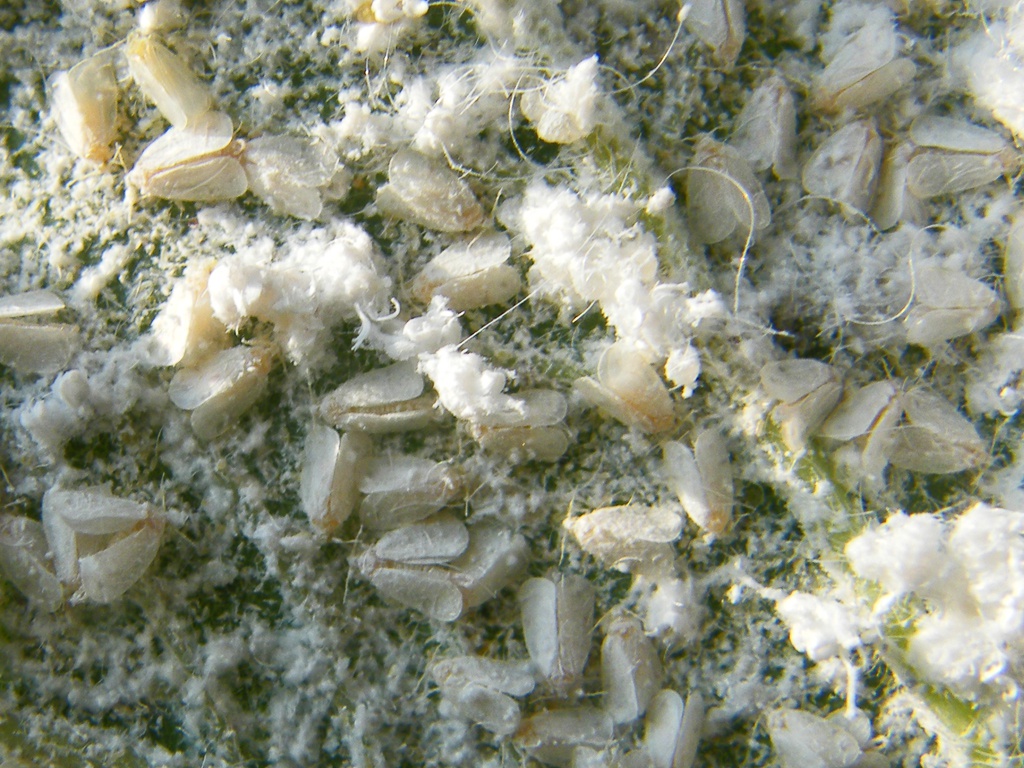 Typically, such changes begin to occur in peppers when the plants are severely diseased or damaged.
One of the most harmful pests of sweet peppers is the spider mite. It can appear on both garden and greenhouse peppers. The presence of the pest can be detected by the fine webbing that covers the plant.
The pest feeds on the plant's sap, causing it to become exhausted. The weakened plant, of course, loses its ability to bear fruit and sheds its flowers.
Greenhouse peppers can be damaged by greenhouse whiteflies. These are small, moth-like insects with thin white wings. It's not the whiteflies themselves that are harmful to peppers, but rather their secretions, which lead to fungal growth and leaf damage. In the open ground, peppers can be damaged by mole crickets, ants, nematodes, and even the Colorado potato beetle. Most of these pests, living in the soil, gnaw at the pepper roots, causing the plants to slowly die, the first sign of death being the shedding of flowers and ovaries.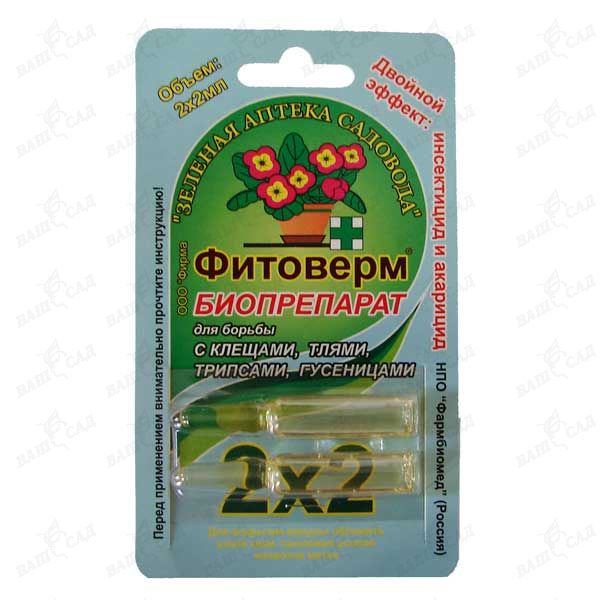
Any fungal disease can cause flower loss, especially late blight, rot, verticillium wilt (plant wilt), and bacterial spot. These diseases initially damage the leaves and then the entire plant, but the first sign of trouble is the loss of ovaries and flowers. How to combat diseases and insects? First of all, clean the soil, as pest larvae and fungal spores thrive in it. During disease, biological treatments (Fitosporin, Fitoverm) can be used.
Other reasons
If all of the above factors leading to the loss of flowers and ovaries have been eliminated, but the problem still persists, then the reason may be the following:
- failure to comply with the lighting regime - the daylight hours for peppers should be 12 hours, deviations from this parameter by more than 1 hour can lead to flower shedding;
-
- Pepper is quite demanding regarding the composition and quality of the soil - in heavy, even well-fertilized soil, it develops poorly, and the absorption of nutrients slows down, which also leads to problems;
- too many flowers – from 30 to 100 flowers can appear on one bush, but no more than 10 become fruits, and all the rest simply fall off – this is normal;
- It is recommended to pluck the first buds on the bush - this measure allows the plant to get stronger, and then produce more flowers and ovaries;
- lack of pollination - flowers that are not pollinated fall off (this is also normal), but if all flowers are not pollinated, then this procedure must be carried out manually.
Peppers are often grown indoors as potted plants. If you've provided them with a comfortable microclimate and proper care, but the flowers are still falling off, try replanting the plant into a larger pot. Sometimes, the plant simply doesn't have enough space to fully develop.
Video "Diseases and Pests"
This video will tell you about pepper diseases and pests.