
Caring for and growing indoor peppers
Content
Growing
Peppers, a houseplant, are shrubs descended from species native to understory areas. Although these varieties thrive in shaded areas, there are certain nuances to growing them indoors.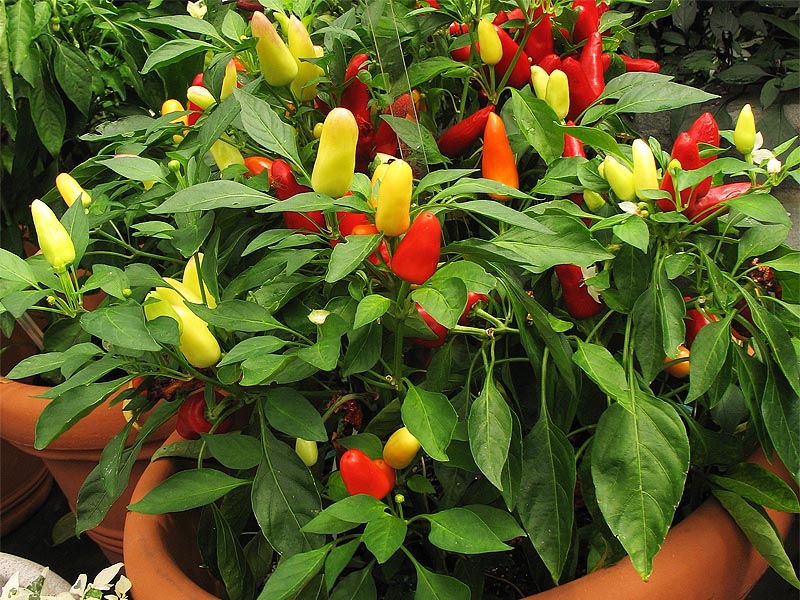
When growing ornamental peppers, it's important to remember that they're native to the south. Therefore, the combination of cloudy weather and short daylight hours is a real challenge. The plant is particularly vulnerable to low light from November to January. If there's insufficient light, the pepper stops growing and blooming. The answer to the question "why are my peppers dropping flowers?" is a lack of light. With short daylight hours, the plant begins to shed not only the flowers but also the leaves. Because of this need, peppers grown indoors require additional lighting during the winter. This can be achieved using phytolamps (any light source can be used). Remember, this plant requires a 12-hour daylight period.
As a perennial plant, peppers, with proper care, can live up to 10 years indoors. Care begins as early as the soil preparation stage.
For growing seedlings, it is recommended to use purchased soil mixtures, but for a pot (permanent container), you should prepare the soil yourself.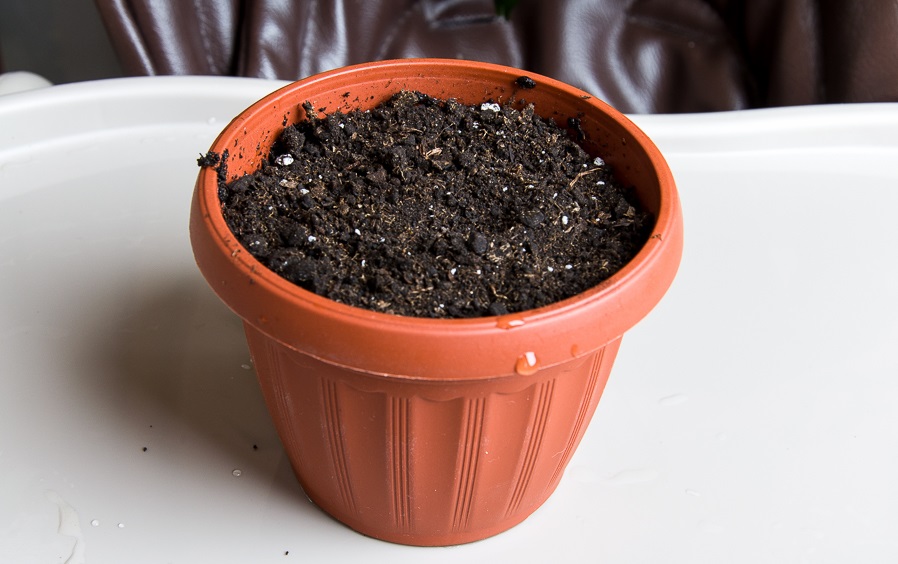
When preparing the soil, remember that peppers prefer slightly acidic soil (pH 6.5-7). Therefore, to prepare the soil mixture, use the following ingredients:
- leaf or compost humus (4 parts);
- neutralized peat (4 parts);
- Agroperlite or vermiculite (2 parts). This ingredient helps the soil retain moisture well and prevents it from compacting too much.
Once the potting mix is ready, it should be poured into the chosen container. However, before adding the soil, place clean gravel or expanded clay on the bottom of the pot. The layer should be 2-3 cm thick. This will ensure good drainage. Some gardeners recommend adding humus, compost, and river sand to the nutrient-rich soil.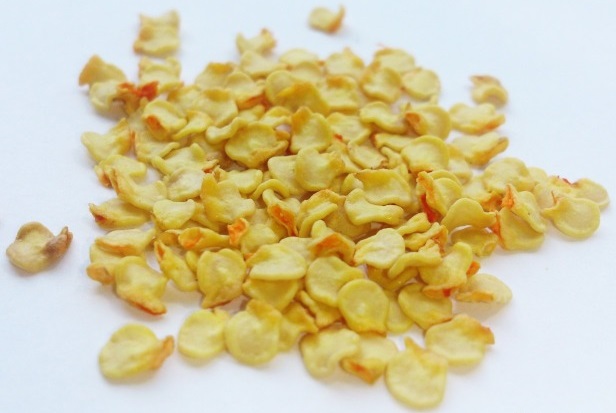
Sow the seeds randomly. Afterward, cover them with a thin layer of sifted soil. The first shoots typically appear 15 days after sowing. Once they appear, pinch the tops of the shoots to prevent them from stretching. Pricking out is usually done one month after sowing.
Peppers grown in an apartment or house should receive the following care:
- good lighting – for 12 hours;
- regular application of organic fertilizers: chicken manure and mullein solution;
- timely and abundant watering;
- loosening the soil.
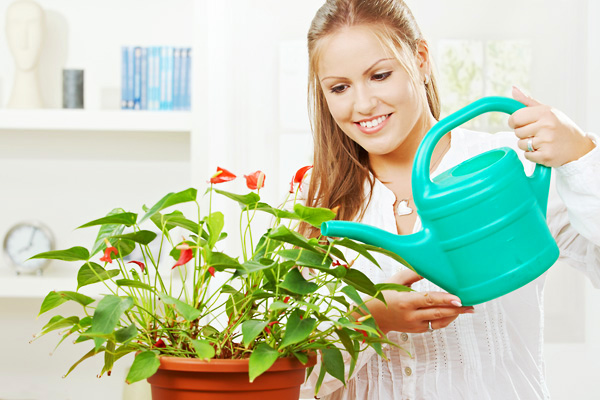
If properly cared for, the plant will bloom with small white flowers. During this period, the indoor pepper plant takes on a particularly striking and decorative appearance.
It's worth noting that fruit formation does not require artificial pollination. Once the harvest has been collected, the peppers need to be rejuvenated. To do this, they are replanted in new soil. The replanting should be done carefully to avoid damaging the root system.
It's recommended to repot the plant every three years. When repotting, remove any overly vigorous or old shoots. Pruning will ensure that your ornamental pepper not only produces fruit but also looks beautiful.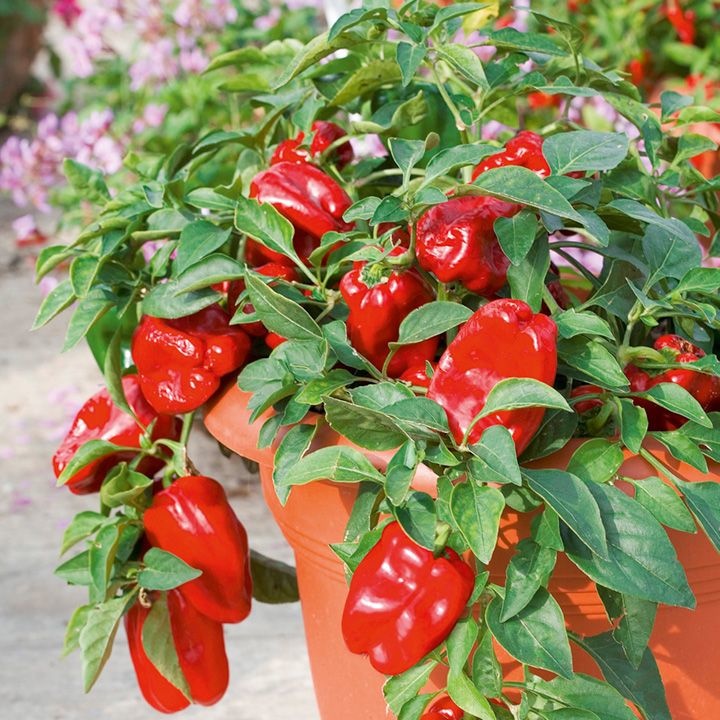
If the bush isn't properly cared for, various diseases can develop. These diseases are especially common due to improper watering or insufficient lighting.
As we can see, peppers are an easy crop to grow indoors. The key is to create the right conditions.
Video "Description"
From the video you will learn a lot of interesting things about this indoor vegetable.
Varieties of varieties
It's important to understand that potted peppers are purely a matter of taste. Any hot pepper with a suitable plant size and easy care can grow in such conditions. Therefore, hot peppers suitable for indoor growing can be of any type. You can choose from varieties suitable for both outdoor and indoor growing.
When choosing a variety, be aware of the existence of Solanum pseudopiperi, also known as "Jerusalem cherry." The fruits of this plant are poisonous.
For growing peppers at home, it is recommended to choose from the following varieties:
- Ogonyok. A mid-early variety that begins fruiting 115-120 days after germination. Elongated, bright red pods form on a small bush. They are large and smooth, weighing an average of 45 g.
- Aladdin is an ultra-early variety characterized by long and abundant fruiting. Indoors, the bush grows to 35-40 cm, producing small, elongated, cone-shaped fruits. The peppers are aromatic and spicy. Initially, they are creamy purple, later turning red.
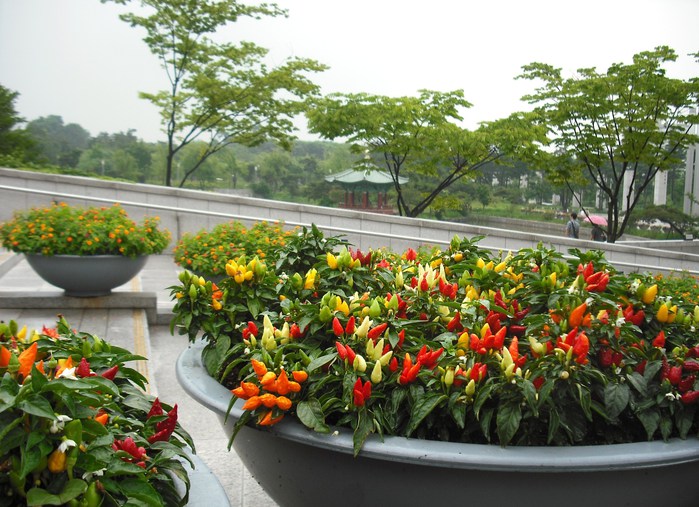
- Bellflower. This ornamental pepper belongs to the Capsicum berry family. Its fruits resemble small squash, bells, or berries, gracefully suspended from a stalk. A single pepper weighs approximately 60-100 g. The placenta has a pungent flavor, while the rest has a pleasantly sweet and sour taste.
- Explosive Amber. This variety is characterized by purple-green foliage. The pods can be scarlet, purple, pink, or creamy. They are only 2.5 cm long. The peppers have a spicy flavor. They ripen 115-120 days after sowing.
In addition to the above-described species, the following varieties can be grown at home:
- Poinsettia. The fruit forms in distinctive clusters at the ends of the branches, resembling unusual flowers. The fruit is 7.5 cm long and has a distinctive, pungent flavor;
- Garda Firewax. This plant forms low bushes, no taller than 30 cm. The bush is usually densely covered with upward-facing pods. The pods can be several colors at once: orange, green, red, and lilac. They are 5.5 cm long and have a fairly pungent flavor.
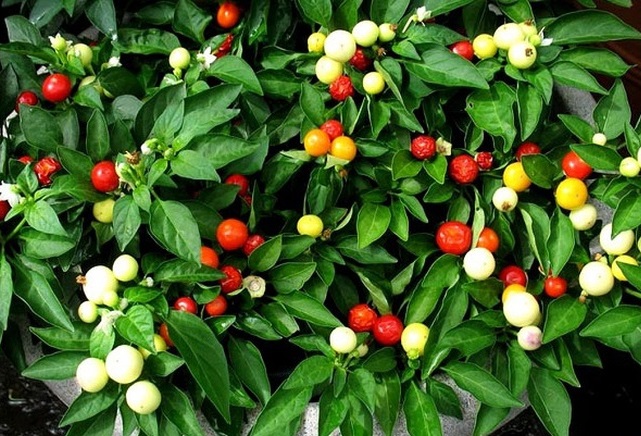
- Nosegay. This is the smallest and most compact variety, reaching a height of no more than 15 cm. The plant produces small, round fruits. Their color changes from green, cream, and orange to red as they ripen. The fruits have a medium-spicy flavor.
The following varieties are particularly decorative varieties of pepper:
- Variegatta. The bush has a variegated leaf blade;
- SHU. Characterized by variegated leaf coloration;
- Purple Tiger. A small bush producing small, light purple fruits. The species is characterized by variegated leaves;
- Salsa Orange. The most popular variety, distinguished from others by its small orange pods. It bears a strong resemblance to Ogonyok.
- Rowanberry. The most interesting variety. It bears multicolored small pea-shaped fruits that resemble rowan clusters. The bush is composed of slightly curled, boat-shaped leaves.
These are far from all the varieties that can be grown indoors. However, these are the most popular.
Common mistakes
When growing peppers indoors, it's important to be aware of the most common mistakes and avoid them. Otherwise, the plant will be susceptible to various diseases. Even treating them immediately after spotting the first signs of illness won't always save the plant from death.
The very first mistake inexperienced gardeners make is not maintaining proper watering. Don't water the plant with cold water. This will lead to root rot.
Since pepper is a heat-loving crop, it only needs to be watered with water at room temperature.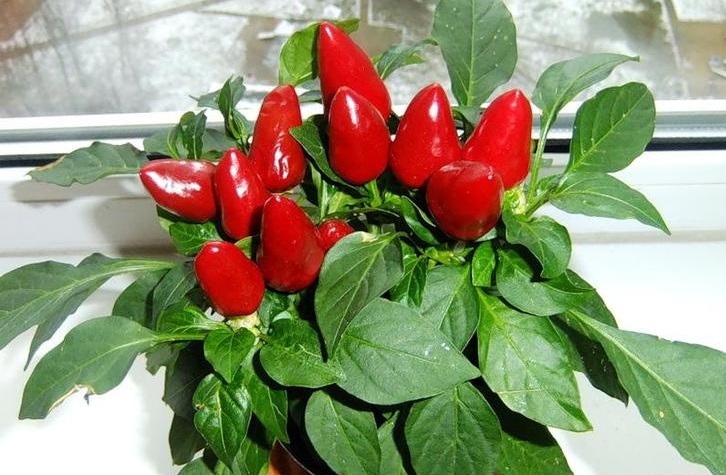
If the pot is placed near a heating system, watering should be done every other day, as the soil will dry out quickly. In these conditions, it is recommended to place a container of water near the pot to allow for evaporation. Under normal conditions, watering should be done twice a week.
Besides improper watering, the most common mistakes include the following:
- Pinching the central root when growing seedlings too densely. Of course, pinching won't kill the plant, but it will take a long time to grow away from the root;
- If pests appear on the bush, don't throw it away. Pepper itself is a repellent for many types of insects. If they are present, simply treat the bush with a soapy solution. Hot peppercorns soaked in warm water can be used to combat pests;
- In dry climates, spider mites can appear on pepper plants. To combat them, simply increase the air humidity. For a severe infestation, use Fitoverm. This herbal product is safe for the plant and its fruit.
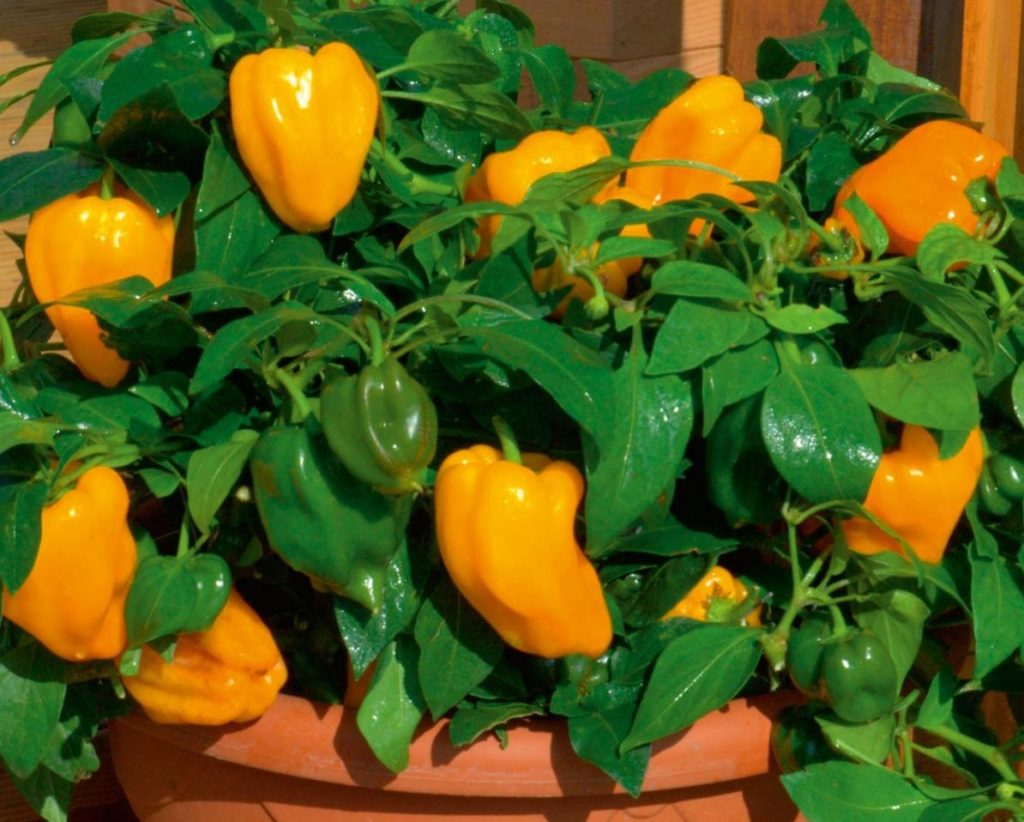
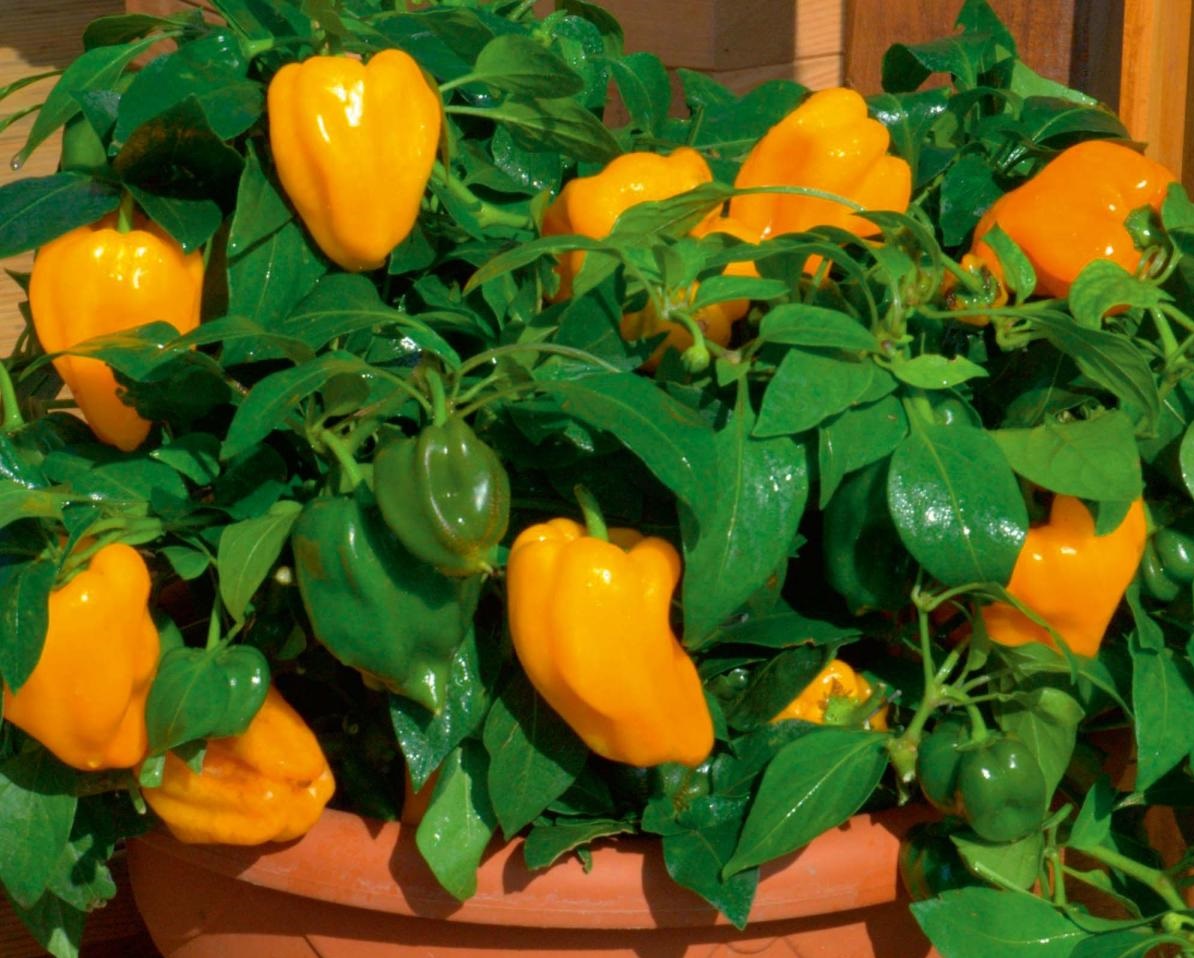
If the pot has been on a balcony or in a summer greenhouse for some time, the pepper may begin to shed its leaves when brought indoors. This indicates a lack of light. To solve this problem, install supplemental lighting. If you don't want flowering, you can simply prune the shoots back by about 1/3 and stop overwatering. However, remember not to allow the soil to dry out in this situation.
Useful properties and applications
Peppers grown indoors can be used as an ingredient in a variety of dishes. They can be used to make hot sauces and seasonings. They can also be used in canning.
Hot pepper pods are an excellent appetite stimulant. This plant is considered medicinal, as it is an ingredient in many healing tinctures. They are prescribed for gastrointestinal disorders, radiculitis, and neuralgia. They are also widely used to prevent burns. However, remember that pepper tinctures should not be used if you have pancreatic or liver problems.
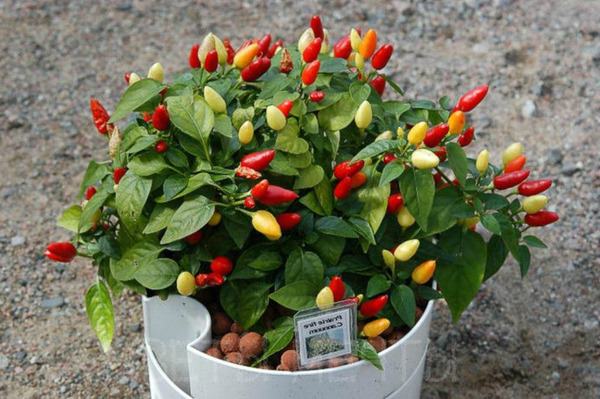
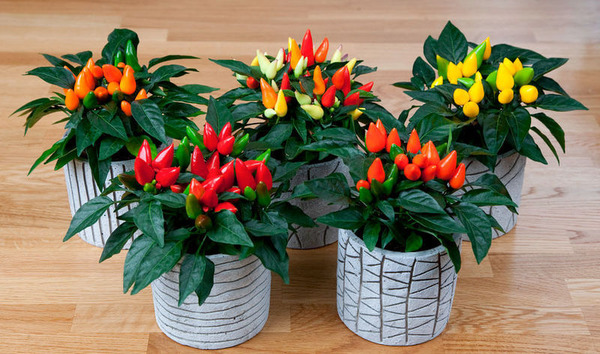
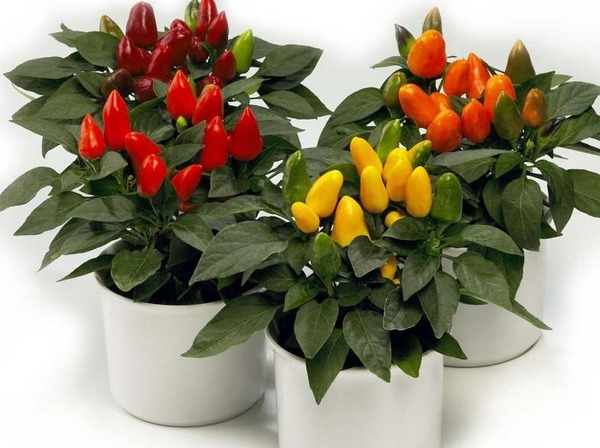
Peppers are a very popular crop, widely grown today not only in greenhouses and open ground, but also indoors. To ensure a good harvest and a beautiful plant, it's important to follow simple care guidelines and be aware of the most common mistakes. Overall, caring for peppers at home is quite simple.
Video "Growing"
From the video you will learn how to grow this vegetable.