
When and how to plant pepper seedlings in the ground?
Content
When and where
Pepper seedlings should be planted in the ground only after warm weather sets in, as frozen ground negatively impacts the sprouts, slowing their growth. Peppers should be planted when the air temperature is consistently at least 15°C (59°F) and the soil at least 10°C (50°F).
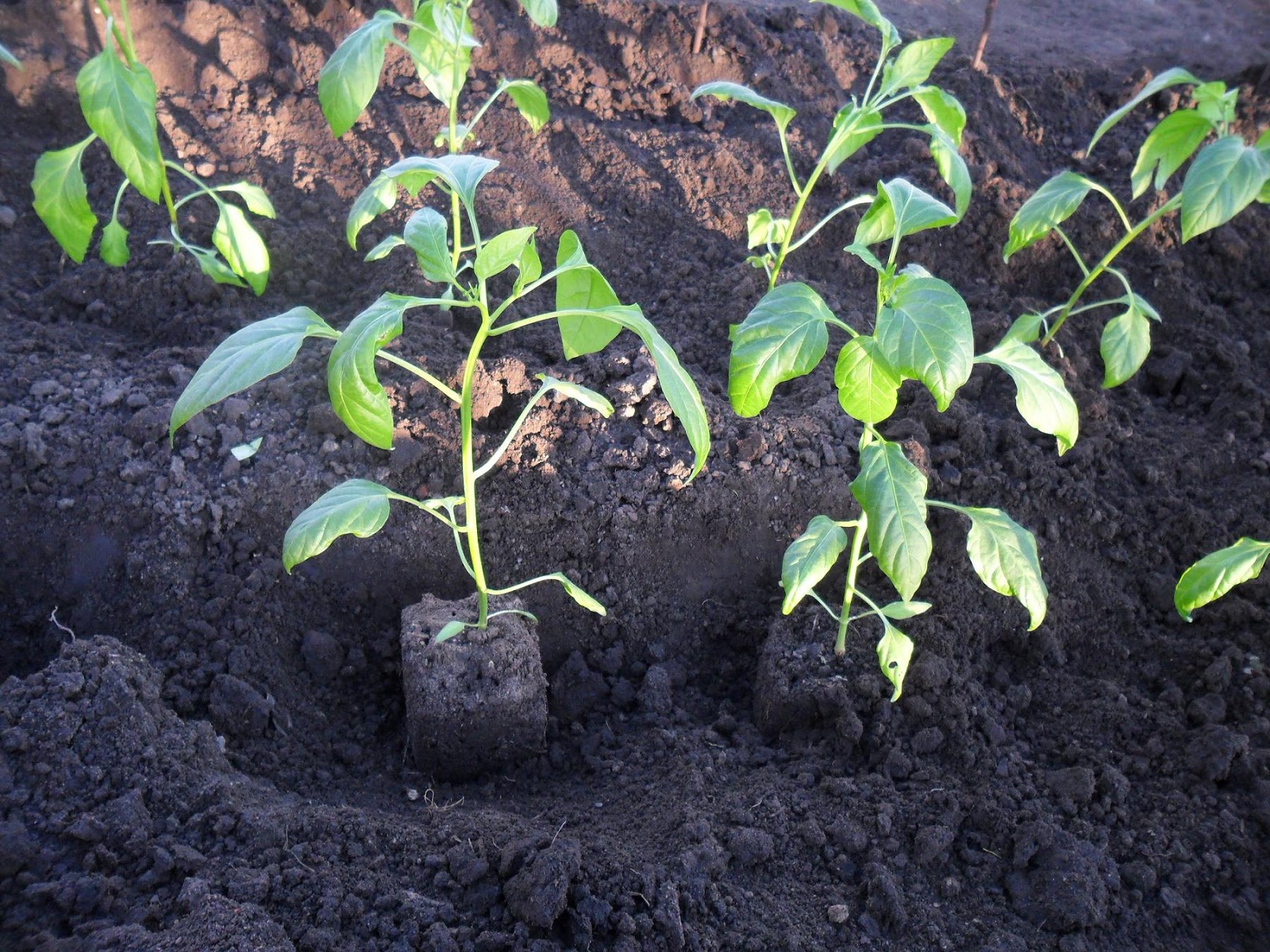
The timing of agricultural practices depends on geographic and climatic conditions. Plants can be killed by frost. Therefore, in the Moscow region, seedlings should be planted in the soil when buds begin to form. By this time, the seedlings already have up to a dozen leaves.
Peppers are transplanted into greenhouse soil between May 1 and 15, and into open ground between May 10 and 30. Newly planted seedlings should be covered with plastic wrap, thus creating a greenhouse.
You need to choose the area for pepper carefully:
- You cannot use soil for planting where eggplants, tobacco, or potatoes were previously grown.
- Soil where cucumbers, cabbage, greens and legumes were grown is also not suitable.
- You cannot plant peppers in the same area 2 years in a row.
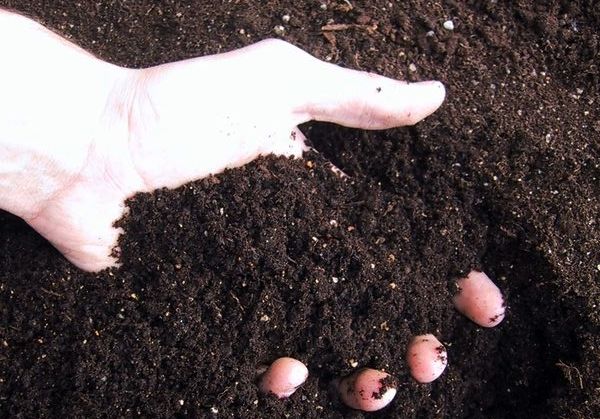
The soil must be cleared of weeds in advance, fertilized, loosened, and prepared to retain water.
Planting technology
Planting seedlings into greenhouse soil is carried out only after preliminary preparation of the soil.
The soil needs to be softened by loosening it. This is the only way for moisture and air to pass through easily. After loosening to a depth of 40 cm, add manure and then level the soil. Tall plants should be planted in a 50x80x70 pattern, with three plants per square meter. For smaller peppers, the pattern is 60x30, with four plants per square meter.
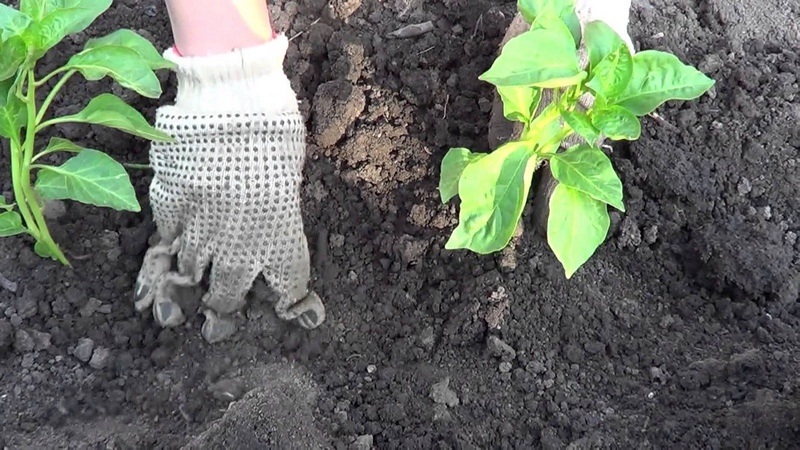
In the Moscow region, peppers can be planted in ribbons (in two rows) spaced half a meter apart. The seedlings are staggered, leaving up to 90 cm between them.
Planting vegetables in unprotected, open soil requires hardening off the young seedlings. This is accomplished by bringing the seedlings outdoors, gradually increasing their time outdoors.
Bell peppers grown at home, subject to technology - A natural vegetable with a wonderful, unique taste that will saturate the body with beneficial substances.
Soil preparation
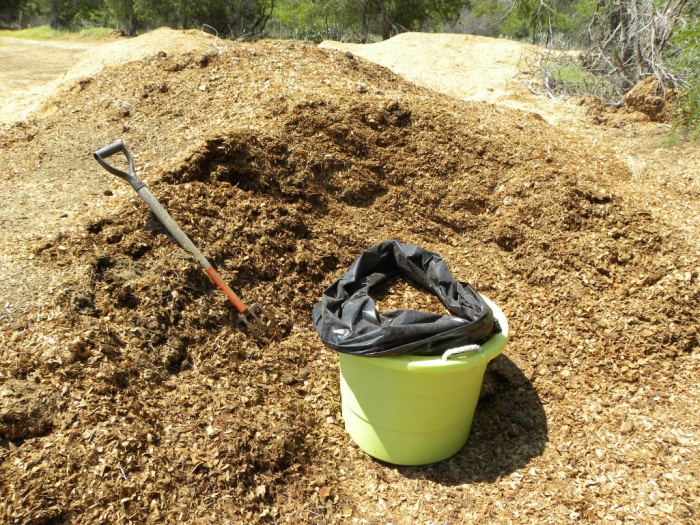
Unfortunately, not every open soil is ideal for growing peppers. Therefore, the soil must be prepared in advance by loosening and fertilizing it. For example, in Ukraine, sandy soils are nourished with humus, wood shavings, clay soil, and peat. Loamy soils can be "rehabilitated" with rotted sawdust, peat, and manure.
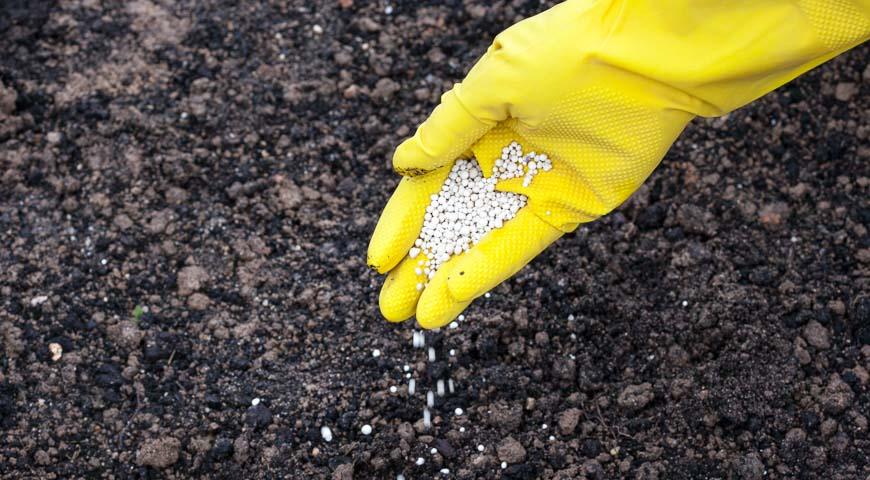
Peat soil requires turf and humus, while clay soil, on the contrary, requires peat, humus, sawdust and coarse sand.
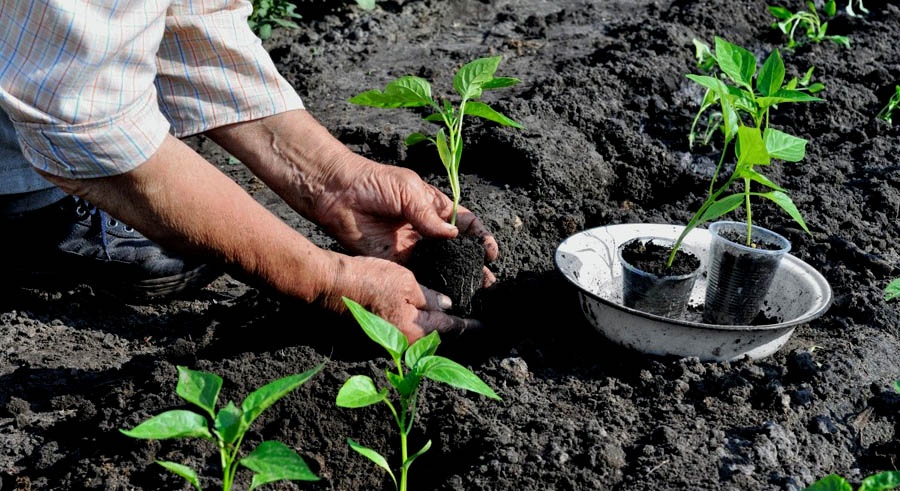
Planning to plant? A week beforehand, the open ground should be sufficiently moistened. The holes in the soil should be slightly larger than the container in which the seedlings are growing. Sweet and hot peppers should never be planted next to each other. This could cause self-pollination, resulting in a bitter taste throughout the crop.
Bitter varieties of vegetables are grown at a distance of 25 cm between bushes, and up to half a meter between rows.
Transplanting
Planting seedlings requires seed treatment. There are several disinfection options:
- 1% solution of manganese followed by rinsing with water.
- Treatment with preparations: "Zircon", "Albite".
- Antifungal treatment with Immunophyte.
After the procedure, it is necessary to perform several more operations:
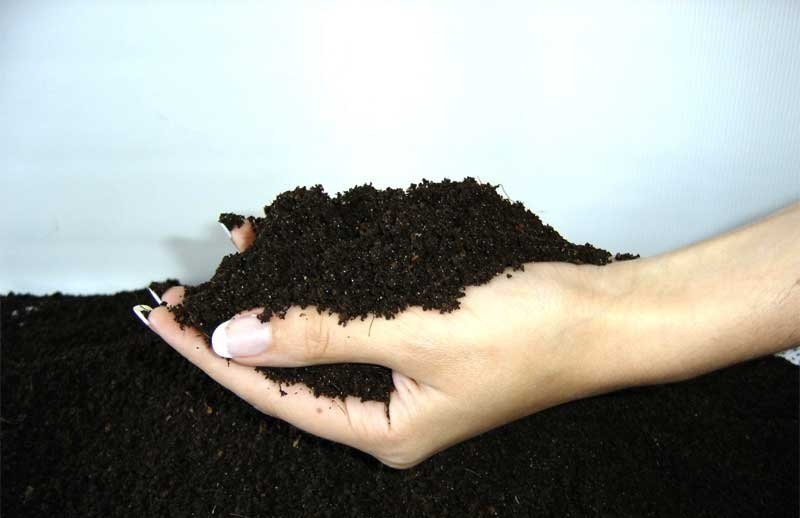
- Preparation of a soil mixture (peat, humus, yellow sawdust treated with boiling water), which is treated with wood ash and a solution of manganese.
- Fertilizing the soil with superphosphate, potassium sulfate and ammonium nitrate.
- Small containers (usually pots) are filled with prepared moist soil.
- The seeds are planted one centimeter deep, 2-3 pieces in each hole.
- The containers are covered with film or cellophane, and the soil is watered by spraying water.
In a greenhouse, maintain a temperature of 25°-30°C for four days to encourage seedlings to emerge. When the first shoots appear, remove the plastic wrap and lower the temperature to 18°C. On the fifth day, water the seedlings with warm, settled water. After seven days, return the temperature to 25°C.
After the first leaf has formed on the pepper sprouts, the plants must be transplanted into larger containers made of peat or soil-soluble substances.
When three leaves appear, the plant should be fertilized with a solution of urea, superphosphate, and potassium salt. After fertilizing, the peppers should be watered. Fertilize again after the fourth leaf forms.
Peppers love light, so after the second leaf emerges, they should receive 12 hours of daylight. Artificial light sources can also be used for this purpose.
During the development of the sprouts, it is necessary to add soil to the containers twice to avoid starving the vegetable. Watering the crop should be done as needed, but do not allow the plant to become overwatered.
The correct way to plant peppers in unprotected soil is to do this after the buds begin to appear (approximately 50 days after sowing the seeds). If the plant "outgrows" the soil, it may lose its immunity.
Video: Planting Pepper Seedlings in Open Ground
Honored gardener Luiza Nilovna Klimtseva explains how to choose the right time to transplant pepper seedlings into a greenhouse and what fertilizers to use.
Care
To achieve the expected results, you need to properly care for the planted peppers, depending on their growing conditions.
In greenhouse conditions, the soil should be loosened regularly to a depth of 5 centimeters. This should be done carefully, between seedlings, to avoid damaging their roots. Also, in protected growing conditions, the soil should be fertilized with peat.
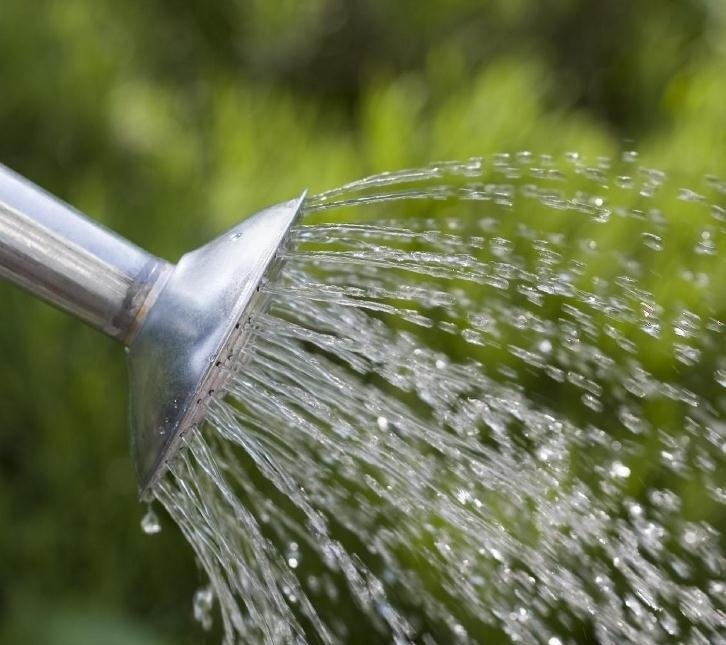
Vegetables need to be watered frequently, preventing them from drying out. As the plants grow, they should be tied to supports, securing five stems per plant and removing side shoots. To ensure abundant fruiting, remove the first flowers immediately, leaving two leaves per mature vegetable.
To pollinate, shake the peppers, touching the support wire. The first fruits can be expected 10 weeks after planting. Harvesting should be done no more than once a week.
Planting plants in open ground also requires proper care of the seedlings, but has its own specifics.
Pepper bushes are tied as they grow and formed into three stems. The plants are watered weekly, at a rate of one bucket of water per square meter.
Fertilization can be performed up to 5 times, with intervals of a couple of weeks. The fruits are harvested without coloring.
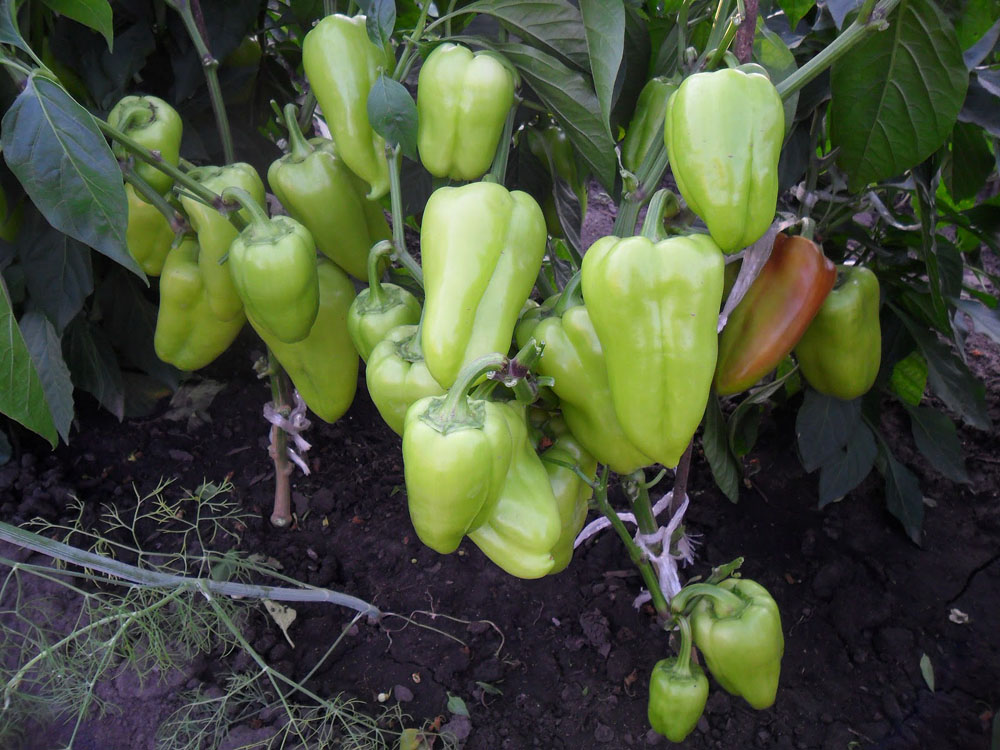
Bell peppers are a frequent guest on many tables. They are eaten raw, in salads, and are also an ingredient in many dishes. Anyone can grow them; the main thing is to follow the recommendations of experienced gardeners and agronomists.
Video: Growing and Caring for Sweet Peppers in a Greenhouse and Open Ground
The video's author shares his own technology for caring for sweet peppers in greenhouses and open ground.