
Growing hot peppers correctly
Content
Planting dates
Just like sweet pepper varieties, hot peppers have similar planting, germination, and ripening times. After sowing, seedlings will appear within a couple of weeks.
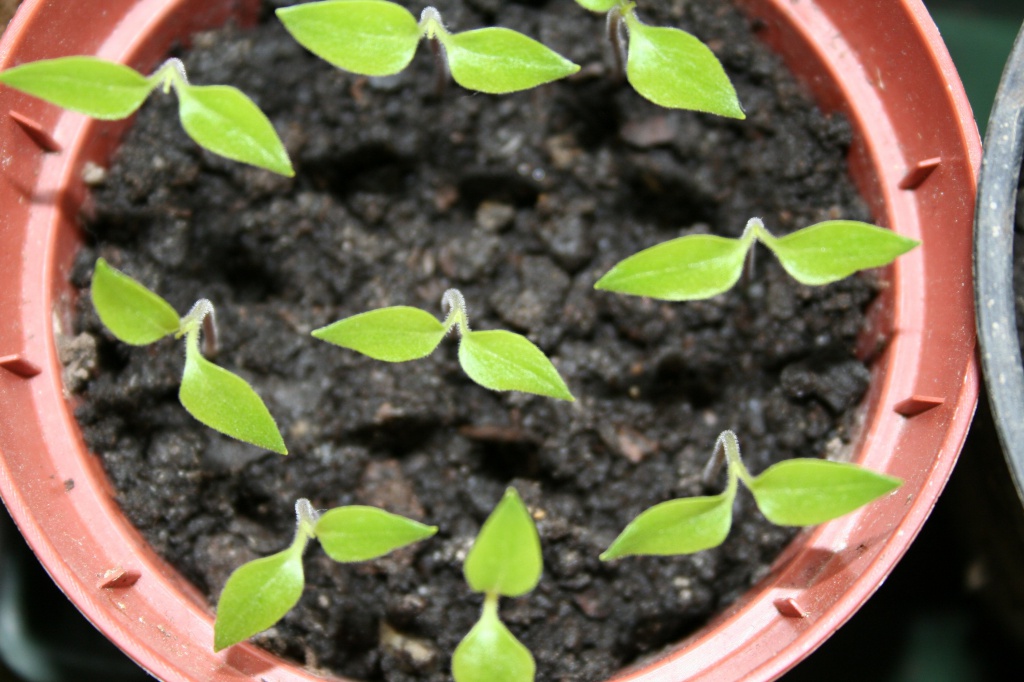
Some varieties can be grown in pots, displaying them on windowsills or balconies. Sweet peppers are most often planted in open ground or greenhouses, as they can be used as food, while hot peppers are used as a seasoning for dishes.
Planting times may vary depending on the pepper variety. When purchasing seeds, always carefully examine the characteristics of the planting material. If you provide proper care during seed germination, you can begin planting seedlings in as little as 3 weeks.
Landing
If you're growing hot peppers in northern regions with periodic cold snaps, it's advisable to harden the seeds before planting the seedlings. Planting seedlings in open ground or an unheated greenhouse is usually done later than in more southern regions. Soak the seeds in early spring so that the seedlings are ready within a month.
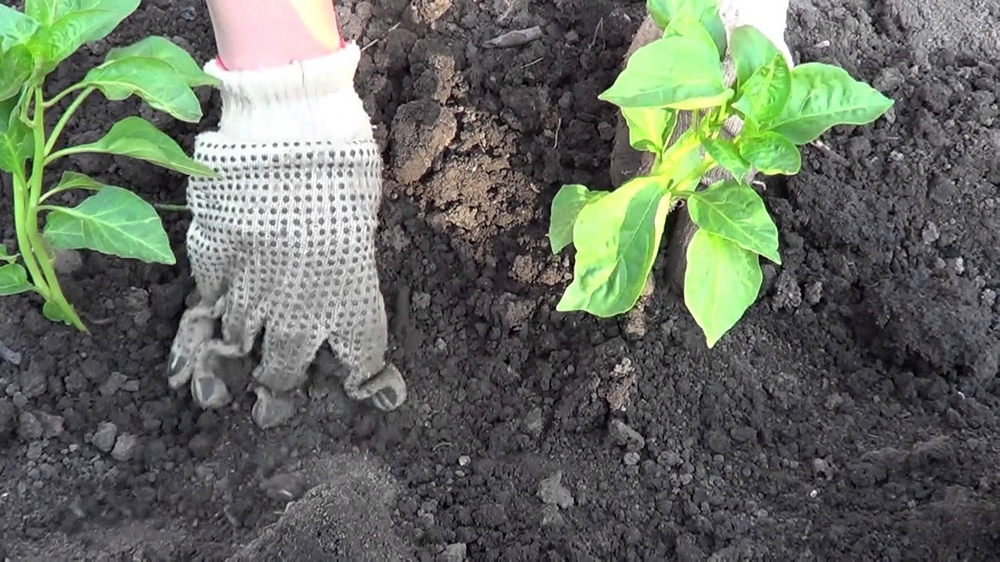
Just like sweet peppers, hot pepper varieties require soil preparation. You can use store-bought soil or enrich regular garden soil with the necessary components. Gardeners can also prepare the soil themselves. To do this, use one part soil, two parts compost, and one part sand. Mix the ingredients thoroughly, then add a little wood ash (a half-liter jar is enough for one bucket).
If you're using soil from your garden, it's best to disinfect it to reduce the risk of diseases, fungal infections, and insects. This can be accomplished by calcining the soil with boiling water. You can also add a pale pink solution of potassium permanganate to the soil.
Once the seedlings and soil are ready, planting can begin. If gardeners are growing sweet and hot peppers together, it's best to plant them at a reasonable distance apart. If planted too close together, sweet varieties won't be as tasty, as they will absorb some of the enzymes from the hot varieties.
When planting seedlings in the ground, you should maintain about 45 centimeters between bushes, and up to 30 centimeters between rows.
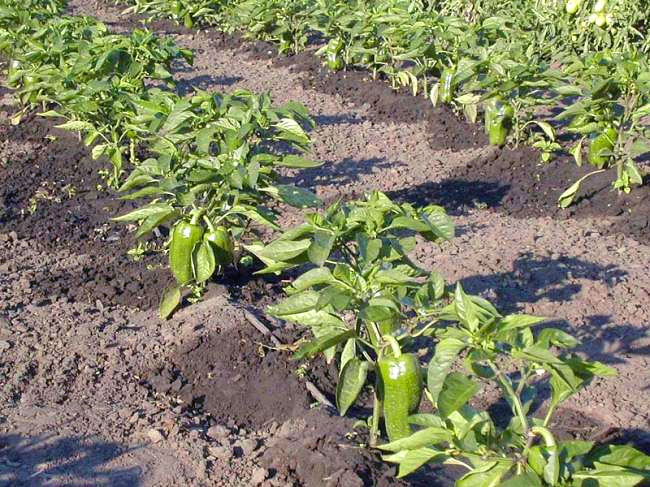
After marking out the planting sites, remember that seedlings will thrive better in a greenhouse. It's much easier to maintain optimal temperatures and humidity levels in a greenhouse. They also have better protection from strong winds, drafts, pests, rain, and hail.
When the soil temperature reaches 15 degrees Celsius, you can begin planting pepper plants. The planting time is determined based on your climate zone.
The soil should be moist before planting. After transplanting the seedlings, watering can begin a week later. During this time, the peppers should acclimate to the new conditions, adapt, and gradually begin to grow foliage.
Experienced gardeners recommend building two small greenhouses to grow sweet and hot peppers separately. In southern regions, they can also be planted outdoors, as the weather there is significantly better.
Video: Planting Pepper Seedlings in Open Ground
The video describes and demonstrates in detail the process of planting pepper seedlings in open ground.
Care
When caring for the crop, follow the same guidelines as for growing sweet varieties, as there's little difference between them in this regard. Watering frequency will depend on the dryness of the summer season, the amount of rainfall, and other factors. On average, seedlings will need to be watered every three days. If the soil surface becomes compacted and crusty, loosen it with a trowel. This will allow water to better reach the vegetable's root system.
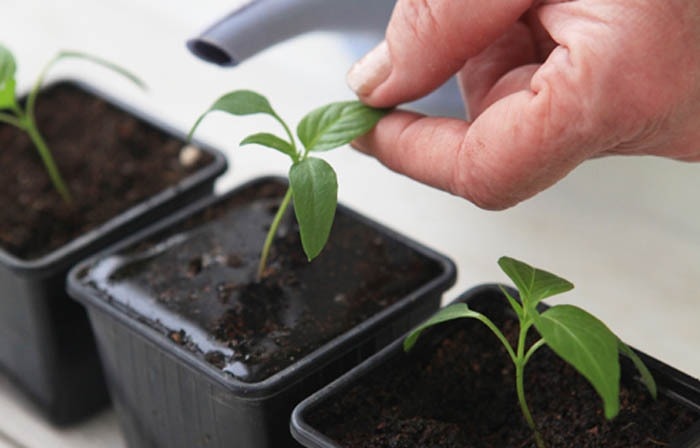
Avoid allowing excess moisture to enter the soil, as this will affect the taste of the fruit.
Proper care requires fertilizing the soil. This is usually done before planting the peppers, during flowering, and after fruit set. Organic fertilizers can be used, as potent components are recommended to restore the soil's properties. Otherwise, you risk damaging the seedlings.
When growing crops outdoors, gardeners often have to contend with pests. They can significantly reduce the growth of seedlings and the harvest itself by devouring the green foliage of the plants. Pest control typically begins with the use of specialized chemicals targeted against each pest type. In greenhouses, pests are much less common, and with proper care, they may not appear at all.
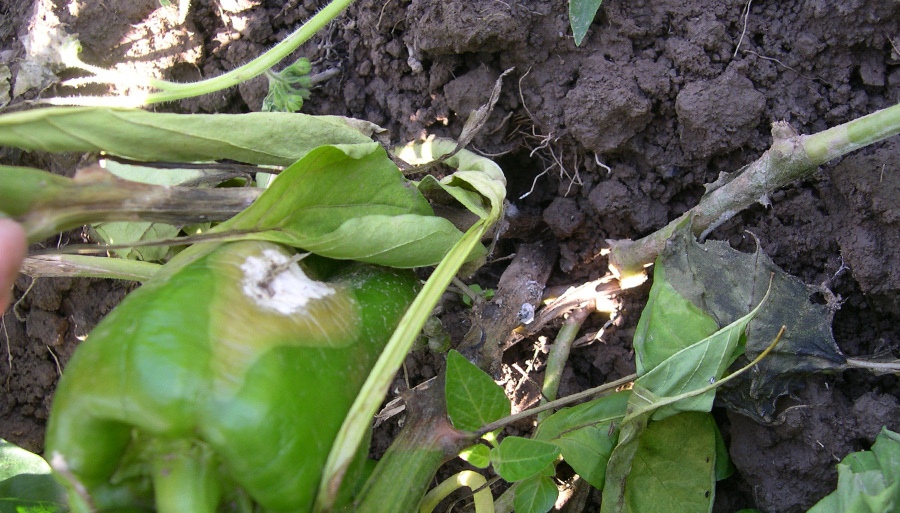
Fighting diseases requires more effort, as delayed treatment can completely ruin the harvest. One of the most dangerous causes of reduced pepper yields is late blight. It's more dangerous than pests, as it can infect all plants in a short period of time. To protect peppers from such diseases, treat the soil and foliage with specialized products. Disease prevention can be achieved with folk remedies.
One of the reasons for the appearance of signs of the disease is favorable conditions for the development of pathogenic microorganisms or spores.
Reproduction
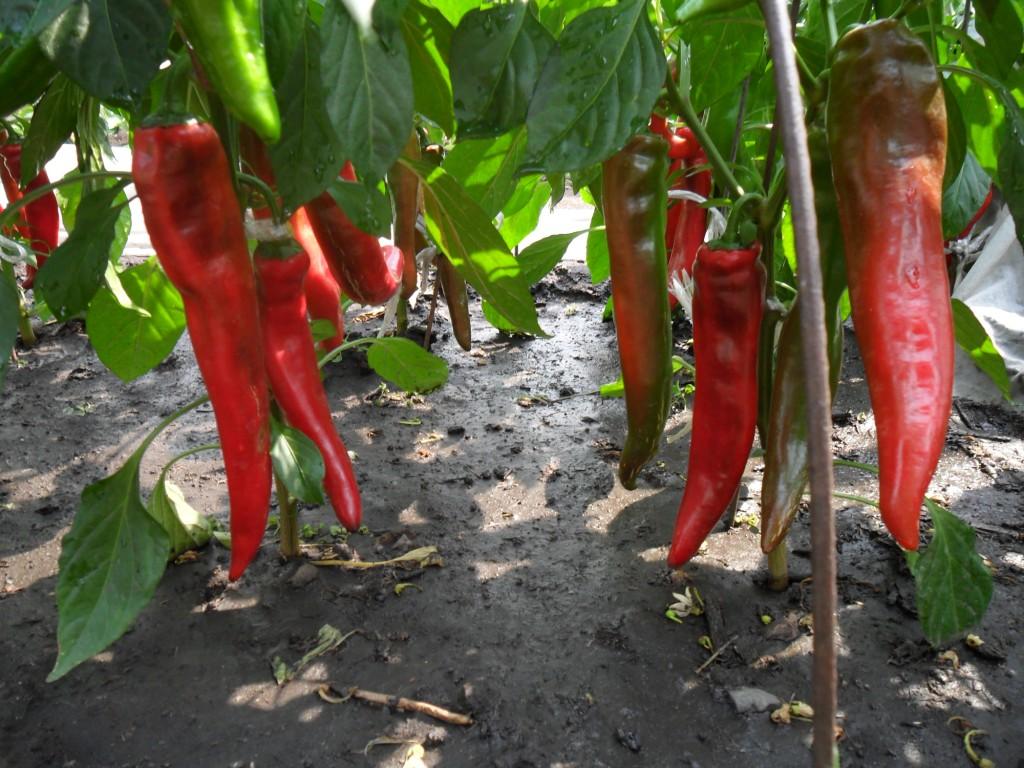
To get a good pepper harvest, you need to provide favorable conditions for its propagation. It's important that pollen reaches the female flowers to pollinate the seedlings. Typically, during flowering, the plants are shaken periodically to disperse the pollen into the surrounding area.
Doing this once a day during the flowering period is sufficient. This will significantly improve pepper propagation. Hot pepper bushes easily support a large harvest due to the shape and light weight of the fruits.
To effectively propagate, gardeners must be able to distinguish male from female flowers. It's crucial that pollen reaches as many female flowers as possible; this will result in a higher yield. In greenhouses, artificial pollination may be necessary.
When growing peppers outdoors, such problems usually don't arise. Insects facilitate pollination, so no additional seedling care is required.
Peppers can also be propagated by cuttings. Each cutting will eventually develop roots. Place the cut branch in a jar of water for several weeks until roots appear. This method doesn't require any special care for the planting material. Simply prepare a temporary spot for planting the seedling with soil.
Harvesting
If the owners have provided proper care for the peppers and protected them from pests, a good harvest can be achieved. You can start by harvesting sweet peppers. Hot peppers should be aged for a while, as they take longer to develop their flavor.
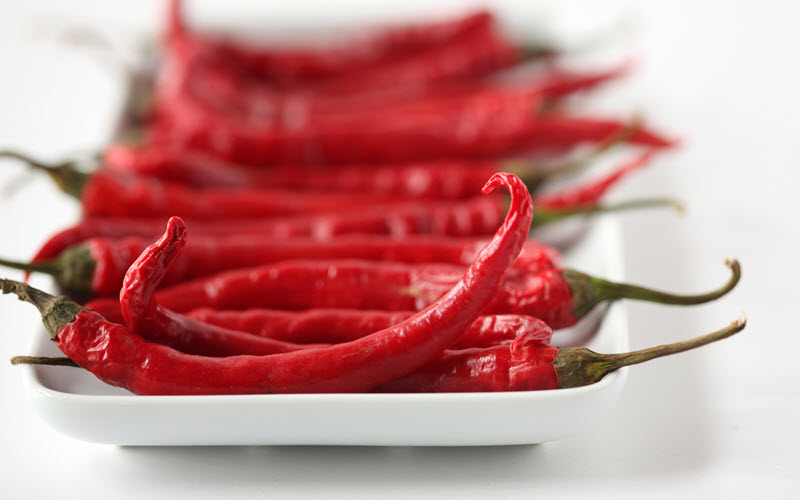
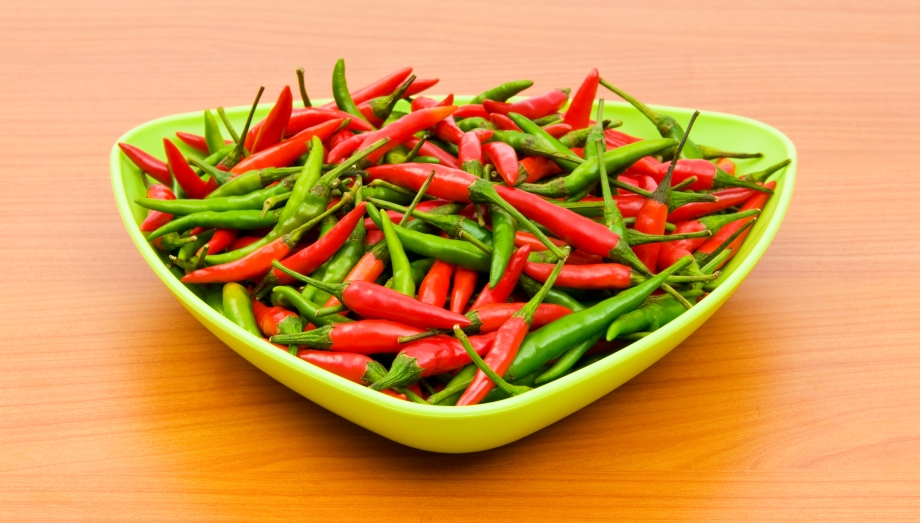
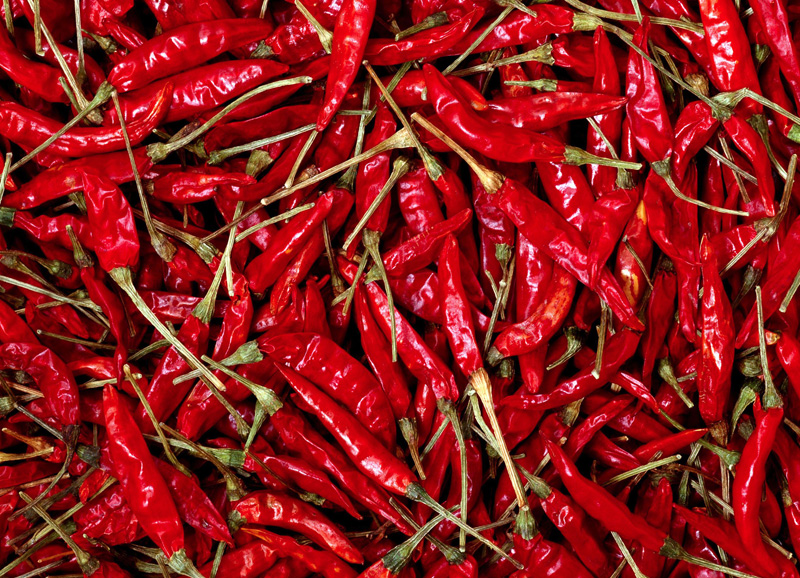
The ripeness of some pepper varieties can be determined by their color. Certain varieties are picked before they turn red. For example, gardeners try to pick jalapeños while they're still green. At this time, they retain their pungent flavor. When fully ripe, the flavor changes to a milder one. To distinguish green peppers from ripe ones, you can taste them.
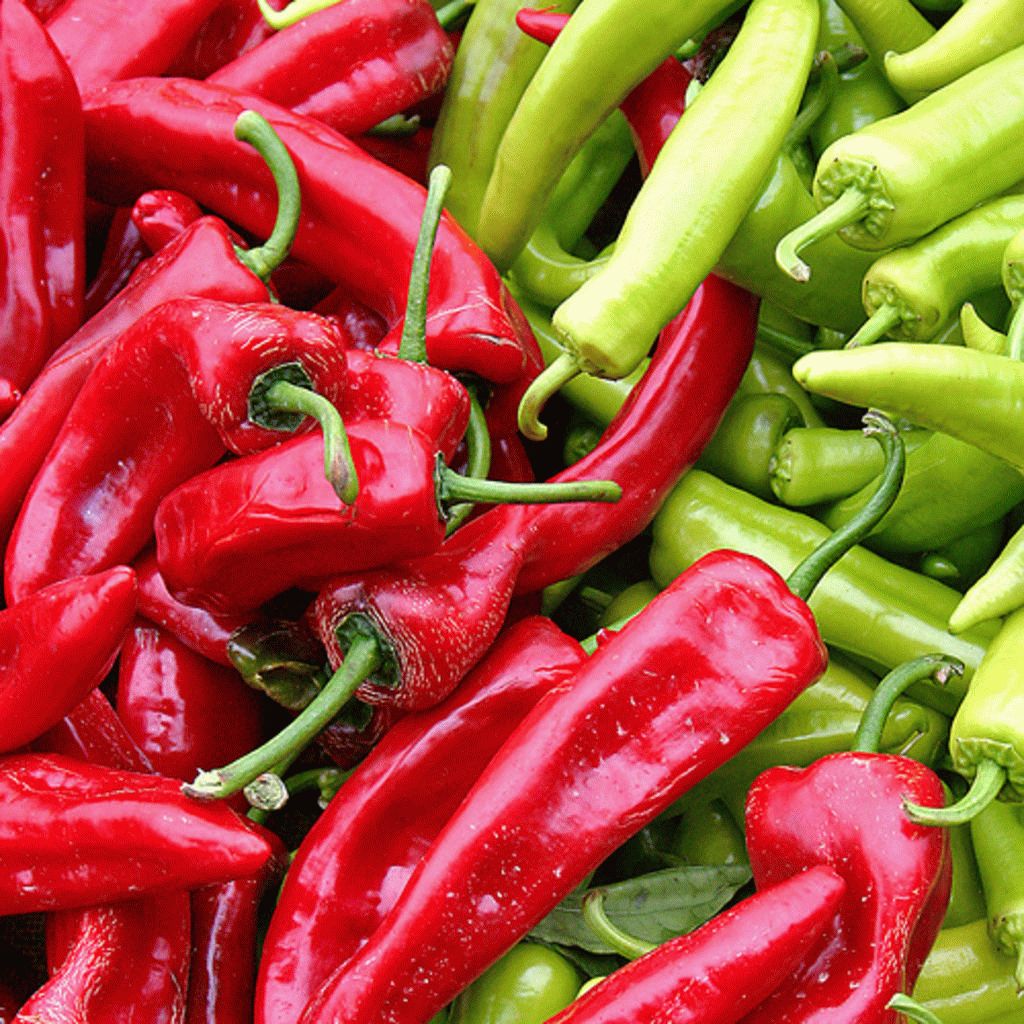
At the end of the season, you can harvest peppers that are only half-ripe. This way, you can extend the shelf life of your peppers, as they will continue to ripen at home.
Hot peppers can be distinguished from sweet peppers by their smaller, narrower fruits, which are typically thin and sharp.
Video: Growing Hot Peppers
An experienced gardener explains how to properly grow hot peppers in a greenhouse.