
Pepper shaping helps increase yields
Content
The need for formation
Opponents of this procedure may be partially correct regarding low-growing (up to 50 cm) and medium-growing (up to 1 m) pepper varieties. Such low-growing plants can indeed more or less cope with all growth issues on their own and ultimately produce a good harvest.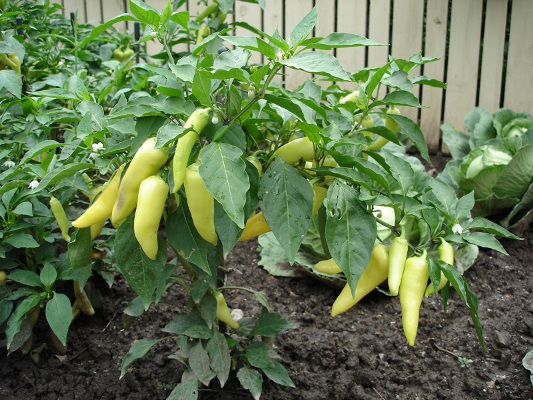
As for tall varieties, pepper bushes can reach up to 2 meters in height. And you don't need to be a brilliant gardener to understand that such a tall plant requires help: pinching, pruning, and removing excess shoots. Pepper training is especially important in greenhouses, where tall varieties grow to their maximum height. Regularly remove yellowed leaves and damaged ones. Of course, tall plants require support.
Pepper shaping helps branches grow better and become stronger. A properly trained plant will provide adequate nutrition for future fruit. Furthermore, shaping ensures that sun-loving peppers receive as much light as they need. This is the key to good ventilation.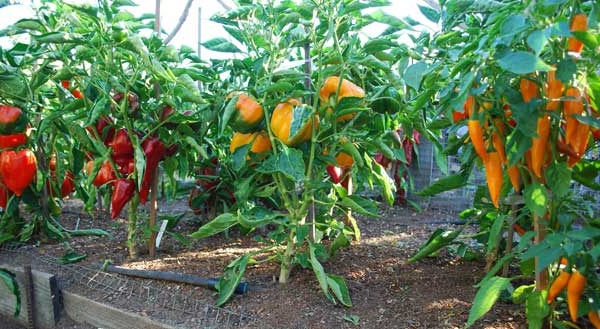
As we can see, shaping the bush is a direct concern for the plant's health and, consequently, a bountiful harvest. Proper care will significantly impact the size of the peppers, their beauty, and the rate of ripening.
Video "Features of Formation"
From the video you will learn what features the formation procedure has.
Stages of work on formation
To clearly understand how to properly shape a pepper plant, let's first talk a little about its "anatomy." It consists of:
- root stem;
- main shoots;
- second-order shoots;
- main branches.
Each branch is effective for up to two dozen peppers.
Pruning is only suitable for perfectly healthy bushes. It's crucial to perform all manipulations with high-quality, well-sharpened, and spotlessly clean tools.
The work is divided into four stages:
- first, we remove the first (crown) bud of the flower;
- second, we eliminate lateral shoots;
- third - cut off the lower leaves;
- fourth - if necessary, pinch off the main stems.
The solemn name "crown bud" is applied to the first flower. It begins to form when the plant, reaching 17-10 cm in height, forms branches. At the point of branching, a bud forms, which, for the sake of the plant, we should remove. Sometimes several such buds form. In this case, we remove them all. This is the first step to creating a healthy, actively growing bush.
The crown bud should be left in only one case: if you plan to grow mega-peppers for seed on this bush. But in this case, don't worry if the other fruits on the bush will be unsightly.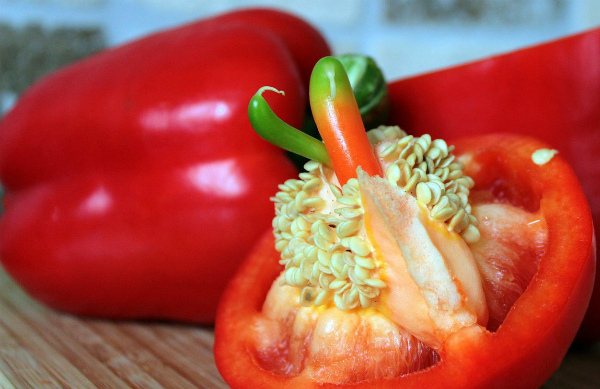
Next, we examine the lateral shoots from the perspective of the law of the jungle: survival of the fittest! The shaping scheme implies that only the strongest, healthiest ones should be retained. The choice won't be too difficult. By this time, there aren't many shoots – you need to select two or three of the most promising ones. Weak branches are cut back to their growing point.
In the third stage, it's time to pay special attention to the lower part of the bush. When growing pepper bushes in a greenhouse, it's important to make it a rule to regularly inspect this part. It's important to promptly remove fruitless shoots and useless leaves—those that only provide unnecessary shade. Repeat this procedure every 3-5 days. And remember: shape the bush carefully, removing no more than two leaves at a time.
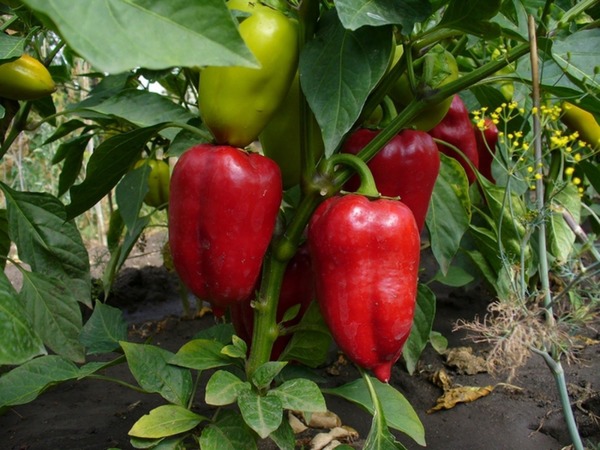
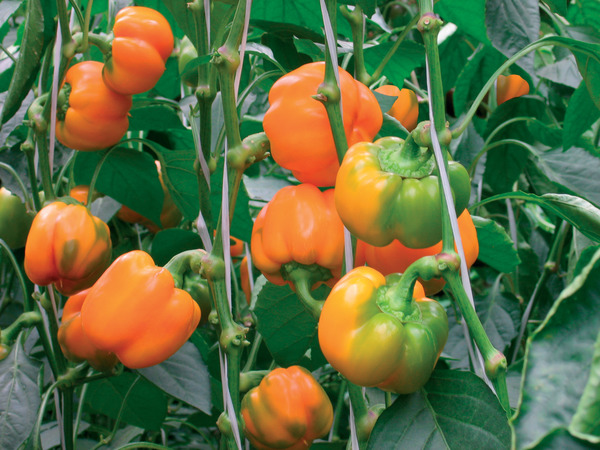
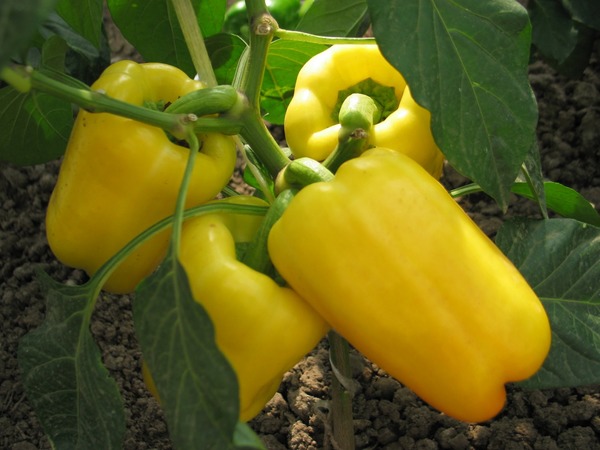
Don't let greed ruin you when pinching. A common mistake among vegetable growers is to leave as many buds as possible! But the plant can't handle that many. 25 flowers per bush is the maximum. Leaving more than that means wasting the plant's energy.
Trimming the lower leaves and part of the flowers
We've already mentioned that the lower leaves of the plant need to be closely monitored. Peppers growing in a polycarbonate greenhouse must receive adequate light. This is the nature of the plant; light is its most important source of life and health. Therefore, one of the key rules for vegetable growers in shaping peppers is to ensure that the plant's parts don't, so to speak, compete for the insufficient light.
If there's not enough light, there won't be any fruit, and don't be fooled by the fact that the bush was blooming. That's why you need to remove all unnecessary debris from the lower part of the bush: leaves, flowers, and ovaries.
The bush formation scheme implies the productive distribution of nutrients within the plant's body. This means we must direct its vital energy toward the desired outcome—a good harvest.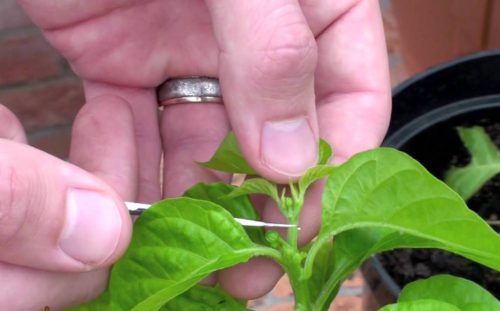
It's important to remember that the last time you should perform this type of intervention is six weeks before harvest. During this time, the pepper plants should be able to produce a good harvest on their own.
Video "Cropping"
From the video you will learn how to trim peppers.