
How to feed peppers for growth: the best folk remedies
Content
What to feed?
The intensity with which peppers should be fertilized directly depends on the quality of the soil in which they grow. The poorer the soil, the more intensively the plant needs to compensate for nutrient deficiencies. Peppers are a tasty treat, and they have a keen appetite. Greenhouse-grown peppers require special care.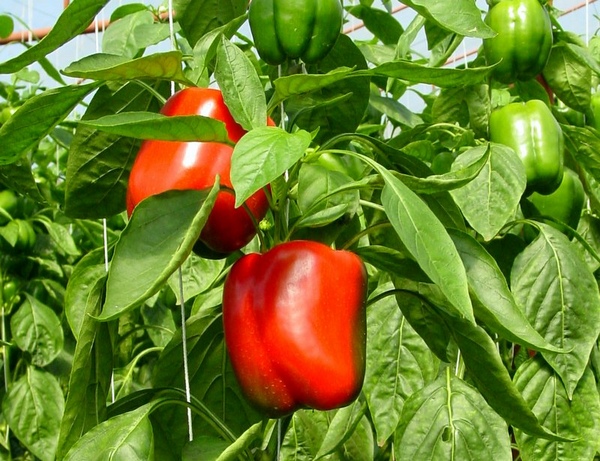
Of course, many gardeners use a complex of mineral fertilizers. But today, we increasingly turn to so-called grandma's remedies and discover that they knew what they were doing.
In fact, modern gardeners are always ready to feed vegetables with improvised means, using coffee grounds, banana peels, eggshells, and potato peelings. But are all folk remedies effective and harmless?
Video "Feeding"
From this video you will learn the best way to feed peppers.
Natural fertilizers
Many gardeners are convinced that peppers don't need mineral fertilizers. In fact, they thrive on so-called green manures. This means humus, which has a reputation for being essential for plant nutrition, can be perfectly well dispensed with in this case. But kitchen scraps are just the ticket. So, stop throwing eggshells, banana peels, and other plant waste in the trash. Collect all that stuff, and throw the ashes in there, too.
What's the use of this "garbage"? Banana peels are a source of potassium. They can be dried and ground into a powder. If this powder is added to the soil, potassium-containing fertilizers are no longer needed. You can make an infusion (steam 2-3 banana peels in 3 liters of water for three days) and water your plants with it.
Eggshells contain many microelements. They can be effectively added to compost. They can also be used to make an infusion: crushed shells from 3-4 eggs and steeped in 3 liters of warm water for three days. Store the jar in a dark place. This fertilizer is useful for growing seedlings.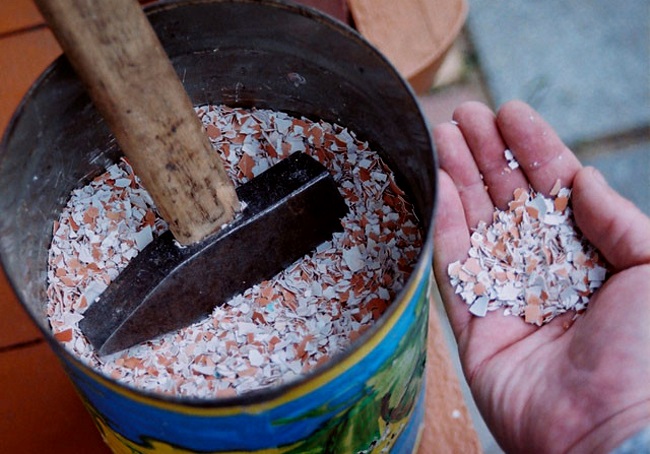
Peppers benefit from dairy products—anything that's no longer fit for consumption. Infusions made from stale bread are very good.
Steep the peppers in green tea. You'll need the leaves and flowers for this.
- plantain;
- nettles;
- dandelion;
- woodlice;
- coltsfoot.
This silage is chopped and covered with cold water. The herbs should be steeped for a week. Then, add a liter under each plant.
If you still think it's necessary to use bird droppings or manure, please do so; it won't harm the peppers. Chicken droppings are diluted with water at a ratio of 1:5. You need 1 kg of manure per hectare with 10 liters of water. These nutrient-rich mixtures are especially useful during flowering.
Fertilizing peppers with ash is certainly beneficial. It makes the plants more resilient, stimulates growth, and is a source of potassium and phosphorus. And, crucially, it improves the taste of any fruit. Adding a handful of ash to the holes when planting peppers produces good results. Vegetable growers also use an infusion: 1 tablespoon of ash per 2 liters of hot water, leave it for 24 hours.
Iodine and yeast
We've all heard and read that iodine is vital for humans. But what about plants? Scientists don't believe it's absolutely essential for, say, garden crops. However, empirical evidence has shown that iodine is very beneficial for the growth of peppers. It also increases yield and makes the fruit more delicious. These results are likely due to the improved metabolism stimulated by iodine supplementation.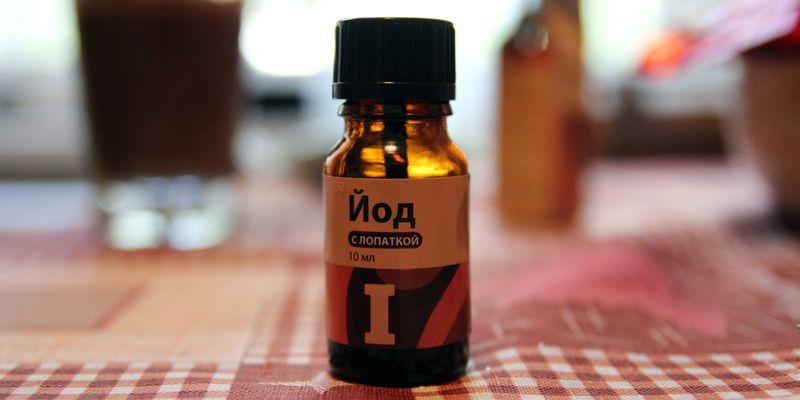
Iodine also acts as an antiseptic in the garden, increasing plant resistance to disease. Fungal growth can be stopped by watering the plant with an iodine solution.
There's one caveat: iodine should be used in small doses. One to two drops per liter of water is sufficient. You can also add 100 ml of whey to this solution.
Yeast supplementation is still a novelty, not widely known. However, it is very beneficial, as yeast contains
- phosphorus;
- nitrogen;
- organic iron;
- vitamins;
- minerals.
Yeast not only promotes root system and green mass development, but also activates the vital functions of soil organisms that influence crop yields.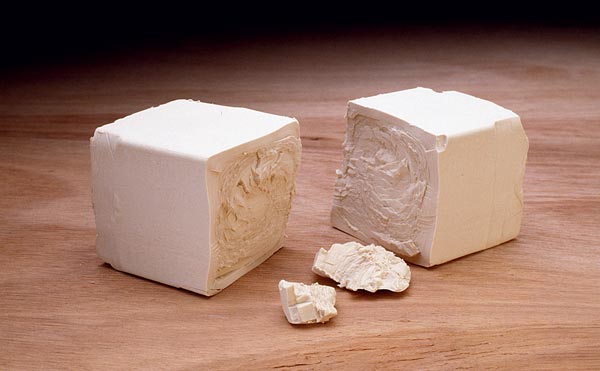
Despite all the positive aspects, yeast destroys potassium, so this fertilizer must be prepared with the addition of ash.
You can use fresh yeast: soak 1 kg in 5 liters of water for 24 hours. Then, mix the resulting solution with 50 liters of water and use for irrigation.
Dry yeast is also suitable, using a ratio of 1 packet per bucket of water. Add 2 tablespoons of sugar and let the mixture steep for 2 hours. Then dilute half a liter of the solution in 10 liters of water. It's enough to water the peppers with yeast fertilizer twice per season.
Ready-made mixtures
Prefer to trust the professionals instead of trying all sorts of home remedies? When it comes to feeding your pepper seedlings, folk remedies don't seem like a viable solution?
Gardeners experienced in growing peppers often use ready-made mixtures. Specific formulations are needed at different stages. For example, during the first feeding, the plant has a particular need for nitrogen and potassium. Therefore, among ready-made mixtures, we recommend Kemira-Lux (40 g per 20 liters of water) and GUMI Kuznetsov (2 teaspoons per bucket of water). Potassium nitrate solution is also suitable. You can prepare the following mixture yourself:
- ammonium nitrate – 2 tsp.
- potassium sulfate – 3 tsp.
- superphosphate – 3 tbsp. l.
- 1 bucket of water
The mixtures listed are also suitable for a second feeding, but you'll need twice as much. You can use "Kristalon" (20 g per bucket of water).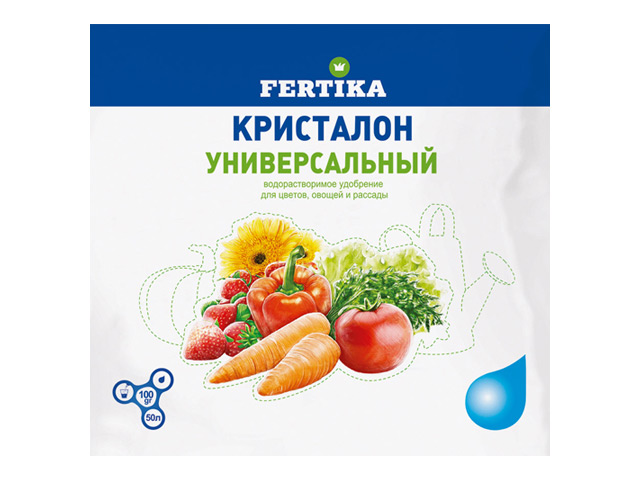
For the third time, it is recommended to feed peppers with complex fertilizers: Nitroammophoska, Gomel, Uniflor-rost, Agricola.
Rules for fertilizing
When growing peppers, foliar feeding is not used. Any fertilizer applied to the plant should be carefully applied to the roots. Any accidental splashes on the leaves should be rinsed off with water.
Pepper seedlings need to be “fed” twice: when the leaves begin to appear and 8-10 days before planting.
The first feeding contains nitrogen and potassium. The second adds phosphorus, as well as micro- and macronutrients.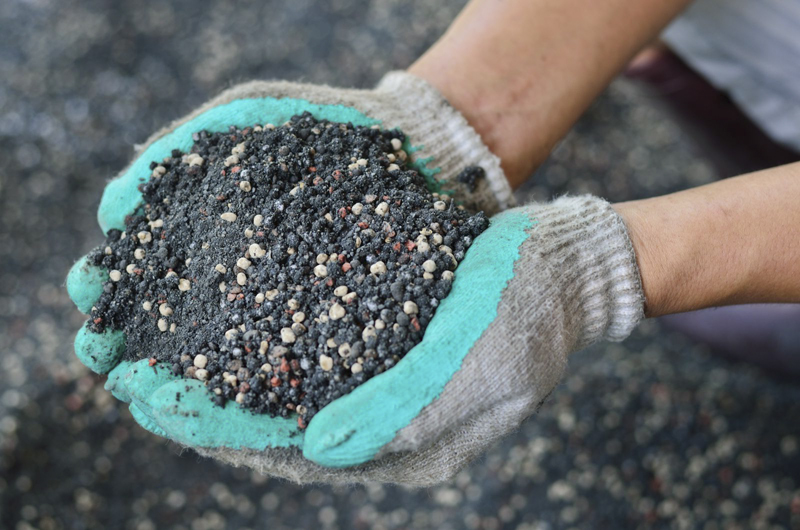
When preparing the beds for planting peppers, add fertilizer to the soil. This can be superphosphate with potassium chloride or ash, or a manure solution.
During the season, peppers can be fed twice a month, the first time two weeks after planting.
To prepare the solution you need warm water.
If the summer is cool and there are few sunny days, peppers need more potassium: add ash to liquid fertilizers.
To avoid micronutrient deficiencies, it is worth “treating” the peppers with Riga mixture once.
Signs of nutritional deficiency in plants
There's no need to systematically apply all the science of pepper fertilization in practice. You might not need the entire theory, even if you've learned it from highly respected sources. Theory definitely needs to be combined with practice: carefully observe your plants, and they will tell you exactly what they need for full development. Or perhaps what they've received in excess.
Have the leaves turned pale? Not just pale, but also yellowing from the center outward? Are the peppers themselves thin and crooked? The diagnosis is nitrogen deficiency. Treatment is a mullein solution.
Awl-like leaves dotted with yellow-gray spots are a sure sign of calcium deficiency. Slow growth and poor root development are also symptoms. Therefore, nitrogen and potassium fertilization should be stopped immediately.
Are the bushes turning yellow and falling off, and the fruit is small? This indicates too much calcium. Abundant watering and nitrogen-rich fertilizers will help.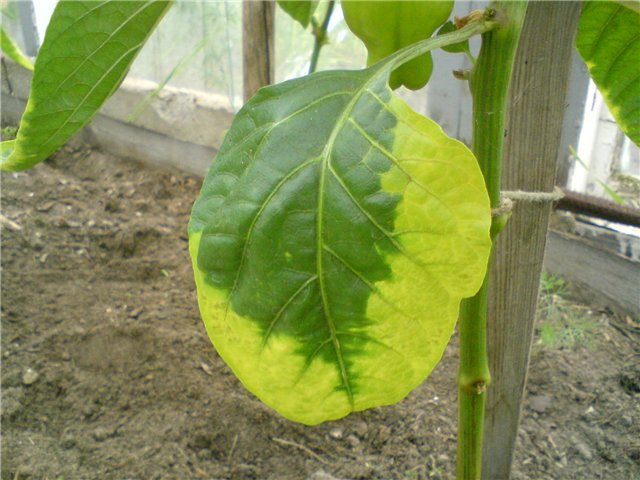
Yellow or white spots on leaves indicate an iron deficiency. This deficiency typically occurs in peppers grown in unsuitable soil, such as chalky or clayey soil.
Peppers indicate a phosphorus deficiency by turning their leaves blue. Later, the leaves turn red and curl up.
Keep an eye on your plants. Be attentive to their needs, and you're sure to get a good harvest.
Video "Folk Remedies"
From the video you will learn which folk methods are suitable for feeding.